
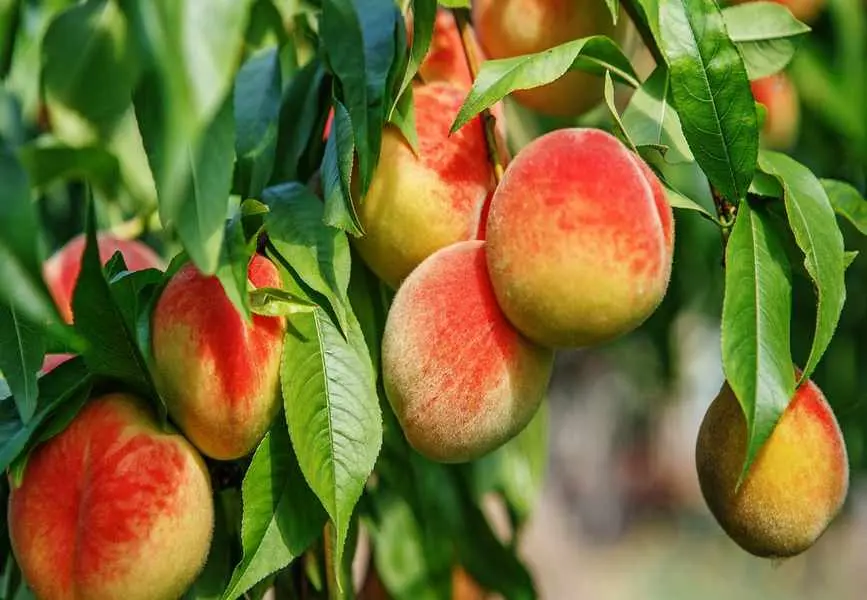
If you love peaches, enjoy cultivating beautiful plants, or want a fun project, growing a peach tree from seed is a rewarding experience. Watching a tough pit transform into a thriving tree is truly captivating.
While it takes about three years for your tree to bear fruit, the wait is worth it, and the cost is minimal. Plus, you'll be nurturing one of the best backyard fruit trees around.
Unlike commercial nurseries that graft specific peach varieties onto reliable rootstocks, growing a tree from seed introduces more variability. The resulting tree will inherit traits from both parent plants, affecting its productivity, flavor, and even size.
Since the outcome isn't guaranteed, embrace the journey. You might end up with a bountiful and tasty harvest. Ready to start your peach tree from seed? We've got all the essential details for you.
Steps to Grow a Peach Tree from Seed

We'll guide you through selecting the ideal seed to plant and how to successfully plant fruit trees. Before you know it, your fruit bowl could be filled with juicy peaches!
Selecting the Best Peach Pit
Choosing a peach isn't just about flavor; it's vital to pick the right seed. Using pits from commercially available varieties tends to yield more vigorous and disease-resistant trees. Opt for varieties meant for eating or canning, and steer clear of hybrids since they won't sprout.
With countless peach types available, research which ones thrive in your region. Many can survive winter temperatures down to -10℉ (-23℃), while some can tolerate even -20℉ (-29℃).
Germinating a Peach Pit
Start by removing the pit from the peach, washing away any remnants, and allowing it to dry for two weeks. For successful germination, plant the seed during fall or winter, a few weeks ahead of the last frost. This cold period will stimulate growth. To help the shoot emerge, gently rub the pit with sandpaper, being careful not to damage the kernel.
After drying, place the pit in a pot that's at least 12 inches deep (30cm) with seed compost. This gives the tap root plenty of space. Bury the pit 1 inch (2.5cm) deep, keep the soil moist, and find a warm spot. Expect the first leaves in about six weeks.
To help your young peach tree adapt to outdoor conditions, gradually expose it to the elements. Wait until after frost, then move it outside for a few hours each day, increasing the time by an hour until it's fully acclimated.
Planting a Young Peach Tree
Peach trees thrive in full sunlight. Choose a well-sheltered area for planting, away from frost pockets, as peach trees can bloom early and are vulnerable to frost damage.
Ensure the soil drains well, as standing water can harm the roots. Aim for loamy, sandy topsoil with a pH around 6.5-7. If your soil is heavy clay, mix in compost and grit to enhance drainage. It's often recommended to plant on a mound to assist with drainage.
Dig a hole that fits the root ball, ensuring the top is level with the surrounding soil. As long as the tree is well-watered throughout the growing season, it should thrive.
Growing a Peach Tree in a Container
Peach trees are perfect for container gardening, provided the pot is large enough. Experts suggest a container size of 10-15 gallons for easy mobility. This size will support the tree while allowing for relocation during colder months.
Ensure the container has ample drainage holes and add a layer of stones or grit at the bottom before filling it with compost. Elevating the pot with feet also promotes proper drainage.
Regularly water container-grown trees during the growing season, and feed them a high potassium liquid fertilizer every few weeks. Repot compact peach trees every couple of years using loam-based compost.
Caring for Your Peach Tree
Pruning is crucial for maintaining a healthy peach tree and ensuring a good crop. It's best to prune stone fruits like peaches in mid-March when the sap begins to rise.
Strive for an open vase shape by removing central stems, promoting air circulation. While pruning can seem daunting, it doesn't have to be! Remember, there's no one-size-fits-all approach; even experts have their unique methods.
Peach trees also benefit from extra nitrogen and potassium to support bud formation and a healthy yield. In early spring, apply a balanced granular fertilizer around the base.
Pests and Diseases Affecting Peach Trees
Peach trees face several challenges, with fungal infections like peach leaf curl being a major concern. This disease can lead to severe leaf loss if not managed properly.
Preventative measures include shielding the tree from rain and frost during cooler months. A rigid shelter covered with plastic can protect your tree. If you notice white spores on the leaves, remove them immediately and dispose of them safely.
Squirrels can be a nuisance, fond of munching on fresh buds. To deter them, trim branches close to boundaries and consider installing a metal collar around the trunk.
Brown scale insects, which feed on the plant, can cause significant leaf loss. Attracting natural predators like ladybugs and birds will help manage infestations without chemicals.



