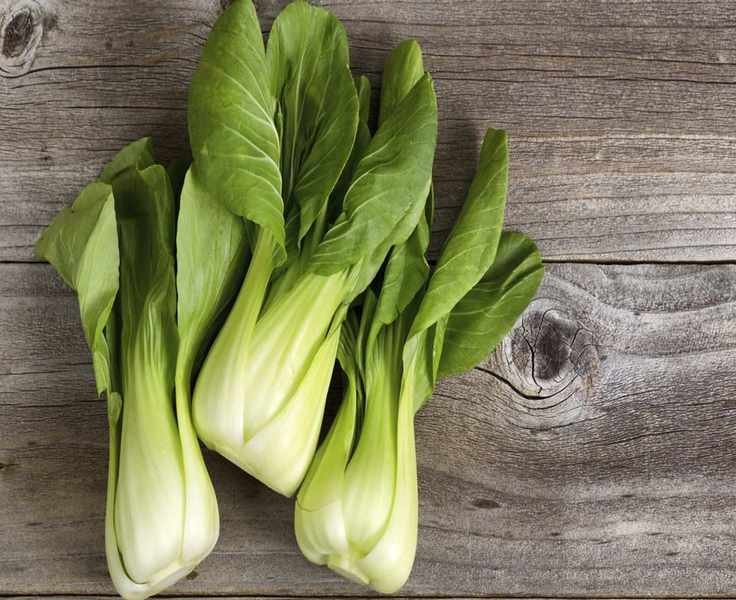
Bok choy, also known as pak choi, is a delightful and adaptable vegetable often featured in Asian dishes. Its broad, ribbed leaves come in white, light green, or purple, and it's worth the effort to cultivate your own at home.
This vegetable, which has various names, is straightforward to grow and yields abundant harvests of flavorful, peppery leaves. As a cool-season crop, it's an excellent choice for planting in spring and late summer or early autumn in your garden.
I've frequently sown bok choy in late summer to ensure harvests during the cooler months of late fall and early winter. It's known for reliable germination and grows quickly, making it ideal for multiple harvests.
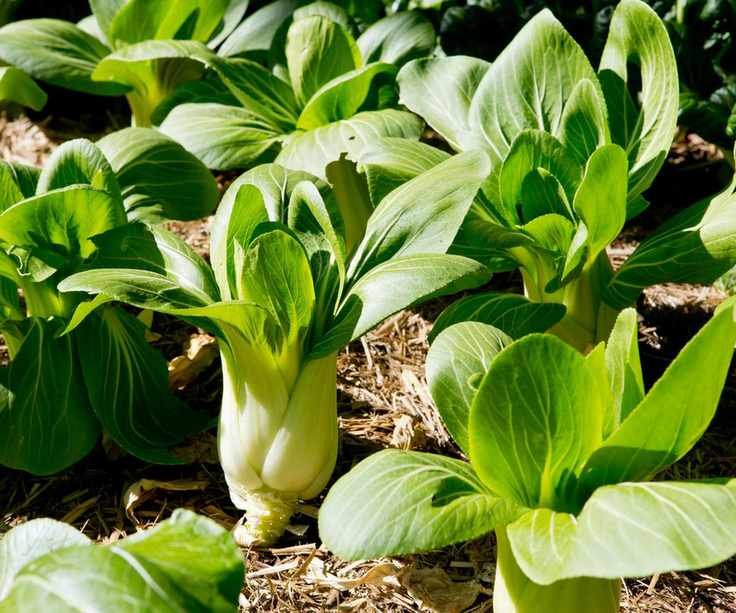
Bok choy can be enjoyed raw or cooked
Understanding Bok Choy
Bok choy belongs to the brassica family and is also recognized as Chinese cabbage or pak choi. It's cultivated for its stalks and is a staple in many Asian recipes. If you're eager to cultivate bok choy, you're in for a treat with this popular member of the cabbage family.
Growing Bok Choy from Seeds
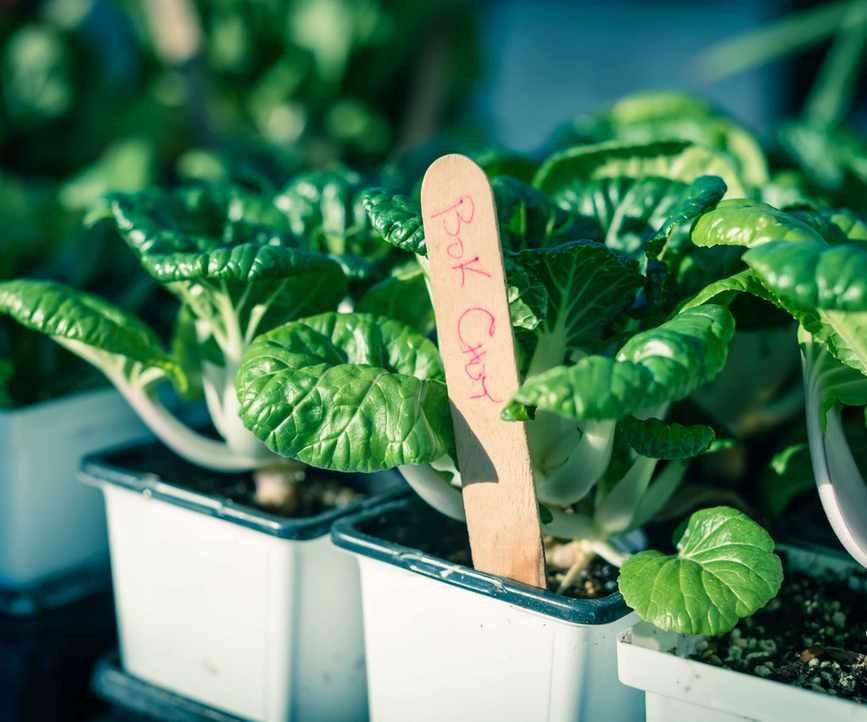
Bok choy is a fast-growing seed crop
Bok choy is a biennial crop suited for cool seasons, allowing for multiple sowings throughout the year for extended harvests. Experts recommend planting it in spring and fall when daylight hours are shorter, as prolonged warm days can lead to flowering.
This vegetable can be started indoors or outdoors, depending on your last frost date. Indoor sowing can begin 4-6 weeks before your predicted last frost.
Plant seeds about half an inch deep in pots or trays filled with seed-starting soil. They germinate best at temperatures of 65-70ºF. Keep the soil moist as the seeds develop and harden off the seedlings before transplanting them outdoors after frost risk has passed.
Direct sowing can occur after the last frost in spring and during late summer or early fall. I've found it particularly effective to plant in September for late fall and early winter crops.
For outdoor sowing, prepare the ground by weeding and raking, then plant seeds thinly in rows spaced about one foot apart. As seedlings grow, thin them to about 9-12 inches apart.
White Stem Bok Choy Seeds: This variety yields large green leaves with thick white stems, thriving in US hardiness zones 1-9, and matures in 70 days.
Red Hybrid Bok Choy Seeds: This robust hybrid features medium-sized, spoon-shaped red-violet leaves with a mild, sweet mustard flavor, allowing for multiple harvests from one plant.
Pure Joy Bok Choy Seeds: A compact variety producing white-stemmed, dark leaves. Use baby leaves in salads or lightly steam, sauté, or stir-fry mature leaves to preserve their crunch.
Choosing the Right Location for Bok Choy

Plant bok choy in spring, late summer, or early fall
Bok choy thrives in sunny areas but can also grow in partial shade. Ideally, it should receive at least six hours of sunlight daily but can manage with as little as four. Planting in a spot that gets morning sun and afternoon shade can help prevent bolting during hot weather. For fall planting, maximum sunlight is beneficial.
This crop prefers well-draining, fertile soil enriched with organic matter like compost or well-rotted manure. Bok choy is a heavy feeder, and incorporating organic materials enhances soil structure and moisture retention.
Bok choy can also be successfully grown in raised beds or containers. In colder climates, consider using a greenhouse in the fall for winter harvests.
Caring for Bok Choy
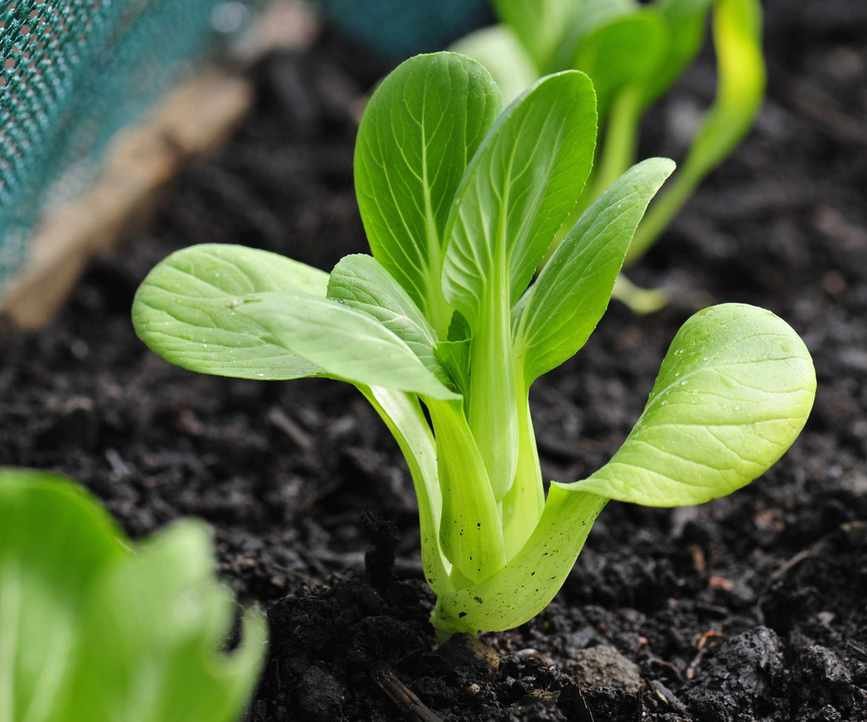
Plant bok choy in sunny or partially shaded areas
It's crucial to monitor watering, as insufficient moisture can cause bok choy to bolt. The soil should remain consistently moist but not waterlogged. Using a soil moisture meter can help maintain the right balance.
Apply mulch around bok choy with compost or leaf mold to retain moisture and suppress weeds. Controlling weeds is important, as they compete for water and nutrients.
Protect young seedlings from slugs and snails, which may munch on them. Strategies include surrounding seedlings with gravel or grit or using beer traps for control.
For early and late sowings, cover plants with cloches or row covers to shield them from cold weather, extending the growing season and harvest period.
Harvest bok choy at the baby stage, about 30-40 days after sowing, or wait until full maturity at 12-18 inches tall. You can either pick individual leaves or cut the entire head.
After harvesting, bok choy can resprout. Trim side leaves a few inches above ground, leaving some central leaves to encourage regrowth.
Use the leaves soon after picking, though they can be refrigerated for up to a week if necessary.
Container Growing Tips for Bok Choy
Bok choy can thrive in containers that are at least 10-12 inches wide, ensuring they have drainage holes. A 10-inch pot accommodates one full-sized plant; for multiple plants, double the width. Containers can be plastic, terracotta, ceramic, or fabric, filled with a loose potting mix. Avoid reusing potting soil or using garden soil.
Sow seeds directly or transplant young plants into the container, placing it in a sunny spot in your yard. Regularly check container soil moisture, as it dries out faster.
Feed container plants with a diluted high-nitrogen fertilizer every few weeks to promote healthy leaf growth.
FAQs
What is the growth time for bok choy?
Bok choy is a fast-growing vegetable, with baby leaves ready for harvest in just 30 days. It typically takes 50-70 days to reach full maturity, depending on the variety and seasonal conditions.
Can bok choy be regrown from cuttings?
Yes, you can regrow bok choy from scraps. Cut off the base, leaving an inch or two, and place it in a bowl of water. Change the water every few days and watch for new leaves to sprout. Once established, plant it into soil.
If you're looking for another cool-season vegetable to grow in late summer for a fall harvest, consider daikon radish. This vegetable, also known as mooli, has long white roots and a milder flavor than summer radishes. Sow it directly in late summer or early fall for a harvest in about 60-70 days.