
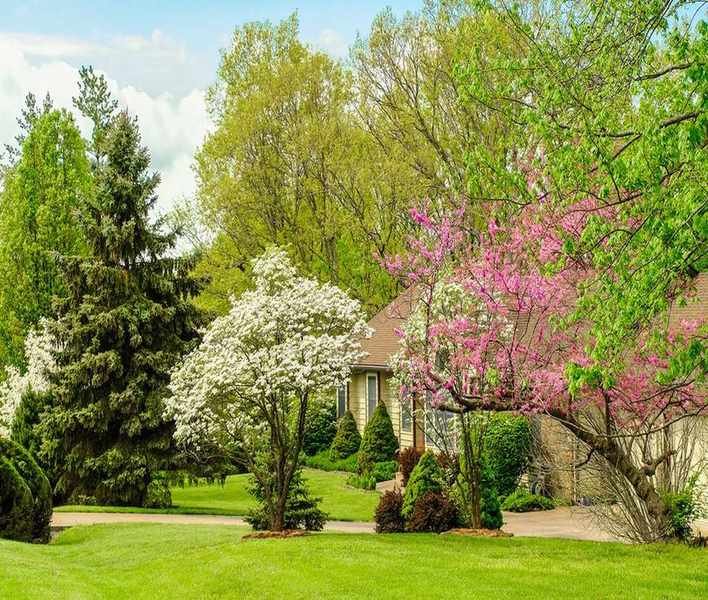
Picking a tree for your backyard requires careful thought. The right tree enhances your space with greenery and structure while offering flowers, fruit, or vibrant bark. Trees also support wildlife and bring a unique character that smaller plants simply can't provide.
To avoid future issues, invest time in selecting the most suitable trees for your area. 'There's a perfect tree for every situation,' says Tony Kirkham, a leading arborist from the Royal Botanic Gardens, Kew in the UK.
Understanding the maximum size and conditions of your site will help you appreciate the tree's ornamental features, such as leaf size, shape, and color, as well as flowers, fruits, and bark.
Regardless of your choice, planting trees contributes to a healthier environment. This is why many garden designers are incorporating more trees for a woodland-inspired aesthetic.
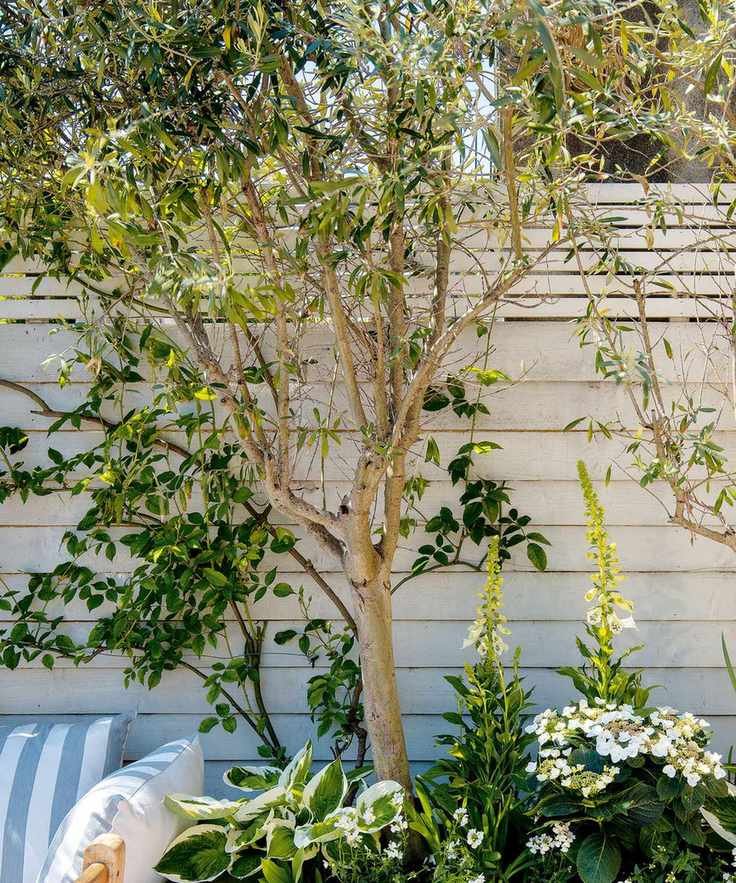

Simple Steps to Choose a Tree for Your Backyard
Trees are known to boost mental wellbeing, filter greenhouse gases, and improve air quality. Every garden, regardless of size, should feature at least one tree.
Whether your backyard is spacious or cozy, sunny or shaded, there's a tree that fits your needs. Our guide simplifies the process of selecting the right tree for your space.
1. Define Your Purpose for the Tree
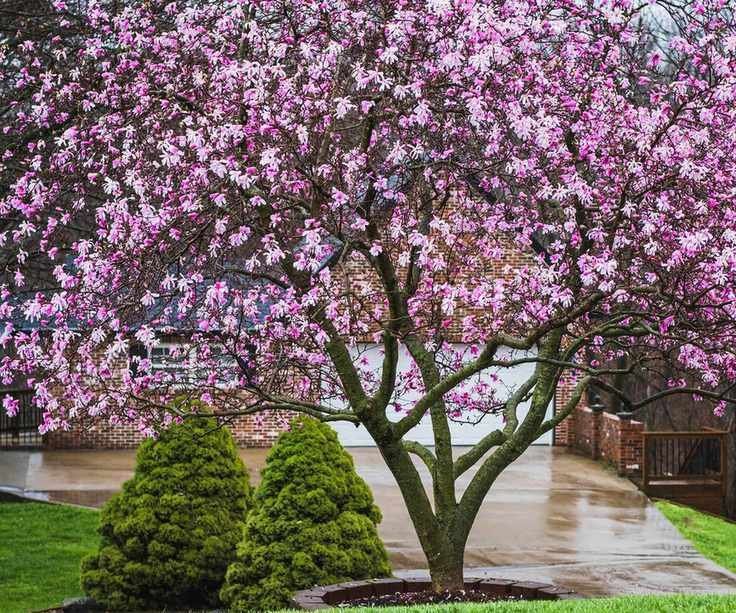
Determine why you want to plant a tree. 'Are you seeking privacy?' asks Tony Kirkham. 'Or do you want an ornamental specimen for seasonal interest or wildlife attraction?' You may prefer evergreens for a year-round leafy backdrop.
Consider flowering trees like the Jane Magnolia for spring beauty or fruit trees for seasonal harvests.
A knowledgeable supplier can assist you in choosing trees that match your soil type, hardiness zone, light conditions, and garden size, while also considering factors like noise reduction or attracting birds.
2. Match the Tree to Your Space
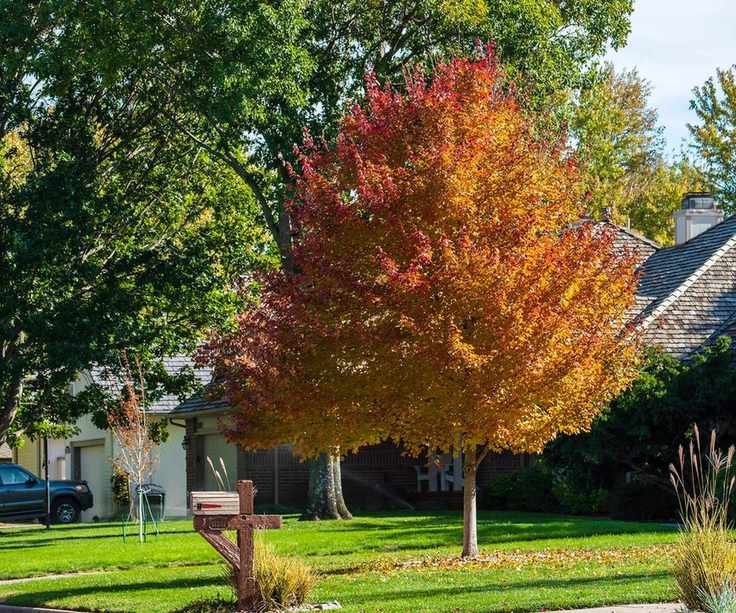
When selecting a tree, consider its ultimate size. Large trees may not be suitable for smaller spaces, while small trees can get lost in larger areas. Seek advice on how tall and wide your chosen tree will grow to ensure it fits well.
Tony emphasizes the importance of picking the right location; avoid spots that block light or spoil views and ensure it won't encroach on neighbors once grown. For small gardens, select trees that offer beauty in multiple seasons.
For instance, try Acer palmatum 'Sango-kaku', which boasts leaves that transition from pink-yellow to gold in fall, or the hazel Corylus avellana 'Red Majestic', which features pink catkins in spring and curly branches for winter interest.
3. Decide on the Desired Atmosphere
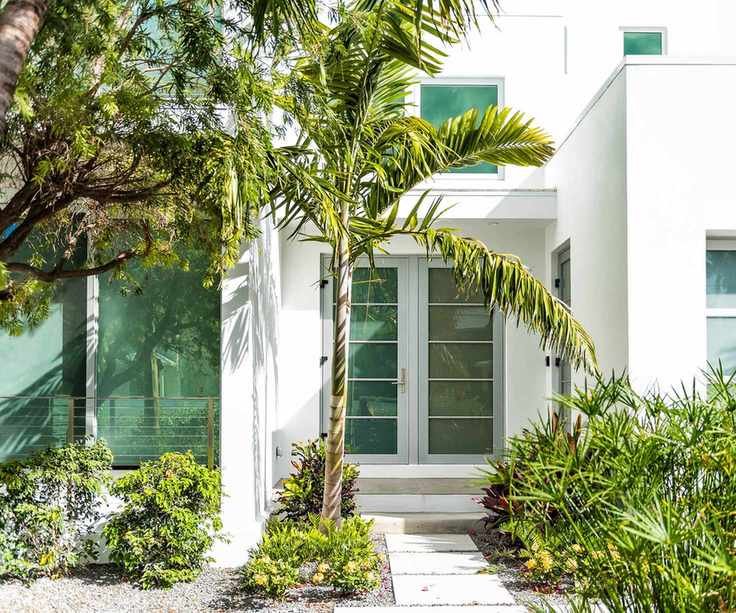
Being substantial in size, trees greatly influence the style of your garden. Choose a tree that complements the ambiance you wish to create.
For an exotic feel, consider palm trees like the windmill palm for tropical aesthetics. Madronas (Arbutus) offer Mediterranean charm, while silver pear Pyrus salicifolia 'Pendula' adds elegance to romantic gardens.
4. Consider the Growth Rate
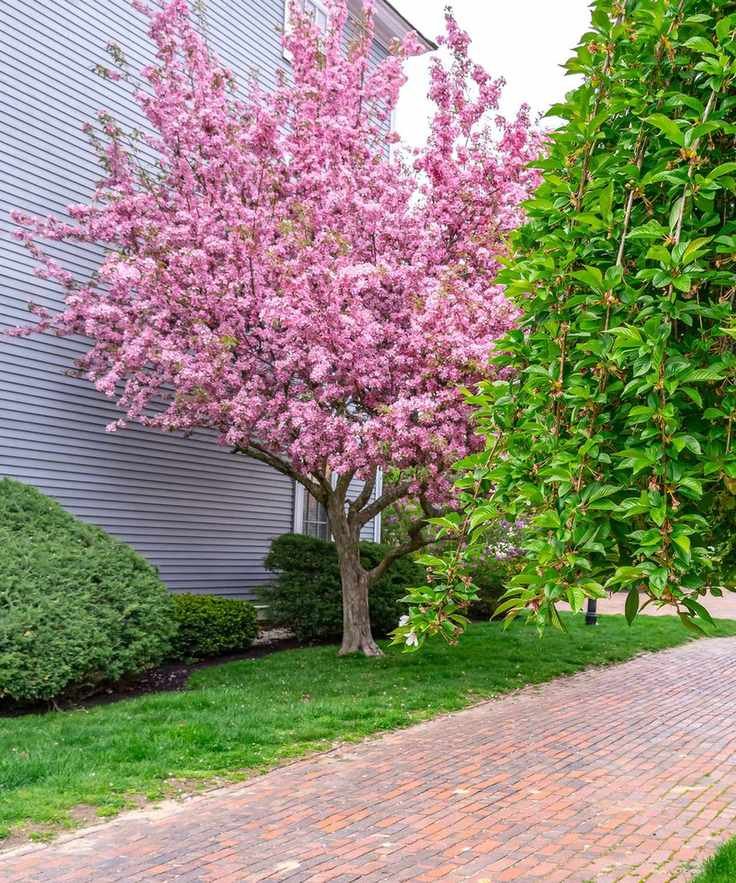
The Judas tree takes years to flower
Different trees grow at varying rates, which is crucial when deciding what to plant. Slow-growing varieties like Japanese acers and Judas trees can take years to reach full size.
Fast-growing trees like eucalyptus and Leyland cypress can grow 3-6 feet annually. Some, including the handkerchief and Judas trees, take several years before they flower.
5. Visual Appeal Throughout the Year
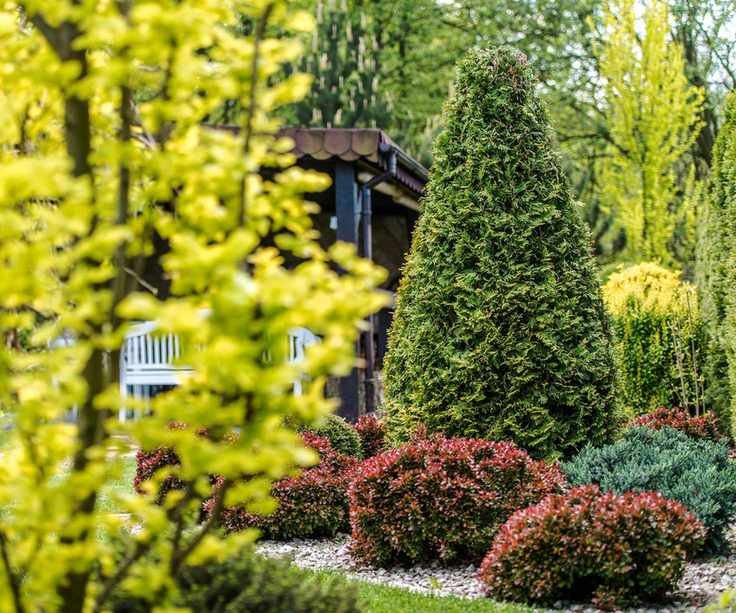
Evergreen trees provide year-round interest
Consider how your tree will look throughout the seasons. If your goal is to create a permanent screen, select a tree that retains its foliage year-round.
For limited space, opt for trees that provide seasonal interest. Evergreens like holly and yew can serve as hedges, while trees with attractive bark, such as Acer griseum, offer year-round beauty.
For a tree that combines features, Arbutus x reyorum 'Marina' has evergreen leaves and cinnamon bark, producing stunning autumn flowers and fruit, albeit with slow growth.
Check out the Marina Strawberry Tree at Nature Hills.
6. Support Local Wildlife
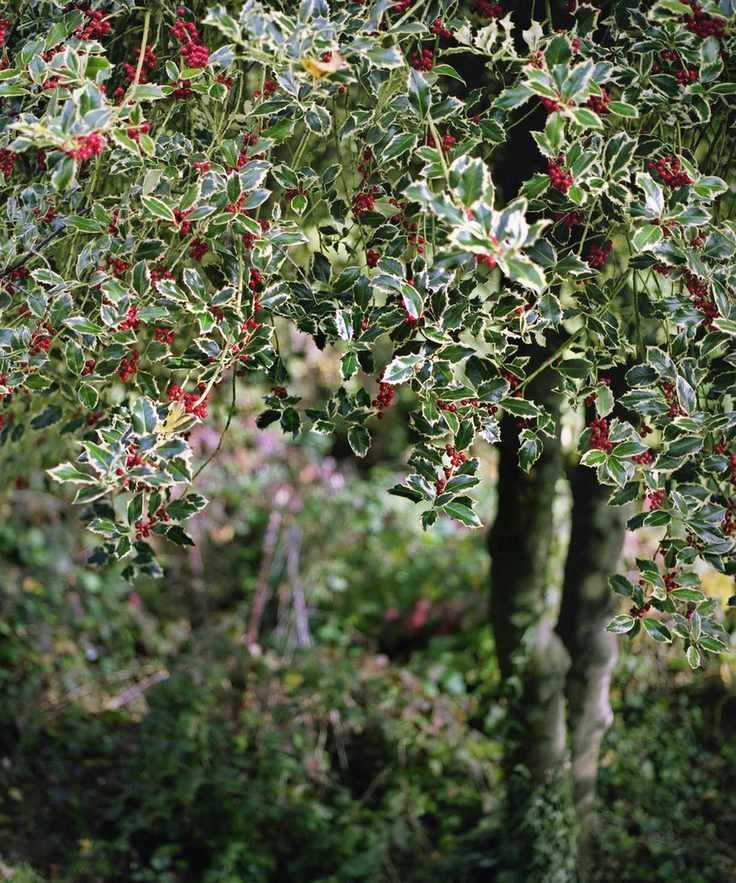
Wildlife-friendly trees attract various insects and birds. Choose trees that provide food and habitat for diverse animals.
Rowans like Sorbus vilmorinii 'Pink Charm' and crabapples such as Malus 'Adirondack' offer blossoms for bees and fruit for birds. Consider quick-growing trees to support pollinators.
Trees with red berries, like hollies (Ilex aquifolium 'J.C. van Tol'), provide shelter and winter food, while birch trees like Betula utilis subsp. albosinensis 'Pink Champagne' support birds and insects.
7. Use Container-Grown Trees in Limited Spaces

In small yards, patios, or balconies, container-grown trees may be your best option. Compact varieties thrive in pots.
Small Japanese maples like 'Beni-maiko' are perfect for containers, as are bay trees shaped into lollipop standards.
Dwarf apple trees are also great for pots. Tony notes that some larger trees adjust well to container life, developing into healthy small trees. Recommended options include Ginkgo biloba and Albizia julibrissin.
8. Plant Fruit Trees for Fresh Produce
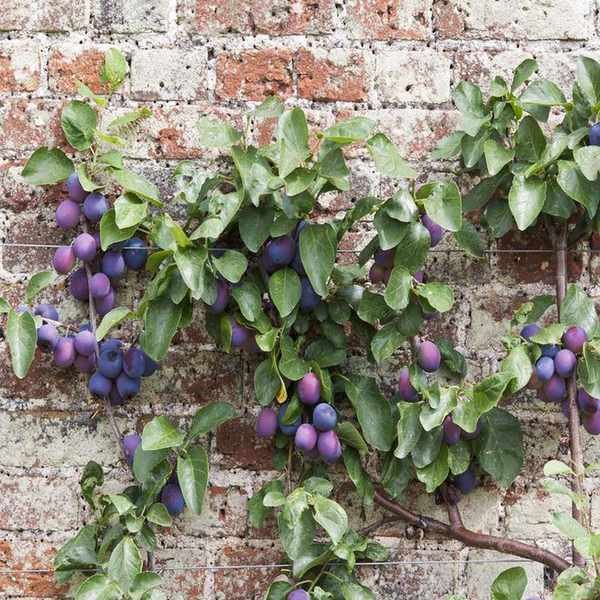
Fruit trees are beautiful and provide delicious yields. Many dwarf varieties are available for small spaces, so don't shy away from growing fruit.
Apple trees are excellent choices due to their stunning blossoms and fruit.
However, fruit trees require pruning, making them less ideal for those seeking low-maintenance options.
9. Timing Your Planting

Container-grown trees can be planted at any time, but for best results, do so between October and April.
Root-ball and bare-root trees are best planted from fall through winter. Always purchase from reputable nurseries to ensure quality.
10. Avoid Overly Large Species
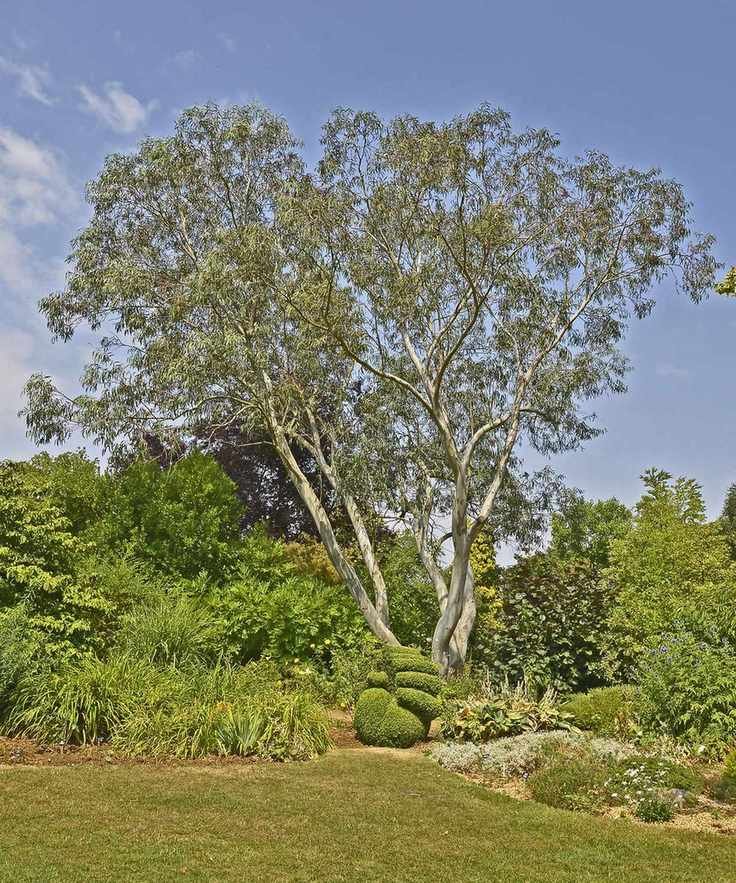
Unless you have ample space, steer clear of large species like oak and cedar that can overshadow your home. Eucalyptus can rapidly reach 80 feet, leading to potential disputes with neighbors but can be managed with pruning.
Frequently Asked Questions
How Far Should a Tree Be From a House?
Determine the mature height of the tree and plant it three-quarters of that distance from your home. For instance, a large tree like an English oak (Quercus robur) that can grow to 100 feet should be planted no less than 75 feet from the house.
Which Trees Provide Structure?
Cypresses develop columnar shapes, while monkey puzzles have a rigid structure. Some trees can be shaped or pruned into unique forms, such as pleached lime (Tilia platyphyllos 'Rubra') or clipped holly for decorative standards.
For adding structure without excessive shade, consider columnar trees like Amelanchier 'Obelisk' or pink-flowering cherries 'Spire'. If your yard is shaded, many shade-tolerant trees thrive in low-sun areas.
Every backyard, regardless of size, should strive to include a tree. They enhance air quality and contribute positively to sensory gardens, enriching our outdoor experiences.



