Planting trees not only beautifies your garden but also offers vital food and shelter to wildlife. The best trees for wildlife serve as homes for various creatures and contribute to a healthier ecosystem.
With their diverse bark textures, flowers, leaves, and fruits, trees are crucial in any wildlife-friendly garden. They attract and sustain a variety of birds, insects, small mammals, and reptiles, enhancing the biodiversity of your yard and surrounding area.
Regardless of your yard's size, planting just one tree can introduce height and character to your space, enriching it with vibrant colors, unique shapes, and textures. There are numerous options for smaller gardens, including trees that thrive in the ground, raised beds, or large pots.
This is especially crucial in urban settings where food and nectar sources are limited, and nesting spots can be hard to find. Trees also help purify the air, provide shade and privacy, and dampen noise, making our outdoor spaces more serene.
For larger gardens, incorporating a variety of deciduous and evergreen trees will expand the habitats available, attracting a broader range of wildlife. Planting an orchard with apples and fast-growing fruit trees can be a rewarding endeavor, yielding delicious crops while also serving as a food source for local animals.
Coniferous and evergreen trees are particularly valuable in colder regions, providing shelter for deer and other mammals during harsh winters. These trees can help keep the ground free of snow, allowing birds and other creatures to find food.
Best Trees for Supporting Wildlife and Biodiversity

Discover which trees will attract birds, pollinators, and other wildlife while adding year-round beauty to your garden.
Hackberry (Celtis occidentalis)

This attractive tree not only showcases stunning fall foliage and smooth gray bark but also makes a bold statement in any garden. It can be grown as a standalone specimen or in small clusters, reaching heights of 30 to 50 feet. This Hackberry variety is available for purchase at Nature Hills.
'This vase-shaped shade tree attracts birds with its sweet, purplish-red fruit during fall and winter,' says Wisconsin landscape designer James M Drzewiecki. 'Hackberries are resilient, resistant to many diseases, and can thrive in challenging urban environments, making them an excellent choice for streetscapes.'
These trees provide nesting spots for birds, while their broad canopy offers shelter for rabbits, deer, and game birds.
Apple Serviceberry (Amelanchier x grandiflora)
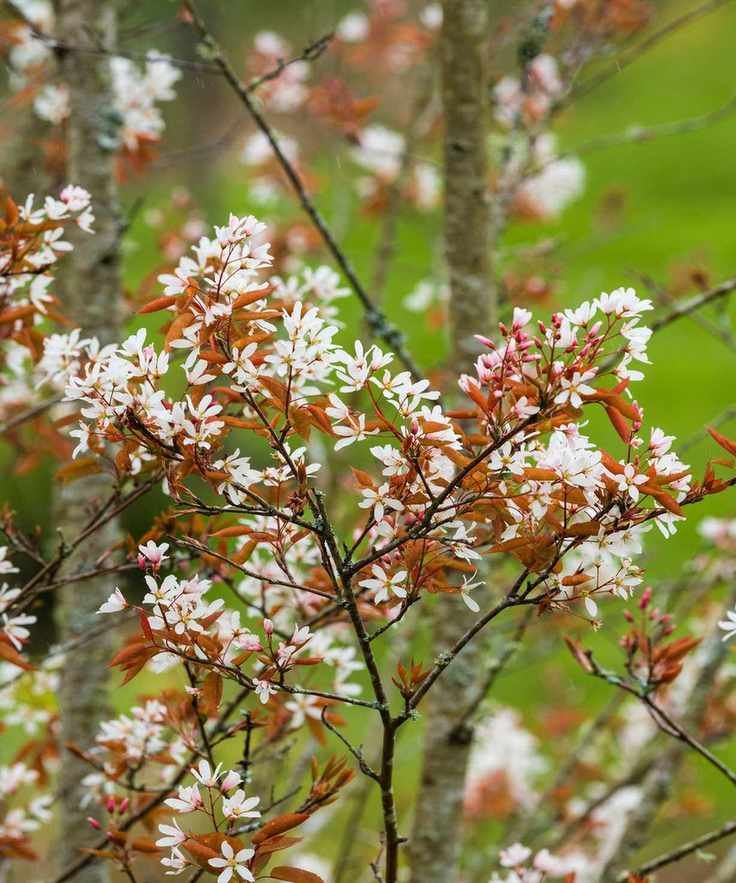
This tree is adored by birds for its succulent blue-black fruits and offers plenty of garden benefits throughout the year. The oval, bronze-tinged leaves emerge in spring, followed by an abundance of starry white flowers, which mature to blue-green and turn brilliant red in autumn.
Landscape designer James M Drzewiecki describes it as: 'A small tree, also known as Juneberry, named for its plentiful blueberry-like fruit produced in early summer. Plant this tree near your home or on a woodland edge to attract birds to the fruit.'
Opt for a sunny or partially shaded location for this compact tree, which typically grows to heights of 20 to 25 feet. Protect young trees from deer, which may nibble on the smooth silver-gray bark, especially in rural areas. You can choose between single trunk or multi-stemmed varieties.
White Oak (Quercus alba)
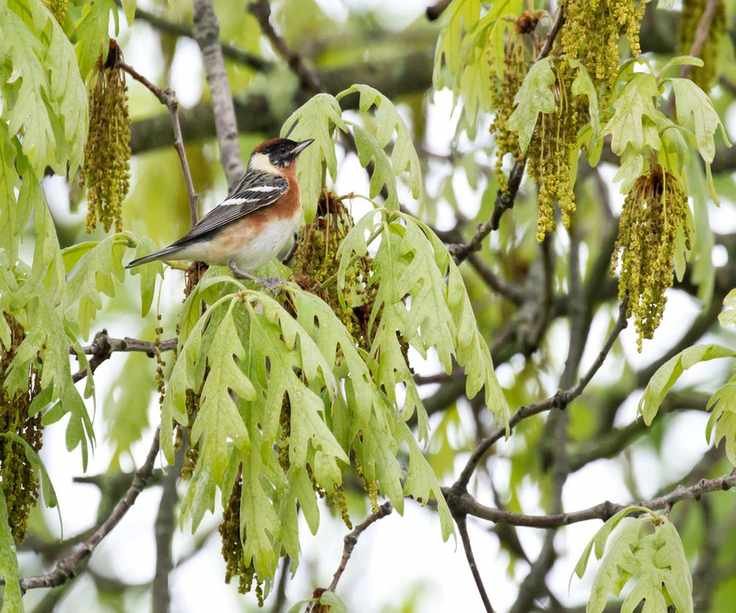
This slow-growing native tree has a broad crown and vibrant red-purple foliage in the fall, thriving in various locations across the Eastern states. Its distinctive leaves feature 7-10 rounded lobes and create a dense canopy in late spring and summer, providing shelter for nesting birds and mammals.
New York designer Amber Freda notes: 'Oak trees are robust, long-lived staples in American landscapes and produce acorns, which local squirrels appreciate immensely.'
In fact, around 180 species of birds and animals rely on acorns for food, making this tree an excellent choice for wildlife. 'It could be argued that all oaks in the Quercus family support more biodiversity than any other plants,' continues James M Drzewiecki. 'Caterpillars particularly depend on them, fostering a healthy bird population.'
This tree, while slow to grow, requires ample space and well-draining soil, free of boulders. It can reach heights of 65 to 98 feet (20 to 30 meters) and will be a garden highlight for decades, possibly a century or longer. Therefore, plant it thoughtfully, ensuring it is distant from buildings, pipes, and paved areas.
Redbud (Cercis canadensis)

This stunning tree, the state tree of Oklahoma, bursts with bright pink flowers on bare branches in spring.
'These blossoms attract both bees and hummingbirds, while many species, including turkeys, cardinals, deer, and squirrels, feed on the seeds later in the year,' explains James. 'Redbuds typically grow to around 25 feet, making them perfect understory trees around buildings.'
Thriving in full sun but adaptable to some shade, plant this tree where you can appreciate its vibrant blooms and the wildlife it attracts. The leaves of this deciduous tree emerge red, transition to deep plum, and eventually turn vivid shades of purple, orange, and scarlet. Young trees may face challenges from rabbits, so consider using a rabbit guard like this one from Amazon to protect the lower trunk.

James founded his landscape design firm, Ginkgo Leaf Studio over 16 years ago. He combines his love for plants and nature with his design expertise to create innovative outdoor spaces for clients, emphasizing that exceptional landscaping starts with great design. He recently retired after 24 years as a horticulture instructor at Milwaukee Area Technical College.
Eastern Red Cedar (Juniperus virginiana)
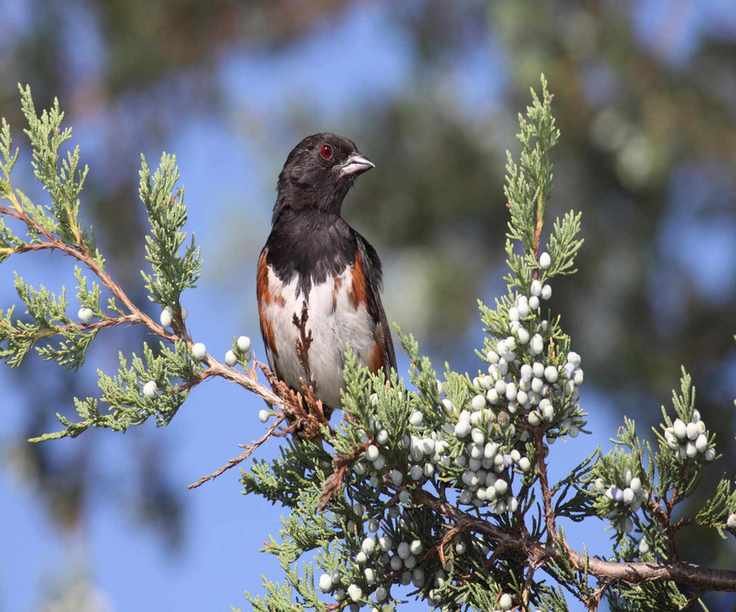
This cedar tree, also known as evergreen juniper, boasts dense foliage, fibrous bark, and tasty silver-blue berries in late fall, making it a magnet for wildlife. With its sage green needle-like leaves, it has a striking columnar shape that stands out on the edge of woodlands or as a solitary feature.
The thick canopy offers essential shelter for nesting birds, moths, butterflies, and small mammals. Its silver-blue berries and fibrous red bark are also attractive to various wildlife. 'The berries of red cedars, also known as junipers, are sought after by both birds and humans (they're even used in gin production),' explains designer Amber Scott Freda.
Over 50 species of birds feast on the fruits that appear in late fall, including mockingbirds, bluebirds, wild turkeys, goldfinches, robins, ruffed grouse, and grosbeaks. Various mammals, including rabbits, meadow mice, raccoons, possums, and skunks, also enjoy these berries, making this tree a lively addition to any garden.
These hardy trees can grow up to 39 feet tall, with a spread of 13 to 26 feet, so they require ample space, ideally in a sunny location. Plant them at least 1,000 feet away from apple trees to prevent the spread of cedar-apple rust.

Amber Freda specializes in designing and installing roof gardens, terraces, backyards, patios, and decks, primarily serving Manhattan, Brooklyn, and Queens. She has taught numerous horticulture classes at both the New York and Brooklyn botanical gardens.
Southern Live Oak (Quercus virginiana)

This fast-growing species, native to warmer regions like Florida, Texas, and Oklahoma, is often cultivated for its distinctive sprawling shapes, leathery leaves, and hanging green catkins.
Extremely long-lived and resilient to drought and wind, they support a wide variety of wildlife.
Tim Sallin, Co-CEO of the horticulture and landscaping company Cherrylake, explains: 'Every year, the live oak produces a substantial amount of acorns, which are vital food sources for birds, squirrels, and other small mammals. These acorns also provide nourishment for arthropods, wasps, and microorganisms.
'From their towering canopies to their sprawling root systems, live oaks transform their environments to support diverse life both above and below ground.'
Simpson's Stopper (Myrcianthes fragrans)

This Florida native is an easy-to-grow tree that is popular among both wildlife and gardeners. Its evergreen leaves, spring blossoms, and colorful berries provide year-round interest and can be shaped into an elegant feature, shrub, or hedge.
'In Florida's coastal regions and hammocks, the Simpson Stopper enhances the landscape with its fragrant flowers and abundant berries,' continues Tim Sallin. 'This small tree is a biodiversity treasure, attracting butterflies and bees with its blossoms. Its sweet scent pleases both humans and wildlife. The berries serve as a crucial food source for many bird species, fostering a harmonious relationship with nature.'
While its dense canopy draws numerous birds, including blue jays, mockingbirds, and cardinals, gardeners also appreciate its outer bark, which sheds to reveal a striking reddish-brown layer underneath.
Yaupon Holly (Ilex vomitoria)

This fast-growing southeastern native features a dense cluster of glossy, oval leaves and is highly adaptable in any yard. It can be trained as a standard evergreen tree, hedge, or shrub, thriving in various soil types, including those with high salt content, and tolerating both sun and shade.
Plants are either male or female, and while both types produce greenish-white flowers in the spring, only the female plants develop clusters of shiny red and orange berries when pollinated by a male.
'Birds, bees, and small mammals flock to this tree, attracted by its abundant blossoms and tasty berries,' Tim notes. 'In winter, its thick evergreen canopy offers ideal shelter for wildlife seeking refuge and nesting spots. This versatile tree rejuvenates the ecosystem while serving as a sanctuary for countless creatures.'
He adds: 'The Yaupon Holly is unique as the only naturally caffeinated plant native to North America, with its leaves yielding a tea that contains caffeine levels one-third as strong as coffee.'
This tree is among the most visually striking trees with red berries, with numerous varieties available, but 'Pride of Houston' is particularly known for its heavy berry production.

Tim Sallin is the Co-CEO of Cherrylake, an environmentally conscious horticulture and landscaping firm. He also serves as Co-CEO at IMG Citrus, Florida's largest grapefruit grower and citrus packer. Tim is dedicated to promoting sustainable landscapes and regenerative agricultural practices in Florida.
Red Mulberry (Morus rubra)
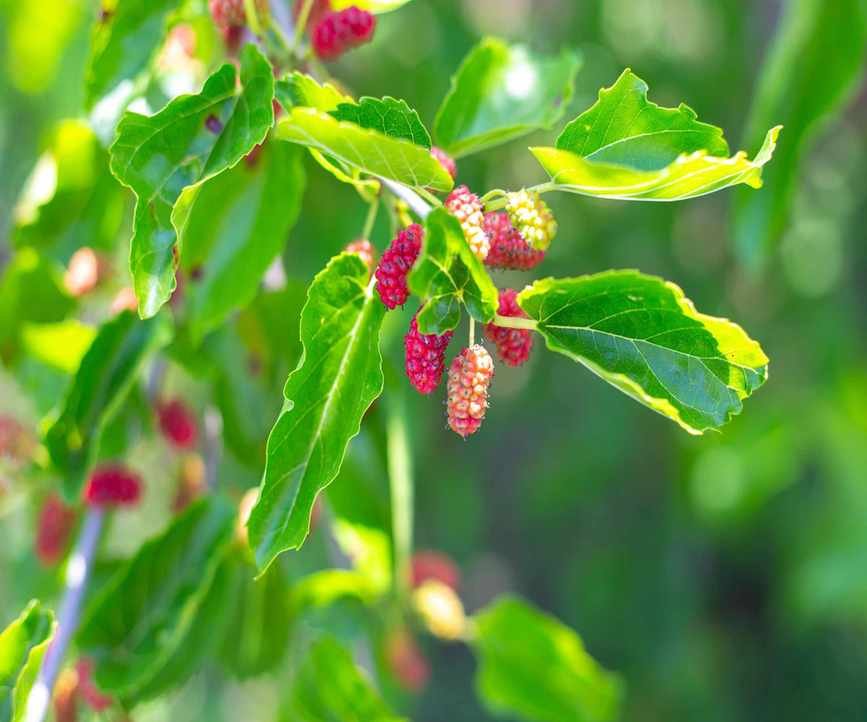
This upright tree can grow between 26 and 40 feet tall with a spread of 13 to 26 feet, making it a striking feature in any landscape. Its dark oval leaves turn bright yellow in fall. Pale green catkins appear from early May to June, transforming into sweet dark red-purple berries that birds, squirrels, and deer love in late spring and early summer.
Fast-growing, this tree also serves as a valuable host for butterflies and moths. Its leaves provide a tasty treat for deer, while the bark offers an ideal breeding ground for larvae of certain long-horned beetles, attracting woodpeckers that scavenge for food.
Bee-bee tree (Tetradium daniellii)

Also known as the Korean Bee Tree, this fast-growing tree shines in mid to late summer with its clusters of fragrant ivory blooms.
These highly scented flowers, produced by female plants, draw in bees and other pollinators while providing a bountiful supply of nectar at a time when it is often in short supply. The flowers eventually give way to eye-catching pink-purple pods bursting with black seeds that many birds enjoy.
Thriving in USDA hardiness zones 4-8, this tree can grow up to 25 feet tall and prefers full sun, adapting well to most soil types. Its dark green oval leaves provide shelter and cast dappled shade below, shedding while still green in the fall.
The Bee-bee tree is listed as a 'watch list' species in many states due to its wide distribution by birds and easy germination, but it is not considered invasive.
FAQs
Can I plant small trees that attract wildlife?
If you're inspired to discover more ways to attract wildlife to your backyard, consider exploring the best hedges for wildlife or look into other methods to rewild your garden, including adding plants that attract butterflies and bees.