Choosing the right plants for a butterfly garden goes beyond mere aesthetics; it's a crucial way to support our ecosystem. Over the past five decades, butterfly populations have plummeted due to habitat loss, modern agricultural practices, and climate change. These delicate creatures serve as vital indicators of biodiversity, embodying the butterfly effect, where small changes can lead to significant impacts.
To support butterflies, gardeners can create dedicated butterfly borders filled with nectar-rich flowers for adults and host plants for caterpillars. Effective butterfly gardening involves selecting appropriate flora and considering the entire environment. Well-planned gardens can form corridors for butterflies to travel between wild areas, facilitating mating and reproduction. Female butterflies require specific plants in suitable conditions to lay their eggs, meaning a thriving garden can host all life stages: eggs, caterpillars, pupae, and adults.
Many butterfly species exist, but we should focus on attracting those most likely to visit. Here's a curated list of the best plants that not only enliven your garden but also foster a healthier environment.
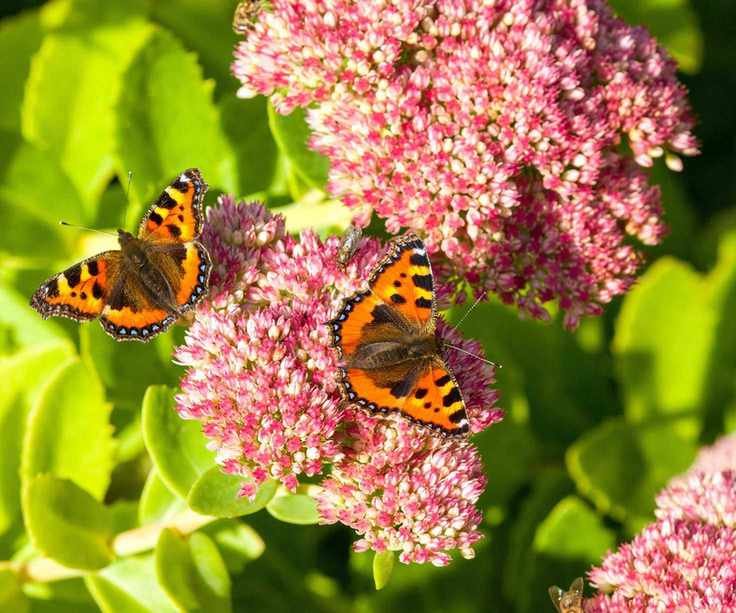
Floral perennials like sedums attract butterflies such as small tortoiseshells.
16 Beautiful Plants for Your Butterfly Garden
To successfully establish a butterfly-friendly garden, you need to provide a variety of nectar-rich blooms from early spring through fall. Propagate plants by seed or cuttings to create abundant nectar sources.
We love the beauty and movement of butterflies, who seek sunshine, sweet nectar, and shelter from storms.
Explore several butterfly garden plants available.
1. Aubrieta 'Cascade Purple'
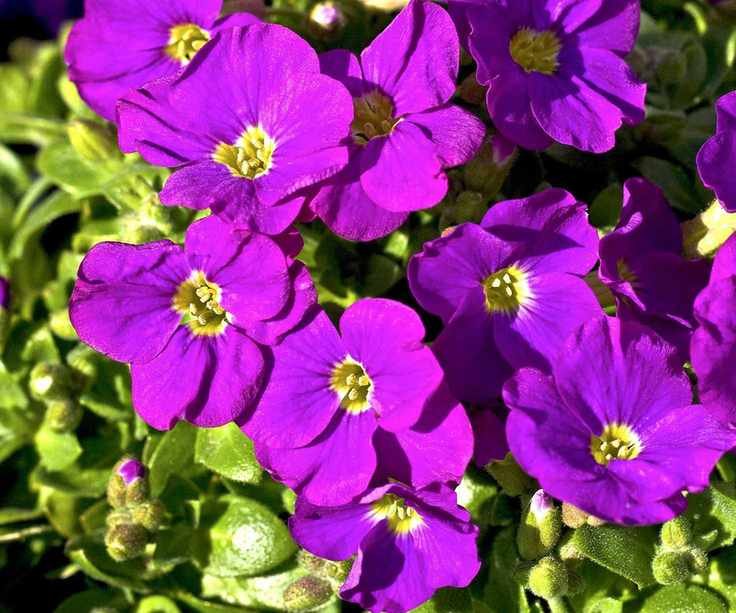
Aubrieta 'Cascade Purple'
- Hardiness: USDA 6b/7a
- Height: 4in
- Spread: 18in
- Ideal for: Rock and dry gardens
One of the finest choices for butterfly gardens, Aubrieta 'Cascade Purple' (available from Walmart) is a mat-forming plant that thrives in spring, blanketing gardens in vibrant purple flowers. Pair it with candytuft (Iberis gibraltarica) and maiden pinks (Dianthus deltoides) for a delightful nectar-rich area that supports awakening butterflies.
Prune after flowering to maintain compact growth, and take cuttings in summer for increased blooms.
2. Doronicum plantagineum 'Excelsum'
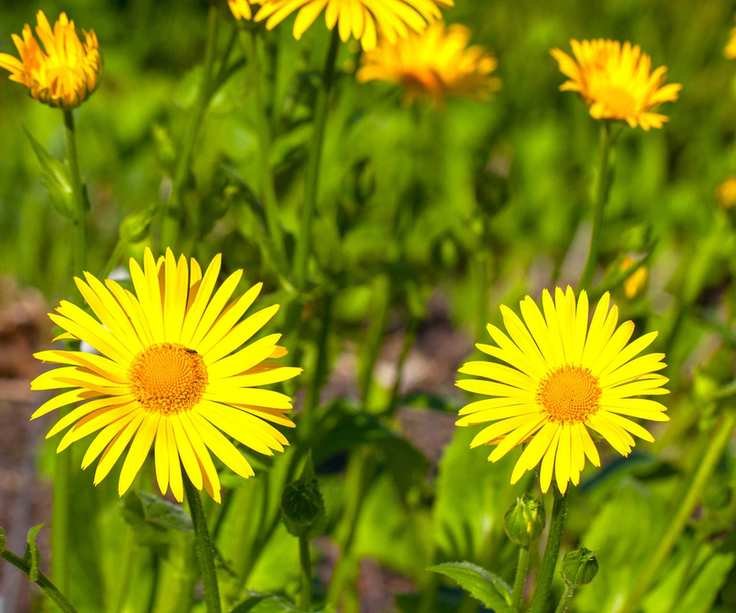
Doronicum plantagineum 'Excelsum'
- Hardiness: USDA 7b/8a
- Height: 30in
- Spread: 30in
- Ideal for: Partial shade
While it may not be the first choice, dandelions are among the best plants for early butterflies. Pollinators like peacocks enjoy basking on their sunny heads. If you prefer a cultivated option, leopard's bane boasts large yellow flowers that are equally attractive.
Doronicum plantagineum 'Excelsum' pairs beautifully with snowflakes (Leucojum aestivum) and flourishes in partial shade. These easy-to-divide plants offer rich nectar sources in the garden.
3. Lunaria annua var. albiflora AGM
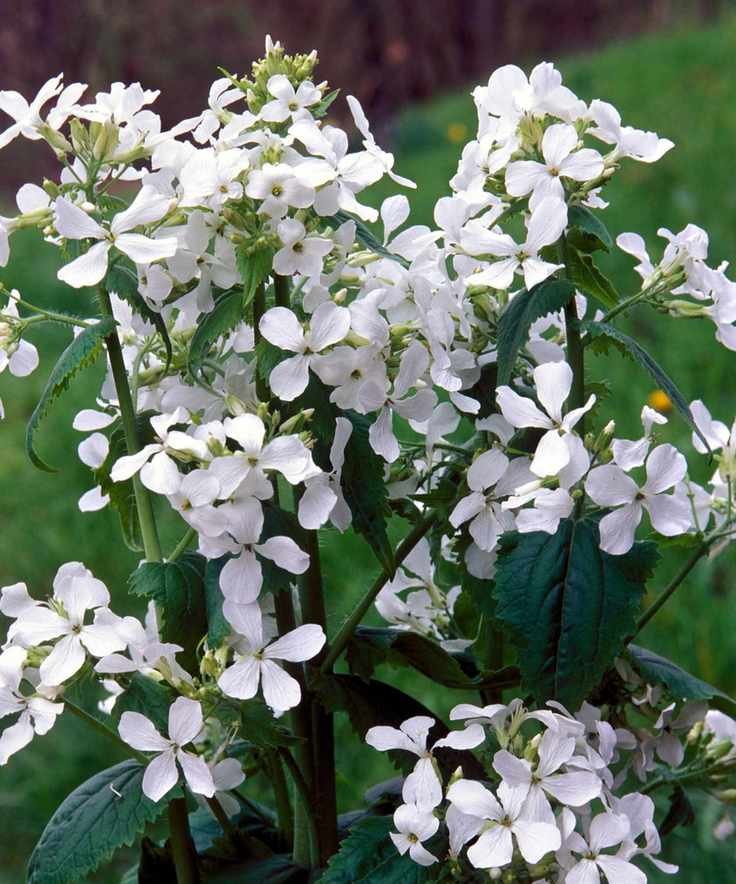
Lunaria annua var. albiflora AGM
- Hardiness: USDA 6b/7a
- Height: 18-36in
- Spread: 12in
- Ideal for: Hedges and roses
Honesty is a biennial that thrives from seed sown in late spring or early summer. Plant in late summer or fall to create rosettes that bloom the following year, followed by attractive seed pods.
Place Lunaria annua var. albiflora AGM at the base of hedges or near roses, as orange tip butterflies lay eggs on these plants.
4. Anaphalis margaritacea
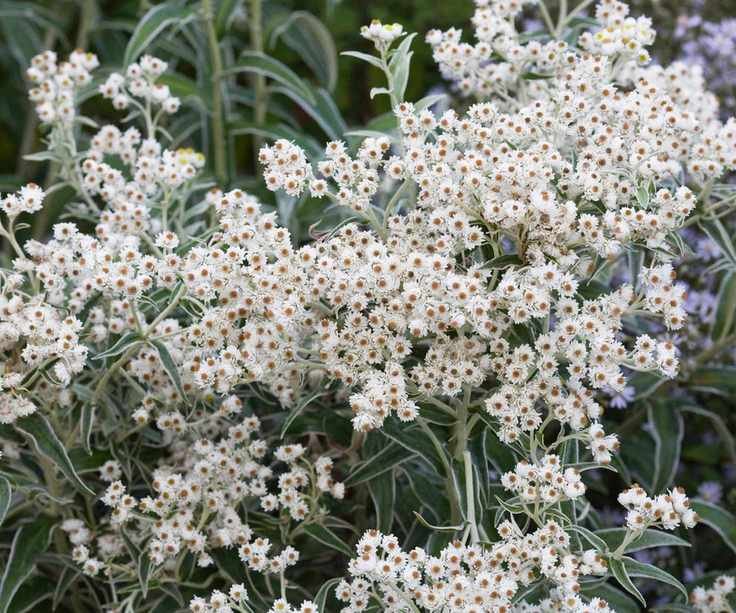
Anaphalis margaritacea
- Hardiness: USDA 1-6a
- Height: 3ft
- Spread: 3ft
- Ideal for: Butterfly borders
Known as pearl everlasting, this perennial is a fantastic summer nectar source. It's low-maintenance and attracts gatekeepers and meadow browns with its white flowerheads and silvery foliage.
Best grown in full sun with moist, well-drained soil, Anaphalis margaritacea can be easily propagated through division or cuttings in spring.
5. Origanum vulgare
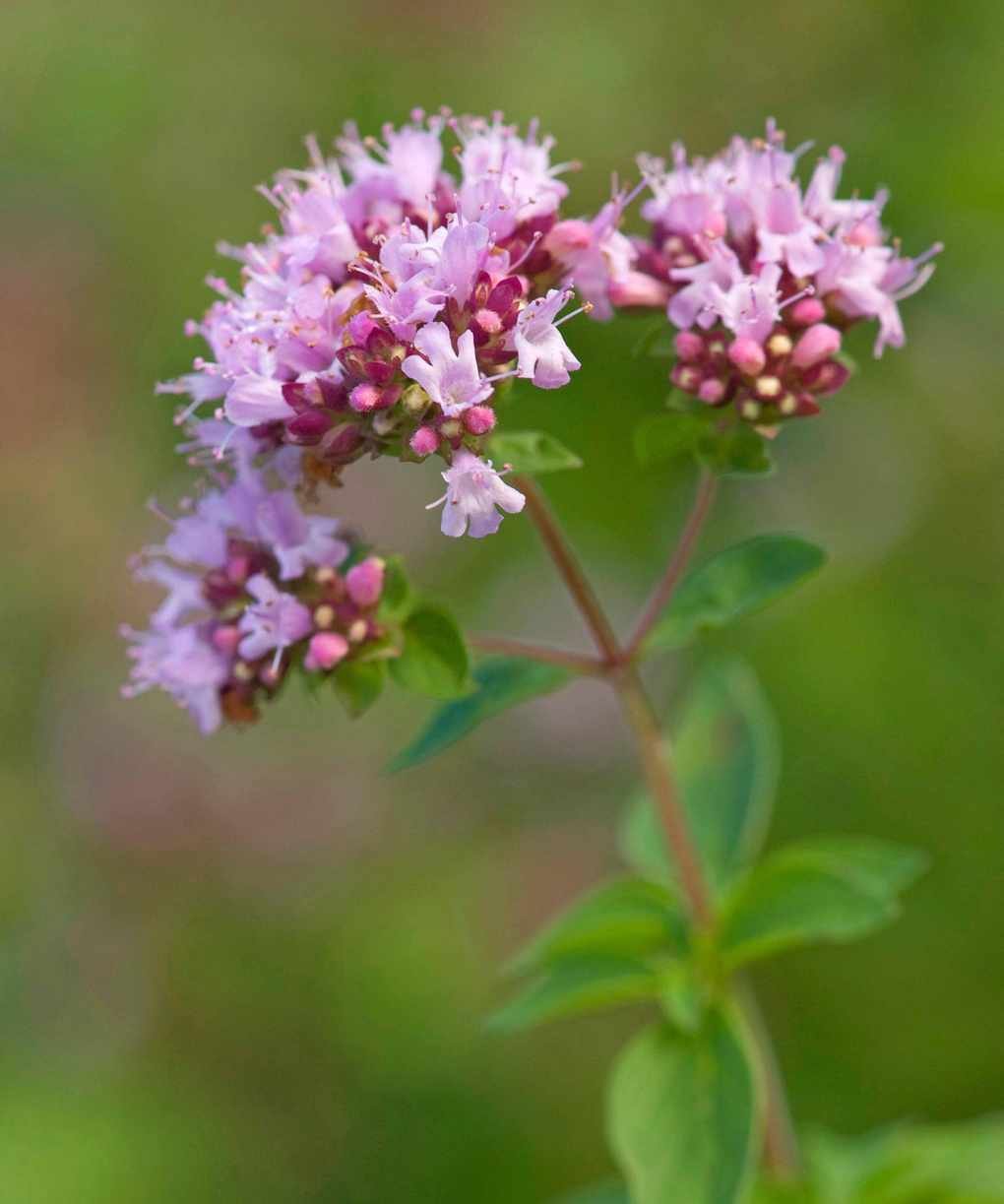
Origanum vulgare
- Hardiness: USDA 6b/7a
- Height: 30in
- Spread: 30in
- Ideal for: Summer borders
Many Mediterranean herbs are excellent for attracting insects, with oregano being the standout choice. English marjoram (Origanum vulgare, available at Burpee) can be grown from seed or cuttings, creating lovely clumps for summer nectar sources.
Pink flowers attract a variety of pollinators, especially blues and small coppers, making them a perfect choice for a dedicated herb garden.
6. Echinacea purpurea 'Fragrant Angel'
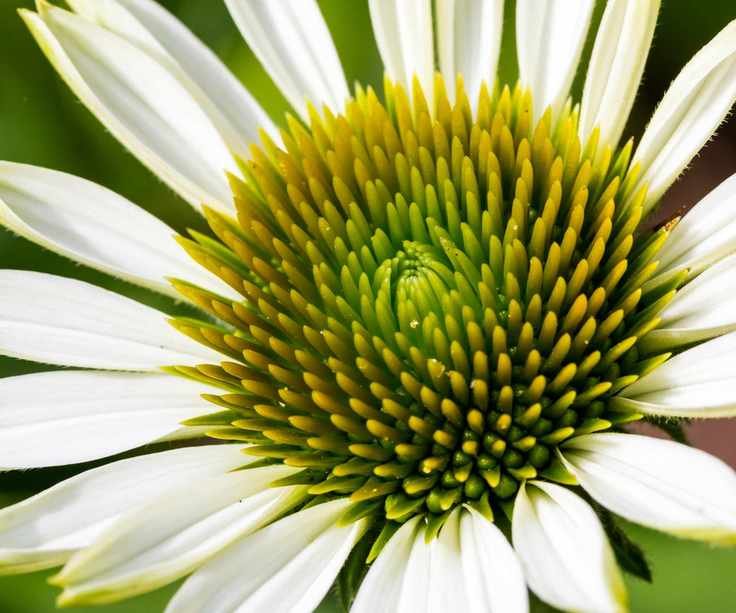
Echinacea purpurea 'Fragrant Angel'
- Hardiness: USDA 7b/8a
- Height: 3ft
- Spread: 18in
- Ideal for: White floral themes
Open-flowered coneflowers are perfect for attracting butterflies, with many options available in pink, lilac, yellow, and warm apricot. This white cultivar emits a honey scent when warmed by the sun.
As a self-supporting perennial that thrives in rich, well-drained soil, Echinacea purpurea 'Fragrant Angel' also ranks among the best perennials for gardens.
Find a variety of Echinacea purpurea varieties at Nature Hills.
7. Eupatorium maculatum 'Riesenschirm' AGM
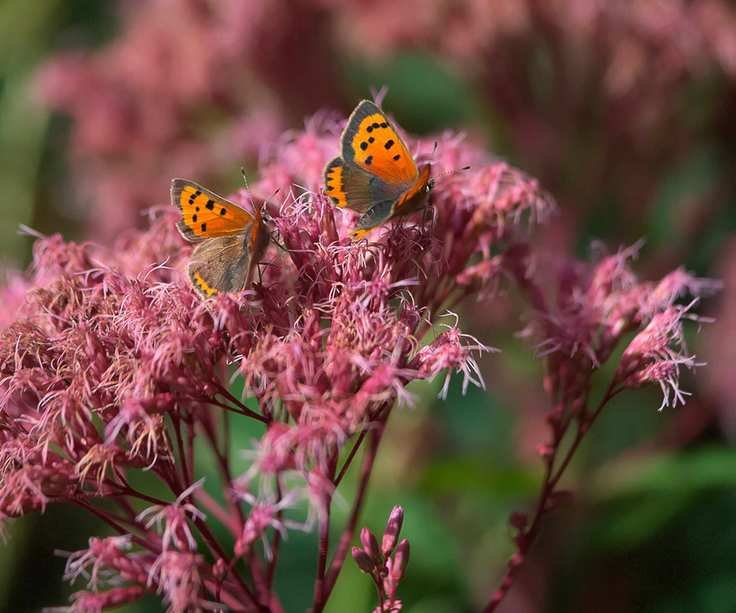
Eupatorium maculatum (Atropurpureum Group) 'Riesenschirm' AGM
- Hardiness: USDA 1-6a
- Height: 6ft
- Spread: 5ft
- Ideal for: Fall themes
Hemp agrimony (Eupatorium cannabinum) often volunteers in gardens, attracting bees and butterflies alike. Joe Pye weed, known for its various cultivars, is also among the finest plants for butterflies.
Eupatorium maculatum 'Riesenschirm' AGM produces a mass of wispy wine-red flowers from summer into fall, enhancing any garden with its striking appearance.
8. Symphyotrichum 'Prairie Purple'
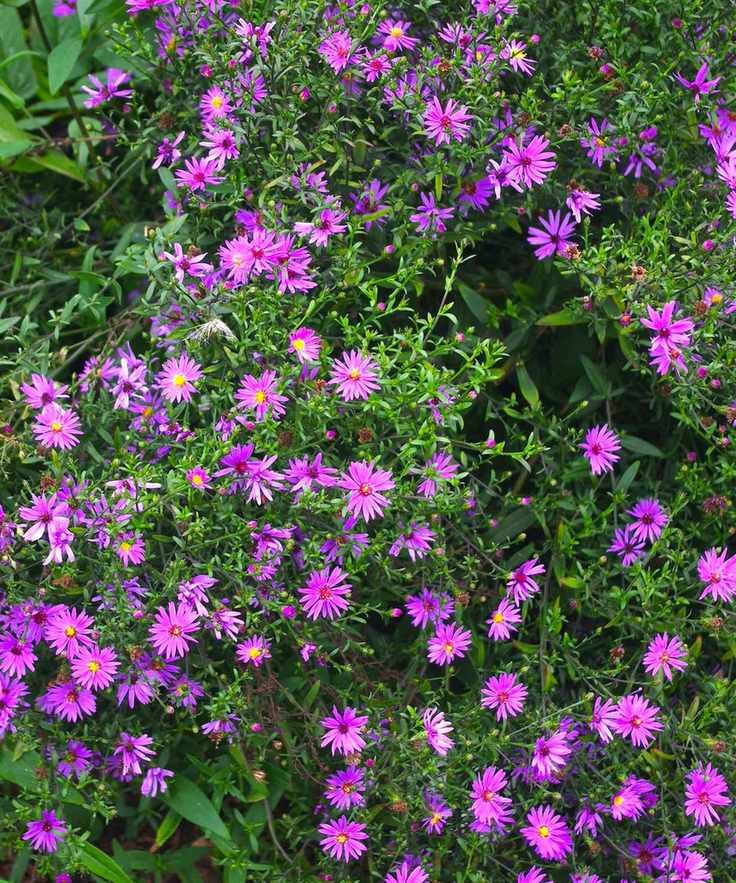
Symphyotrichum 'Prairie Purple'
- Hardiness: USDA 1-6a
- Height: 4ft
- Spread: 18in
- Ideal for: Purple floral themes
This aster is an exceptional choice for adding purple hues to your garden while providing nectar from summer into fall. Symphyotrichum 'Prairie Purple' features dark green stems and beautiful purple flowers, thriving in well-drained soil.
Propagate in spring through basal cuttings or division for best results.
9. Hylotelephium spectabile AGM
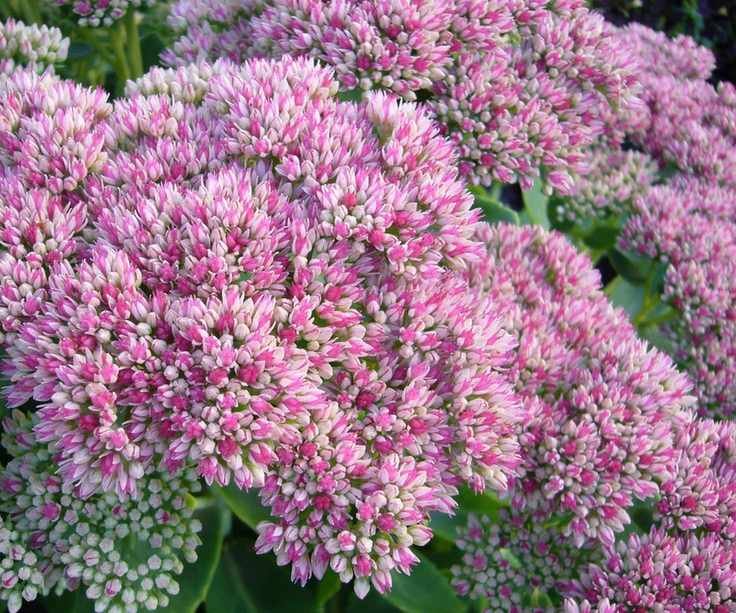
Hylotelephium spectabile AGM
- Hardiness: USDA 1-6a
- Height: 14in
- Spread: 14in
- Ideal for: Late-season butterflies
For those seeking attractive sensory garden plants, Hylotelephium spectabile AGM is a top choice. This ice plant is renowned for attracting late-season butterflies with its succulent leaves and clusters of pink flowers.
10. Buddleja davidii 'Blue Horizon' AGM
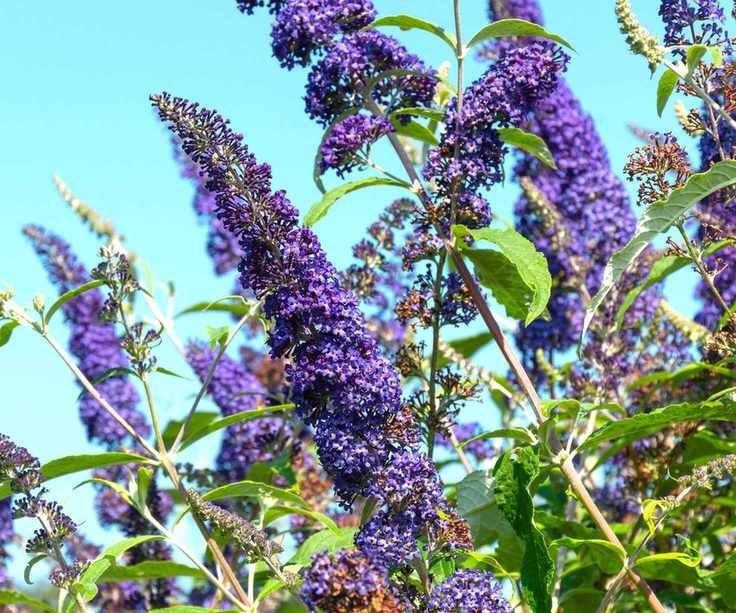
Buddleja davidii 'Blue Horizon' AGM
- Hardiness: USDA 6b/7a
- Height: 10ft
- Spread: 10ft
- Ideal for: Tall displays
Commonly known as the butterfly bush, Buddleja davidii 'Blue Horizon' AGM is exceptional for drawing in a variety of late butterflies with its fragrant, nectar-rich flowers.
This cultivar features neat, violet-blue blooms with orange eyes and can be pruned back in early spring to promote better flowering. However, be cautious, as butterfly bushes may be invasive in some regions.
11. Escallonia laevis Pink Elle
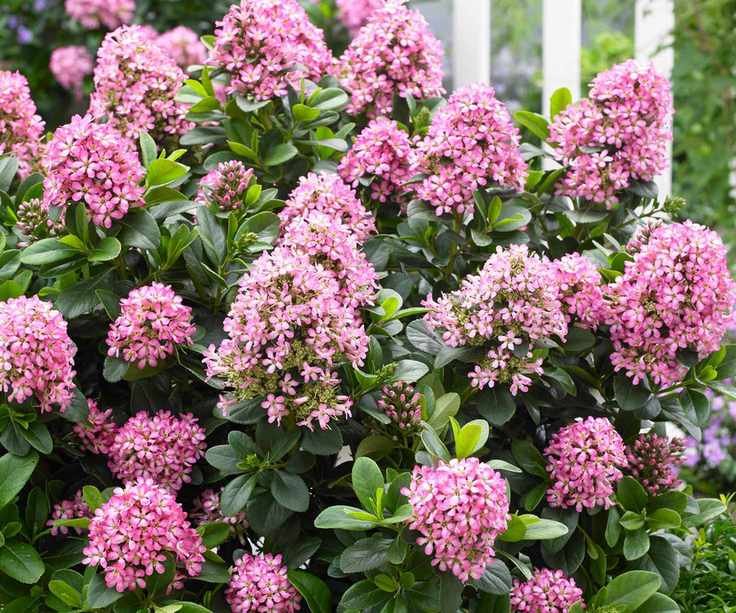
Escallonia laevis Pink Elle
- Hardiness: USDA 8b/9a
- Height: 4ft
- Spread: 4ft
- Ideal for: Decorative hedge displays
Escallonia laevis Pink Elle is a stunning evergreen shrub that produces large pink flower clusters during summer and fall, making it a gorgeous choice for any garden.
These hardy plants thrive in well-drained soil, either planted in the ground or in large containers.
12. Hebe 'Oratia Beauty' AGM
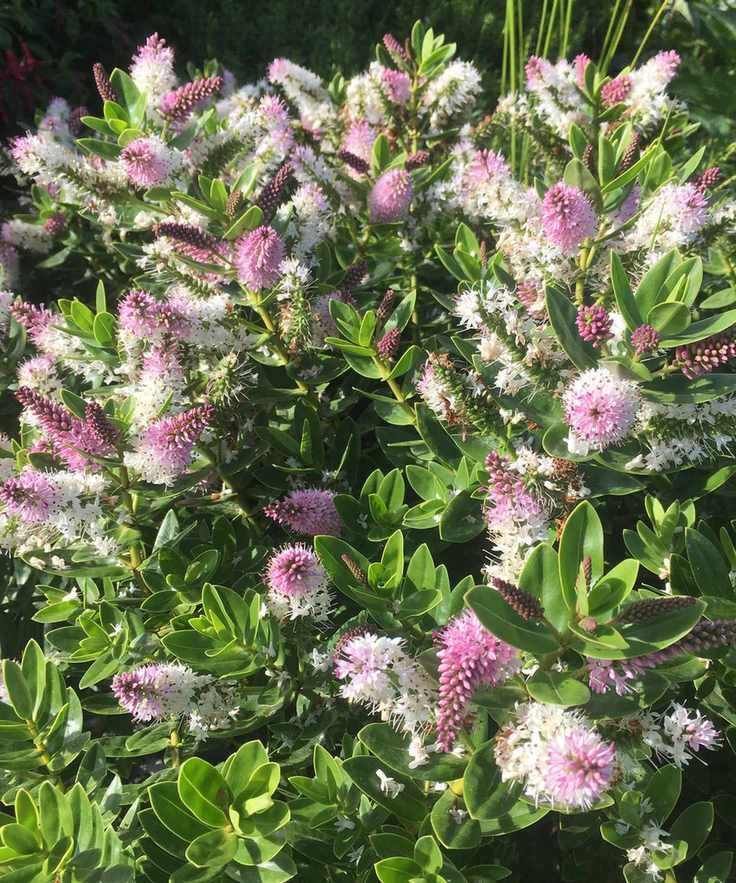
Hebe 'Oratia Beauty' AGM
- Hardiness: USDA 8b/9a
- Height: 3ft
- Spread: 3ft
- Ideal for: Variegated flowers
If you seek unique butterfly garden plants, consider Hebe 'Oratia Beauty' AGM. This small evergreen shrub from New Zealand attracts butterflies with its lovely flowers and glossy foliage.
Some varieties may be tender, but they can recover with hard pruning in late spring if frost damages them.
13. Ageratum houstonianum 'Blue Mink'

Ageratum houstonianum 'Blue Mink'
- Hardiness: USDA 10b
- Height: 9in
- Spread: 9in
- Ideal for: Sunny, sheltered spots
Ideal for containers, Ageratum houstonianum 'Blue Mink' is a great choice for sunny spots. This half-hardy annual blooms from spring to summer, showcasing fluffy flowers in shades of blue, white, or pink.
Regular feeding will ensure continuous blooms throughout the season.
14. Heliotropium arborescens 'Nautilus Blue' AGM
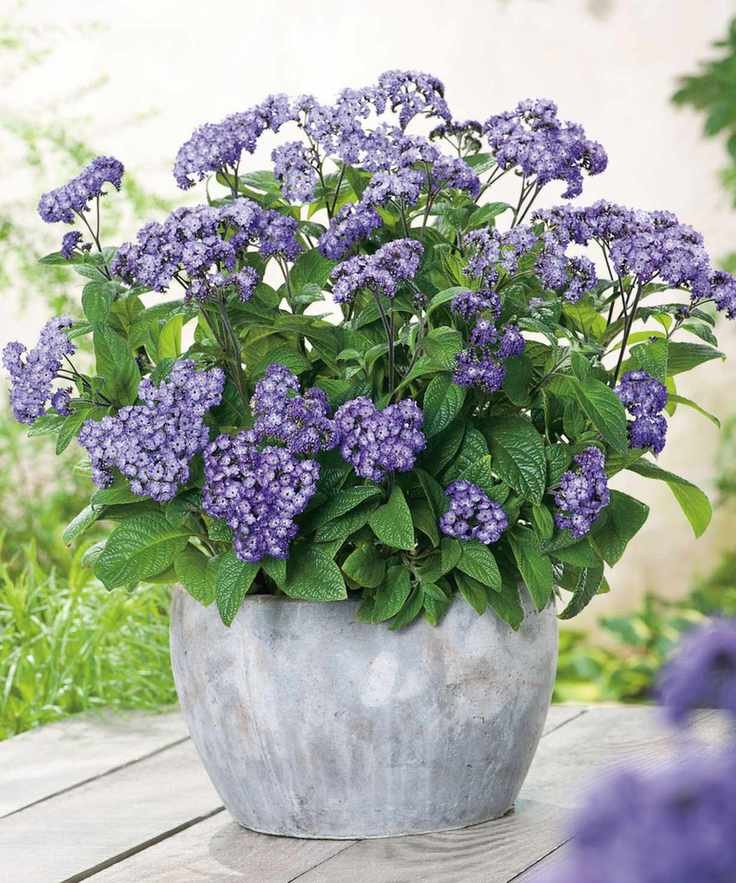
Heliotropium arborescens 'Nautilus Blue' AGM
- Hardiness: USDA 10b
- Height: 12in
- Spread: 12in
- Ideal for: Fragrant plantings
These charming, tender shrubs thrive in sunny locations, releasing a delightful fragrance described as cherry and vanilla when warmed. Heliotropium arborescens 'Nautilus Blue' AGM can be treated as an annual or overwintered in a cool, bright location.
15. Scabiosa Kudo Pink ('Ichpin')
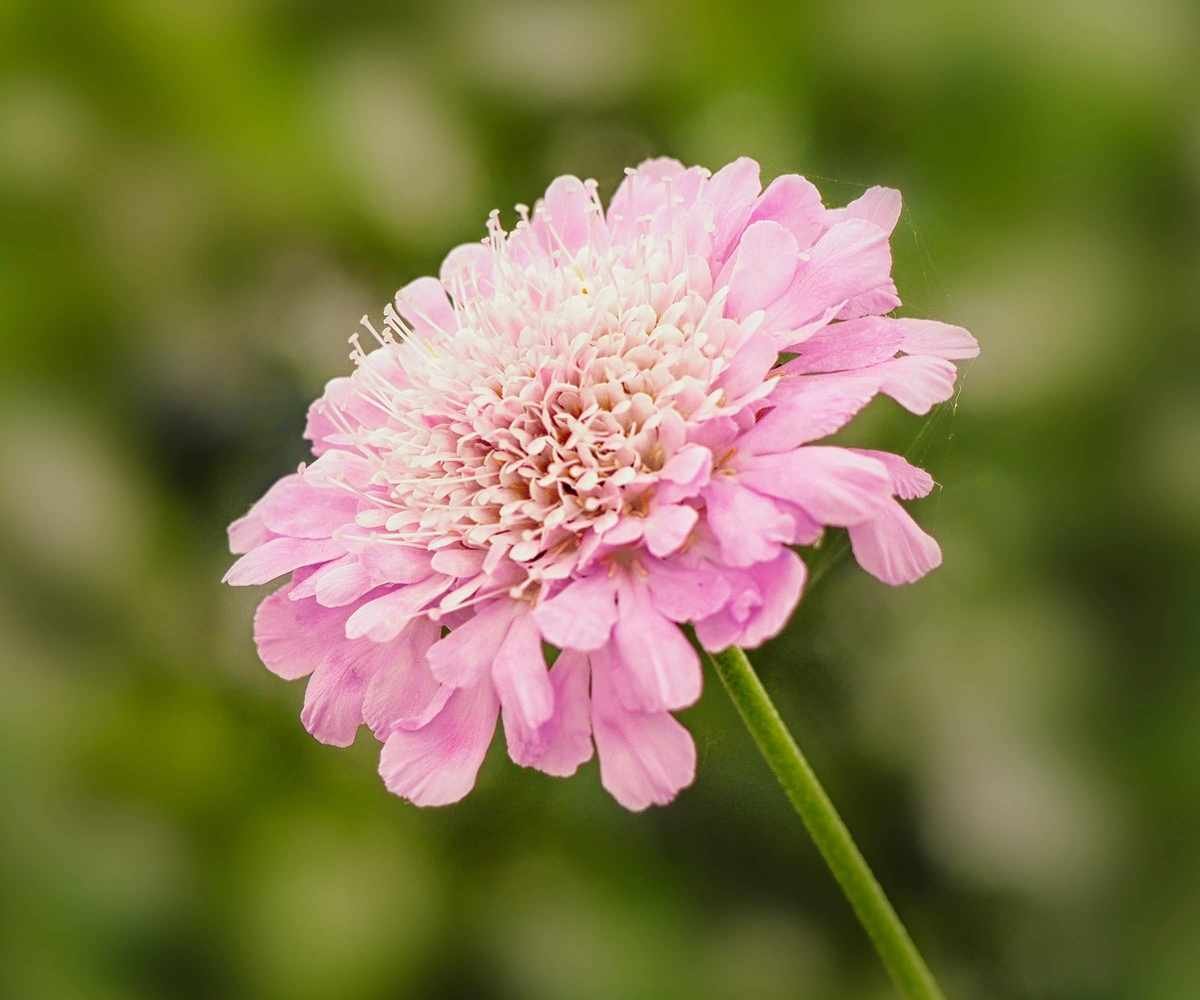
Scabiosa Kudo Pink ('Ichpin')
- Hardiness: USDA 7b/8a
- Height: 14in
- Spread: 12in
- Ideal for: Semi-evergreen planting
For a stunning bedding or container option, Scabiosa Kudo Pink ('Ichpin') is perfect. This semi-evergreen perennial blooms pink petals from spring to late summer on compact plants, thriving in full sun and well-drained soil.
Regular deadheading will enhance flowering longevity.
16. Verbena rigida AGM
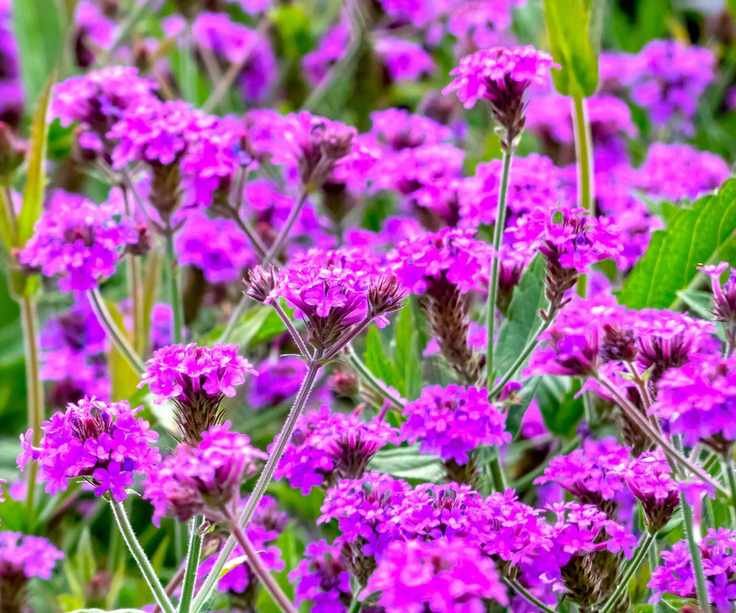
Verbena rigida AGM
- Hardiness: USDA 9b/10a
- Height: 2ft
- Spread: 12in
- Ideal for: Container gardens
Verbena rigida AGM is a fantastic choice for containers, resembling a smaller version of V. bonariensis. This perennial is tender yet often returns each year, producing purple flowers that attract pollinators.
Perfect for drought-tolerant gardens, these plants thrive in full sun and well-drained soil.
Essential Plants for a Butterfly Garden
Choosing the ideal plants for a butterfly garden involves several key considerations beyond floral choices. Ensuring the safe nurturing of eggs and caterpillars is crucial. Design your garden to be visually appealing while maximizing butterfly-friendly features to create a welcoming habitat for pollinators.
Consider leaving a section of your lawn unmowed to allow wildflowers and grasses like clover and selfheal to flourish. This area will provide nectar and food for caterpillars. When mowing, avoid cutting everything at once to protect any existing eggs, caterpillars, or pupae. Adding an old stump or shed can provide habitat for ivy and shelter for wildlife. Additionally, cultivating a herb garden can offer nectar-rich blossoms. Favor simple flower structures over complex doubles for optimal pollinator attraction. Aim for a continuous supply of nectar throughout the year.
Attracting Moths to Your Garden
Beyond butterflies, consider attracting nocturnal visitors like moths, which are equally fascinating. Many moth species exist, and while only a few fly during the day, they play an essential role in the garden ecosystem.
Moths are attracted to night-blooming plants such as honeysuckle, sweet rocket (Hesperis matronalis), evening primrose, and old-fashioned white tobacco (Nicotiana alata). Moth caterpillars are typically harmless to plants and serve as food for birds, while adult moths can attract bats.
In the United States, the migratory monarch butterfly is listed as 'Endangered' on the IUCN Red List. These iconic butterflies migrate from Mexico and California to summer breeding grounds across the USA and Canada, relying on milkweeds as food for their caterpillars.
In addition to vibrant flowers, remember to incorporate quieter plants in your garden, as they play a vital role in supporting these beautiful visitors.