
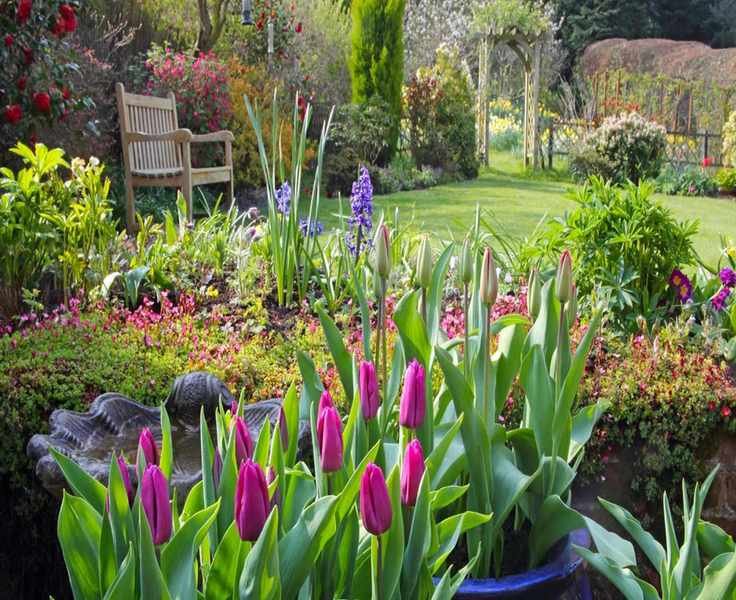
Creating a pollinator garden is an excellent way to support local wildlife while enhancing your backyard's aesthetics with vibrant colors and delightful scents year-round.
However, it's not just about planting flowers. Establishing a pollinator-friendly area involves careful planning and ongoing care.
Here are expert tips for designing a garden that attracts beneficial insects.
Designing Your Pollinator Garden
Gardens play a crucial role in promoting biodiversity. Various creatures like birds, insects, and small mammals seek food and shelter in our outdoor spaces. Therefore, when planning your garden, consider incorporating a range of plants and habitats to fulfill these needs.
1. Choose the Right Location
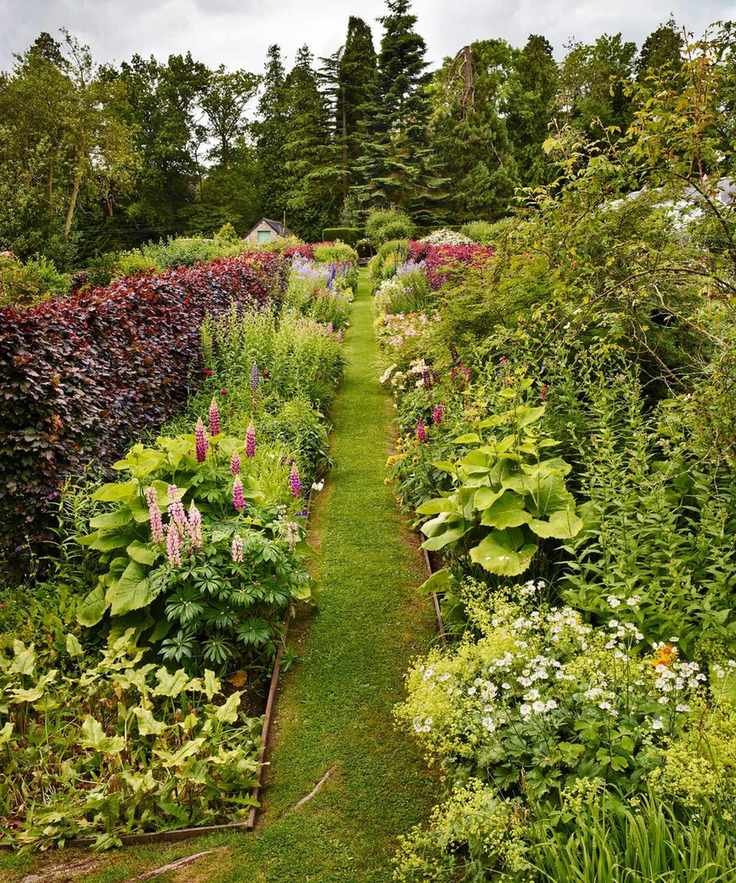
Your pollinator garden doesn't have to occupy your entire yard. Ideally, you could dedicate a specific area to it. Before planting, examine your space closely, as understanding your garden's layout is vital for attracting wildlife.
Identify sunlit spots throughout the day. Consider whether your garden faces north or south. Most pollinator gardens thrive with around six hours of sunlight daily, so choose your location wisely.
2. Decide on Blooming Times
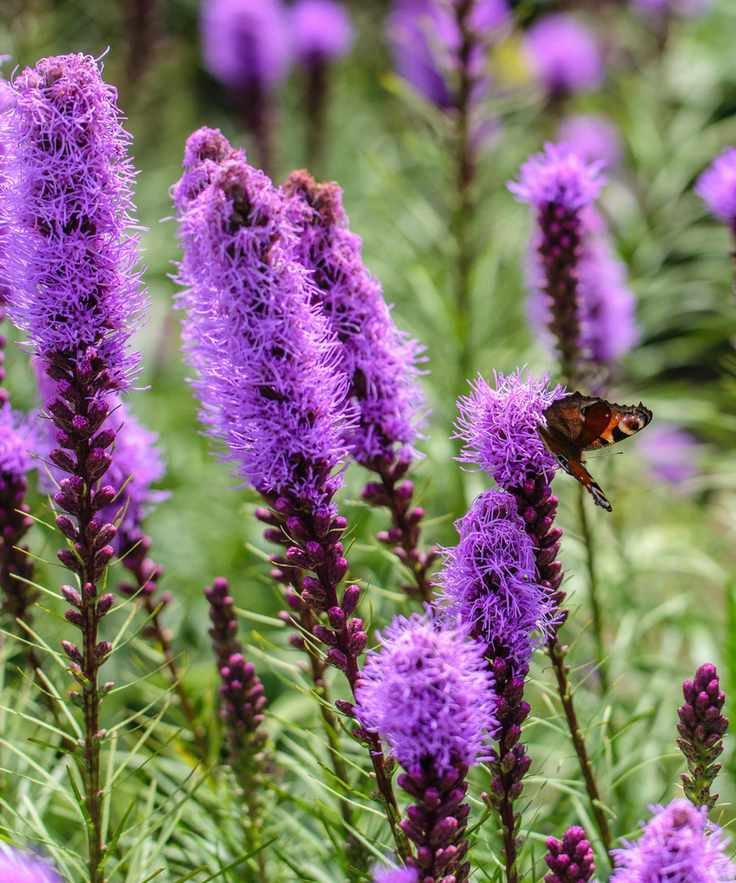
Think about when you want your garden to flower. Select plants that bloom for extended periods to keep your garden lively and draw in bees throughout the growing season.
3. Research Plant Options
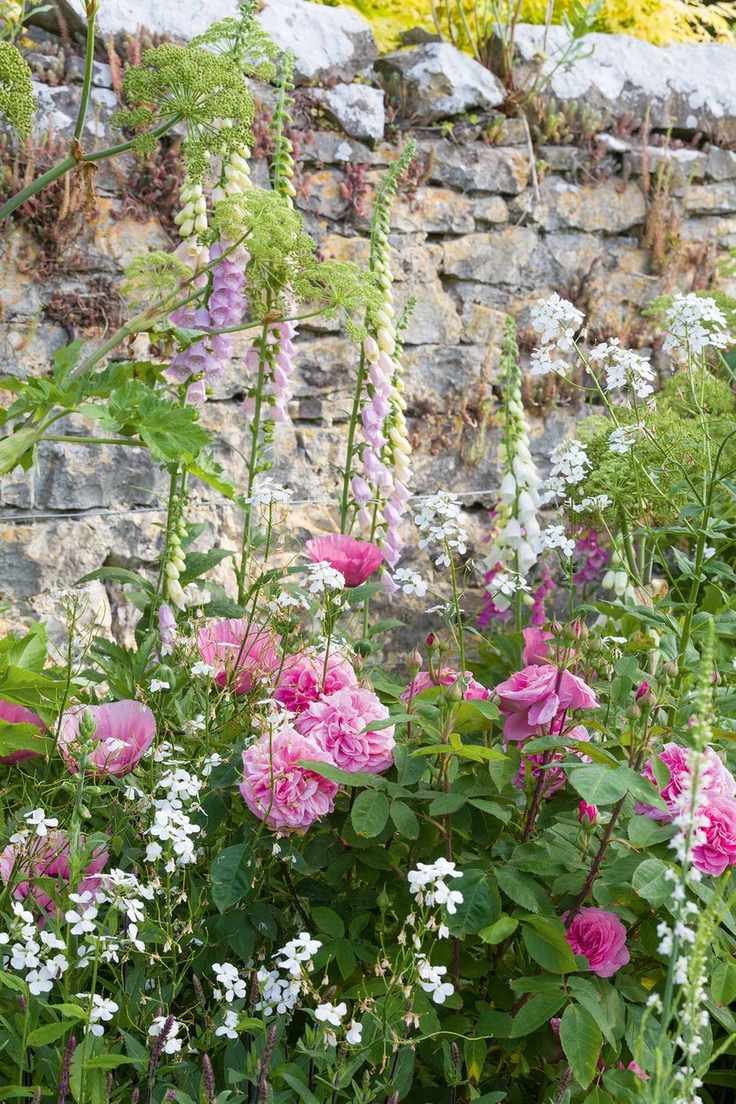
Aside from placement, selecting the right plants is essential for attracting wildlife while ensuring a beautiful appearance. Aim for continuous blooms from spring to autumn.
To entice butterflies, opt for nectar-rich, colorful flowers, while bee-attracting plants should provide both nectar and pollen. Mix various flower shapes to appeal to different pollinators, and consider adding annuals, perennials, shrubs, and trees.
Choose colors that are visible to bees, such as white, blue, yellow, and pink. Before planting, ensure your chosen varieties can thrive in your area's soil and climate.
Sketching out your garden layout can help you visualize where to place plants and consider companion planting for a balanced ecosystem.
4. Plant Strategically
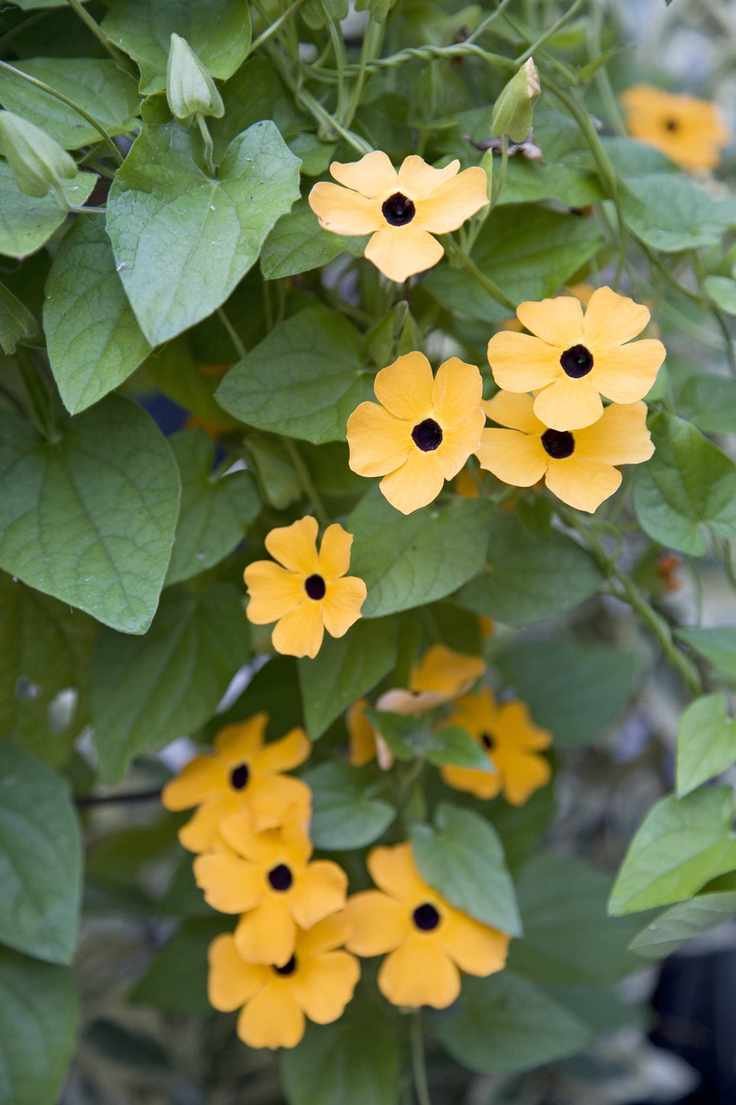
Begin by planting larger trees or shrubs at the back of your border, followed by mid-sized perennials and smaller plants in the front for a layered effect.
5. Create a Habitat for Pollinators
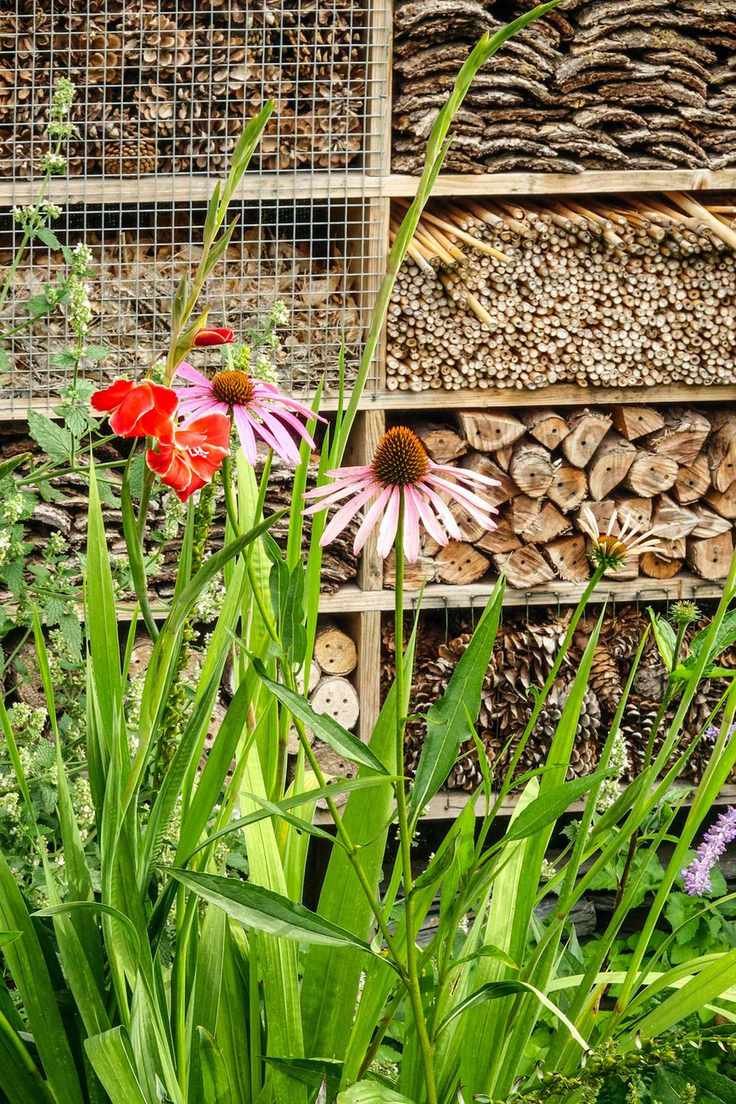
Enhance your garden's appeal by adding features like insect houses, butterfly shelters, birdhouses, or even a bug hotel. You might also consider starting a beginner beekeeping project.
Another fun idea is to make a butterfly-friendly cocktail using a simple mix of sugar and water to help attract these creatures.
6. Start with Pollinator Borders
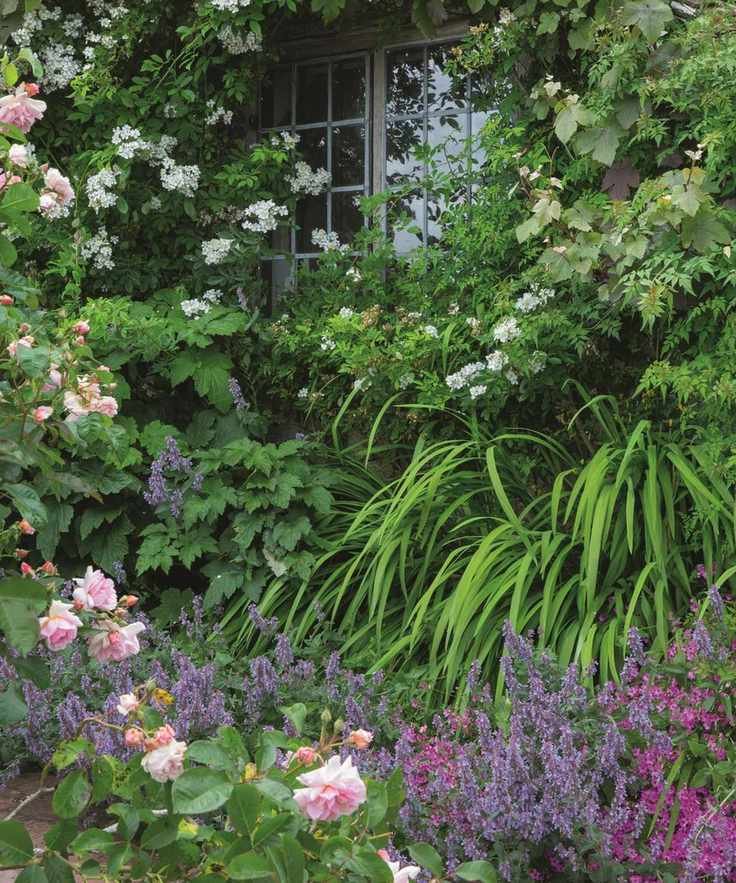
Once your plans are set, begin by cutting and lifting grass to outline your garden area. Keep your outline neat, following the shape of your diagram. It's crucial to avoid removing more than 2 inches of soil.
Prepare the soil by removing roots, stones, and debris, ensuring a soft, crumbly texture. Adding bedding compost and mixing it with the existing soil will help create a healthy environment.
7. Plant Your Flowers
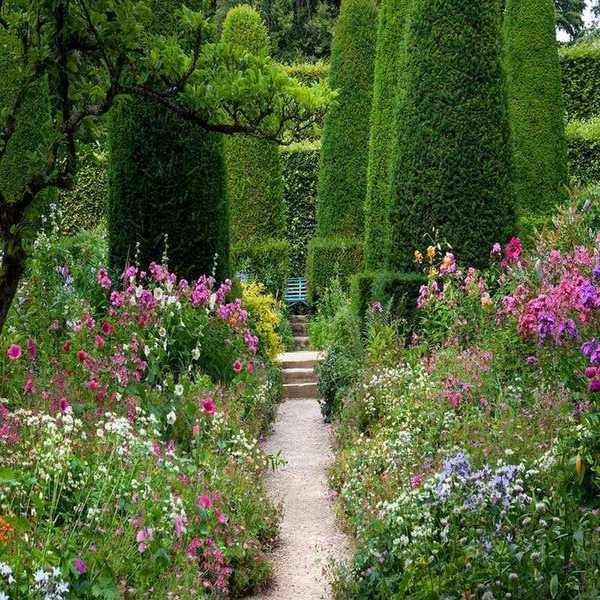
Select plants that are well-suited to your local climate to attract the right pollinators. Native plants are often more successful and can attract local species.
Include plants of varying heights, such as flowering shrubs and trees, to create a diverse landscape. When planting, ensure each hole is slightly larger than the plant's pot for proper placement.
Continue until your border is fully planted. It may appear sparse initially, but soon the blooms will fill the space.
8. Relax on Weeding and Tidying
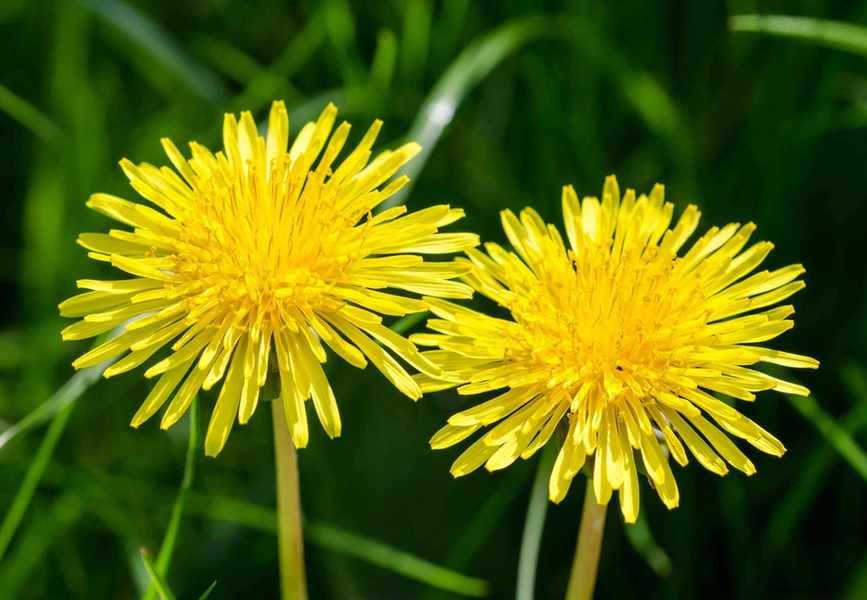
While weeding might be tempting, it's essential to relax your standards when cultivating a pollinator garden.
Pollinators don't differentiate between weeds and flowers. Allowing plants like dandelions to thrive can provide vital pollen and nectar sources.
Leave piles of leaves and twigs to offer shelter and hiding spots for pollinators and other wildlife, especially from fall to spring.
9. Support Pollinator Health
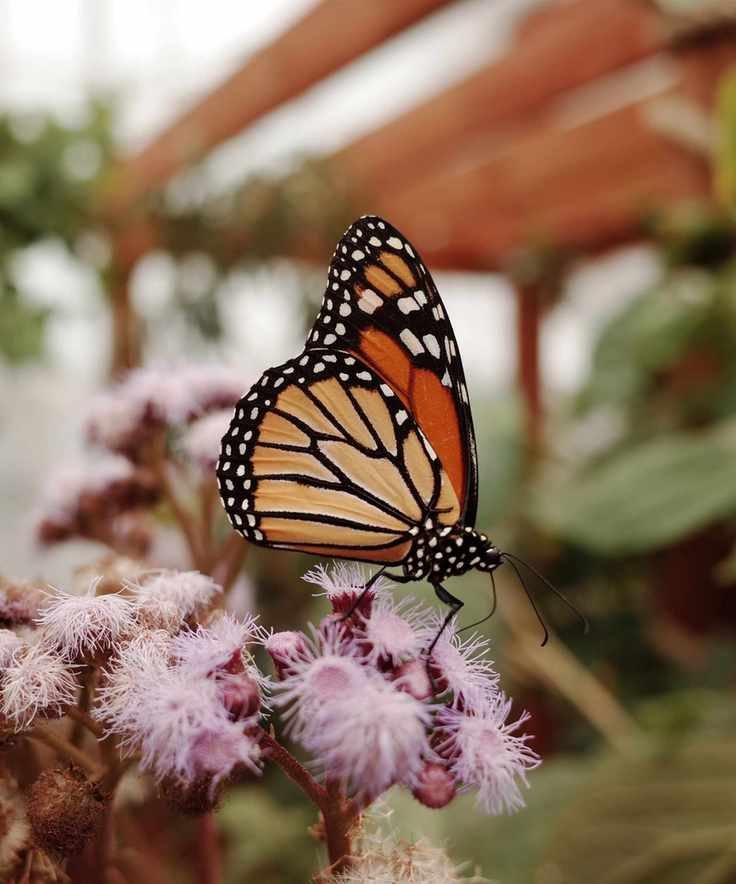
If you see pollinators resting in your garden, they might need a boost. A simple mixture of warm water and sugar in a shallow dish nearby can help them recover quickly.
10. Avoid Pesticides
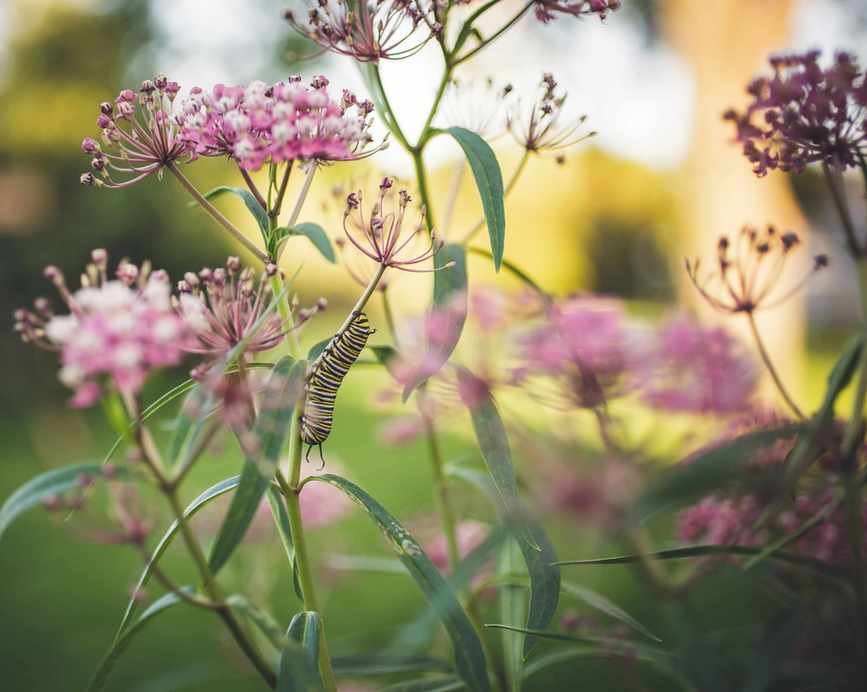
To maintain a thriving pollinator garden, steer clear of pesticides. Instead, utilize natural pest control methods. Planting trap plants can lure pests away from your desirable plants, ensuring a healthier environment.
What is a Pollinator Garden?
A pollinator garden is designed to attract beneficial insects and birds. It can be as small as a border or even a few containers on a balcony. Utilize whatever space you have to create an inviting habitat for pollinators.
If space is limited, consider herb gardens which can attract butterflies and bees while providing ingredients for your kitchen. Easy-to-grow marigolds are a bright choice for bees, while sweet alyssums thrive in partial shade.
What Size Should a Pollinator Border Be?
Wider borders offer advantages, providing ample space for plants to grow without frequent pruning. Start with a width of three feet, but six feet is even better.
For larger borders, focus on fewer, larger planting areas to allow plants to spread and cover ground effectively.



