

Moving houseplants into larger pots provides essential space for growth. Without repotting, plants can become root-bound, struggling to absorb vital nutrients and water.
Repotting also brings fresh potting soil, which is nutrient-rich and free from fertilizer salt build-up. Additionally, it's an opportunity to check the roots for pruning or removing any damaged areas, especially if overwatering has led to root rot.
If you want your indoor garden to flourish, repotting is key. Timing can vary based on the plant type, so watch for specific signs that indicate it's time to repot.
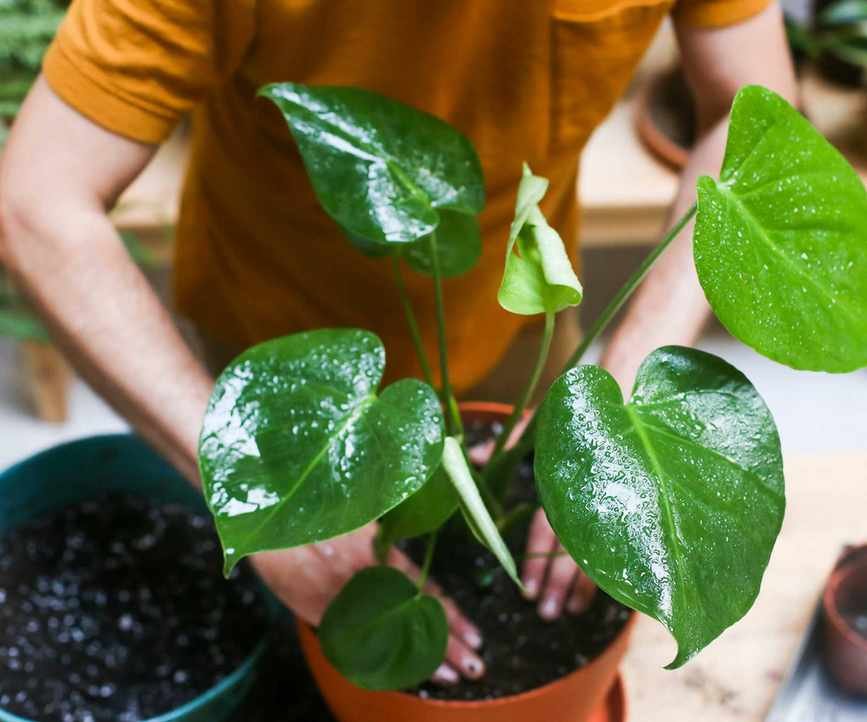
Repotting helps your houseplant grow stronger
When to repot houseplants – a helpful guide
It's best to gradually increase pot size, says a plant specialist. 'Each new pot should only be about an inch larger than the last. Larger containers can retain excess water, leading to root rot.'
Use fresh potting soil to reintroduce nutrients and enhance soil structure, advises another expert. Handle roots gently to minimize damage, and water the plant after repotting to help settle the soil and lessen stress on the plant.

5 Indicators It's Time to Repot Your Plant
Here are the signs experts recommend watching for:
- Visible roots: Check for roots peeking through the drainage hole or curling at the soil surface, which often occurs with fiddle leaf figs.
- Dry soil: If the soil dries out faster than usual, it may indicate root-bound conditions, leading to compacted soil.
- Cracked pots: Some plants with strong roots, like snake plants, can distort or break pots. If this happens, consider transferring the plant to a new container.
- Top-heavy plants: If a plant is too large for its pot, it can easily topple over. This is common with jade plants as they grow larger.
- Stunted growth: If your plant is growing more slowly than before, it might need more room to thrive.

Optimal Seasons for Repotting Houseplants
Spring and summer are ideal for repotting, as growth is most vigorous during these warmer months, according to experts. Winter repotting can shock plants and harm roots.
It's recommended to repot in early spring to allow plants to recover quickly and make use of the fresh soil.
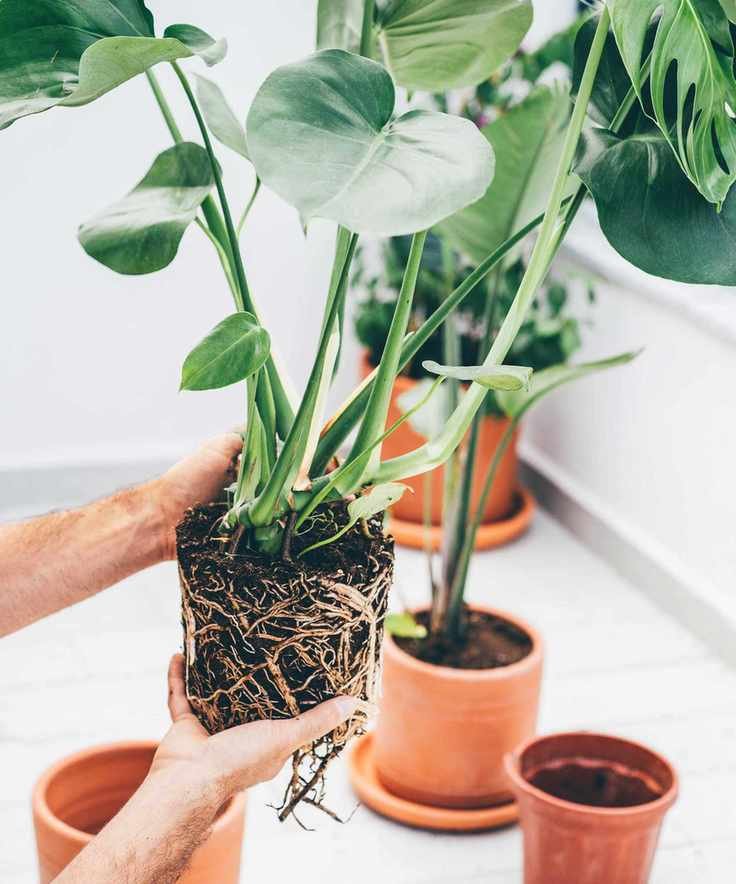
Avoid repotting during a plant's dormant phase
Which Houseplants Require Frequent Repotting?
Some tropical plants, like philodendrons and spider plants, often need yearly repotting due to their rapid growth in bright light.
Others, such as monsteras and majesty palms, may require repotting every 12-18 months, as they can grow over 12 inches annually.
Which Houseplants Need Less Frequent Repotting?
Cacti and succulents thrive in snug pots and typically need repotting every two to three years. Snake plants can also remain root-bound for extended periods and are fine with repotting every few years. ZZ plants are similarly slow-growing and can stay in the same pot for several years.
In addition to repotting, ensure your plants receive proper watering, protection from heating, and vigilance against common houseplant pests for optimal care.



