
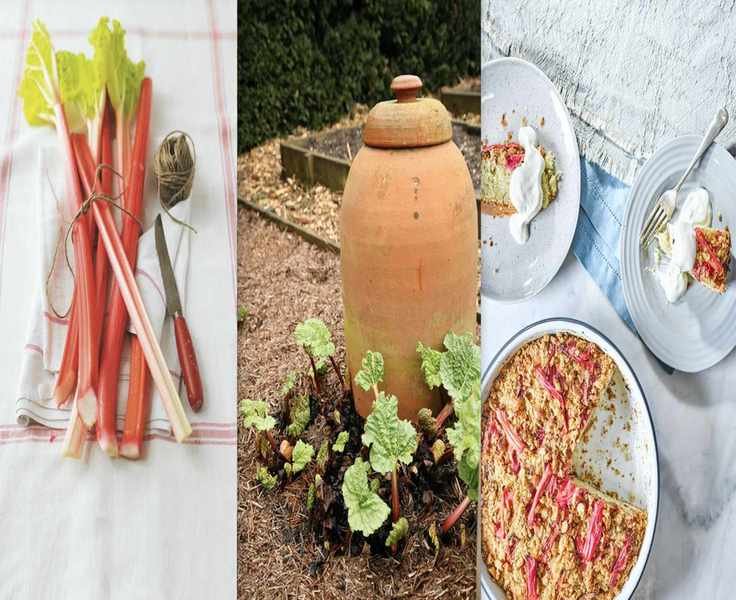
Rhubarb, often mistaken for a fruit due to its use in desserts, is actually a vegetable with edible stalks. It thrives in cooler climates, especially in Alaska, where it can grow over five feet tall.
This plant can be cultivated from Maine to Oregon, but it struggles in the southern states due to the heat. In the UK and Europe, it's a prized ingredient for various sweet treats.
Forced Rhubarb: The Elite Choice
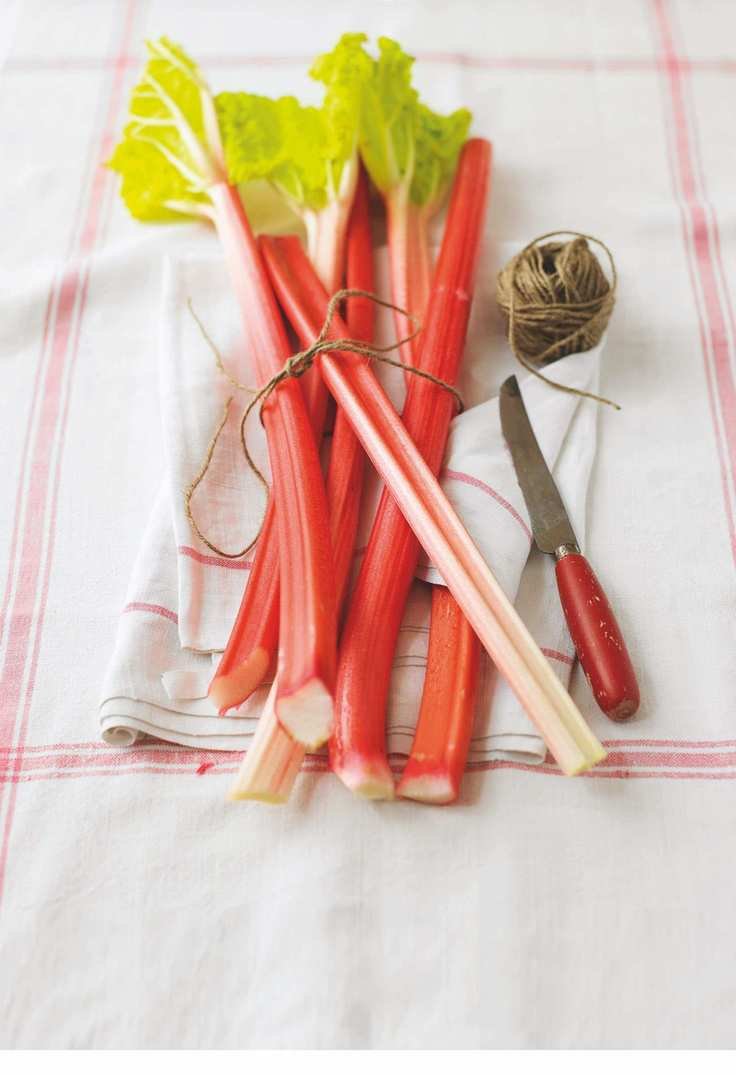
Forced rhubarb, harvested early, has a season that runs from late December through March. Known for its beautiful pink stalks and refined flavor, it’s often referred to as ‘champagne rhubarb’, making it the top choice among rhubarb varieties.
The renowned forced rhubarb from Yorkshire’s ‘Rhubarb Triangle’ is celebrated for its exceptional sweetness, once accounting for 90% of the world's winter supply.
Initially grown outdoors for two years to strengthen their roots, these plants are then moved to heated forcing sheds where they grow in darkness. This environment encourages rapid growth as the stems reach for any available light.
Steps to Force Rhubarb
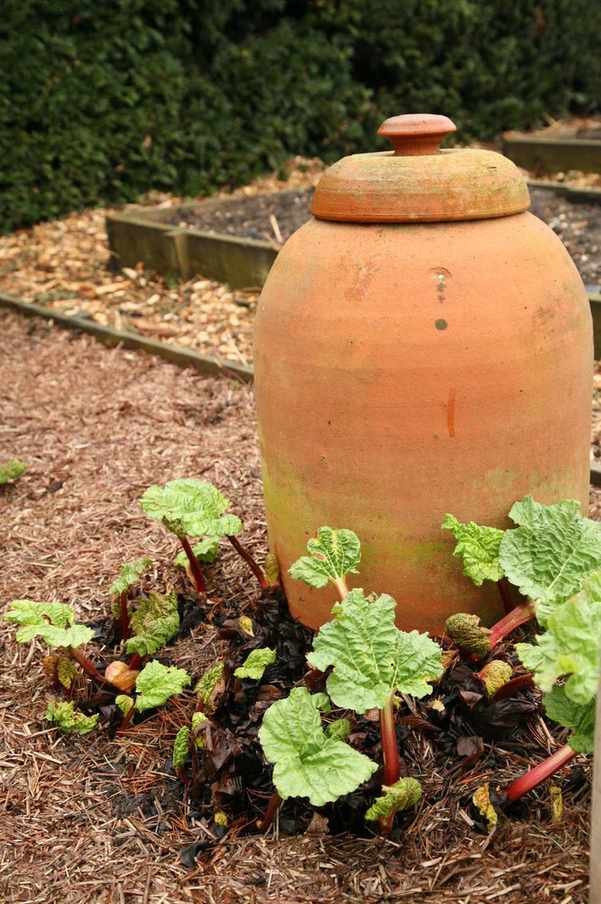
You can successfully force rhubarb in your own garden by covering the plant’s crown with a pot to block light, then insulating it with straw for warmth.
Choose varieties like Victoria or Timperley Early, which are ideal for this early forcing method.
1. Shield the Rhubarb
“Cover the rhubarb crown with a box at least 20 inches tall and top it with manure,” suggests a gardening expert. You might also use a dustbin or a clay pot. The key is to block light, preventing photosynthesis, which results in pale, tender stalks free from bitterness.
2. Maintain Warmth
Some prefer to use straw around the covering instead of manure. Keeping the rhubarb warm accelerates growth, allowing for earlier harvesting.
3. Harvest the Stalks

When is the right time to pick rhubarb? Once established, harvest can begin in March or later for other varieties, continuing until June.
To collect rhubarb, “the stem separates easily from the crown with a twist and pull,” explains a sustainable living authority. “After two or three harvests, remove the cover to allow the plant to grow fully in the light.”
Following this, the small yellow leaves of forced rhubarb will be replaced by robust green ones, revitalizing the plant as it absorbs energy back into the crown for future growth. You can continue to harvest rhubarb into early summer, although these later stems may be stringier and more bitter.
Creative Ways to Use Forced Rhubarb
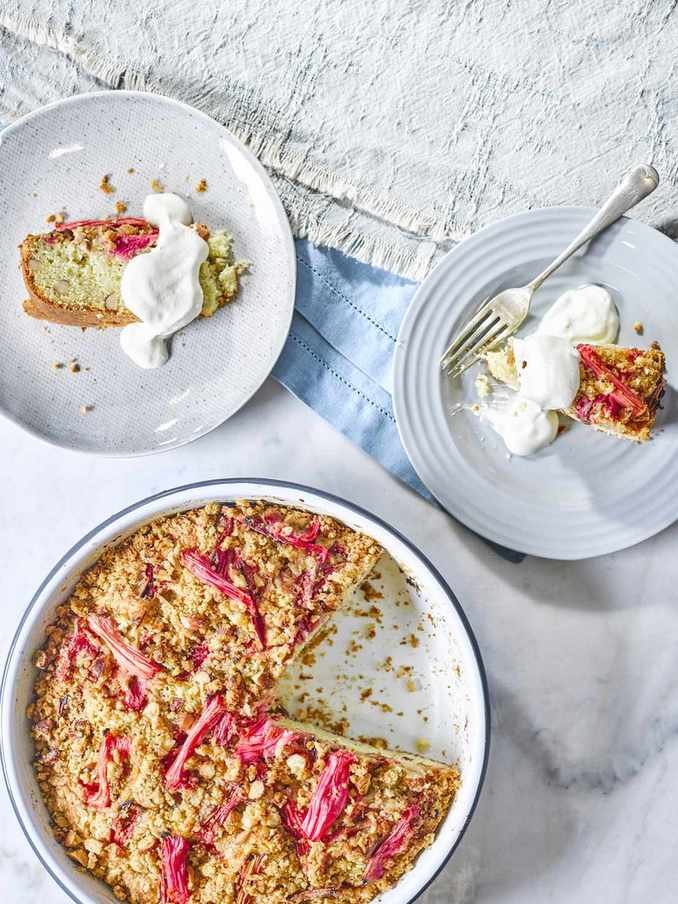
Combine rhubarb with flavors like ginger, pear, rosewater, and vanilla.
Roasting the stalks for 15 minutes enhances their taste, or you can poach them in water or fruit juice for 8-10 minutes until soft.
Impress your guests beyond traditional rhubarb pie! Rhubarb pairs beautifully in salads, complements pork and salmon, and can even be incorporated into both sweet (with strawberries) and savory (try with lentils) soups.
Does Forced Rhubarb Taste Different?
Gardeners enjoy forcing rhubarb not just for an early harvest but also for its distinct taste.
Without light, the plant doesn’t produce large leaves, allowing the glucose to remain in the stems, which makes them sweeter compared to standard rhubarb, known for its tartness.
This rapid growth also results in less fiber, making the stems more tender.
Why Is It Called Forced Rhubarb?
Forcing vegetables encourages them to grow outside of their typical seasons. By covering the crown and providing warmth, you trick the rhubarb into waking from its winter dormancy, prompting growth ahead of its natural schedule.
Blanching rhubarb is another method, where it’s covered while growing but without added warmth to promote early growth.



