
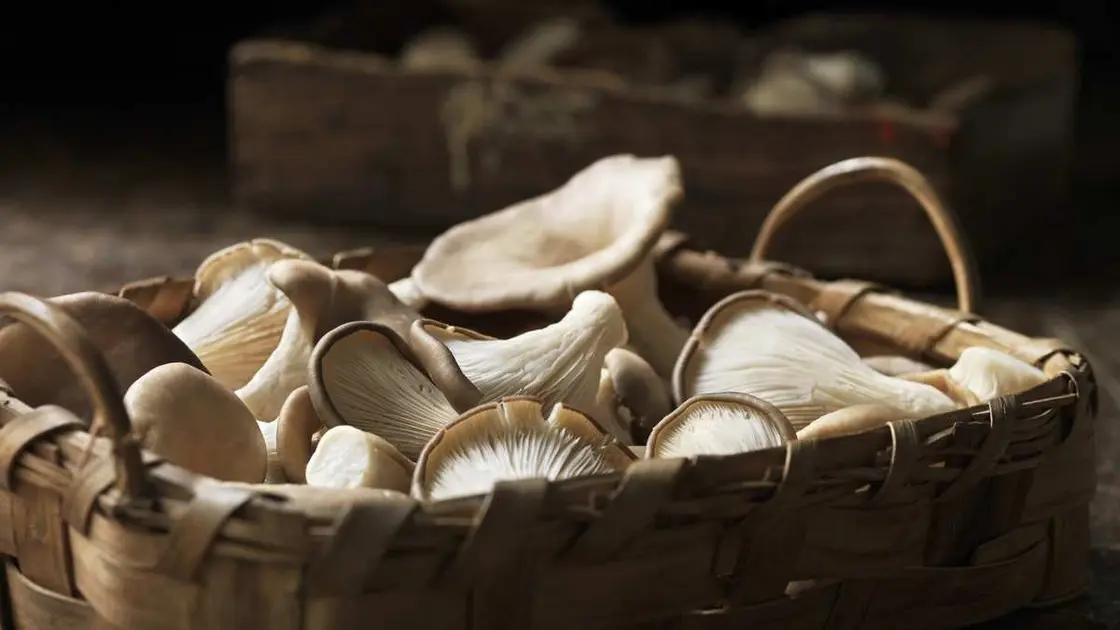
Oyster mushrooms are a delicious type of edible fungi that can be easily grown at home. They flourish quickly, adapt to various conditions, and can be cultivated indoors or outdoors.
These mushrooms have a mild flavor, making them versatile in many dishes. While they are commercially grown worldwide, they are also favored by home cultivators. You can either buy complete growing kits or mushroom spawn to use with your preferred substrate.
Discover how to cultivate mushrooms and explore a variety of options. There are numerous types of mushrooms to grow, with six distinct varieties of oyster mushrooms alone.
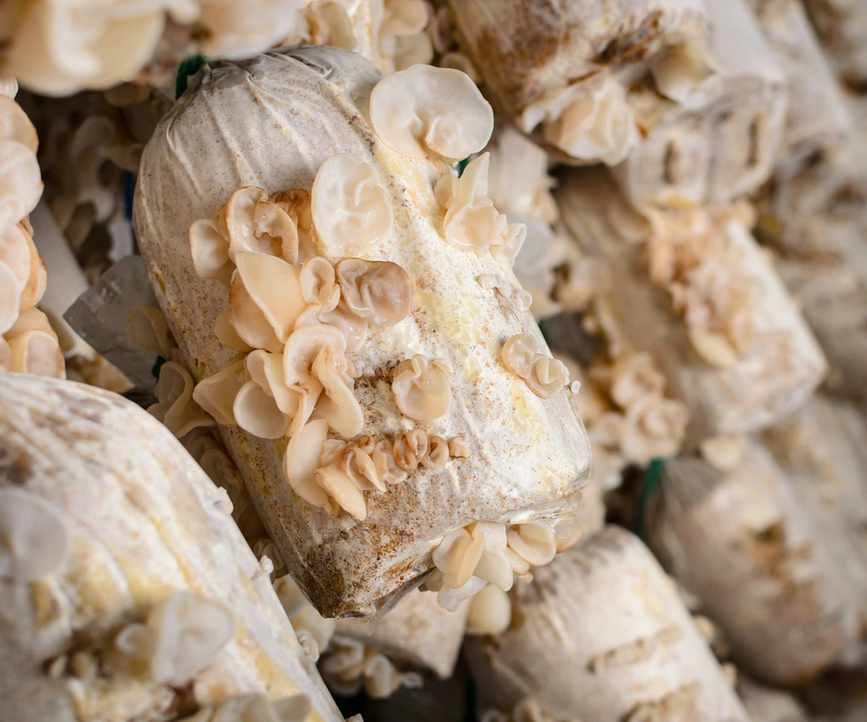
Oyster mushrooms are typically cultivated in bags.
Tips for Successfully Growing Oyster Mushrooms
There are several types of oyster mushrooms including pearl, blue, golden, pink, phoenix, and king oysters, all of which can be grown at home.
Most oyster mushroom varieties are not overly picky about temperature. However, the king oyster prefers cooler conditions between 45-65˚F, while others thrive between 50-86˚F, which can pose challenges for novice growers.
Mushrooms begin from tiny spores that disperse through the air without needing pollination. These spores settle on surfaces and start to grow.
A grower advises that successful oyster mushroom cultivation requires a balanced mix of temperature, humidity, and nutrients. Creating the right environment is key to their growth.
To achieve this, utilize a substrate like compost, straw, or sawdust. Alternatively, many gardening stores offer kits that include all necessary materials and guidance. With proper care, you can cultivate beautiful mushrooms in no time.
Specialist mushroom spawn available from retailers usually consists of a blend of spores and nutrients ideal for growth. This spawn is added to your selected substrate. Growing kits are also available, often including both spawn and substrate with some even pre-inoculated.

Mushroom spawn contains the spores necessary for oyster mushrooms.
Growing Oyster Mushrooms in Straw
Straw is the most common substrate for oyster mushroom cultivation, involving two main stages: incubation and fruiting.
- Soak 6-11 lbs of chopped straw in water for several days, then drain it to remove excess moisture.
- Combine the drained straw with 4 oz of mushroom spawn and pack it tightly into a large plastic bag or a 40-gallon trash bag.
- Puncture holes in the bag to allow water to escape and facilitate air exchange.
- Store the bag in a warm, sheltered spot above 70˚F. In a few days, white mycelium should start to develop and cover the bag.
- Once the substrate is fully white, move it to a location with indirect light, maintaining a temperature between 50-86˚F (or 45-65˚F for king oysters).
- Keep humidity levels high at 85-95% by misting daily with water.
- Cut slits into the bag for air, allowing mushrooms to grow out. Expect oyster mushrooms to start appearing within a week to ten days.
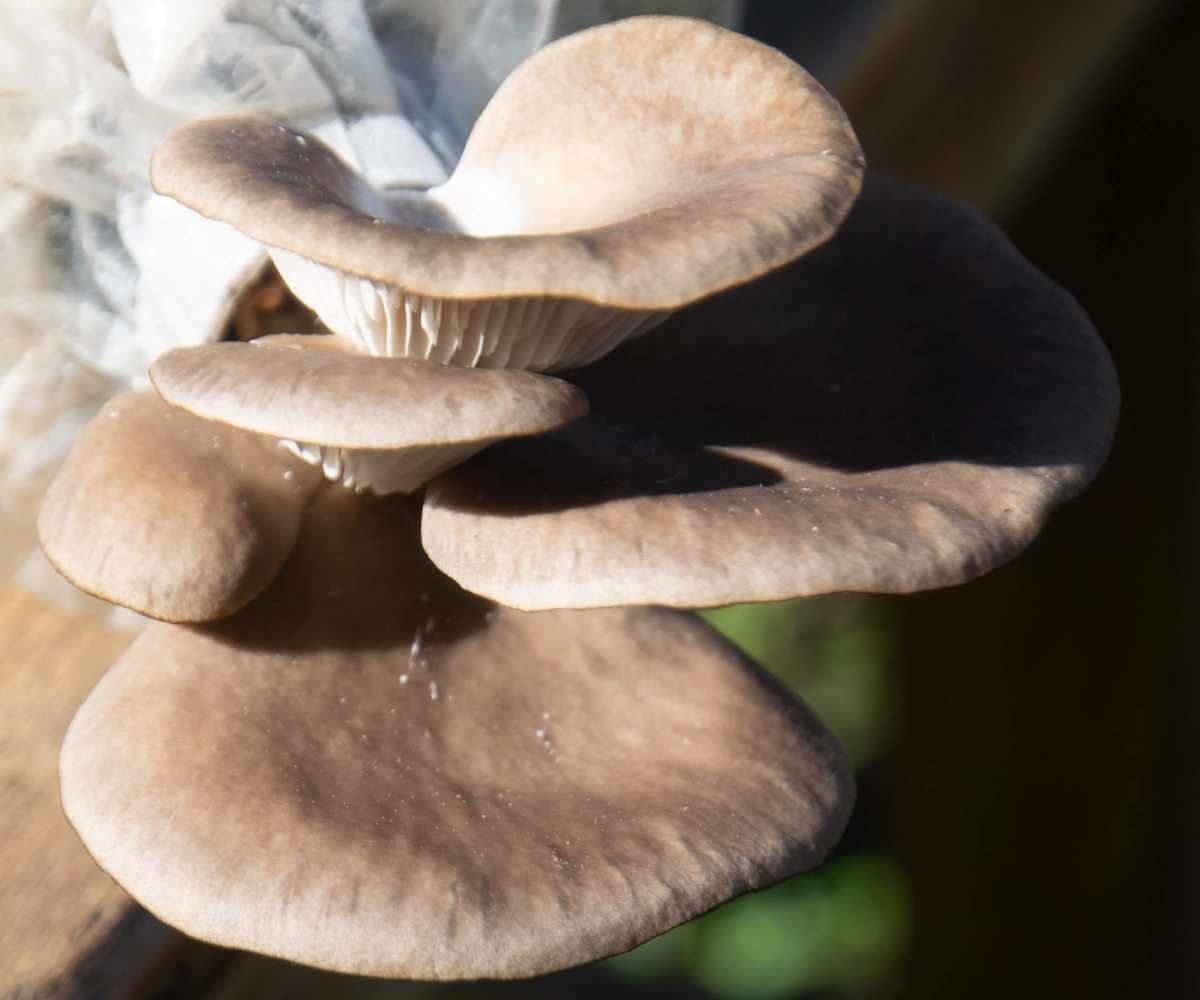
Oyster mushrooms grow rapidly from start to finish.
Using Coffee Grounds for Growing Oyster Mushrooms
Utilizing coffee grounds as a substrate is an excellent method for indoor oyster mushroom cultivation and recycling materials.
One advantage is that coffee grounds are sterilized during brewing. You can place the grounds in a bag with holes or in a jar with a lid—just ensure to make holes in the lid. Follow the same steps as you would with straw.
To improve air circulation, mix one part straw with the coffee grounds. Combine the spawn with the coffee mixture, cover it, and store until white mycelium appears. Then, place it in indirect light and keep it moist until mushrooms develop in 7-10 days.
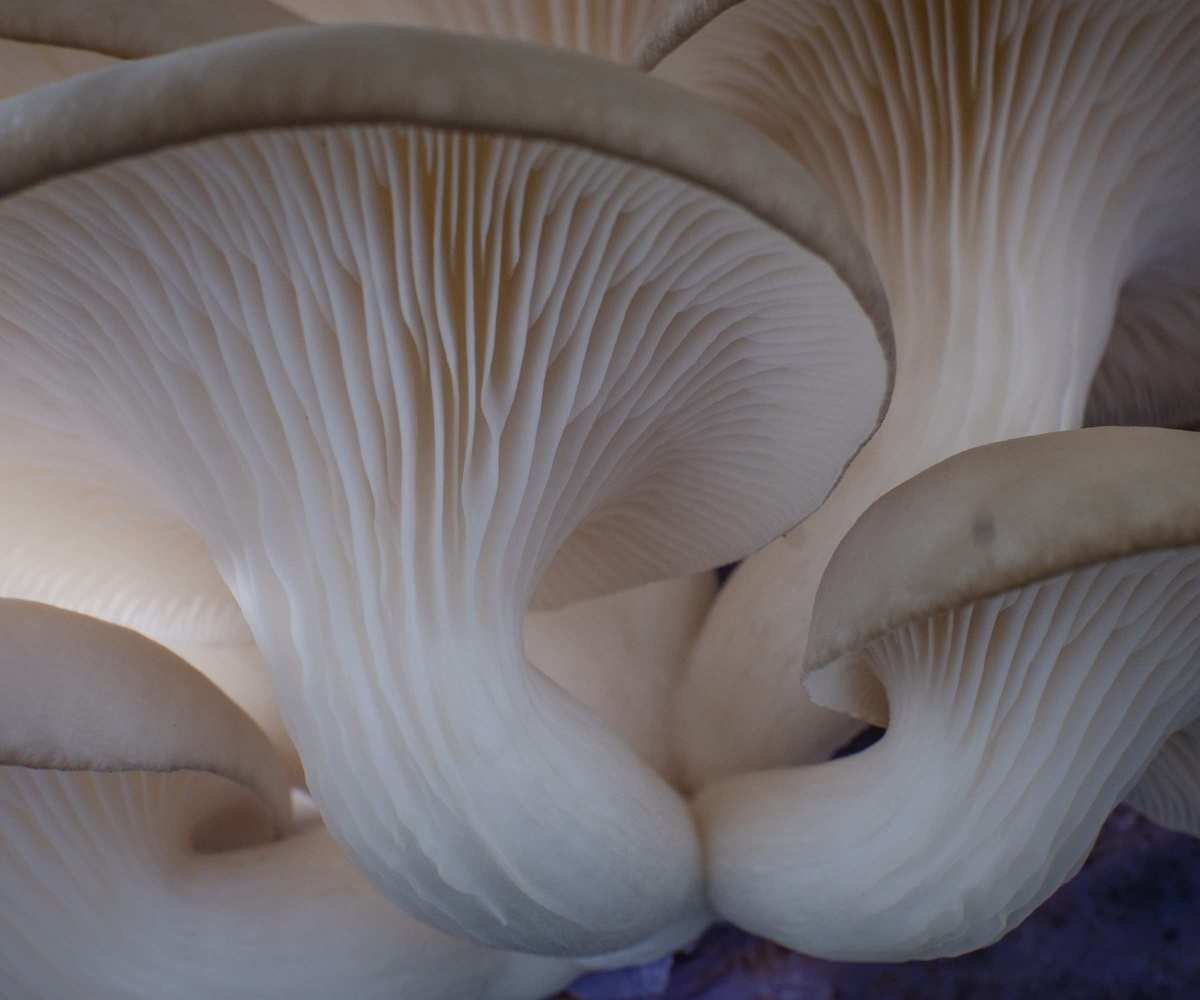
Oyster mushrooms have a delicate, earthy flavor.
Outdoor Cultivation of Oyster Mushrooms
Growing oyster mushrooms outdoors adds a unique touch to any garden, though results can be less predictable than indoor cultivation. Temperature control is challenging, and it typically takes longer to harvest.
To cultivate outdoors, mix spawn with straw and scatter it in a garden area, then moisten it. This process may take several months. Alternatively, create straw logs or inoculate old tree stumps or logs with mushroom spores.
A grower notes that successful mushroom cultivation involves mimicking their natural habitat. A simple approach is to sprinkle oyster spawn between straw bales, covering them with plastic sheeting to retain moisture. Results may vary, and timing is crucial—summer isn't ideal as it can be too dry.
For log cultivation, use clean hardwood logs about 40 inches long and four inches wide, drilling holes every six inches. You can buy spawn plugs (available from Amazon) to tap into each hole, sealing with melted wax, or inject spawn by hand using a log inoculation tool.
Wrap the inoculated log in a large plastic bag, securing it with a rubber band but leaving a gap for air exchange. Store it in a warm area (60-80˚F) to incubate, then move it to a cool, shaded spot to fruit.
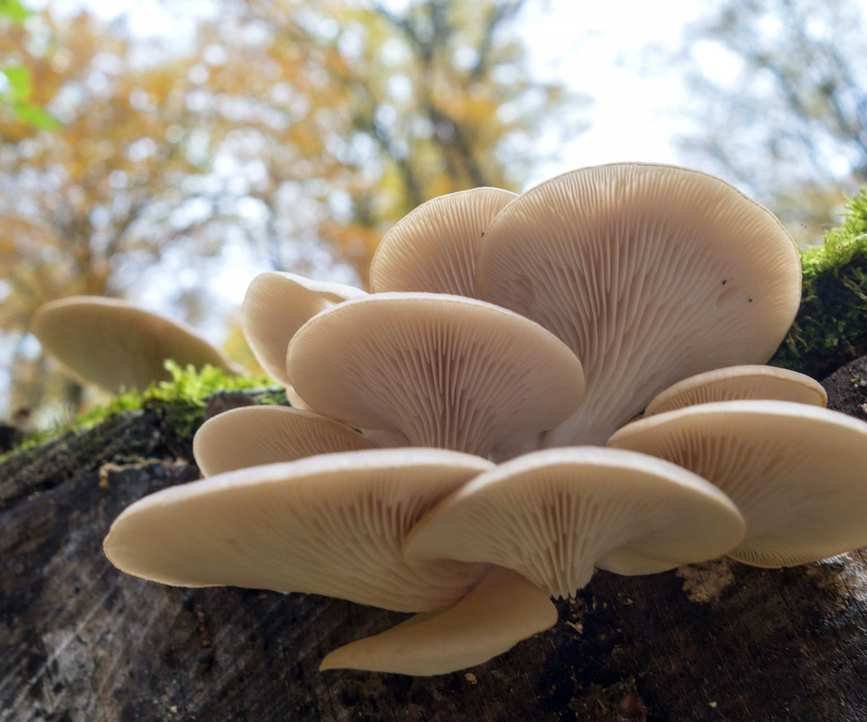
Logs must be hardwood to successfully grow oyster mushrooms.
Growing Oyster Mushrooms in Buckets
Bucket cultivation is an easy method for oyster mushrooms. Use one-gallon or five-gallon buckets, drilling holes around the sides. Ensure the bucket is sterilized beforehand and cover the holes with microporous tape for air circulation while retaining moisture.
Layer the substrate (like straw) and spawn in the bucket until it's full. Keep the bucket warm and dark for incubation, allowing the mycelium to turn the substrate white.
For fruiting, position the bucket in a shady area and mist the holes daily as the mushrooms grow.
Growth Timeline for Oyster Mushrooms
Growth duration varies based on methods and environmental conditions.
Indoors, it can take as little as 20 days, with mushrooms doubling in size daily during the fruiting phase. Expect mushrooms to emerge 7-10 days after the inoculation period ends.
Outdoor growth can take months, especially on logs, which may require up to two years for the first harvest. Understanding how to store your harvest effectively will help you enjoy them longer.
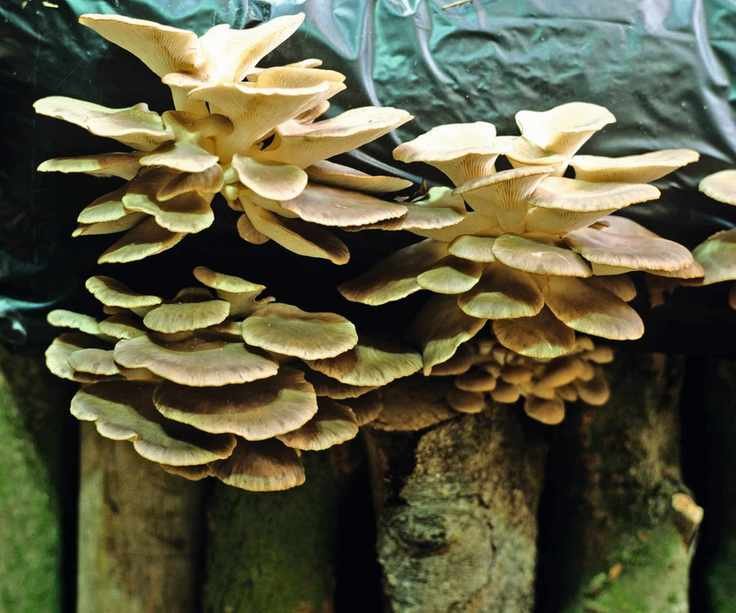
Oyster mushrooms are named for their resemblance to oysters, not for their flavor.
Optimal Substrates for Oyster Mushrooms
Oyster mushrooms can thrive on various substrates both indoors and outdoors. Besides straw, they can also be grown on coffee grounds, cardboard, logs, compost, hardwood sawdust, and paper. For outdoor cultivation, the best time to start is after the last frost, while indoor growing can occur year-round.
Do Oyster Mushrooms Regrow Annually?
You can typically harvest up to three times from each indoor block of straw or coffee grounds before the mycelium exhausts itself. While growing outdoors may take longer, it can lead to a longer supply. An inoculated log can yield oyster mushrooms for six to seven years.



