
Learn the best methods for harvesting chives, ensuring you get the most out of this delicious herb. Emerging in early spring, chives’ delicate leaves signal the arrival of warmer days. These quick-growing herbs add a mild onion flavor to countless dishes and salads and are rich in antioxidants, promoting heart health.
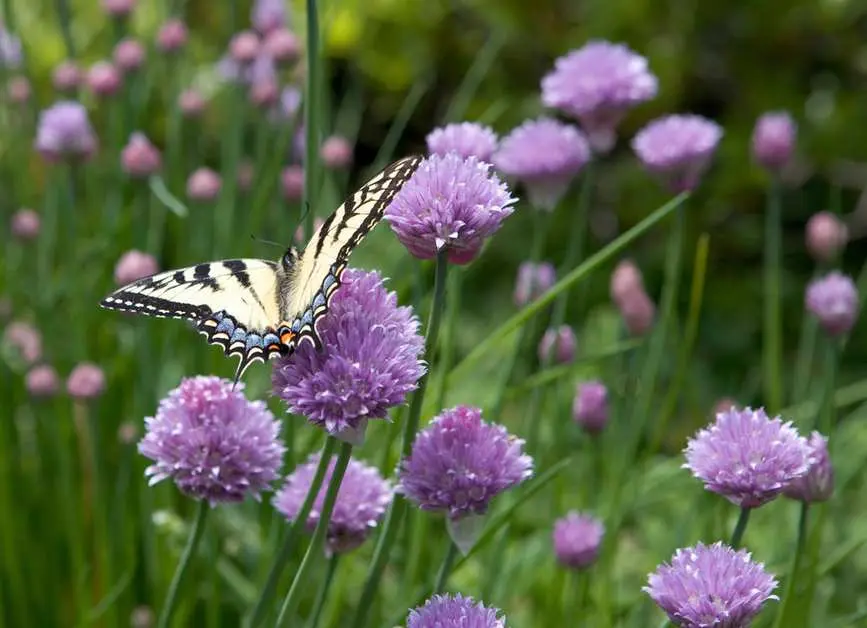
Chives aren’t just flavorful; they’re also visually appealing. Their vibrant pink-purple flowers bloom from late spring to late summer, attracting beneficial pollinators. These plants can be used as attractive edging or in planters, and they pair well with roses, tomatoes, or cucumbers to deter pests. You can even add the edible blossoms to soups and salads for a colorful twist.
Chives are easy to cultivate, thriving in sunny or lightly shaded spots with well-draining soil and regular watering during dry spells. Regular harvesting encourages growth, but knowing how to do it properly is essential to maintain the plant’s strength. Use this guide to harvest with confidence.
Harvesting Chives
Chives are forgiving plants, making the harvesting process straightforward. Their leaves shoot up from bulbs, reaching about 6 inches (30cm) in height. In colder areas, the foliage may die back in late fall, but it will return the following spring.
“You can harvest chives by either snipping individual leaves or cutting back the entire clump to around 5cm during the growing season,” suggests a gardening expert. This approach allows for regrowth in about a month.
Another expert notes that “cutting chives back to 1 inch (2.5cm) from the ground four times a year encourages fresh growth. Always trim them after flowering.”
Harvesting Chive Flowers
Chive flowers are not only beautiful but also flavorful. Their pink pompom heads can enhance salads and savory dishes. Harvest them as soon as they bloom for maximum flavor. You can dry the flowers for later use, but they will lose some onion flavor.
Remove any faded blooms, ideally composting them, as they become tough and unappetizing.
Picking Chives for Continuous Growth
To keep chives flourishing, snip leaves that are at least six inches tall from the outer edges first. Avoid cutting the entire plant at once; doing so will delay your next harvest. Before the cold weather sets in, be sure to gather your chives to prevent die-off. They will re-emerge in spring.
Harvesting Chive Seeds
If you wish to expand your chive garden, saving seeds is a great idea. Wait until the flowers begin to fade, then snip them and place them in a paper bag in a warm, dry area. After a few weeks, the seeds will drop to the bottom of the bag. Give it a shake to gather them all.
Harvesting Without Damage
Chives grow quickly and can be harvested multiple times during the warm season. Snip individual leaves as needed or trim back the clump above the base to stimulate new growth. As long as the bulbs remain intact, the plant will continue to thrive.



