

Regardless of your interior design preference, whether you lean towards maximalism or minimalism, there's a fundamental idea to consider: aim for a cohesive and soothing environment.
Enter the Red Thread Theory. This concept doesn’t relate to the color red; rather, it emphasizes establishing a consistent theme, palette, or atmosphere throughout your home decor. By selecting one or a few design elements to repeat, like a woven thread, you foster a sense of familiarity across each room.
Interior designers reveal various ways to implement this principle. Here’s a look at the cleverness behind the Red Thread Theory and how you can integrate this Nordic-inspired approach into your home for a beautifully unified aesthetic.
Understanding the Red Thread Theory

Distinct from other theories, the Red Thread Theory stems from a Nordic metaphor representing a shared characteristic, akin to a long intertwining thread that connects themes, stories, and designs.
In the realm of interior design, this might manifest as a consistent color palette throughout your home, a recurring pattern, a shared shape, or simply common elements like plants or specific artwork. The goal is to identify your 'red thread' and subtly weave it into every space, creating a harmonious style.

This approach encourages you to view your home as a cohesive whole, rather than treating each room as an isolated project. Just like styling a doorway, moving through your home should evoke a sense of comfort and familiarity, avoiding jarring contrasts in styles, colors, and patterns.
“The Red Thread Theory maintains cohesion and harmony throughout a space,” notes an interior designer. “It involves identifying a unifying element, such as a color scheme or pattern, and integrating it consistently to create visual continuity.”

You might already be applying this concept instinctively. If green is your favorite color, your home could feature a green bedroom, sage lamps in the living room, a green accent ceiling in the entryway, and even plans for a forest green kitchen.
Similarly, if animal prints or stripes capture your heart, you might have incorporated hints of those designs in various rooms without even realizing it. Once you recognize the Red Thread in your home, it becomes evident everywhere.
Another designer agrees: “This principle has always been a part of design. It fosters continuity, even when rooms are decorated in diverse color schemes. As long as there's at least one consistent element, the space feels calming and cohesive.”
Identifying Your Red Thread
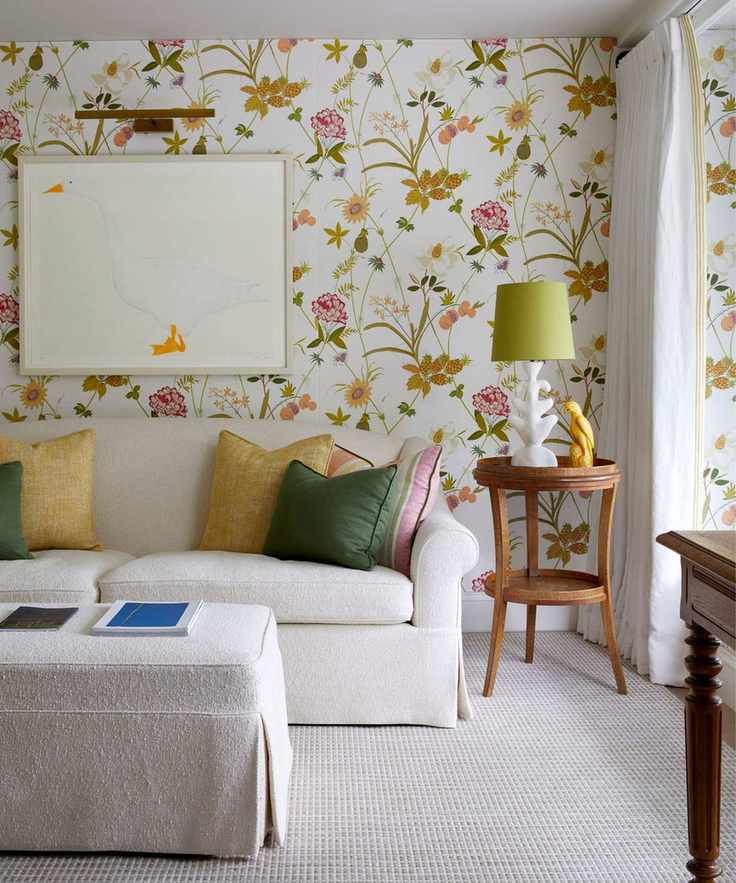
The beauty of this theory lies in its flexibility. Your red thread could be a specific pattern, a prominent interior design style, or even a beloved color. You could even choose to work with red if that's your preference.

Establishing a common thread can also be achieved through consistent material choices. This could include Scandinavian-style bleached wood, rustic natural materials like rattan, or cozy textiles like loose linens that offer comfort across your spaces.

Ultimately, your red thread is yours to define. The focus should be on how you apply it rather than what it is.
Consistency is key; utilize your selected color, texture, or motif in a natural way that feels organic. Don't think of it as a rigid requirement; rather, see it as a guideline for selecting decor pieces, accessories, or color swatches.
For instance, a pink quilt might not seem to fit perfectly with your bedroom scheme, but it resonates with the plaster pink walls of the hallway, creating flow and effortless transitions. These unexpected combinations, whether intentional or accidental, contribute to a home that truly reflects you, especially through designs you cherish.
This design approach suits those seeking straightforward, actionable advice for crafting a thoughtfully designed home. Identifying your red thread and incorporating it throughout your space is a smart way to enhance cohesion, reduce stark contrasts, and infuse your home with a bit of design flair.


