
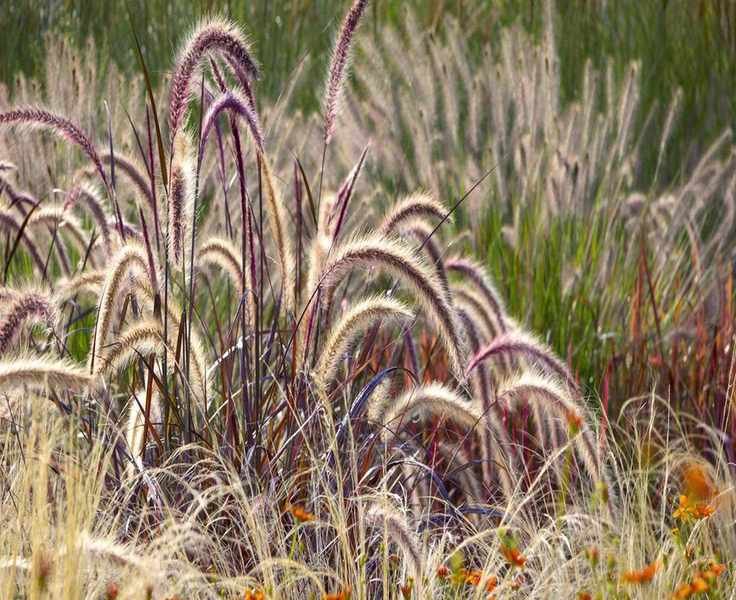
Many gardeners struggle with hayfever during the summer, and this season has proven especially tough for some.
As someone who deals with asthma and hayfever, I find gardening challenging when pollen is high, often retreating indoors due to itchy eyes and a runny nose. Unfortunately, gardening is a significant part of my life.
There are several flower varieties that suit hayfever sufferers, but there are also other strategies we can employ to enjoy gardening while minimizing allergy effects.
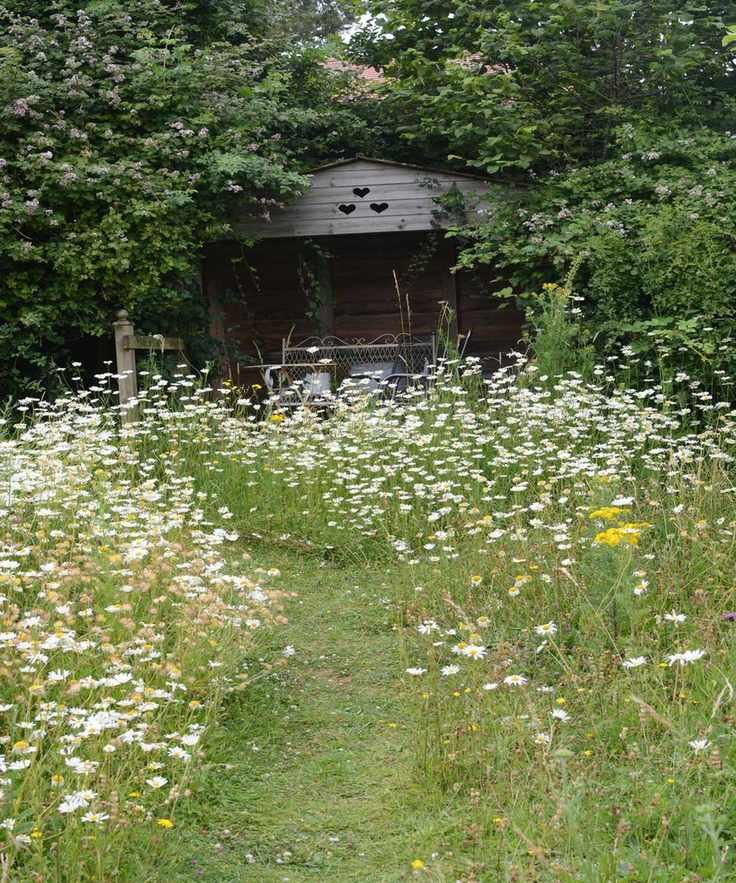
A wildflower garden may be beautiful, but it's not ideal for those with hayfever.
Understanding Hayfever and Its Impact
Hayfever, or allergic rhinitis, occurs when your immune system reacts to pollen, a substance usually deemed harmless.
Its symptoms can begin as early as March with tree pollen and last until fall.
Common signs include itchy eyes, sneezing, a runny nose, a scratchy throat, headaches, and fatigue.
Being outdoors can exacerbate these symptoms, and it's wise to consider allergy-proofing your home. However, there's no need to abandon gardening if you have hayfever. Here are six effective methods to lessen your sensitivity.
1. Choose the Right Time to Garden
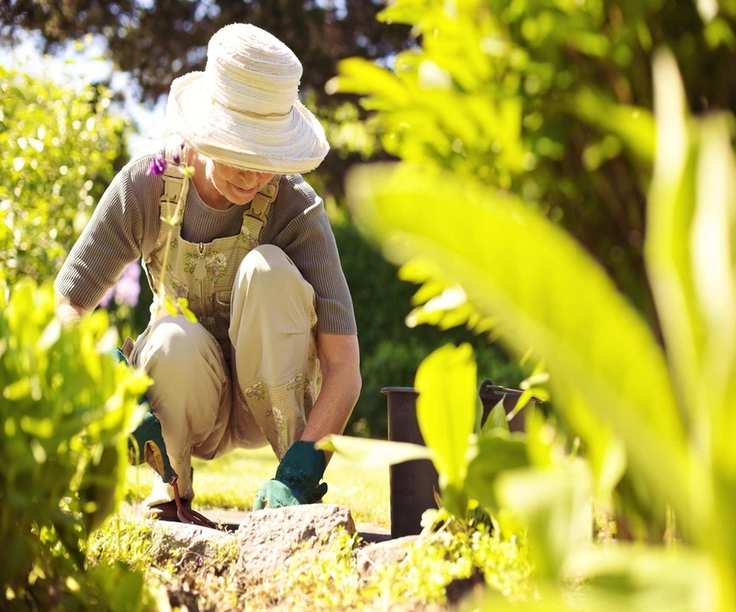
Wearing a sunhat can protect you from sun exposure and pollen.
Pollen levels peak in the morning and evening; if possible, plan your gardening during mid-afternoon. Although this can be the hottest time of day, it's ideal for minimizing pollen exposure.
If you must garden during peak heat, wear sunscreen, a loose long-sleeve top, breathable trousers, a wide-brimmed sunhat - this hat from Amazon works well - and wrap-around sunglasses.
The sunglasses shield your eyes from pollen, while the hat helps keep it from settling in your hair.
2. Opt for Low-Pollen Flower Varieties
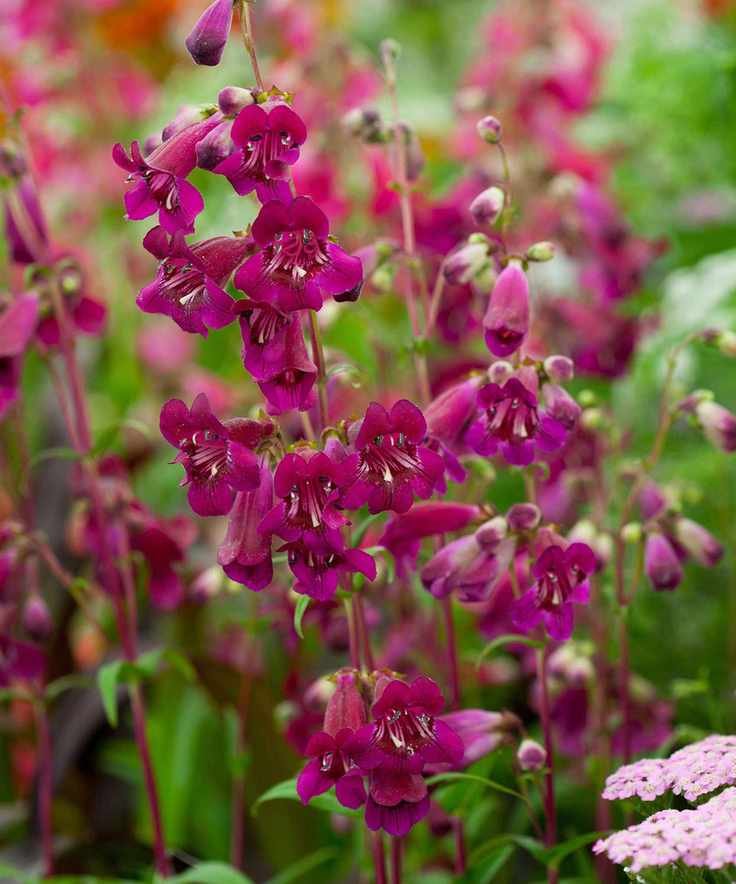
Planting diverse species can reduce the concentration of pollen from any one type. Choose flowers that depend on insects for pollination, as they produce less airborne pollen.
Consider low-pollen options like penstemons, hardy geraniums, or cranesbills, which are attractive and easy to care for. Many also feature gorgeous purple blooms that make for stunning borders.
Popular choices include foxgloves and bellflowers, which trap pollen with their shape, along with delphiniums, irises, and clematis.
Avoid wind-pollinated plants like daisies, asters, and sunflowers. If you prefer fall-blooming plants, consider roses and canna lilies instead.
3. Plant Fruit and Flowering Trees
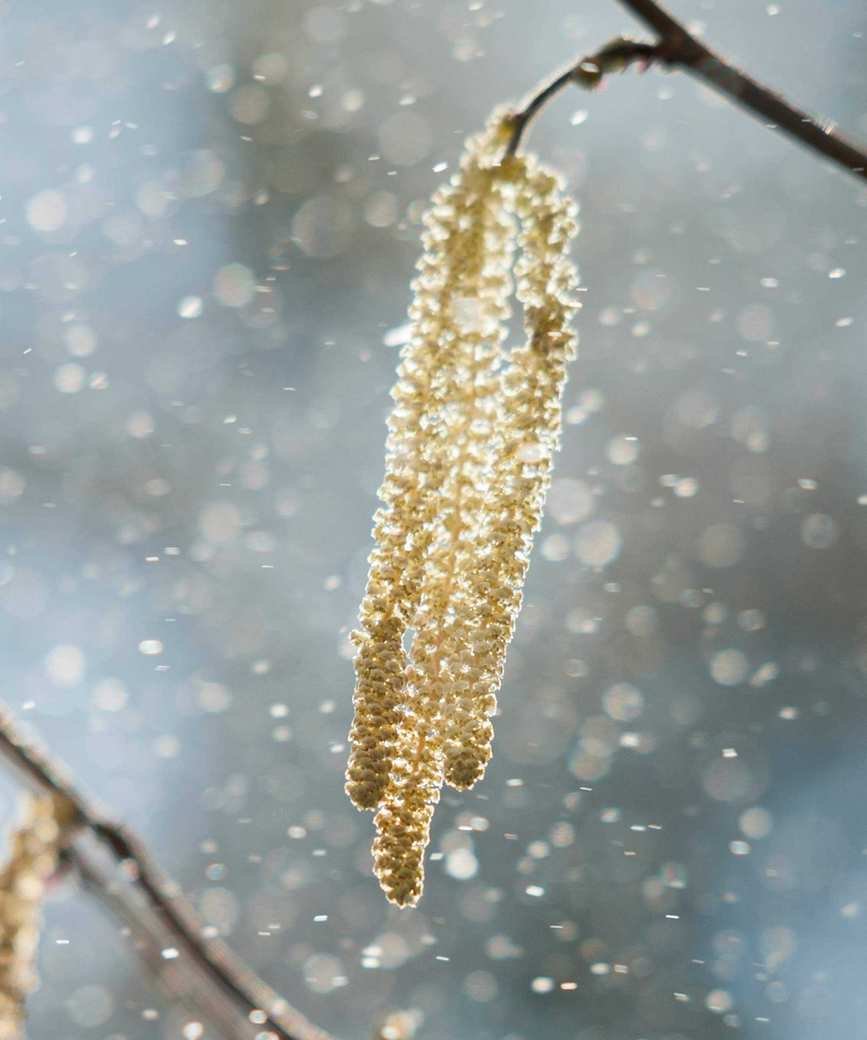
A male hazel catkin dispersing pollen.
Wind-pollinated trees like ash and oak can generate substantial pollen, making spring particularly difficult for hayfever sufferers.
Instead, consider fruit trees and flowering trees with blossoms instead of catkins.
4. Maintain Short Grass
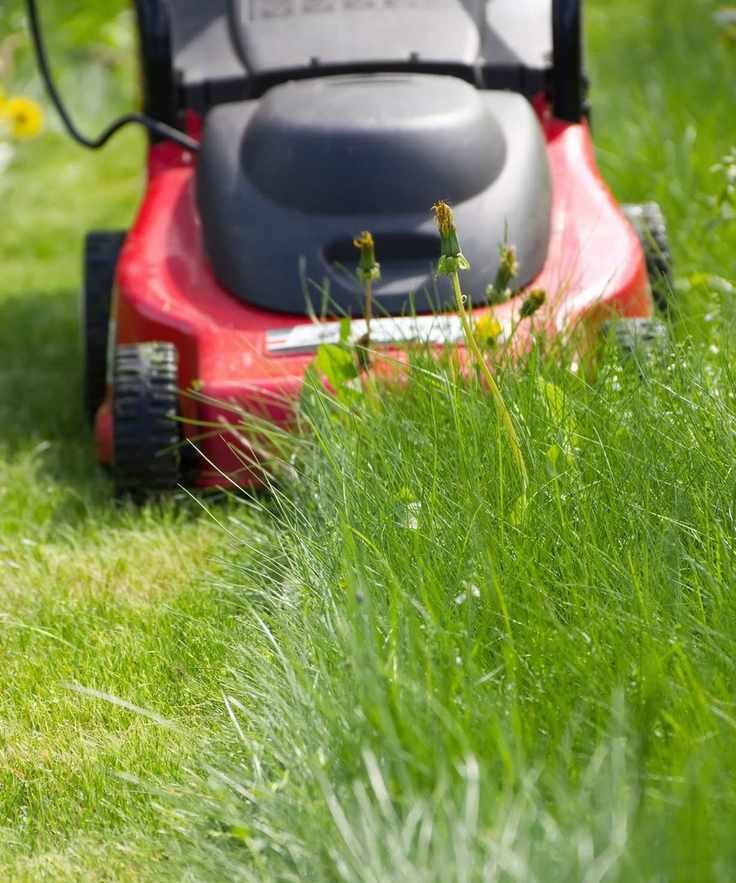
Regularly mowing your lawn can help reduce pollen from grasses.
While wildflower meadows are trendy, they can contribute to significant pollen production, aggravating hayfever symptoms.
Grass pollen affects 95% of hayfever sufferers, so keep your lawn mowed to prevent grass from flowering and releasing pollen.
Remove weeds from your lawn without harming the grass, as they can also contribute to pollen levels.
(I admit, my own lawn is full of daisies and tall grass, which, while lovely, triggers my sneezing.)
5. Be Mindful of Mold

Mold spores can be problematic for hayfever sufferers.
Mold and spores from compost and diseases like powdery mildew can also pose challenges for those with hayfever.
Ensure your plants have adequate space to promote airflow and reduce the risk of fungal diseases. This means buying healthy plants and keeping them well-spaced.
Consistent fertilizing and watering are crucial, and if you notice any signs of disease, remove the affected sections immediately, placing them in the trash rather than the compost.
Mold thrives in the soil and compost, so wear gloves and a mask when working with these materials, or let someone else handle them.
6. Designate Gardening Clothes

Showering after gardening helps remove pollen from your skin.
Pollen clings to clothing, so maintain a separate set of gardening attire, including gloves, a hat, and wrap-around sunglasses that are popular on Amazon. Change out of these clothes immediately upon returning indoors and wash them often.
Take a tepid shower right after gardening to eliminate pollen from your skin and hair. Also, ensure you clean your shower to prevent mold buildup that can trigger allergies.
Frequently Asked Questions
How can I differentiate between hayfever and a cold?
Hayfever typically lasts from mid-spring when trees begin to release pollen until mid-fall when other flowers do. Symptoms may vary based on the specific pollens that trigger your allergies.
Colds, on the other hand, are shorter, generally lasting up to a week and often accompanied by fever and body aches, which hayfever does not usually cause.
Should I consult a doctor regarding hayfever?
If you have conditions like asthma or frequent sinus infections, consult your doctor if hayfever symptoms significantly impact your daily life.
Otherwise, a pharmacist can recommend over-the-counter options such as antihistamines, eye drops, or nasal sprays.
Do natural remedies help with hayfever?
Some individuals believe that consuming local honey can alleviate hayfever symptoms, while others prefer chamomile tea over coffee.
Eliminating or reducing dairy is another suggested remedy, but it's essential to consult a medical professional before trying natural treatments.
Another potential remedy is applying a thin layer of petroleum jelly, like Vaseline, beneath your nostrils to trap pollen before it enters your nose.
Don't forget to remove weeds in your garden, as many of these plants produce excessive pollen.
Also, avoid lying directly on the lawn when relaxing. Instead, consider a hammock or explore some comfortable outdoor seating options that keep you elevated above the ground, where there's better airflow and less pollen.



