From rich royal purple to soft lilac, deep violet to fragrant lavender, purple plants are stunning options for borders. Their popularity has surged, especially after the Chelsea Flower Show, which highlighted purple planting in celebration of a royal milestone.
Moreover, many plants exhibit purple foliage, providing depth and character to your garden border.
While lavender, lilac, and wisteria are often associated with purple, a variety of shades can grace flower beds and enhance your gardening vision. We consulted a garden expert to create a planting scheme featuring purple flowers and foliage that showcases the beauty of this vibrant color, even in the smallest of flower bed ideas.
Top 5 Purple Plants for Your Garden
There are numerous garden color schemes to consider for your outdoor space. You may prefer varying shades in different areas, or opt for a single color for a cohesive look. Some colors can brighten up shady spots, while vibrant yellows, reds, and oranges can celebrate sunny areas.
Your choice matters, but if you pick purple, you’ll be in great company.
“Many people request suggestions for purple plants; it's a beloved color for beds and borders,” shares garden designer Nikki Hollier, who specializes in ready-made planting schemes through her business, Border in a Box.
“Here’s a suggestion for a small border you can easily create in your sunny garden, using purple flowers and textured leaves. These varieties are also excellent for attracting pollinators.”
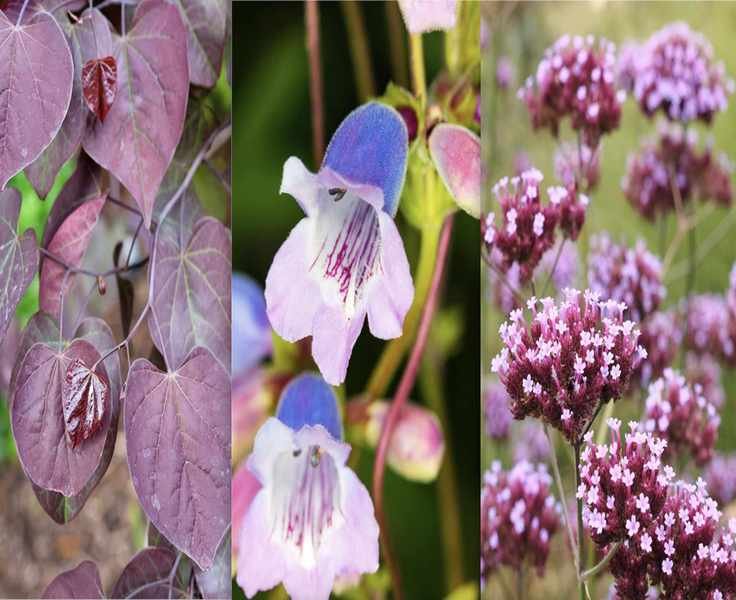
1. Cercis canadensis 'Ruby Falls'
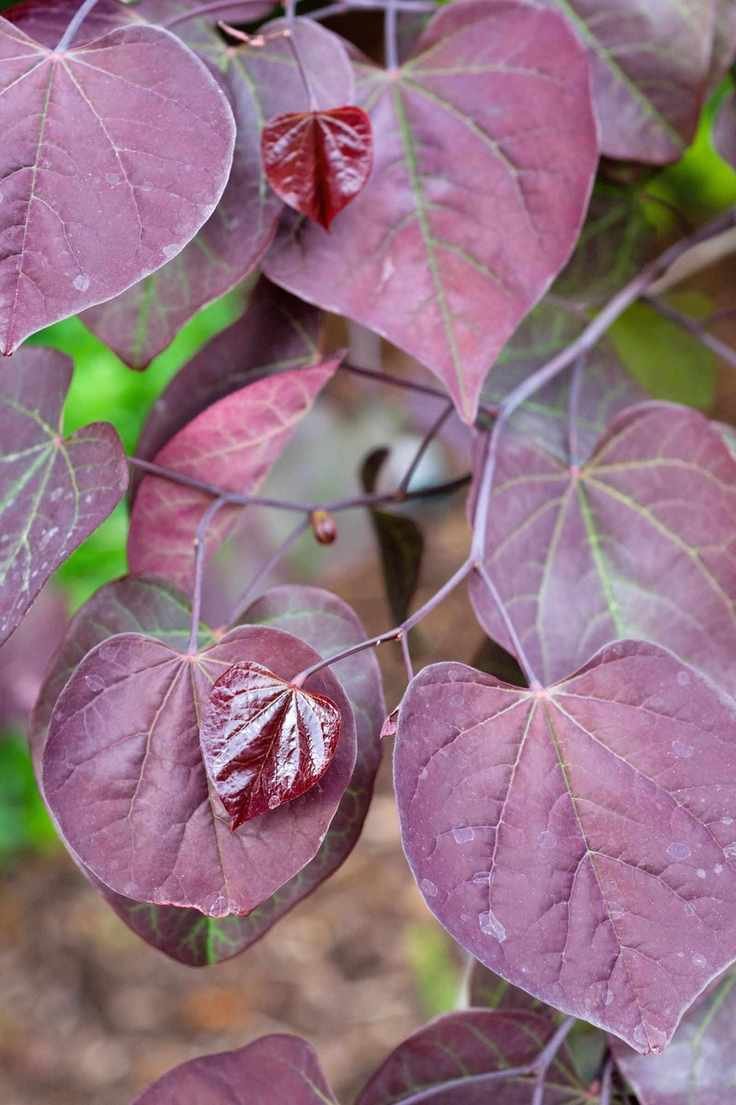
“Though classified as a tree, it’s perfect for small spaces like courtyards or front gardens, growing to about 80 inches tall and wide,” explains Nikki Hollier. “It boasts heart-shaped purple leaves, which sadly fall in autumn. It thrives in sunny, moist but well-drained soil.
“There’s also a 'Golden' variety featuring lime-yellow leaves that looks fantastic alongside purple flowers for a jewel-like effect.” Both options are ideal small garden trees.
“It needs minimal upkeep, but keep it well-watered until established and during dry spells.”
2. Verbena bonariensis

“This perennial plant dies back in winter but returns each spring. It features slender stems reaching about 1-2m tall, topped with charming purple bobble flowers that attract bees and other pollinators.
“I frequently use this plant as it requires little space while adding height and interest to any border. It loves the sun but tolerates partial shade. If you want a shorter version, consider ‘Lollipop’, which grows to about 60cm tall.”
“It’s low maintenance; just trim back old growth in spring instead of autumn to minimize winter dieback.”
3. Penstemon 'Pensham Czar'
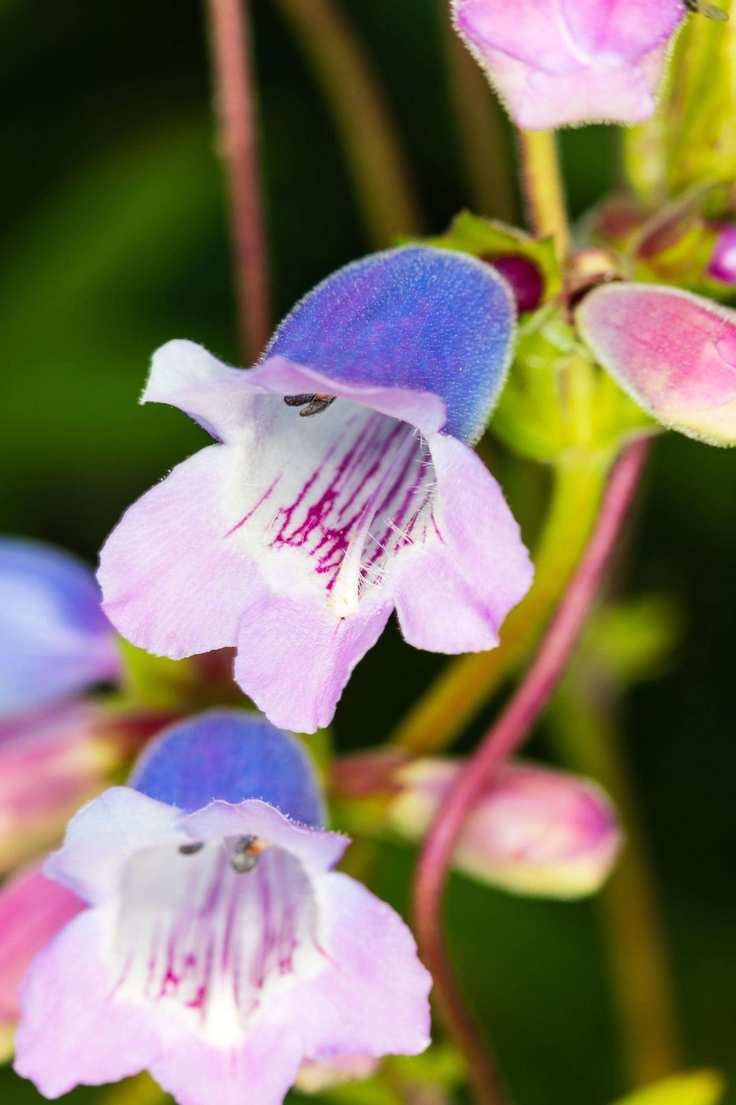
“I often incorporate penstemon in my designs for several reasons – there’s a hue for every garden, they’re easy to care for, and their flowers are lovely.
“The ‘Czar’ variety features tall stems (around 28 inches) adorned with bold purple bell flowers and white interiors. When grouped together, they create a stunning display, perfect for a naturalistic planting style.”
“Although they die back in winter, you can extend blooming by cutting off dead flowers. Protect them during harsh winter weather.”
4. Hylotelephium 'Dream Dazzler'
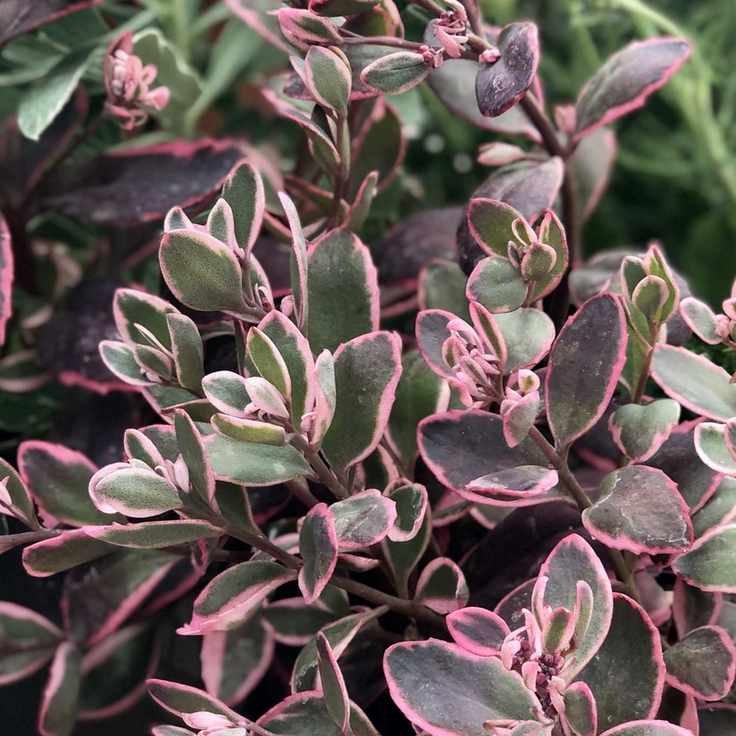
“Commonly known as sedum, this hardy perennial is low-growing and forms clumps with succulent-like purple-grey leaves edged in bright pink.
“It’s beautiful for the front of the border, reaching only about 15-20 inches tall. It prefers sunny spots; in the shade, the pink margins may fade.
“It blooms from June to October and thrives in well-drained soil, so avoid letting it sit in water for too long.”
5. Festuca amethystina

“I enjoy adding ornamental grasses since they bring movement to gardens and offer winter interest as well. This grass is great for the front of borders, being a low-growing tufted variety.
“It reaches about 20 inches tall during flowering, looking wonderful when planted in groups or in containers. Its narrow blue-green to grey-blue leaves produce lovely purple flower spikes in summer.”
How to Create a Purple Border
Your border size can vary based on your garden – just add more plants for larger areas. “Purchase plants in odd numbers – threes, fives, or sevens,” suggests Nikki Hollier.
“Incorporating plants of different heights enhances visual impact. Position taller plants at the back and low-growing varieties at the front. If you relocate, you can easily pot them and take them along for an instant garden in your new home.”
Which Colors Complement Purple Plants?
Utilize the color wheel to select your garden’s planting palette. Yellow is purple’s complementary color, sitting opposite it on the wheel. Warm oranges also contrast well with purple.
Blue and blue-violet are adjacent to purple on the wheel, creating a strong tonal palette.
Purple pairs beautifully with neutral tones like white and gray.