Gardening can be a challenge for those with hay fever. The constant sneezing and itchy eyes from pollen can make even the most passionate gardener retreat indoors. I understand this struggle well, having dealt with pollen allergies since childhood. My experience as a floral designer has taught me which plants trigger my allergies and which ones are safe to cultivate.
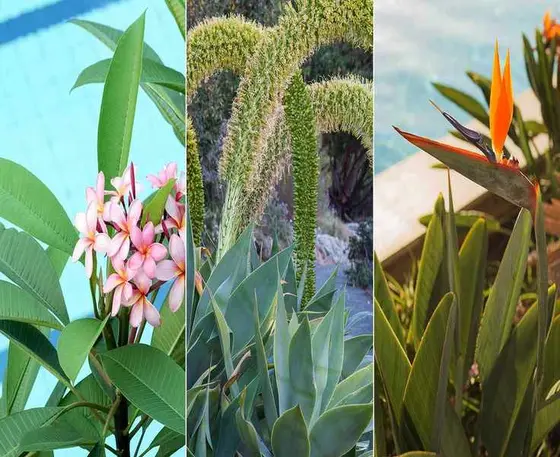
Ornamental grasses, for instance, are a major pollen source for me, so I avoid planting them whenever possible. While there are many over-the-counter treatments available, choosing the right flowers for your cut flower garden is crucial in minimizing allergy symptoms. Here are six flowers that you can grow without fearing a sneeze.
6 Ideal Flowers for Allergy Sufferers
Fortunately, growing flowers and vegetables can help ease hay fever symptoms. Here are some blooms that won't irritate your allergies.
1. Phlox
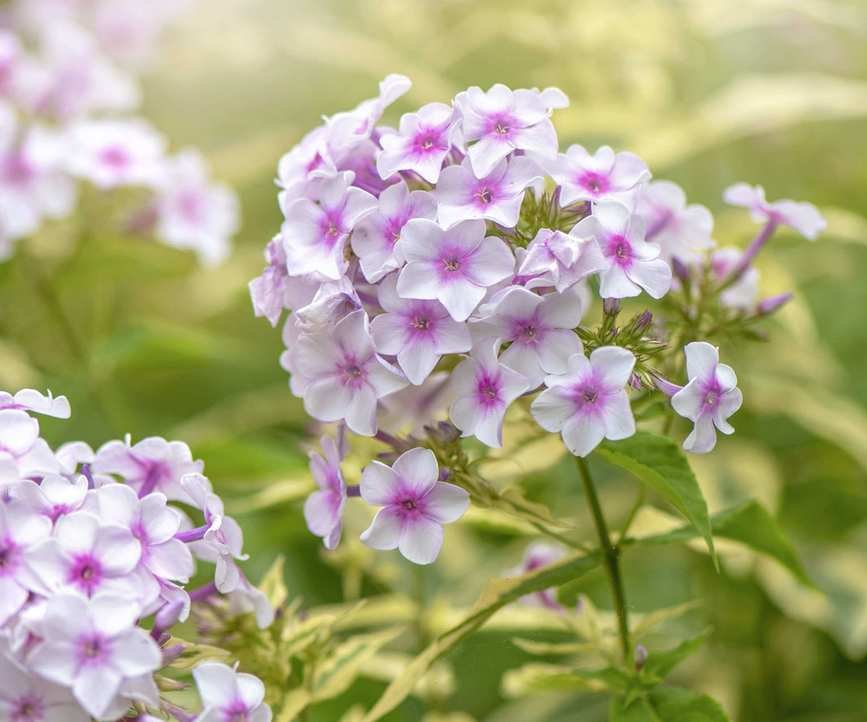
Phlox, especially in its tall, perennial form, is a must-have in my cutting garden. This flower features sturdy stems adorned with clusters of small blooms, making it a worthwhile addition. Phlox thrives in sunny locations but can handle some shade and is also resistant to deer.
Since its pollen isn't airborne, it's unlikely to trigger allergies. The 'cherry cream' phlox paniculata variety is two-toned and fragrant, perfect for any cut flower garden.
USDA hardiness zones 3 - 9.
2. Hydrangea
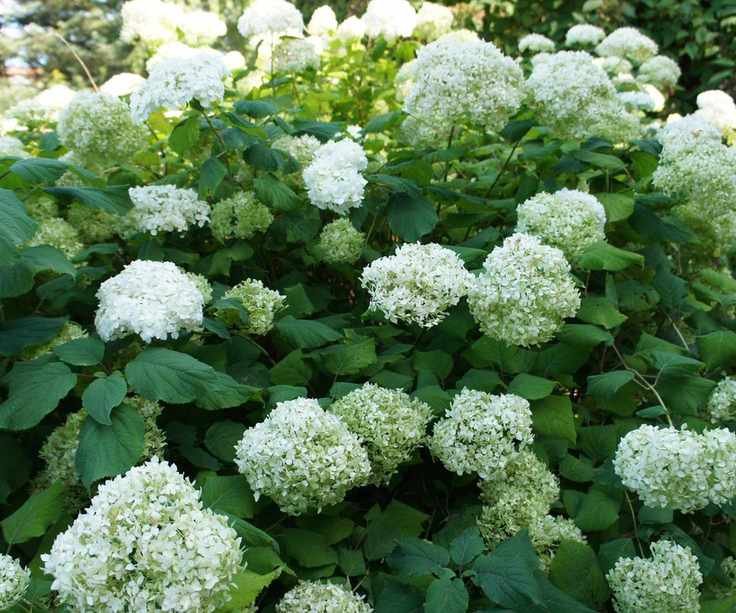
Hydrangeas are generous bloomers that won't cause sneezing. For those sensitive to pollen, opt for big leaf, smooth, or panicle types, such as the 'endless summer' variety, which features large, round flower heads that produce less noticeable pollen.
Hydrangeas are a favorite for arrangements as just a few large blooms can create an elegant centerpiece.
USDA hardiness zones 4 - 9.
3. Verbena
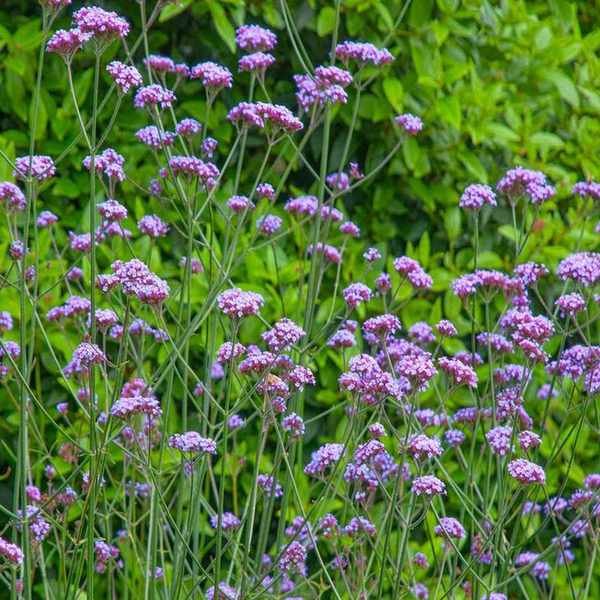
Verbena bonariensis is a tall perennial that self-seeds, creating lovely purple swathes in your garden. While its pollen attracts pollinators, like bees and butterflies, it is not airborne, making it unlikely to worsen hay fever symptoms.
USDA hardiness zones 8-11 as a perennial; it can be grown as an annual in cooler climates.
4. Snapdragons

Snapdragons, or Antirrhinum majus, boast charming spear-like flowers that captivated me as a child. Their unique petals open and close when squeezed, keeping pollen contained and minimizing allergy risks.
Available in a spectrum of colors, you can find snapdragon seeds in various shades that are simple to grow from seed.
USDA hardiness zones 7 - 11.
5. Penstemon
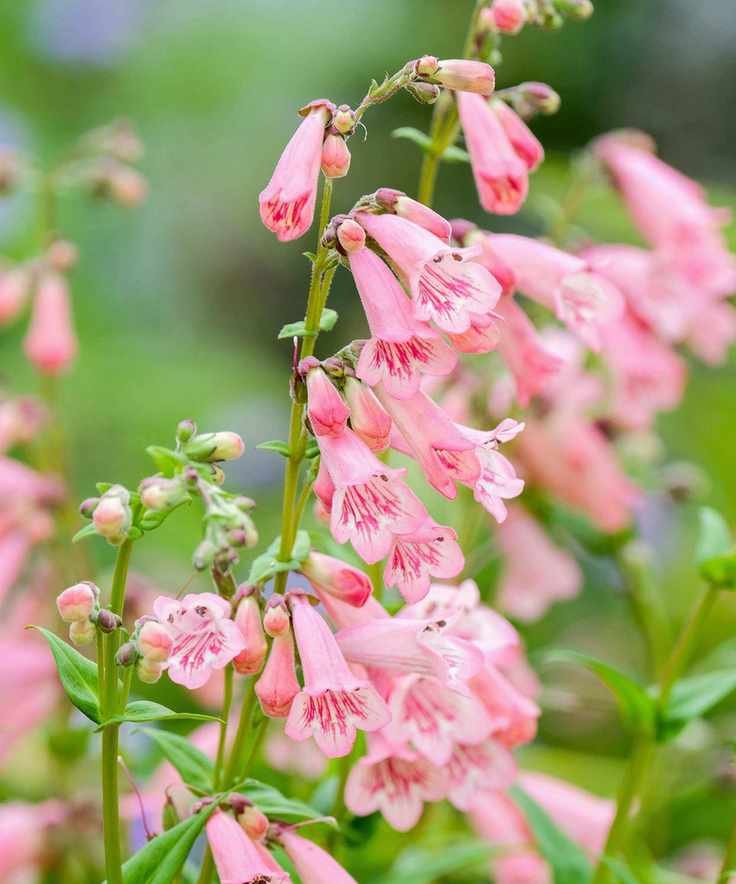
As a cut flower grower, I always include penstemon in my designs. This perennial produces long, slender stems with beautiful bell-shaped flowers.
These blooms are great for pollinators, and their shape keeps pollen contained, reducing allergy issues.
USDA hardiness zones 3 - 9.
6. Iris
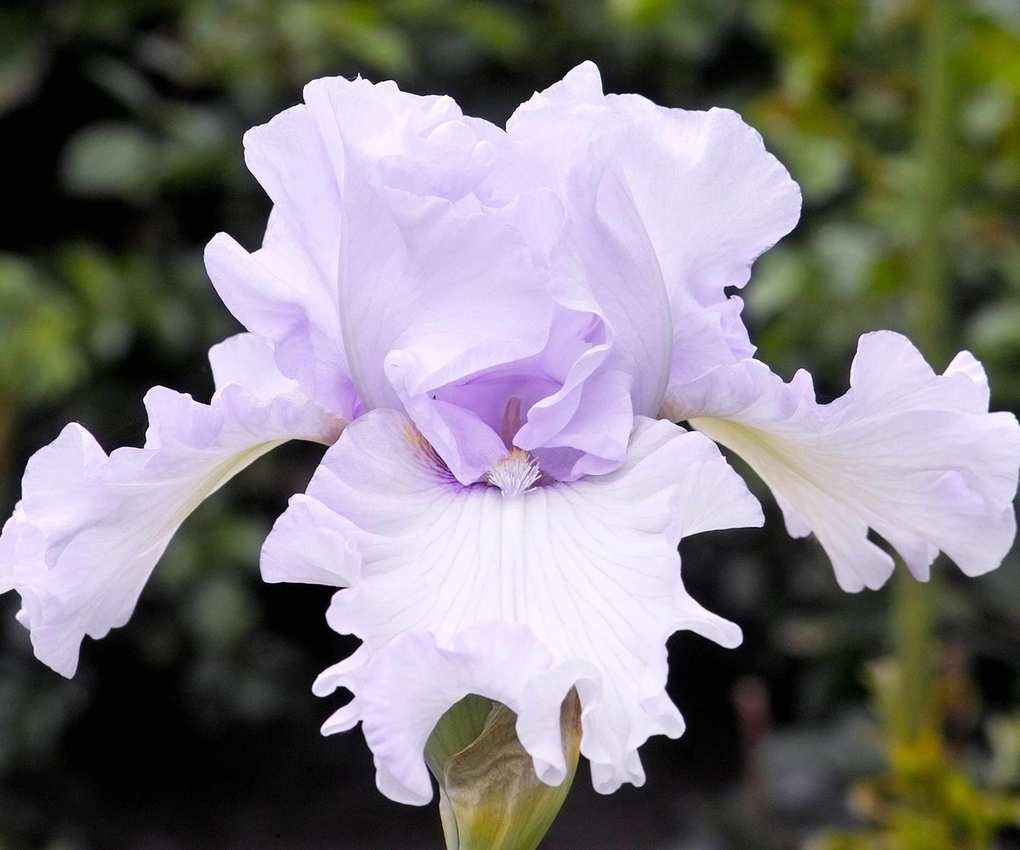
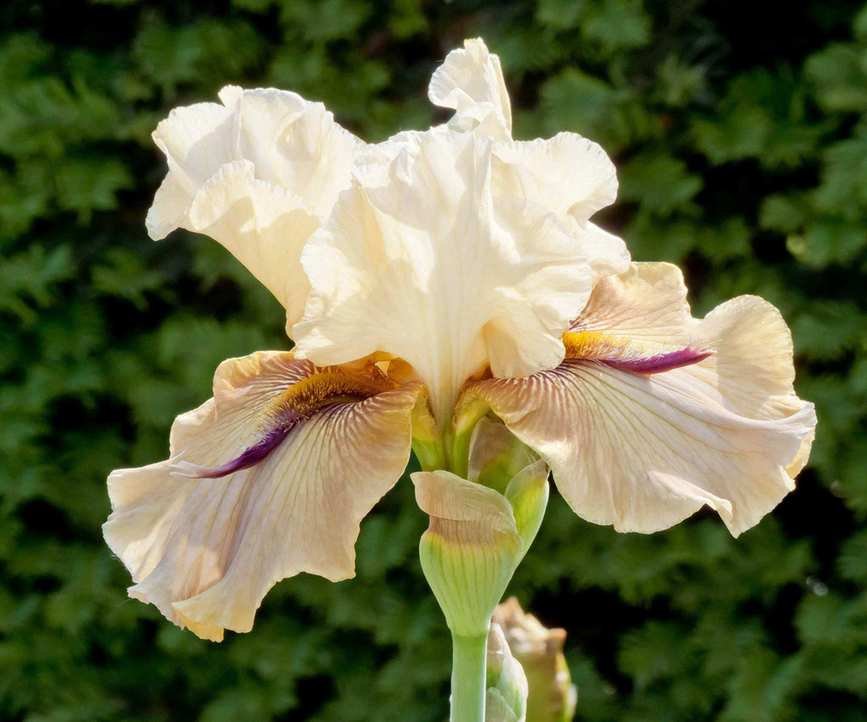
For floral enthusiasts, a bed of bearded iris in summer is stunning. I cherish their unique petal patterns and know I can grow and cut them without allergy concerns. The 'peacock butterfly uncorked' iris variety features striking markings.
Since iris rely on bees for pollination, their pollen isn't airborne, making them safe for those with hay fever. They are hardy perennials, ensuring a reliable supply of cut flowers year after year.
USDA hardiness zones 3 - 9.
Flowers to Avoid for Hay Fever Sufferers
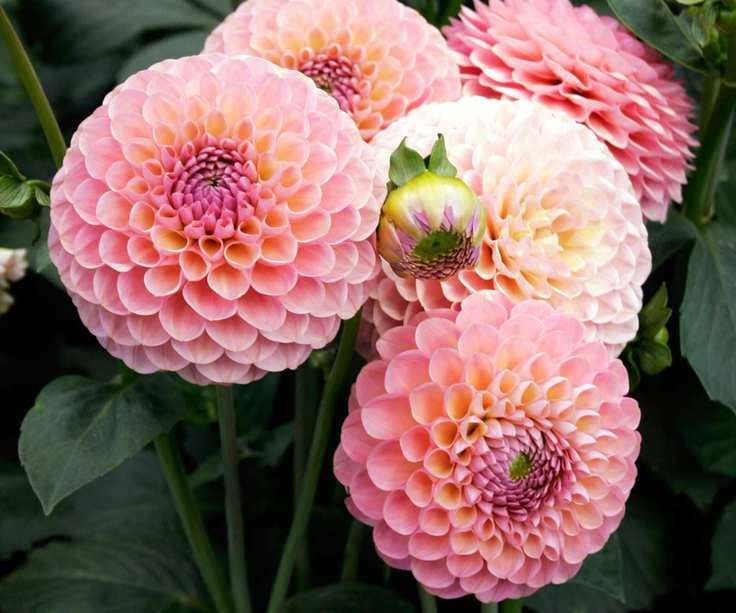
Hay fever is triggered by wind-pollinated plants that depend on the wind to disperse pollen. These species produce more pollen, which is lighter and more likely to cause allergic reactions.
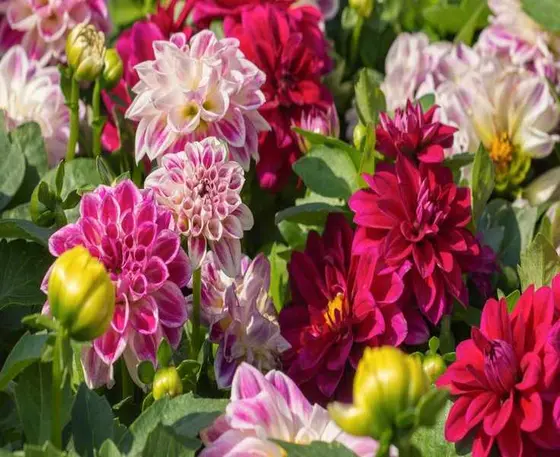
Common cut flowers to steer clear of include dahlias, amaranth, asters, chrysanthemums, sunflowers, and daisies. Avoid ornamental grasses and be cautious with trees that produce catkins.
Even if you have hay fever, you can cultivate a vibrant cut flower garden. Look for flowers with tubular shapes, such as foxgloves, firecracker plants, and trumpet vines.