
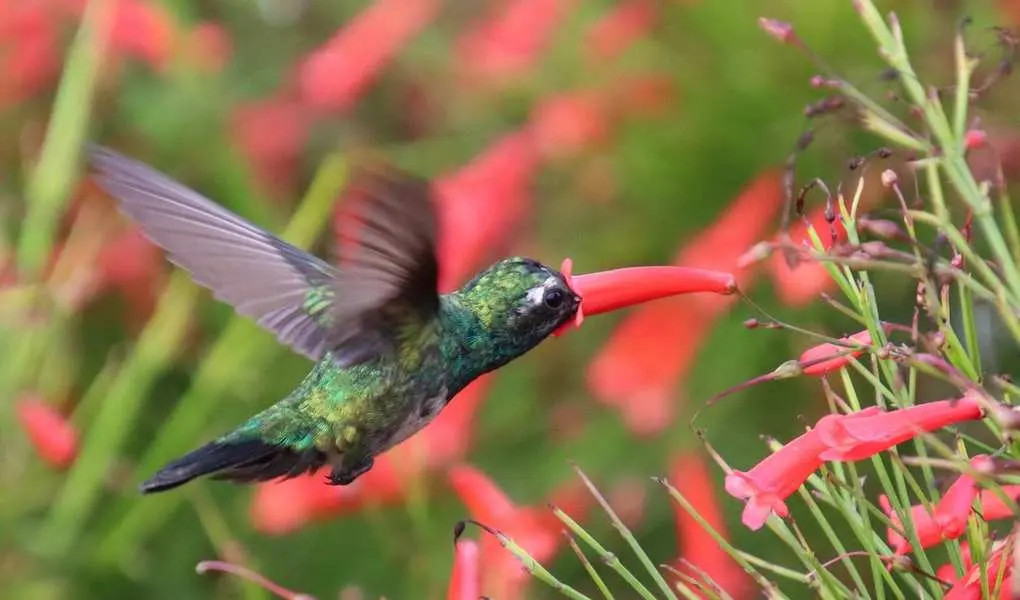
The firecracker plant, Russelia equisetiformis, also known as coral fountain, is an eye-catching ornamental shrub featuring stunning crimson blooms that enhance any backyard. Its catchy name comes from the cluster of tubular flowers that resemble exploding firecrackers.
These tubular blooms share characteristics with other members of the Plantaginaceae family, such as the foxglove and snapdragon.
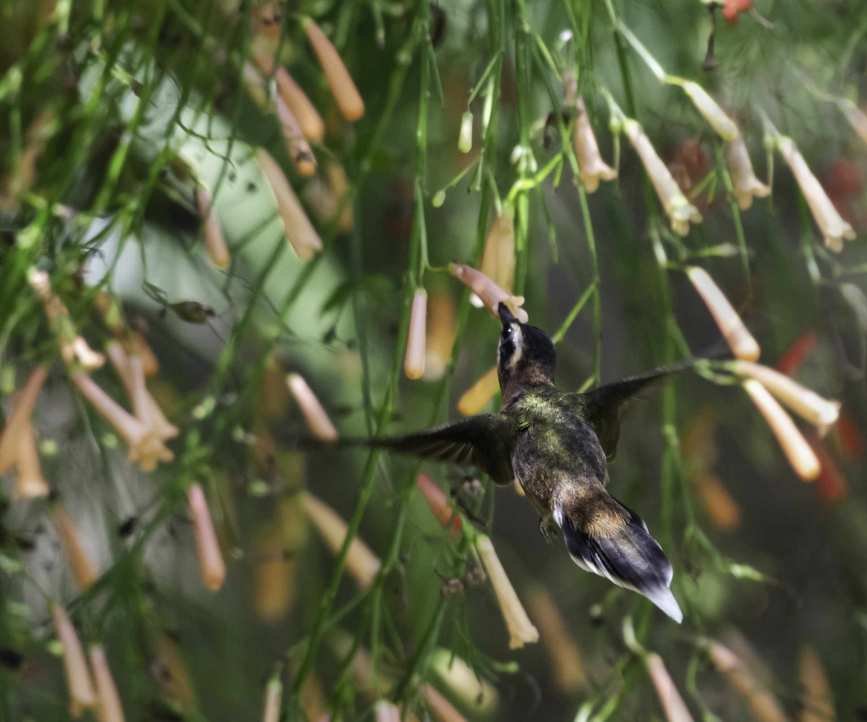
According to a gardening expert, these flowers are particularly appealing to hummingbirds, who favor trumpet-shaped flowers with ample nectar reserves.
Originally from Central America, firecracker plants are favored by gardeners due to their trailing growth habit and long-lasting blooms, often cascading over garden fences and walls.
These plants fit well in various garden settings, adding bright, enduring color to borders, flower gardens, and container displays near entrances.
With their elegant, fountain-like appearance, firecracker plants create a striking visual impact. Keep reading for tips on growing firecracker plants in your yard, including the best conditions for optimal blooms.
Growing the Firecracker Plant
Firecracker plants are adaptable and simple to cultivate, whether in garden borders or containers.
Key Facts About the Firecracker Plant

Cultivating firecracker plants is relatively easy as they require little upkeep once established. Being native to Central America, they thrive in warm climates and flourish in US hardiness zones 8-11.
These plants flourish in sunny spots, preferring full sun to partial shade for optimal growth and blooming.
In cooler climates, firecracker plants can be potted and brought indoors during winter months to shield them from frost. Just ensure they receive plenty of sunlight when indoors. Once established, they are quite drought-resistant, making them ideal for xeriscaping, where conserving water is essential.
The best time to plant is in spring, after the last frost, ensuring the soil is warm enough for successful establishment.
Steps to Grow the Firecracker Plant

- Soil: Firecracker plants adapt to various soil types, including sandy or loamy. They prefer a slightly acidic to neutral pH. Improve the soil by mixing in organic compost during planting, like this planting mix. If your soil is alkaline, consider using a soil acidifier to adjust it.
- Light: Firecracker plants thrive in full sun to partial shade. They need at least six hours of direct sunlight daily for optimal growth. While they can survive in partial shade, too little light may prevent them from blooming vibrantly.
- Watering: Keep the soil consistently moist but never soggy. Incorporate drainage materials like grit or perlite during planting. Water deeply and regularly, allowing the top inch of soil to dry out before rewatering. This plant prefers dry conditions due to its Central American origins and does not tolerate waterlogged soil.
- Fertilizing: As heavy feeders, firecracker plants need ample nutrients to support their prolific flowering. Applying a layer of mulch annually helps replenish nutrients. Use a balanced fertilizer, like this plant food, once a month during the growing season.
- Pruning: Firecracker plants typically need minimal pruning. To encourage bushier growth, lightly prune after blooming. Regularly check for and remove any dead or damaged branches. Pinching back stems after the first month of blooming can also promote more abundant flowers.
FAQs
Can I grow the firecracker plant in zone 5?
Firecracker plants thrive best in zones 8-11. Although not frost-hardy, they can be grown in zone 5 if kept in pots and moved indoors during winter. Ensure they receive maximum sunlight indoors.
Adding firecracker plants to your garden is a fantastic way to introduce colorful blooms. You might also consider tropical flowers like hibiscus or lantana for even more vibrant floral diversity this season.



