

Lantanas are colorful, adaptable flowering plants that many gardeners appreciate for their abundant and hassle-free blooms. If you're seeking low-maintenance backyard ideas that add vivid hues to your garden, lantanas are a fantastic choice.
Originating from the American tropics, these plants are now found in gardens around the globe. They thrive in warm climates, flourishing with ample sunlight. As a result, many cultivate this fast-growing plant as an annual, given its inability to withstand winter temperatures in cooler areas.
Lantanas are well-known for their striking color variations. You can find them in sunny yellows, vibrant oranges, and deep reds, often showcasing multiple shades on the same plant.
With their generous blooming period, lantanas will provide eye-catching color from spring through the first frost, offering a continuous display in your yard. If you're new to gardening, lantana is among the best plants for beginners. Keep reading for essential tips on growing and caring for this showy flower.

Growing Lantana
Lantanas are excellent choices for adding brilliant color to your garden. Ideal for flower beds or containers in full sun, it's vital to adhere to some fundamental guidelines for growing lantana in pots or borders.
Factors to Consider When Growing Lantana
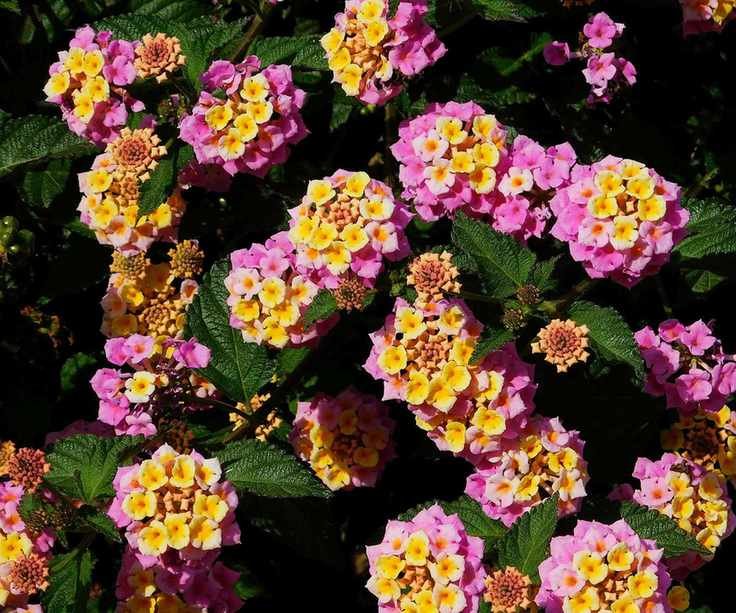
The lantana family encompasses numerous flowering species native to tropical regions of the Americas and Africa. These plants flourish in sunny, warm environments. According to plant expert Tricia Hunt, "Lantanas are heat- and drought-tolerant, thriving in full sun, especially in southern regions."
Tricia adds, "This low-maintenance plant will bloom throughout summer, attracting bees, butterflies, and hummingbirds from dawn till dusk, and you might even spot a hummingbird moth enjoying the nectar."
Most lantana varieties flourish in US hardiness zones 7 to 11. Always check the plant label to ensure the variety suits your climate.
Generally, lantanas struggle in cool winter conditions, although they may endure light frost in fall. Many gardeners treat them as tender annuals. If you can provide winter storage, such as a cold frame or greenhouse, protecting them until spring is advisable.
It's important to note that lantana plants can be invasive in certain warmer states, including Florida, Arizona, and Texas. If unsure, consult your local regulations to find out which varieties are permitted in your area.
Essential Tips for Planting and Caring for Lantana

- Soil: Tricia recommends using "lightly acidic, well-draining soil for your lantana." You might add a soil acidifier to your potting mix to slightly lower pH. Consider this Soil Acidifier from Garden Goods Direct for that purpose.
- Light: While lantanas "can manage partial shade, they won't bloom at their best," says Tricia. For optimal flowering, they should receive at least six hours of sunlight each day.
- Watering: Newly planted lantanas need consistent moisture but become drought-tolerant once established. Regularly check on your plants during dry spells and water as needed. More water leads to increased flowering and growth. If in containers, remember pots can dry out quickly in summer.
- Fertilizing: When planting, mix in organic matter to enrich the soil, negating the need for fertilizer in the first year. If you do use fertilizer, apply a balanced, slow-release organic type at winter's end, but avoid heavy fertilization as it can hinder blooming in favor of foliage growth.
- Pruning: Pruning is vital for maintaining lantana as a perennial, helping keep it compact and encouraging blooms. Spring is the best time for this, cutting a few inches from the plant's base to promote fresh growth. You can also deadhead your lantana throughout the growing season by removing faded flowers, allowing the plant to focus energy on new blooms.
Container Gardening with Lantana
Lantanas thrive in containers, making them perfect for patios or near your home. Being tropical plants, they prefer full sun and will produce vibrant clusters of flowers throughout summer. Remember to water your containers regularly during the hot months, and monthly feeding can enhance flowering duration.
Lantanas not only offer stunning blooms but also attract pollinators. Consider pairing them with other colorful flowering shrubs that invite wildlife, like hibiscus, or check out our tips on growing cockscomb for unique, vivid flowers, or firebush as a native alternative.



