
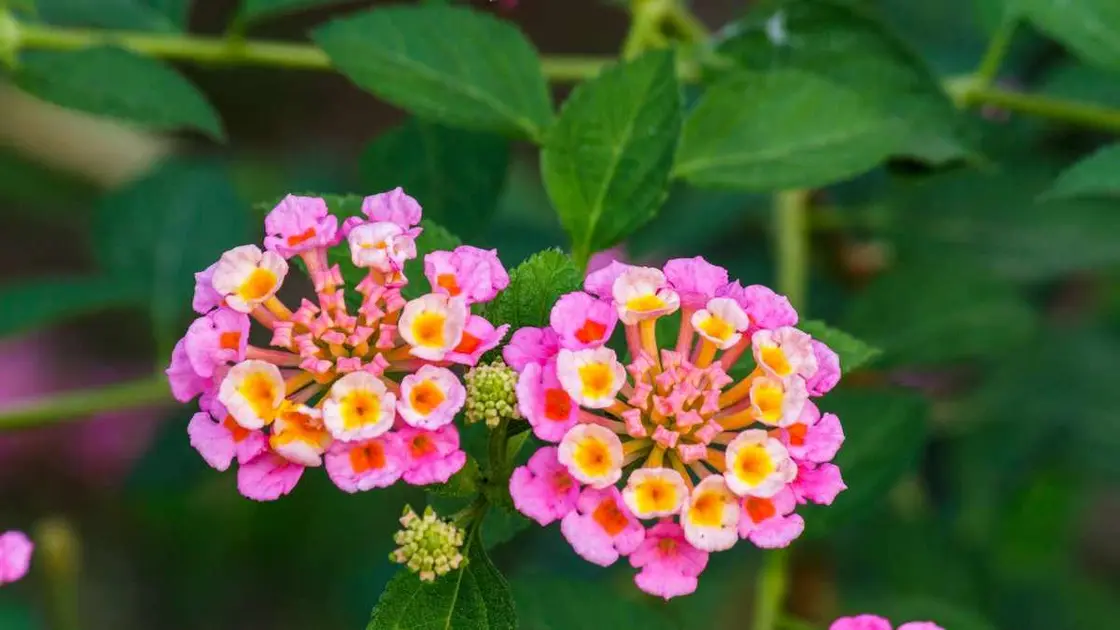
For those with limited space, growing shrubs, perennials, and annuals in pots is a fantastic option. Whether you have a balcony, a small patio, or a narrow garden, impactful planters can truly transform your outdoor area. Among the vast selection of plants, lantana stands out for its low-maintenance requirements and high visual appeal.
Learning to grow lantana in pots is a wonderful way to introduce vibrant colors and interest to any space. This plant, native to the Americas, is prized for its continuous blooms that last from spring until the first frost, and in warmer regions, it can flower year-round.
If you're eager to infuse your garden with pink, yellow, or red flowers this year, consider mastering the art of growing lantana in pots. In this guide, a gardening expert from Tennessee shares everything you need to cultivate an abundance of flowers that attract hummingbirds and other pollinators.

Steps to Grow Lantana in Pots
If you're seeking a burst of color and joy in your garden this year, lantana is an excellent choice.
Regarded as some of the best perennials and annuals for their vibrant blooms, these easy-to-care-for plants will enhance your container displays.
Tips for Growing Lantana Plants in Containers
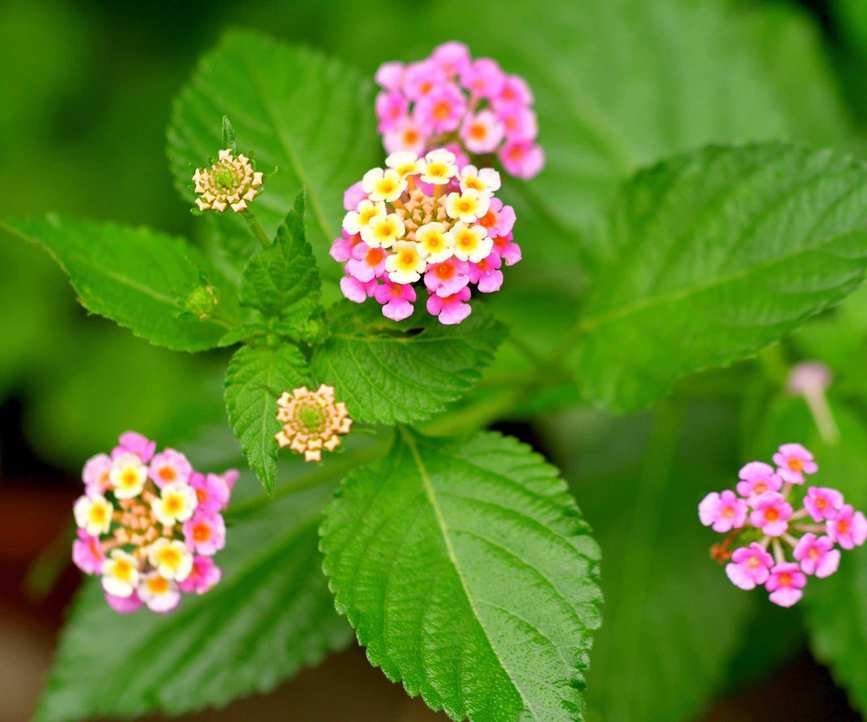
There are about 150 species of lantana found across the globe, with Lantana camara being the most popular in the Americas. Native to Central and South America, this variety is compact and perfect for container gardening, reaching heights of three to four feet.
"For a visually striking plant that flourishes throughout spring and summer, I highly recommend lantana," states Tricia Hunt, a plant expert and owner of Millstone Nursery in Germantown, Tennessee.
"They can be cultivated as either upright or trailing perennials in warmer areas from US hardiness zone 9 and above. In cooler zones, including zone 7 and zone 8, they can also be grown in pots as annuals.
"In the southern regions, lantana can withstand extended periods of heat and drought. Gardeners appreciate them for their low-maintenance nature and robust performance," Tricia adds. "They thrive in sunny locations, so if you're using pots, make sure to place them in a bright and open area."
Lantana prefers rich, well-draining soil, so be sure to fill your pots with a good layer of drainage material, like grit or gravel, followed by a high-quality potting mix. Consider using this organic potting soil from Whitney Farms, available at Walmart.

Tricia is the owner and operator of Millstone Market & Nursery, located in the heart of Germantown, Tennessee. Her sweet, Southern-instilled attention to customer service has grown her one-of-a-kind garden center into a destination.
Maintaining Potted Lantanas
Begin watering your pots weekly starting in spring, or more frequently based on the weather. During July and August, pots may dry out within a day if temperatures rise, so regularly check your containers and use your finger to feel the top inch of soil to ensure your plants remain healthy.
Using high-quality potting soil should reduce the need for fertilizing your lantanas, but you might consider adding a bloom booster to promote abundant flowering in spring and summer.
This organic Dr Earth bloom booster fertilizer, available from Amazon, is effective and user-friendly, featuring a convenient pump action to dispense the right amount into your watering can.
To extend your plants' flowering period, learning how to deadhead lantana is beneficial. This can be done as needed, removing spent flowers to encourage more blooms and maintain a tidy appearance. Additionally, this will prevent your lantana from producing seeds, which can help control the spread of this vigorous species.
It's important to note that Lantana camara is classified as an invasive perennial in states like Florida, Arizona, and Texas. While growing them in pots can prevent their spread, always research before introducing potentially harmful species into your garden.
To be sure, check with your local authorities to understand which plants should be avoided.
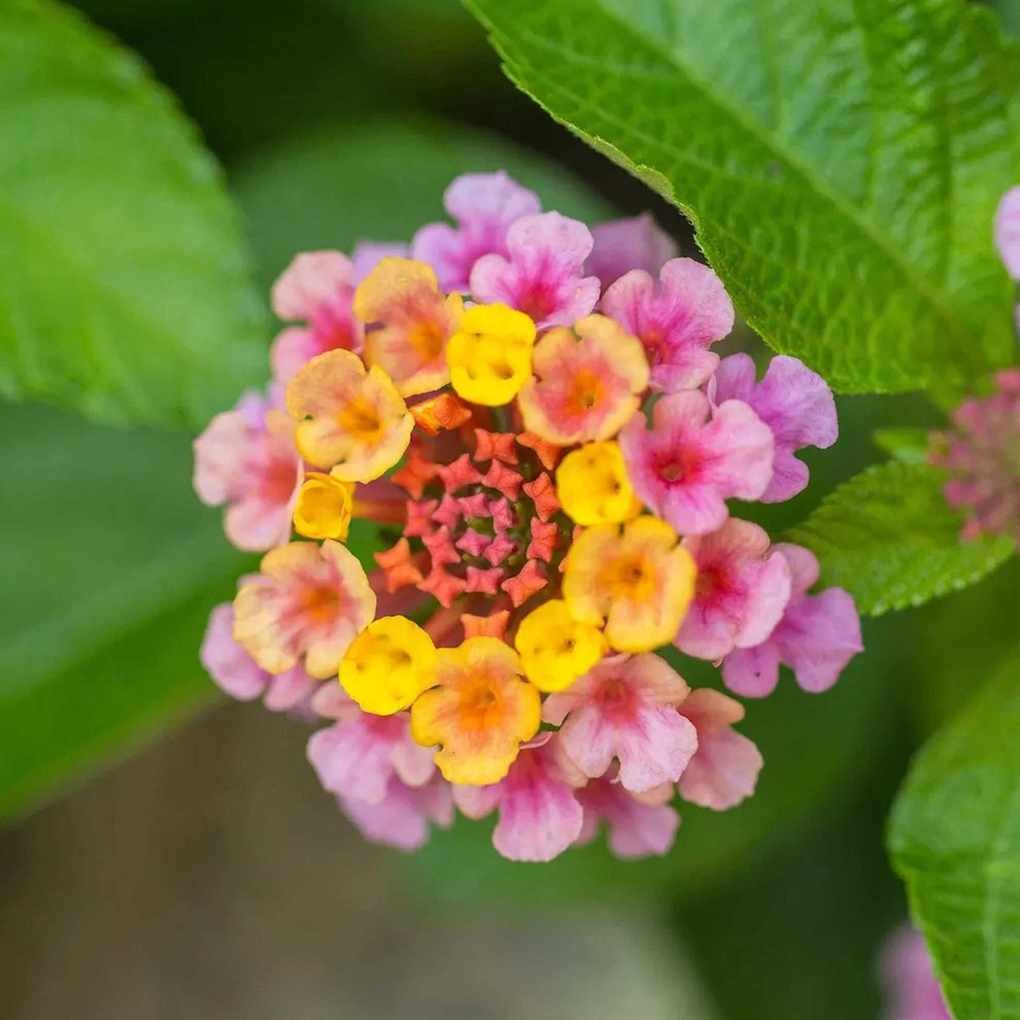
With pink and yellow blooms, Lantana 'Landmark Rose Sunrise' is a popular choice for its steady stream of flower clusters from spring into fall that bees love.

These protective blue leather gardening gloves will keep your hands safe and protected while planting and pruning your lantana plants in the yard.

Constructed from an eco-friendly blend of recycled plastic, stone powder, and wood dust, the 'Myrtlewood Planter' by Gracia Oaks features an attractive stone color and etched design.
Top Lantana Varieties for Container Gardening
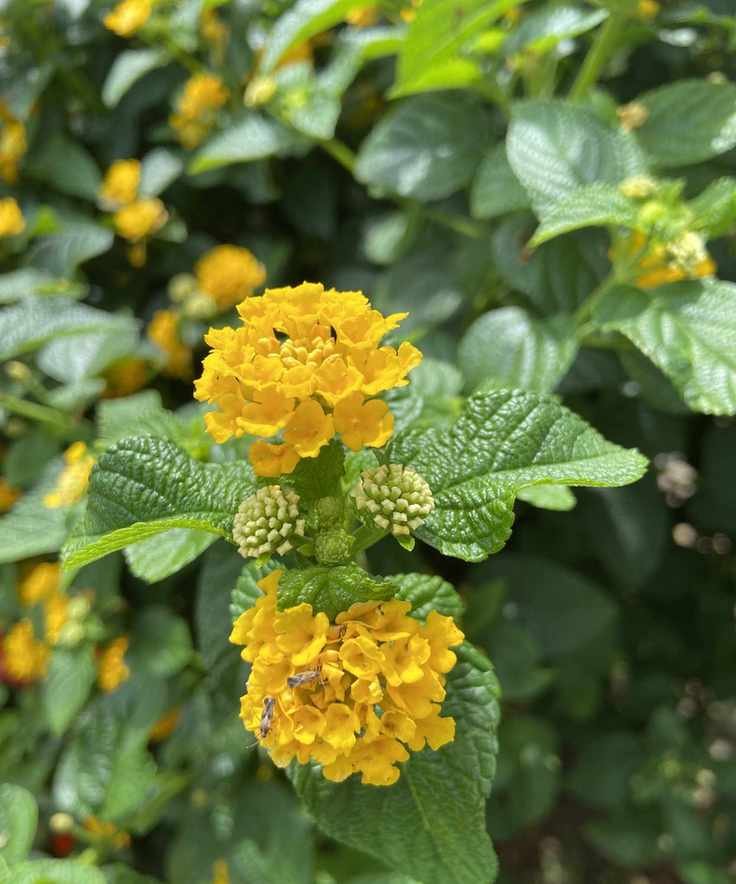
You can grow virtually any variety of lantana in a pot, with plenty of vibrant color options available. Most will reach heights of only three to four feet and will be limited in growth when cultivated in containers.
For a striking option, consider 'Landmark Citrus', which features red and yellow blooms perfect for a bold garden border. Live lantana 'Landmark Citrus' plants can be ordered from Burpee.
If you prefer white flowers, try 'Landmark White', or for a pink option, 'Landmark Rose Sunshine' is a lovely choice.
There are also trailing varieties, such as 'Weeping White' or 'Weeping Lavender', both of which are ideal for cascading over the edges of pots or hanging baskets.
Common Questions
Why do my potted lantana leaves appear powdery and white?
Mildew is a frequent issue for lantana plants during spring and summer, identifiable by its white, powdery foliage. Ensure your pots have ample space for air circulation, as humid conditions can encourage mildew growth. To treat, gently rinse your plants with a hose on a low setting. If necessary, a neem oil solution can be used, but generally, lantana can tolerate minor mildew outbreaks without serious concern.
Is lantana harmful to cats and dogs?
Yes, all parts of lantana are considered toxic to pets, including leaves, flowers, and berries. If you have pets at home, it may be best to avoid planting lantana.
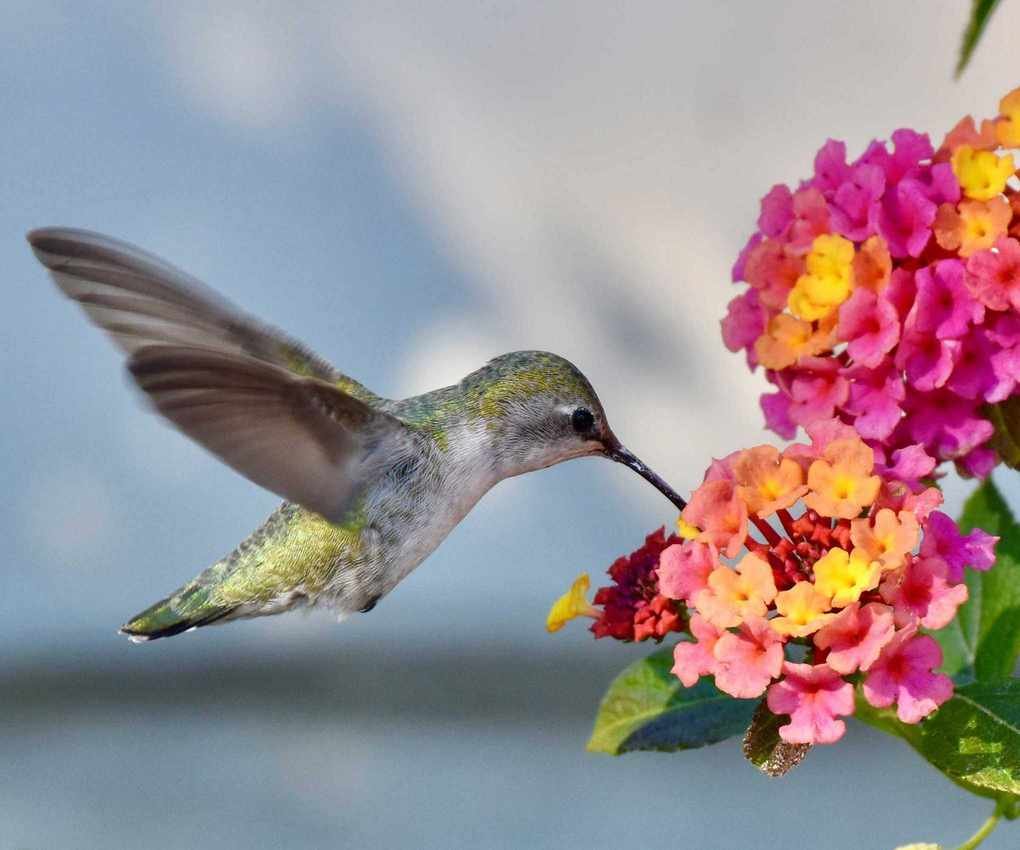
"From dawn until dusk, your lantana pots will attract bees, butterflies, and hummingbirds," Tricia notes. "You might even catch a glimpse of a hummingbird hawk moth enjoying the sweet nectar — what more could you wish for?"
For additional inspiration, check out our guide on plants that attract pollinators to enhance your garden this year.



