
Perennials are essential for any garden, offering vibrant colors year after year. From peonies to coneflowers, these plants thrive in various settings, blooming in spring and summer before receding in fall and winter.
Yet, some perennials can become invasive due to their aggressive growth, overpowering native plants. While fast-growing varieties may initially seem attractive, they can quickly turn troublesome.
While many are aware of invasive trees and shrubs, here are five perennials to steer clear of, along with suggestions for suitable native alternatives.
Avoid These Invasive Perennials
Despite their beauty, some perennials are categorized as invasive plants due to their tendency to dominate gardens. They spread through self-propagation, creeping rhizomes, or rooting stems, making them challenging to manage. Here are five invasive perennials to watch for.
1. Bear's Breeches
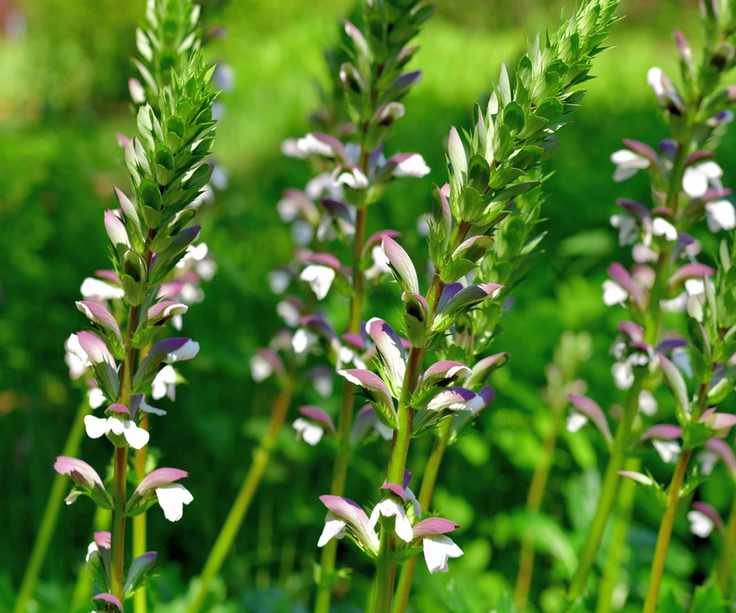
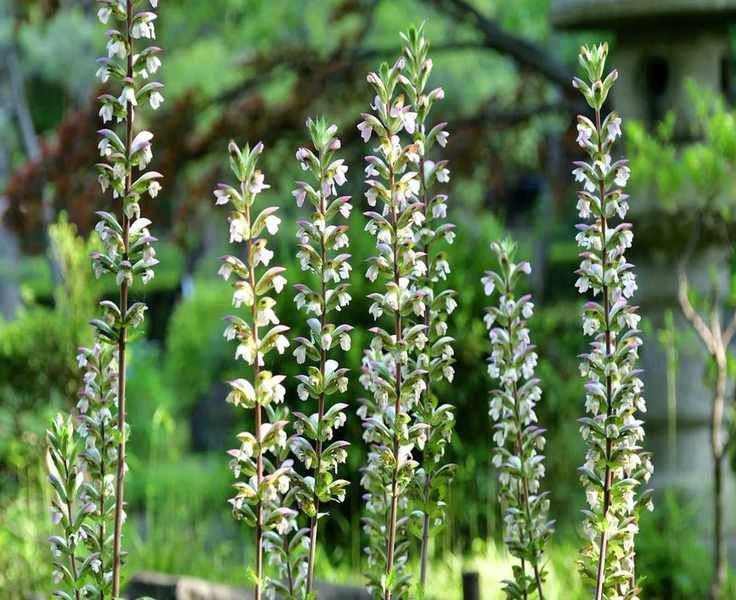
Acanthus, or bear's breeches, is known for its striking foliage and tall flower spikes. However, this perennial can quickly become a nuisance, taking over garden beds once established.
As a former gardener, I've seen bear's breeches fill large shady areas but also overwhelm smaller spaces. If you have a larger garden, consider it for wild patches, but for compact areas, it's best avoided.
Instead, opt for native heuchera varieties like Heuchera americana, available on Amazon. This lovely plant thrives in shady areas and is much easier to control.
2. Ditch Lilies

Ditch lilies, or Hemerocallis fulva, are recognized as invasive in many states. Known as ditch plants, they thrive almost anywhere, making them a double-edged sword for gardeners.
Native to Asia, ditch lilies were introduced to North America in the 1800s. They produce beautiful flowers but can quickly spread through self-propagation, creating a dense root network that's tough to eliminate.
For a more manageable option, consider native irises, such as the dwarf crested iris, Iris cristata, which can thrive in partial shade. This Iris cristata is a great choice for gardens with less aggressive growth.
3. Japanese Anemones
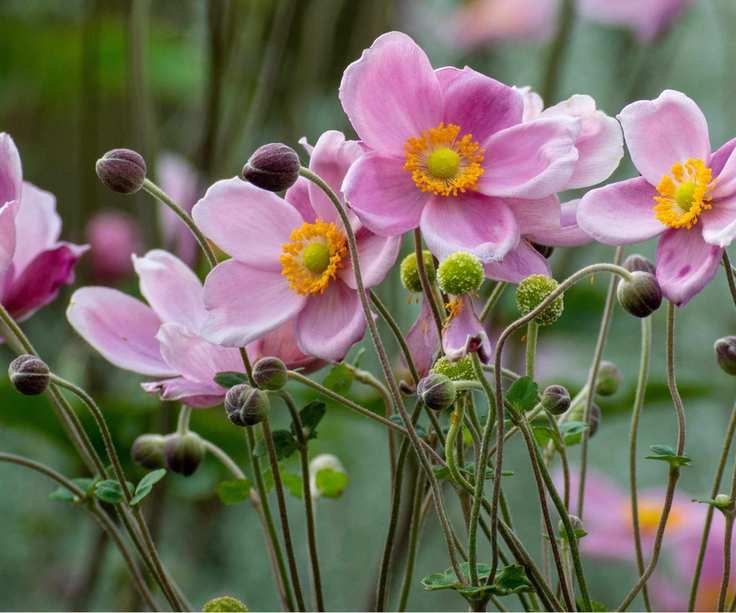
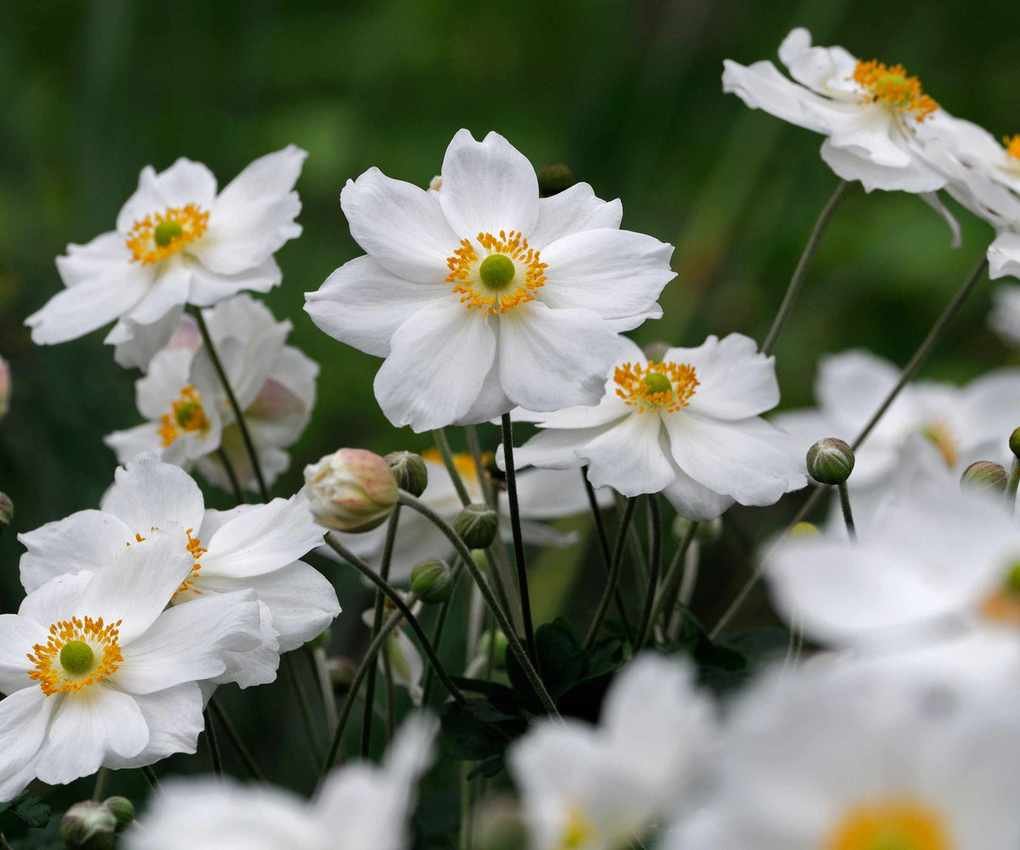
Japanese anemones are loved for their late-season blooms but can quickly spread through underground runners if not managed. While they can be controlled with regular maintenance, they may outcompete other plants if left unchecked.
For a native alternative that blooms in fall, try blue vervain, also known as Verbena hastata. This plant thrives in cooler regions and is hardy from zone 5 onwards, making it a resilient choice.
Native blue vervain seeds are available on Amazon.
4. Purple Loosestrife

While prairie planting is trendy, purple loosestrife, or Lythrum salicaria, is one invasive species to avoid. Known for its stunning purple-pink flowers, it has invaded many wetlands across the eastern U.S.
To achieve a similar look without the invasiveness, try growing goldenrod, or Solidago sempivirens. This resilient species thrives in sandy, dry soils and produces beautiful golden-yellow flower spikes.
Live Solidago plants are available to order from Amazon.
5. Pampas Grass
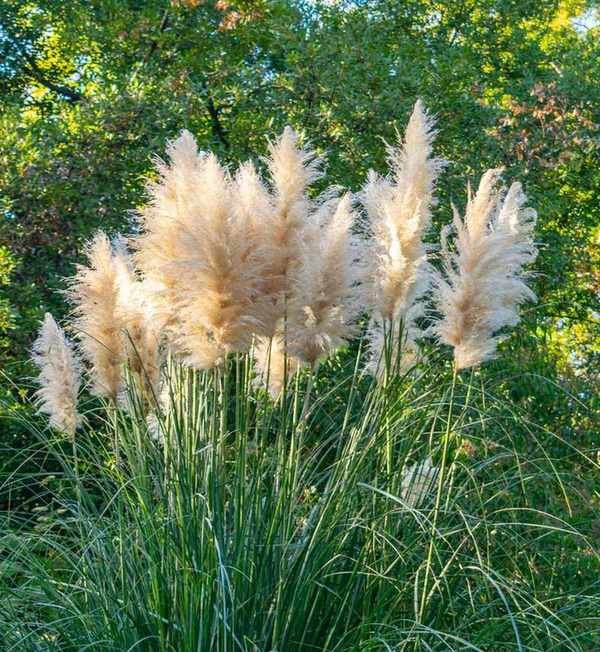
Pampas grass, or Cortaderia selloana, is known for its feathery plumes but has become problematic in many regions, especially California and Washington.
One clump can produce millions of seeds, leading to rapid spread and potential impact on neighboring gardens.
For a similar effect without the invasiveness, consider native ornamental grasses like Festuca californica or California brome grass, Bromus carinatus, which can grow up to six feet tall.
Native grass seed mixes are available on Amazon.
With the right care, many perennials can be managed effectively. If maintenance is a challenge, it's best to avoid these invasives or keep them in containers to prevent spreading. For instance, growing Japanese anemones in pots can help contain their growth in smaller spaces.
For more tips, check out our guide on invasive bulbs to avoid in your garden, which includes guidance on dealing with troublesome species.



