
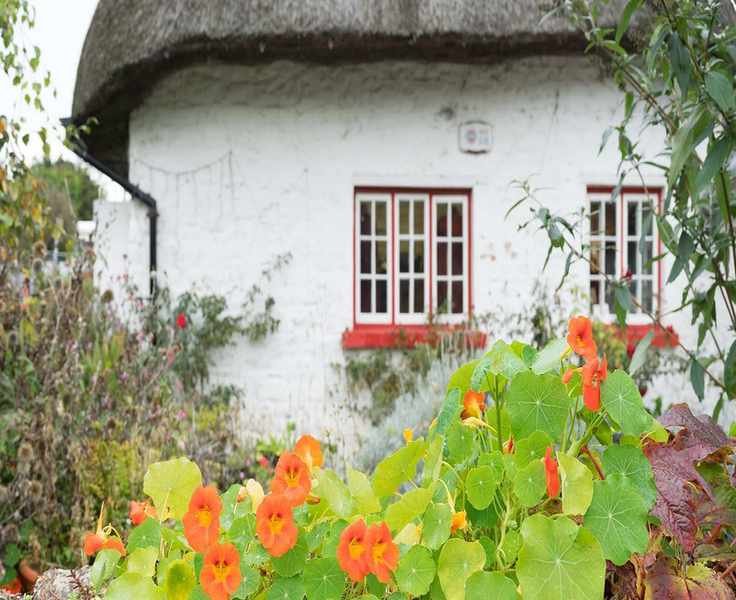
Once you learn how to grow nasturtium, you'll soon enjoy its colorful flowers and edible blooms throughout summer and fall.
This adaptable annual plant comes in bushy and climbing varieties, making it perfect for your flower bed ideas.
One of the joys of gardening is being able to eat what you cultivate. The bright flowers of nasturtium not only enhance your garden's beauty but are also edible. Their petals, seeds, and leaves can be used in various dishes.
According to gardening expert Alys Fowler, "Nasturtium flowers are popularly known for their spicy, peppery flavor in salads. They work wonderfully when mixed with capers to create a unique salsa verde."
The young leaves of nasturtium have a taste similar to watercress, making them a delightful addition to salads, and the seedpods can be pickled to use like capers.
If you're looking for a planting project for kids, nasturtium is an excellent choice since they're easy to care for. Discover when to plant nasturtium seeds and seedlings to brighten your summer and fall garden.
Growing Nasturtium
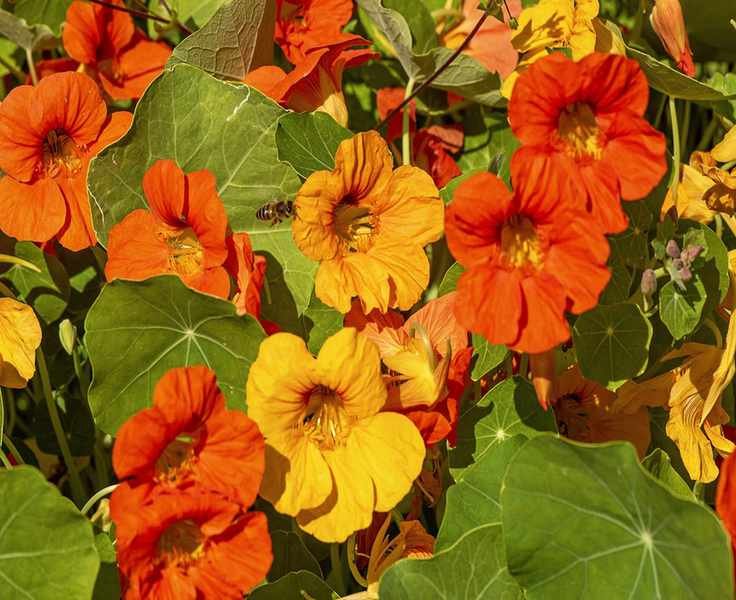
Nasturtiums can be directly sown in garden beds, containers, or trained to climb on supports. They can also trail across gravel or down slopes.
Don McCulley, owner of Swallowtail Garden Seeds, states, "Nasturtiums are easy-to-grow and perfect for edging paths, planting in beds, or enhancing containers. They're among the best flowers for mild weather gardens."
This plant attracts garden wildlife; bees and butterflies love its colorful blooms, and caterpillars enjoy its leaves.
Nasturtium also serves as an excellent companion plant in vegetable gardens, helping to deter pests like aphids and black flies.
Optimal Growing Conditions for Nasturtiums
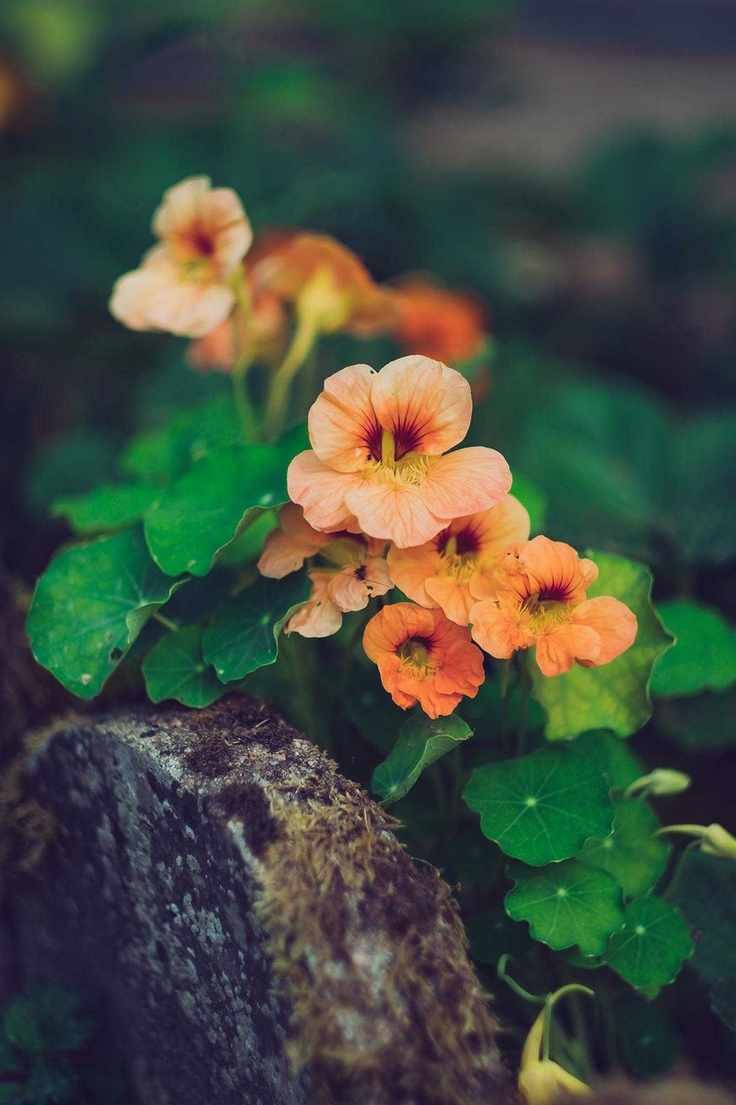
Nasturtiums thrive in well-draining, poor soil with low organic matter. They perform well in stony or gravelly ground.
Alys Fowler notes, "Folklore suggests that nasturtiums flourish best in less-than-ideal soil, as overly rich conditions lead to foliage growth instead of flowers."
Do Nasturtiums Prefer Sun or Shade?
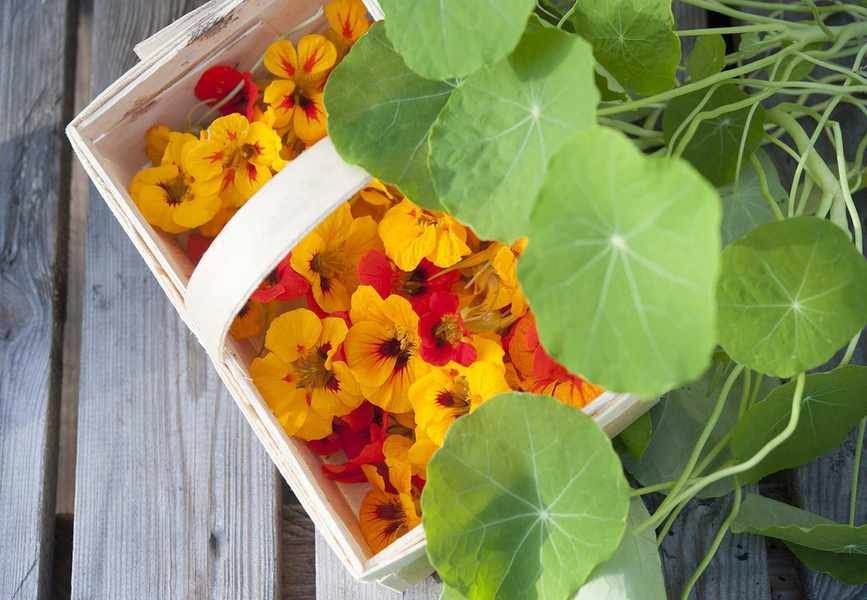
Nasturtiums love sunlight, yielding the best blooms with at least 6 to 8 hours of direct sun daily. While they can grow in partial shade, the flowering may not be as abundant.
Growing Nasturtiums from Seed
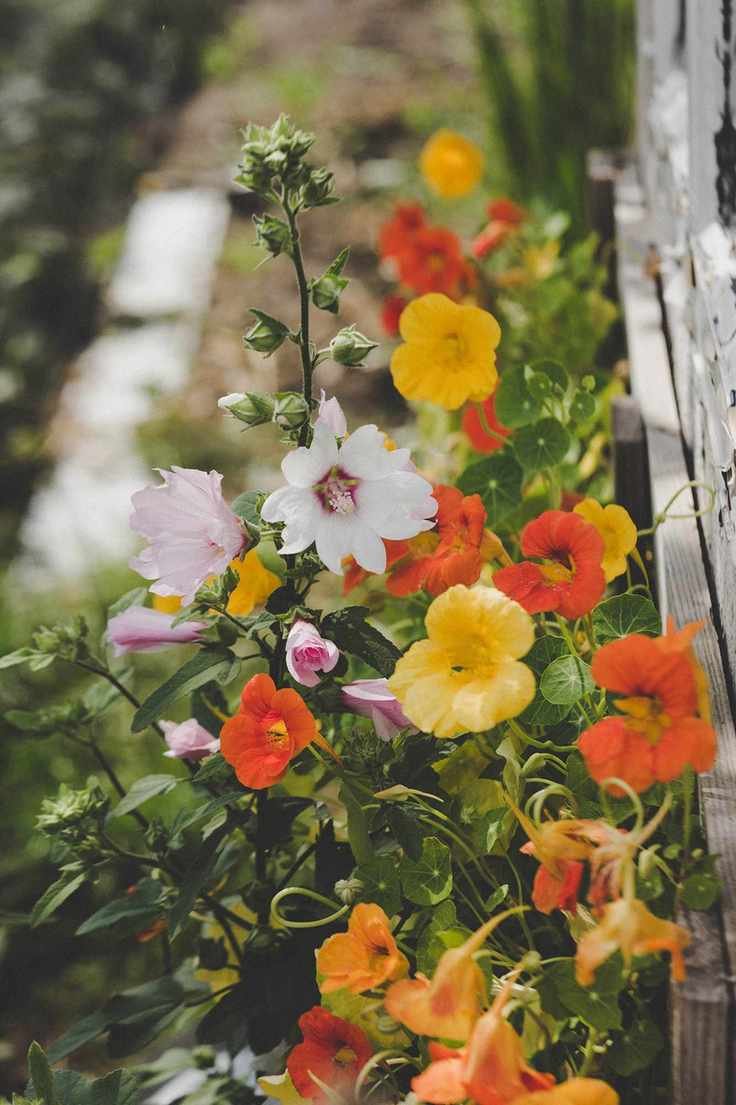
While ready-grown nasturtium plants are available in spring, they are straightforward to cultivate from seeds. You can sow seeds directly into the ground or start them in pots before planting them out. Conservation manager Vicki Cooke emphasizes the simplicity of growing from seed.
Seeds can be sown from mid-spring to mid-summer.
For optimal growth:
- Sow seeds after the last frost; ideal soil temperature is between 55° and 65°F (12° and 18°C).
- Choose a sunny location with free-draining, poor soil; no fertilizer is needed.
- "Plant seeds 3/4 inch deep and 4-6 inches apart," advises Don McCulley.
- They germinate quickly, typically within 7 to 14 days.
- "Thin seedlings to 8-12 inches apart for bush types, and 18-24 inches for trailing varieties," he adds.
- Water regularly during the growing season, but avoid overwatering.
- Expect blooms from summer through fall.
Gardening expert Monty Don mentions, "Nasturtium is very easy to cultivate from seed, and I often use them because they provide vibrant color with a natural trailing growth habit."
Container Gardening with Nasturtiums
"Nasturtiums thrive in pots," explains Monty.
For container planting, bush varieties are better as they stay compact, while trailing types suit window boxes or hanging baskets.
When planting in containers, mix compost with gravel to enhance drainage and limit nutrient levels, as they prefer poorer soil.
Plant one or two seeds per pot to prevent overcrowding.
For potted nasturtiums, a slightly shadier spot can protect them from excessive sun exposure.
Container gardening can add beautiful highlights throughout your garden. Keep the compost evenly moist for container-grown nasturtiums.
Do Nasturtiums Need Support to Climb?
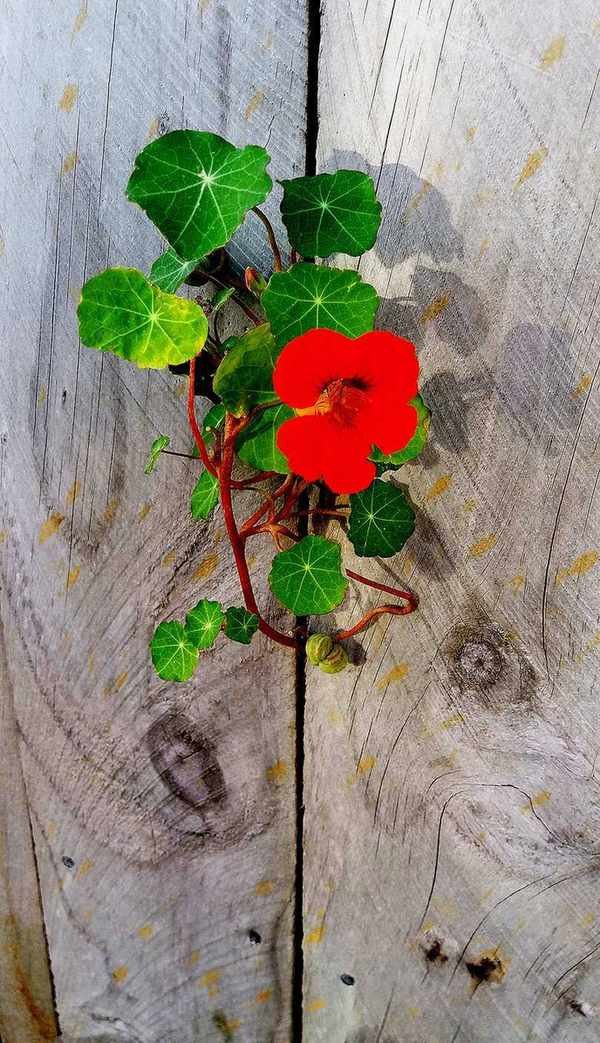
Certain nasturtium types, such as Tropaeolum majus, can climb or trail, forming long vines that twist around supports, reaching heights over 10 feet.
When growing climbing nasturtiums, ensure you provide adequate support.
Maintaining Your Nasturtiums
Nasturtiums are low-maintenance but follow these tips to boost blooms:
- Remove spent flowers to encourage continuous blooming.
- Water consistently to keep soil or compost moist.
- For container plants, trim back during the growing season to promote growth.
- If black flies attack, use a diluted soap solution (1 tsp in 2 liters) to wash them off, suggests Vicki Cooke.
Harvesting Nasturtiums
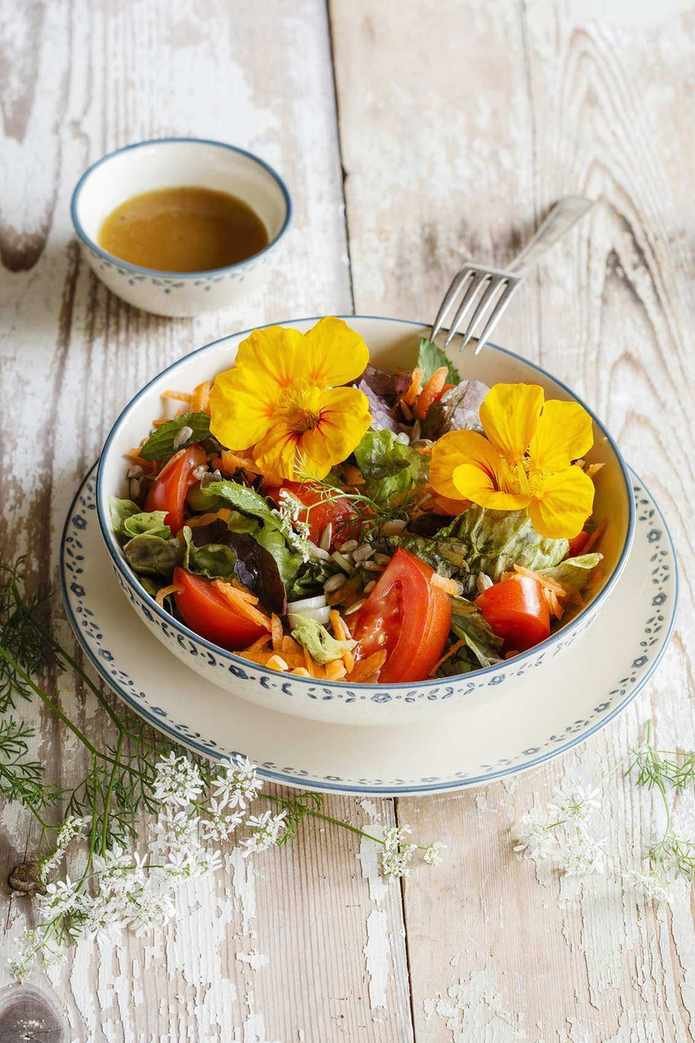
You can harvest leaves and flowers anytime, but younger leaves offer better flavor.
Cut leaves and flowers with scissors to avoid harming the plant and harvest seedpods before they mature. You can save hardened seedpods for replanting next spring. Collect fallen seeds, clean them, and dry them before storing in a paper envelope in a cool, dark place.



