
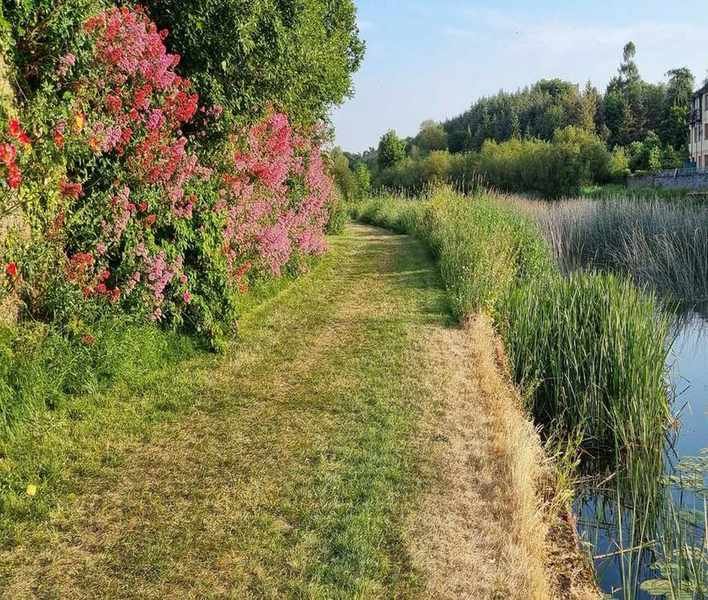
Gardening can be a challenge, especially with extreme weather shifts like flooding followed by intense heat. Regions across the US are seeing these changes more frequently, with places like Iowa facing floods while New Mexico copes with record heat and wildfires.
Plants must adjust to these weather changes, and while many can, it remains a struggle. Even the hardiest species face difficulties during severe weather events.
As a gardener, I've dealt with erratic weather throughout my career. Thankfully, certain perennials, known as ditch plants, show remarkable resilience, thriving in various conditions. These hardy plants are aptly named for their ability to flourish in challenging environments like roadside ditches. For those interested in drought-tolerant planting and flood-resistant options, these tough perennials are a great addition to your garden.
Understanding Ditch Plants
Ditch plants thrive under tough conditions. They can endure harsh winters and long dry spells, continuously blooming despite unpredictable climates.
In my experience, resilient plants develop deep root systems that allow them to access water stored far below the surface. This adaptation is vital during droughts, providing essential moisture for survival.
Notably, native plants with extensive roots can outlast many shallow-rooted species during dry spells. In a world where water conservation is critical, incorporating these native perennials that thrive without much care is beneficial.
While it might be tempting to select exotic plants, considering local flora often yields better results. Researching hardy plants in your area can lead you to resilient varieties that grow on roadways or near railways, which are typically low-maintenance and well-suited to your climate.
Recommended Starter Plants
Verbena Bonariensis is a fantastic choice, thriving in both heat and cold. Plus, it's a favorite among pollinators.
Rudbeckia Goldsturmis, also known as Black-eyed Susan, is a dependable perennial that returns annually with vibrant yellow blooms centered by dark discs.
Salvia 'Pink Majesty' boasts stunning pink flowers, perfect for quickly filling out your borders.
Creative Ditch Planting Ideas
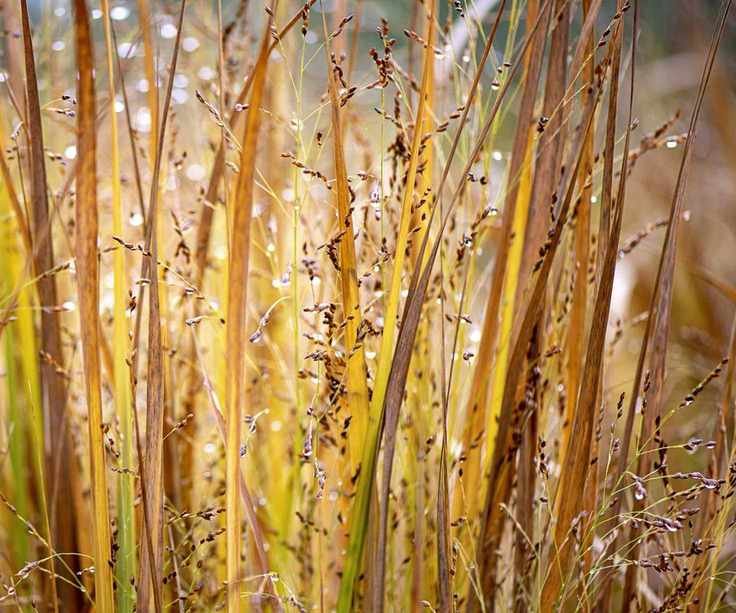
According to Maya Argaman, a native plant specialist at the California Native Plant Society, native ornamental grasses make a hardy addition to gardens. They provide high wildlife value and can adapt to diverse soil and sun conditions. Consider planting California natives like panicum grasses, which can withstand high temperatures. Another option is Muhlenbergia, another native grass that thrives in extreme weather.
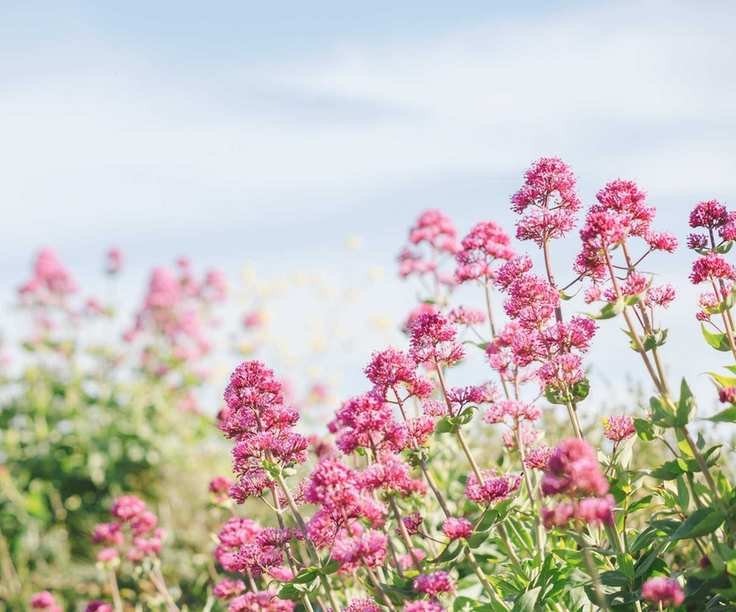
One of the most resilient plants is valerian, Centranthus ruber, which grows effortlessly along train tracks. I once cultivated the white variety, Centranthus ruber 'Alba', in a garden in Tuscany, and it consistently returned regardless of conditions. Native to the Mediterranean, valerian exemplifies the term 'ditch plant.'
For further inspiration, explore prairie planting, which includes species thriving in the American Midwest. Learning how to cultivate verbena is wise if you're after a resilient, low-maintenance plant from the prairies.
Ali McEnhill, a plant expert from Old Dairy Nursery, recommends Verbena hastata, or blue vervain. This North American native features lovely purple-blue flowers and can endure freezing winters in northern regions. It's versatile enough to grow in both moist meadows and sunny fields, making it perfect for areas with extreme weather.
Common Questions
Which ditch plant offers vibrant blooms?
Daylilies are known for their vivid flowers in various shades. Native to Asia, these prolific bloomers deliver a striking display throughout summer, though each flower lasts just a day. Known scientifically as Hemerocallis, they adapt well to various soils and weather. However, take care as they can become invasive if not managed properly.
Utilizing plants that can handle shifting weather is a smart choice, ensuring your garden remains vibrant regardless of conditions. For more garden design tips, check out our guide on creating a rain garden that can withstand flooding.



