
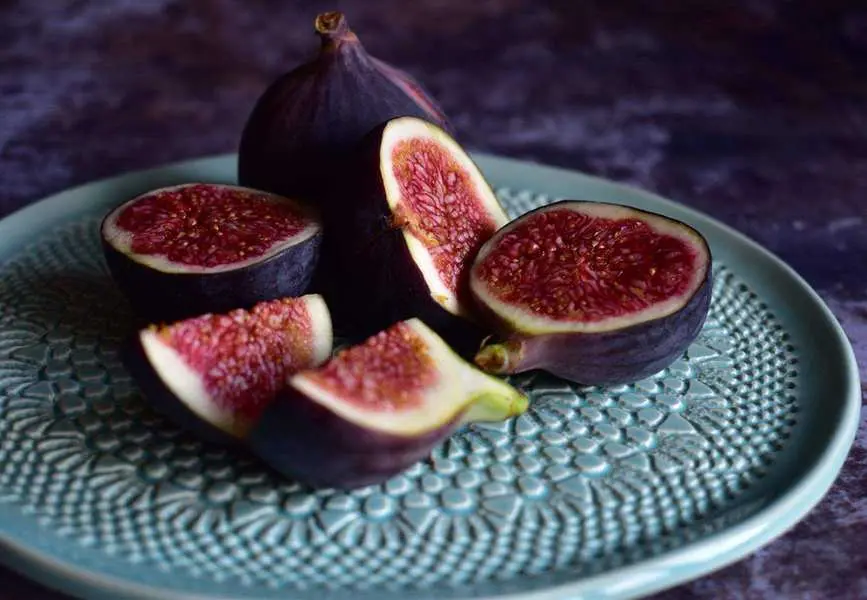
For a thriving fig tree that bears fruit, mastering the art of pruning is essential. Fig trees are versatile, thriving in pots, gardens, or trained against walls, with their beautiful leaves offering a Mediterranean charm to any space.
"Figs benefit from a south-facing wall to soak up sunlight, which is crucial for ripening. Ensure ample watering during summer and provide nutrients as the fruits form," advises a gardening expert.
Starting with Fig Tree Pruning
While pruning isn't strictly necessary for mature fig trees, early pruning can boost fruit production and enhance the tree's appearance.
"Fruits grow on last season's branches, so maintaining enough branches is key for future yields," notes a horticulture specialist.

Pruning Young Fig Trees
To shape young fig trees into a fan formation, remove every other young shoot. "Prune in late winter before new growth starts in spring," the expert advises.
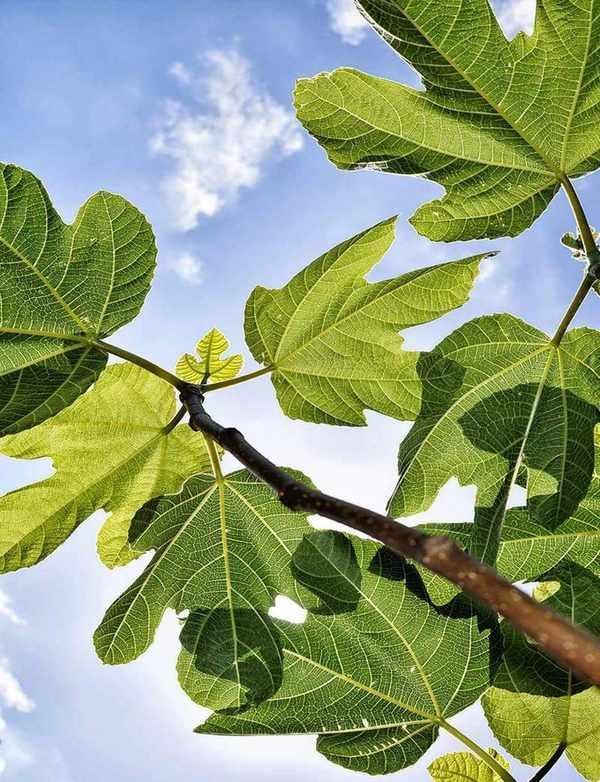
Pruning Mature Fig Trees

Mature fig trees can reach heights of 3m and widths of 4m, making careful pruning essential for management. As figs form on one-year-old wood, strategic pruning encourages more fruit production.
Consider three primary seasons for effective pruning:
- Early Spring: Eliminate crossing or rubbing branches. Retain 4 to 6 of the sturdiest branches as your main fruiting wood, and remove others. Also, cut secondary branches that grow at less than a 45-degree angle.
- Pruning should occur during dormancy to minimize sap bleeding. Significant cuts can lead to excessive sap loss, which may harm the tree.
- Early Summer: Pinch off tips of shoots with five leaves to redirect energy toward fruit growth.
- Fall: Harvest ripe figs. "Figs are ready when the stem bends and a drop of sugar forms at the base," shares the gardening expert.
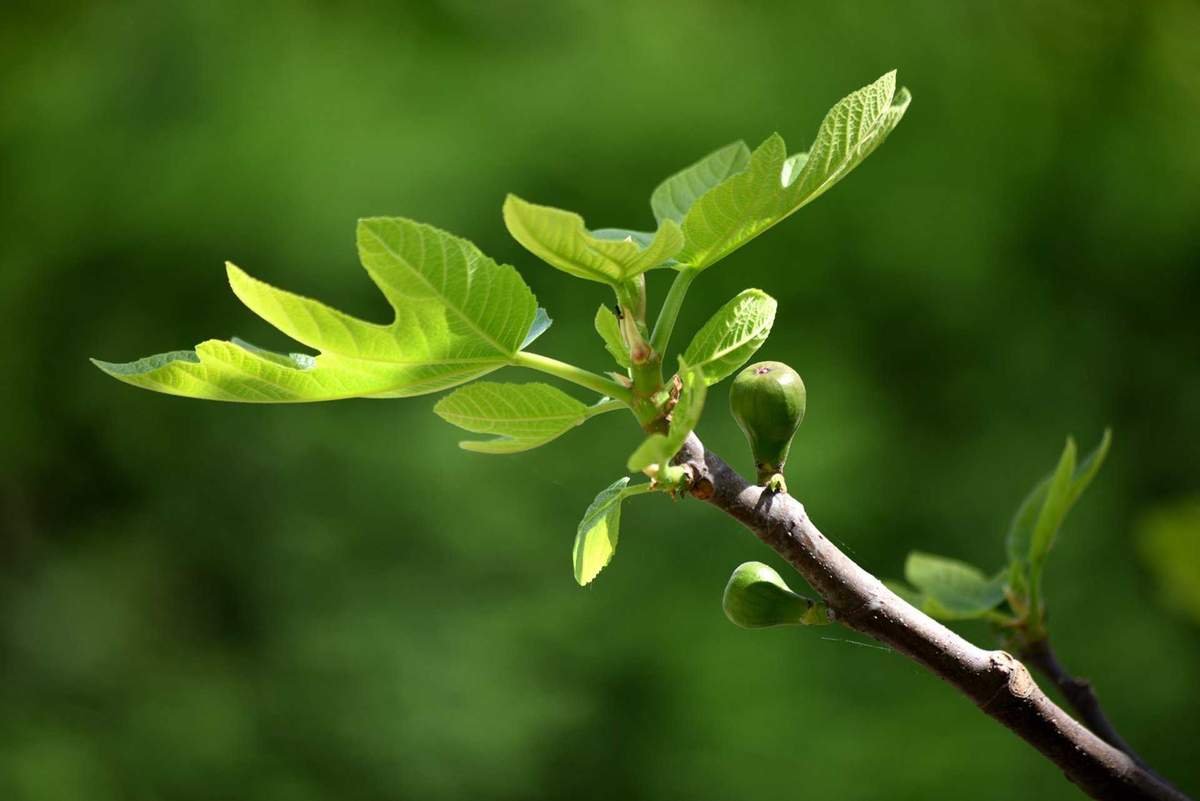
Managing an Overgrown Fig Tree
If your fig tree has become unruly or if you've taken over a neglected one, knowing how to prune is crucial.
- In summer, assess the tree for bare branches or those only bearing fruit at the tips. Mark these for removal later.
- Prune during late winter or early spring to minimize sap bleeding.
- Begin by cutting away suckers from the base of the tree.
- Next, remove any dead or diseased branches identified during your summer assessment.
- You can safely prune up to 25% of the tree, starting with those marked in summer. Leave short stubs when removing large branches to promote new growth.
- Note that heavy pruning may reduce fig production initially, but future harvests will reward you.

Espaliering a Fig Tree
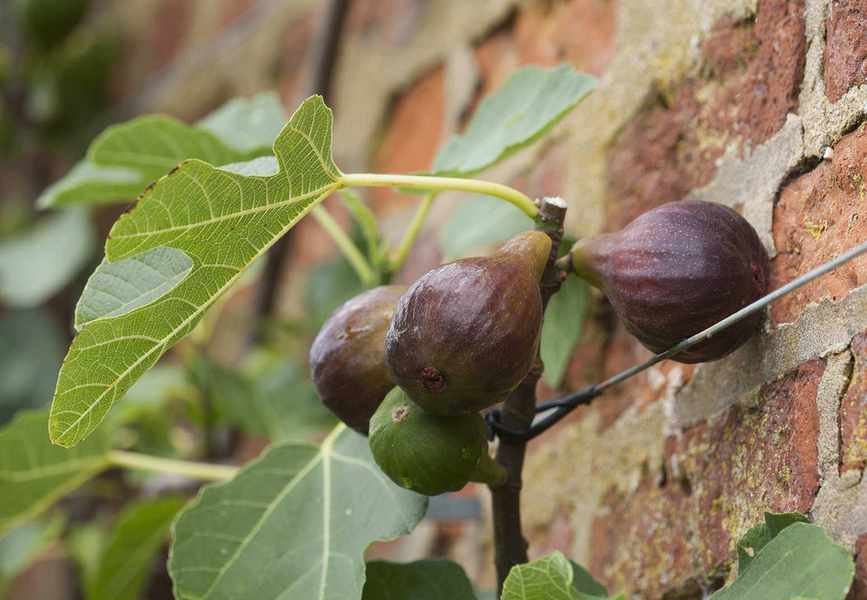
Did you know you can train your fig tree as an espalier? This technique involves training the tree to grow flat against a wall, supported by a framework, utilizing the wall's residual heat for ripening.
The pruning method is similar: secure your tree to a lattice framework on the wall.
A gardening expert suggests:
- Remove unwanted growth before trimming large branches that exceed height.
- Weave or tie in stray shoots.
- Horizontally tie young branches for framework or remove them.
- Spread branches to allow sunlight to reach the fruit.
- Cut away damaged branches.
Timing for Pruning Fig Trees
"Prune figs in March or April after the last frost to protect the cuts from damage while keeping the tree in a dormant state," advises a horticulturalist. This timing helps manage sap bleeding.

Can You Over-Prune a Fig Tree?
Over-pruning is possible but generally, fig trees are resilient. Avoid cutting more than 25% in a year for optimal health.
Excessive removal of new growth will decrease next year's fig yield since figs develop on last year's branches.



