

Crepe myrtle, a stunning deciduous flowering shrub or small tree, showcases a vibrant summer display, thriving in warmer climates. Once established, they're drought-tolerant, with various modern types being ideal for containers or impressive specimen trees in gardens and urban settings. Some varieties add a pop of color to smaller yards.
The bark features a charming mix of peeling cream, gray, brown, and rusty orange. Flowers, which bloom in tight clusters measuring up to 12 inches long and 6 inches wide, come in hues of white, pink, lavender, red, or purple from early summer through early fall, varying by location and species. While some emit a mild scent, it's not typically strong. The name 'crepe myrtle' derives from the crinkled petals resembling crepe paper, along with the neat leaf shape or the supposed myrtle-like fragrance.
Additionally, these plants rank among the top choices for fall color, transitioning to red, gold, or yellow in autumn, and they're also suitable for pot cultivation.
Designated as Texas's official state shrub, crepe myrtle is a premier flowering plant for Zones 7-10, particularly thriving in the Southeast, Southwest, and California, as noted by horticultural expert Michael Dirr in Dirr's Trees and Shrubs For Warm Climates.
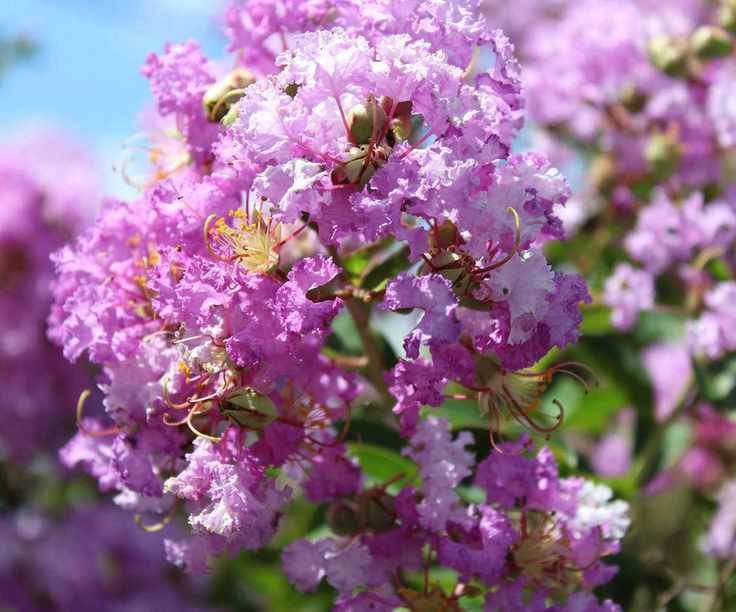
These trees get their name from the flowers, which are reminiscent of crepe paper

Graham is a knowledgeable horticulturist with extensive training at the Royal Botanic Gardens in Kew, England. He has authored over 20 books on gardening and has served as a judge at the Chelsea Flower Show while writing for numerous gardening publications. After two decades of gardening in Pennsylvania, he has returned to England.
Crepe Myrtle Key Facts:
- Plant type: Deciduous flowering shrub or tree
- Mature size: 3-50ft
- Soil type: Well-drained, fertile
- Soil pH: Acidic to neutral
- Best planting time: Late fall, winter, early spring
- Blooming period: Summer to early fall
- Flower colors: White, pink, lavender, red, purple
- Hardiness zones: USDA Z7 (branches), USDA Z5 (roots)
- Scientific name: Lagerstroemia
- Common names: Crepe myrtle, crape myrtle, summer lilac
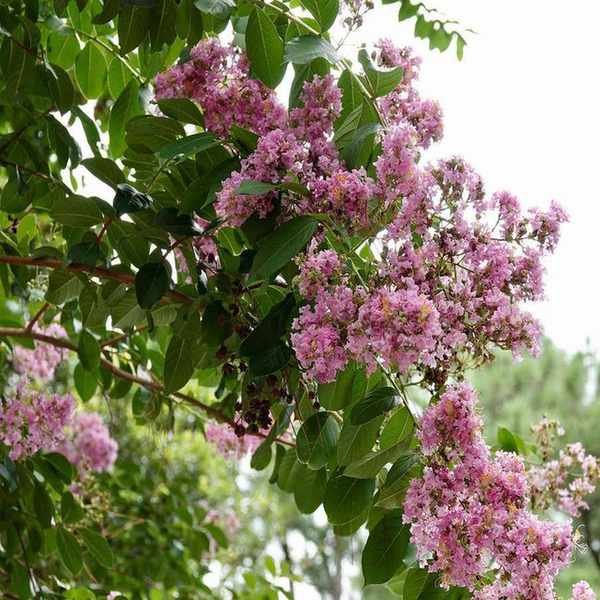
Crepe myrtles have beautiful blooms in summer
Main Types of Crepe Myrtle
Originally from China, Lagerstroemia indica is the classic southern favorite, reaching heights of up to 45 feet and presenting a striking multi-stemmed shape. Visiting the South in summer reveals a spectacular floral display against lush green foliage. As autumn arrives, the leaves transform into vibrant reds, oranges, and yellows, ensuring a continuing spectacle. The colorful bark adds winter appeal.
Lagerstroemia faurei, introduced from Japan in the 1950s, showcases less vivid blooms but is mildew resistant and features more colorful bark.
Lagerstroemia hybrids combine traits from both species, leading to many colorful, disease-resistant options that are increasingly popular.
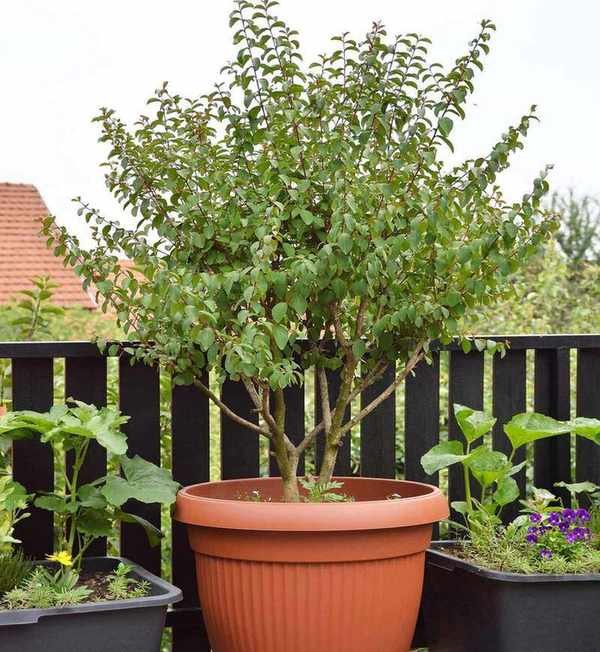
Some smaller varieties are well-suited to containers
Selecting a Crepe Myrtle for Your Yard
With a palette of blooms in white, pink, red, and purple, plus appealing foliage and exfoliating bark, crepe myrtles have long graced southern landscapes. You can enjoy their beauty regardless of garden size, as experts suggest.Wayside Gardens.
Begin by choosing mildew-resistant options, like 'Natchez' (white) or 'Apalachee' (lavender).
Consider the mature size of the plant to ensure it fits your space. Varieties suited for containers are available, along with larger specimen trees. For pot cultivation, options like 'Chickasaw', 'Pocomoke', or the Infiniti Series are ideal. For specimens, explore 'Muskogee' and Dynamite ('Whit II'). Look for varieties with rich, dark foliage for added color before, during, and after blooming, such as 'Ebony and Ivory' (white flowers) and the Black Diamond Series.
Opt for varieties that deliver colorful flowers, excellent fall color, and attractive winter bark, with disease resistance. Good all-rounders include the Center Stage Series (three colors).
Some nurseries offer trained crepe myrtles in tree form, while most grow in a natural multi-stemmed style.
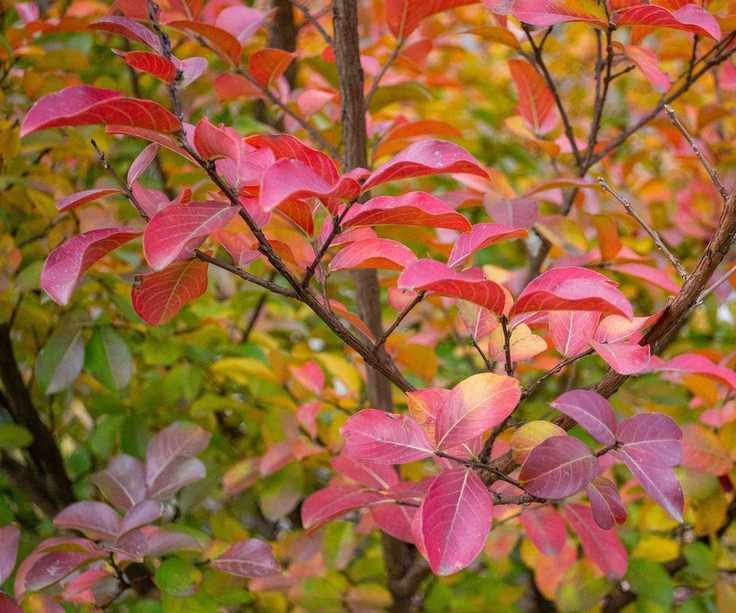
Choose a variety with beautiful fall foliage
Optimal Planting Locations for Crepe Myrtle
According to the Florida Cooperative Extension Service, crepe myrtles are favored for their long-lasting summer flowers, stunning fall foliage, and drought resilience, making them perfect for urban or suburban landscapes.
Plant in a sunny location, as crepe myrtles thrive in full sun and won't flower well in shady areas. Ensure there are no nearby trees that might shade your crepe myrtle in the future.
Ideal soil retains moisture without becoming waterlogged, preferably acidic. If your garden supports azaleas and rhododendrons, it should suit crepe myrtles too. If not, consider a dwarf variety in a pot with azalea-compatible potting mix, noting that container plants are less cold-hardy than ground-planted ones.
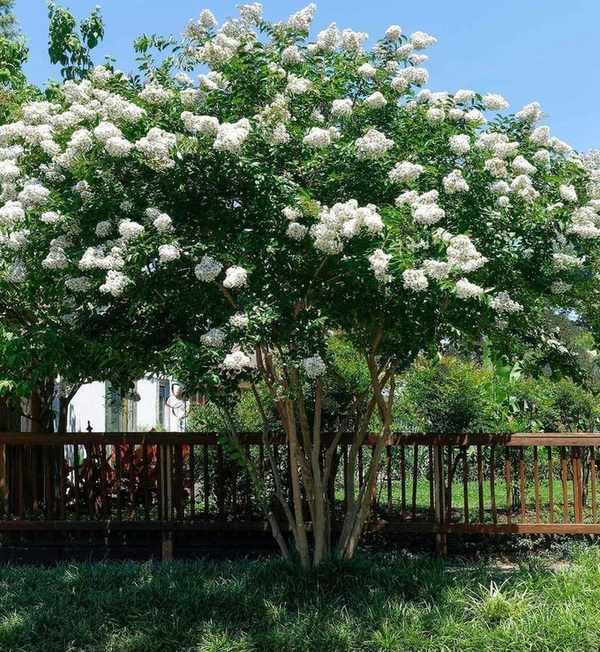
Don't plant your crepe myrtle in the shade
Planting Crepe Myrtle
Follow these key steps for successful planting:
Crepe myrtles should be planted in late fall, early spring, or winter in frost-free areas. If you buy a blooming plant in summer, irrigate regularly to keep roots moist.
- Water your new crepe myrtle with a suitable liquid fertilizer for acid-loving plants, such as those for rhododendrons and azaleas.Amazon offers various options.
- Dig a hole three times the width of the pot and slightly deeper. Crepe myrtles have broad, shallow root systems.
- Loosen the soil at the bottom of the hole, add two inches of lime-free garden soil or composted bark, and mix it in. Position your plant in the hole, adjusting the soil so the pot's top is level with the surrounding soil.
- Remove the plant from its container, place it in the hole, mix more garden soil with the removed soil, and fill around the roots. Firm it with your foot, adding more soil if needed.
- Irrigate again with azalea food and apply 2 inches of composted bark or chips as mulch.

Feed your crepe myrtle when you plant it
Caring for Crepe Myrtles
Crepe myrtles are generally low-maintenance and easy to grow.
Your new plant may have been trained as a single trunk or multiple stems. Continue the care style initiated at the nursery.
In the first couple of years, ensure roots stay moist. Established plants are drought-tolerant but may need watering during extremely hot summers.
Light fertilization boosts growth, particularly in poor soils. Use Holly-tone or another azalea-friendly shrub fertilizer in spring, available on Amazon.
In Zones 6 and 7, harsh winters can damage crepe myrtles, potentially killing branches or even the entire plant. However, unless the cold lasts long and is severe, new shoots should emerge from the roots the following spring.
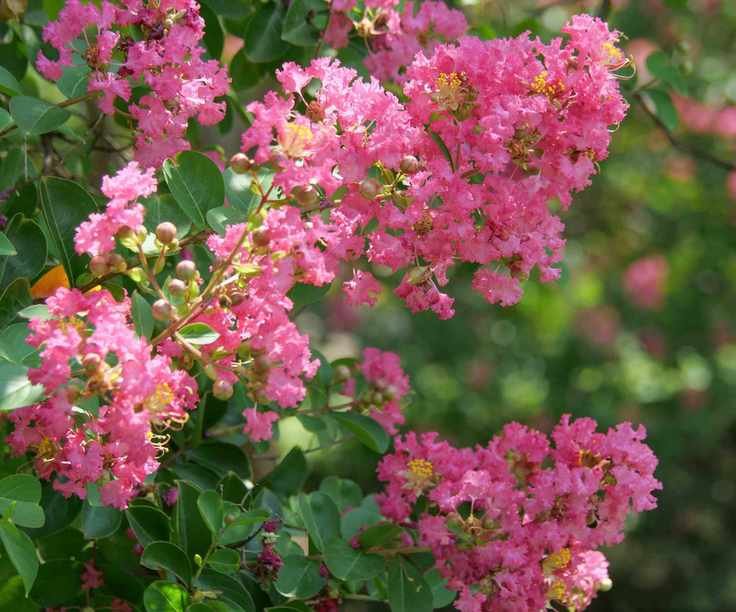
These trees are generally low maintenance
Pruning Crepe Myrtles
Proper pruning is essential for maintaining bloom production, as incorrect techniques can hinder flowering.
Crepe myrtles flower at the tips of new shoots each summer. They don't respond well to hard spring pruning like roses or butterfly bushes.
After flowering, promptly deadhead smaller plants to prolong the blooming season. In spring, remove dead, diseased, or damaged branches, including those affected by severe winter weather. Remove unwanted base shoots as well.
Thin overcrowded growth by cutting a mature shoot at the base for a tidier appearance, but avoid cutting into old growth when pruning.

Remove dead and diseased branches in spring
Propagating Crepe Myrtles
To propagate crepe myrtles, take cuttings in late fall without needing special equipment.
Using sharp pruners, cut stems about 8 inches long and no thicker than 1/2 inch. Trim the top just above a bud and the base just below. Fill a 5-6 inch pot with moist potting soil to accommodate six cuttings, tapping the pot to settle the soil. Insert each cutting so a quarter of its length remains above the soil. Water thoroughly and place the pot in a bright, sheltered outdoor location.
In areas prone to winter frost, find a protected spot for the pot, such as a screened porch or sunroom.
As shoots develop in spring and roots emerge, move the pot to a sunny location. Ensure that the cuttings do not dry out. Once they grow well, transplant them individually or into separate pots before planting them in the fall.
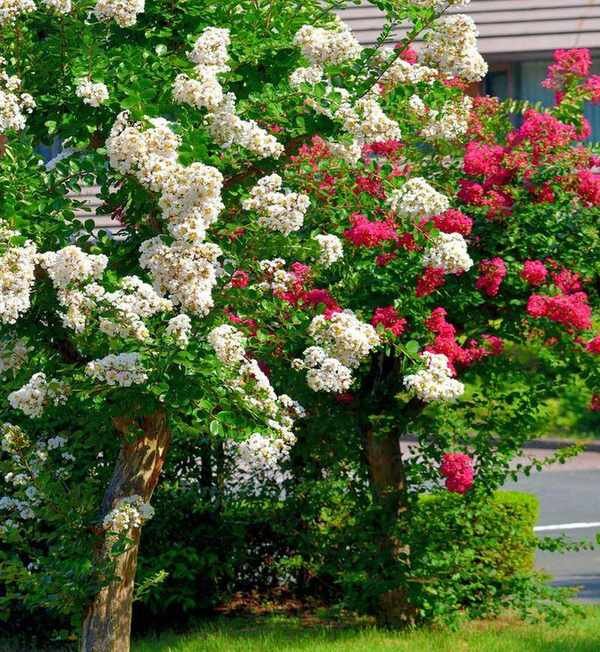
You can propagate crepe myrtles from cuttings
Addressing Crepe Myrtle Issues
Common problems include mildew, leaf spot, and aphids.
Mildew: Powdery mildew is common, but resistant varieties are changing this trend. Infected plants develop a white, dusty coating. Initially, white spots appear on the upper leaf surfaces, merging and spreading to the undersides. Leaves may dry, brown, and fall off.
Crucially, the mildew affects only crepe myrtles and doesn't spread to roses. Sprays can treat mildew, but choosing resistant varieties is the best preventive measure. Many modern crepe myrtle varieties resist mildew, while older ones are more susceptible. Always check labels for resistance.
Leaf spot: Known scientifically as Cercospora, leaf spot manifests as yellow or tan spots on upper leaves, typically starting mid-summer, with corresponding gray patches below. As spots merge, leaves may turn yellow or red before dropping off. Leaf spot can escalate in warm, wet conditions, leading to significant leaf loss.
Prevention is key. Choose resistant hybrids and avoid wetting leaves while irrigating, as this promotes infection. Remove and dispose of infected leaves, and consult local extension services for safe fungicide options.
Aphids: Crepe myrtle hosts its own unique aphid, which rarely causes serious harm. These small, pale yellow insects feed on the undersides of leaves. Most gardeners tolerate them, but organic insecticides are available if needed.
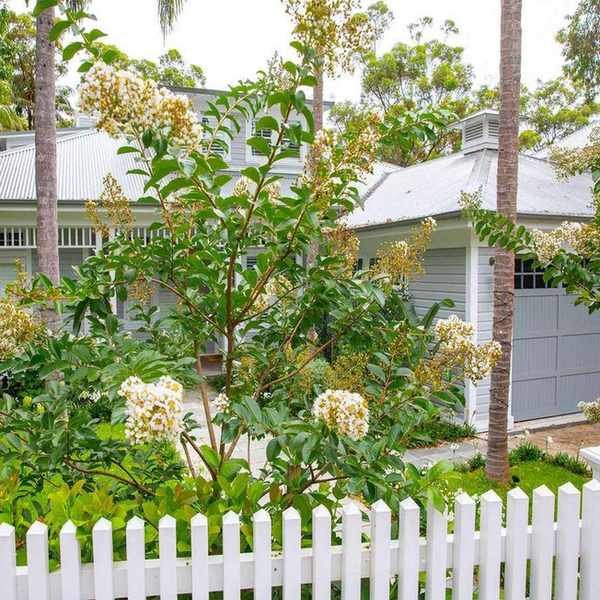
These trees make an eye-catching feature in a front yard
Are Crepe Myrtles Deer Resistant?
According to the New Jersey Agricultural Experiment Station, crepe myrtle is categorized as 'Seldom Severely Damaged' regarding deer browsing. This means they are generally resistant, although deer may nibble if other food sources are scarce.
Are Crepe Myrtles Invasive?
No, crepe myrtle is not considered an invasive species and is absent from state or national invasive lists.
Occasional sprouts may emerge from garden plants, but this is not regarded as an issue.
Best Fertilizer for Crepe Myrtles
Holly-tone or any fertilizer for rhododendrons and azaleas works well for crepe myrtles. There's also a specialized granular formulation available, such as Nelson's Crape Myrtle Food, available on Amazon.
Crepe Myrtle Growth Rate
Crepe myrtles generally grow at a moderate to fast pace, with longevity being a common trait. Growth rates vary based on the plant's environment and specific variety characteristics.
While some may take years to reach 4 feet in height, vigorous varieties can achieve that height in a single growing season. Always consult the tag or online description for growth expectations.
According to experts from Florida's Crape Myrtle Company, 'Basham's Party Pink' is notably fast-growing, sometimes reaching 12 to 15 feet annually, growing into a full upright tree over 30 feet tall with a broad canopy. A growth rate of 3-5 feet per year is typical, with 'Red Rocket' also being among the fastest, reaching up to 8 feet each year.
Where to Purchase Crepe Myrtles
You can find crepe myrtles at garden centers, nurseries, and DIY store garden departments, especially in summer when they bloom. They typically come in two or three-gallon pots or larger specimens.
Mail-order suppliers offer a broader selection, ranging from small tubes to larger 15-gallon containers. Opting for a larger plant saves time, as some growth has already occurred, while smaller plants require patience as they establish.



