
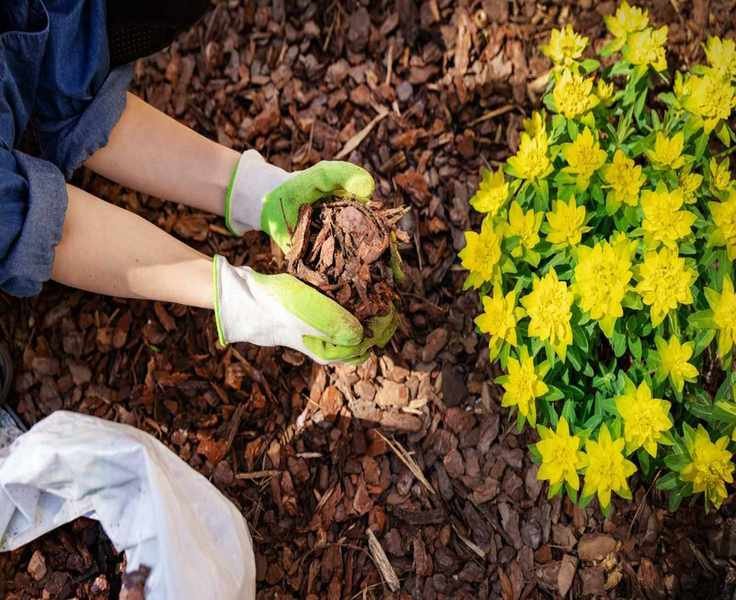
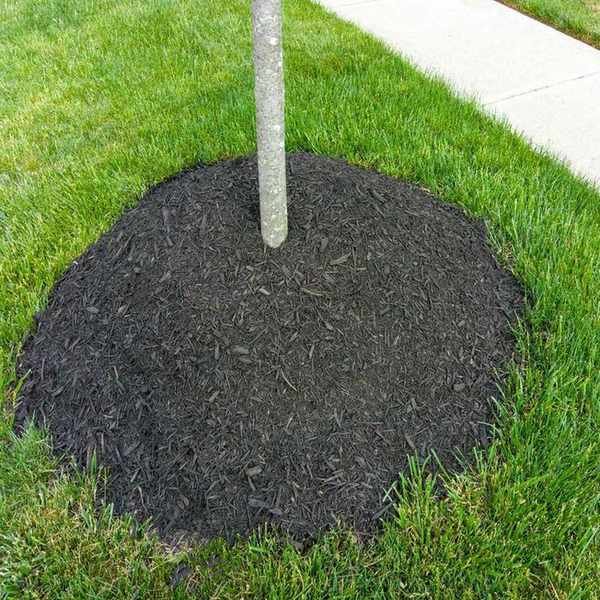
September marks the perfect time to think about mulching. However, when mulching around trees, steer clear of the 'mulch volcano' error.
This approach, where mulch is piled high against the tree's base for a tidy appearance, can be detrimental to the tree's health.
What makes this method a mistake? According to horticulturist Martha Smith from the University of Illinois Extension, a mound of mulch around the trunk won't cause immediate harm, but it leads to a gradual decline.
Homeowners often fail to connect their over-mulching with the tree's health issues that surface years later.
Why This Mulching Mistake Should Be Avoided
While mulching around trees can have benefits, overdoing it can create problems. Smith warns that excessive mulch can trap moisture against the bark.
Over-mulching leads to rotting bark, undermining the tree's defenses against pests and diseases, which thrive in such conditions.
Too much mulch can also suffocate roots by restricting oxygen flow and hinder soil drainage. Additionally, it generates heat, disrupting the tree's seasonal adjustments.
Moreover, excessive mulch encourages secondary roots that can strangle the main roots essential for the tree's survival.

Correct Mulching Practices Matter
When applied properly, mulch regulates soil temperature and moisture while enhancing soil quality and helping to control weed growth.
Mulch serves multiple purposes: it suppresses weeds, retains moisture, keeps the garden tidy, and can even nourish the soil. Knowing the right timing for mulching flower beds and applying it in vegetable gardens can yield healthier crops during harvest.
Choosing Suitable Mulch Materials
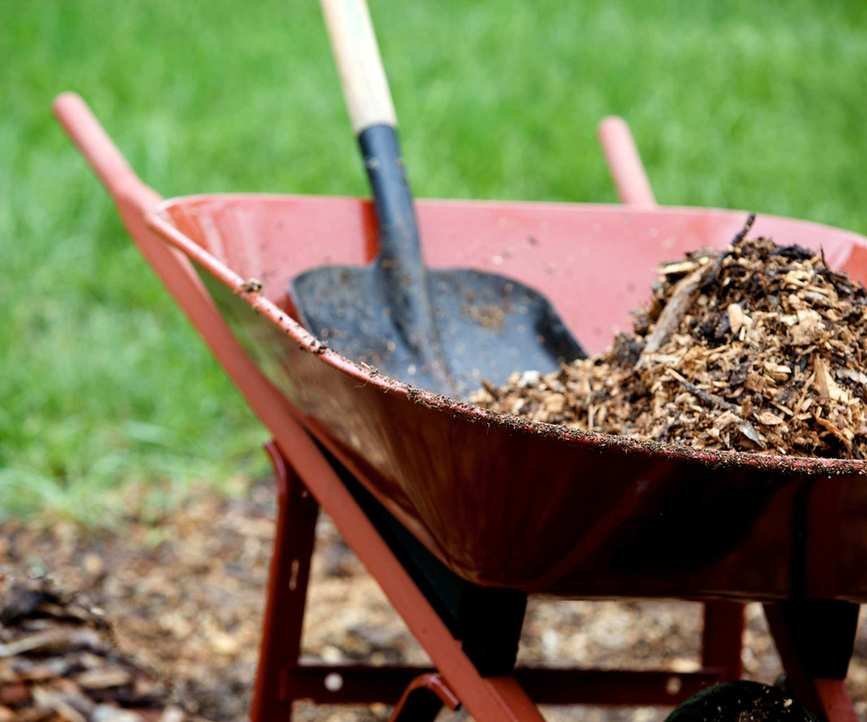
Utilizing natural leaf litter sourced from woodlands or your garden is cost-effective and highly beneficial.
To discover how to create leaf mold, simply place leaf mulch in loosely tied bags for a year for decomposition; it will integrate seamlessly into your soil.
Common Questions
Which Plants Should Not Be Mulched?
Avoid mulching plants that thrive in dry, rocky environments, such as lavender, rosemary, and sage. Furthermore, skip mulching sedums and herbaceous evergreens like heucheras and hellebores.
Other organic mulches include wood chips, pine needles, and various barks. Note that some organic mulches decompose faster than others; for instance, mulches made from evergreen leaves like cypress take years to break down and may become unattractive.



