
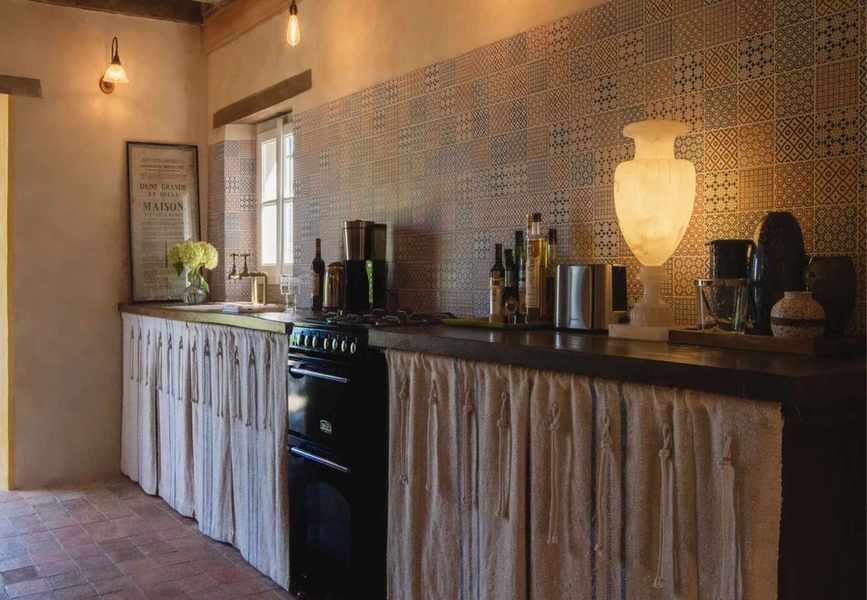
Layering isn’t just a buzzword; it’s a fundamental aspect of design that adds depth and character. This technique is evident in everything from film narratives to the stylish overlap of a white shirt beneath a cozy sweater. Interior designers frequently emphasize the importance of layering to make spaces feel more inviting and authentic.
In the realm of interiors, layering transcends mere addition. It’s about enriching a space, making it feel inhabited rather than merely finished. This principle can be applied regardless of the decor style being used, creating a sense of realism and warmth throughout the home.
While a simple throw blanket at the foot of the bed is a common example, the art of layering involves much more than that. There's a method to it, even if the outcome appears effortless.
Below, designers share their insights on how to effectively layer elements in order to achieve inviting and personalized spaces.
Understanding Layering and Its Importance
“Layering combines different textures, shapes, and materials to create a thoughtfully curated, visually dynamic room,” explains Sarah Hart, a renowned designer. “Without this technique, even luxury spaces can lack the depth they need to feel rich and inviting.”
To illustrate her point, Sarah describes a scenario: “Picture a living room featuring oversized, plush furniture. It might feel heavy and overwhelming. Layering introduces contrasting elements, such as lighter chairs, to create balance and visual interest.”
Layering is vital for achieving that cozy, lived-in atmosphere. It plays a crucial role in balancing proportions and enhancing sophistication in design. “It distinguishes between a room that feels merely decorated and one that feels effortlessly designed,” she adds.
10 Ways to Layer in Home Design
Layering goes beyond clutter or simply adding throw blankets. Designers utilize it to create contrast and personality, guiding how a space should be experienced. Here are ten essential layering techniques that help establish depth and showcase individual style.
1. Establishing the Foundation
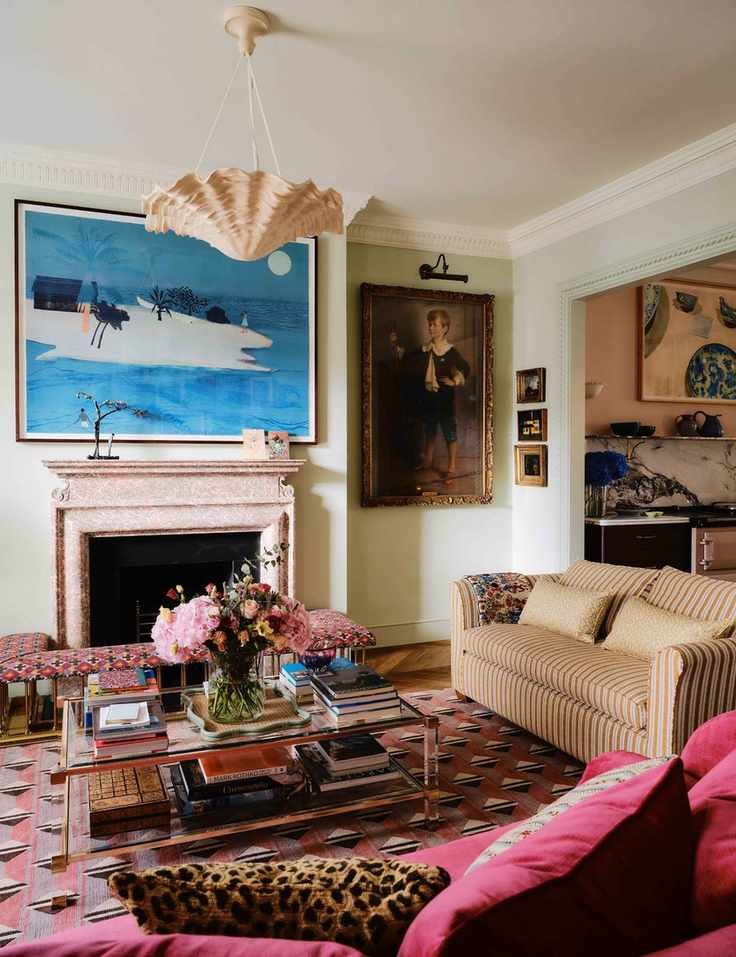
The foundational layer dictates the rest of the design. Designers consider this base—whether it’s the rug, wall color, or architectural features—as crucial to the overall aesthetic. Get this right, and the entire room has a clear direction.
“Start with a solid base,” advises Madelynn Hudson of M.H. Interiors. “This layer sets the tone for everything else. It doesn’t have to shout, but it must be intentional.”
2. Soften Sharp Lines
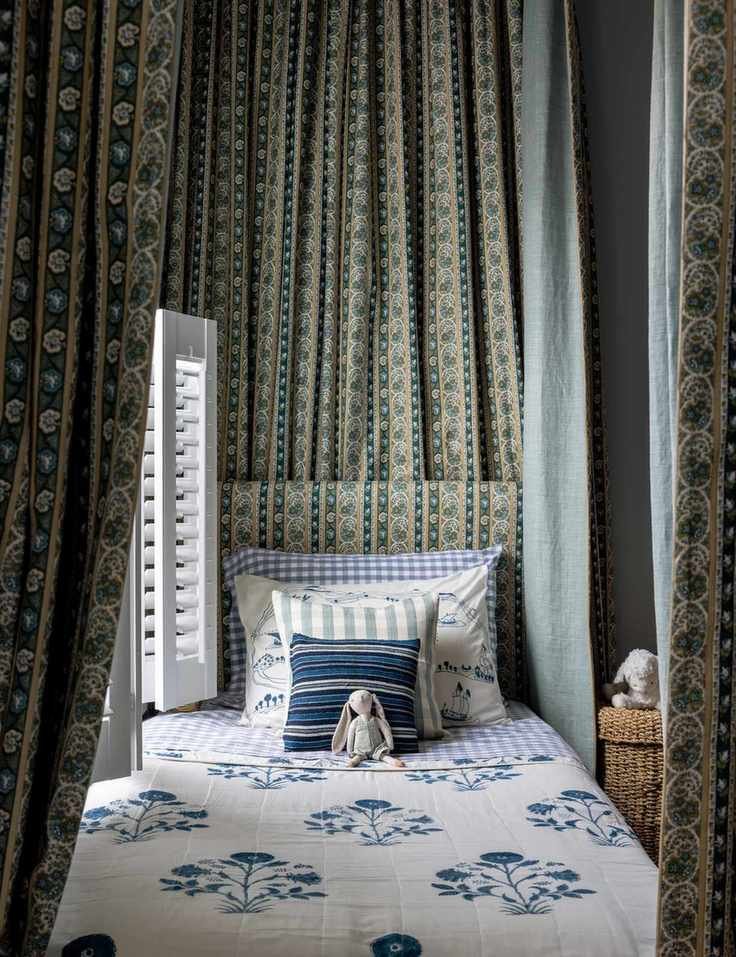
Common yet powerful layering techniques often involve textiles that soften hard edges. The right fabric can temper harsh architectural lines and infuse warmth into a room.
“I use textiles to bring comfort and warmth,” shares Lauren Carlucci of Lauren Carlucci Studio. “Mixing soft elements like pillows and blankets with bolder pieces, such as curtains or layered rugs, creates a cozy atmosphere.”
3. Layering Diverse Materials
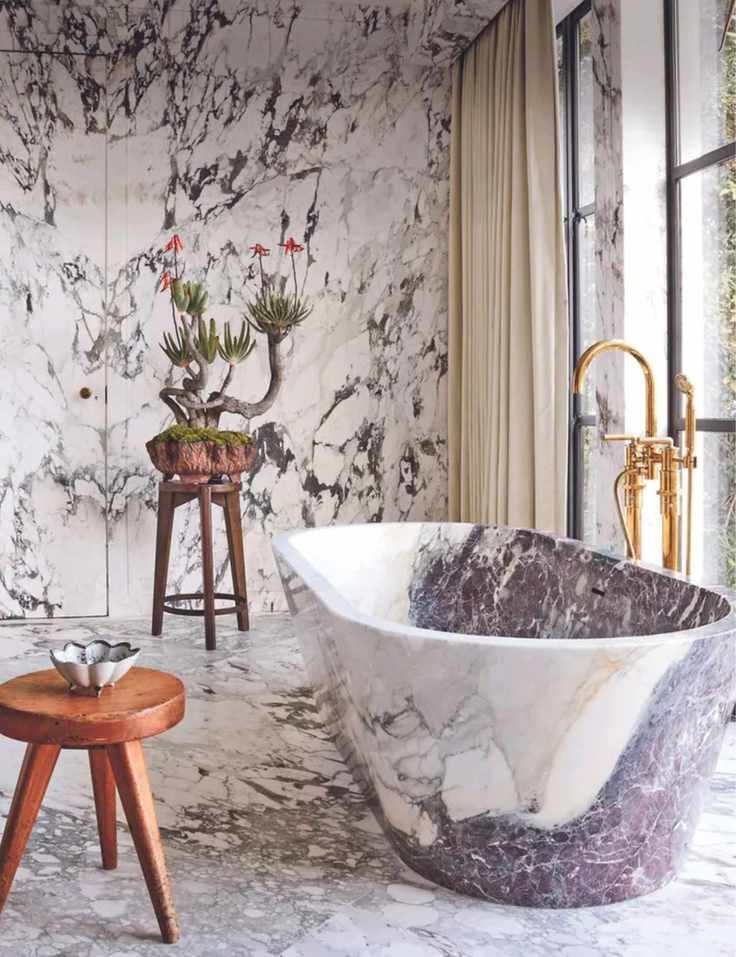
It’s not just about the shape of objects; the contrast of materials is equally compelling. The interplay of different materials enhances texture and interest within a space.
“Be intentional with your material choices,” suggests Madelynn Hudson. “Incorporate stone, metal, wood, glass, and textiles to create visual tension and intrigue.”
4. Varying Lighting Sources
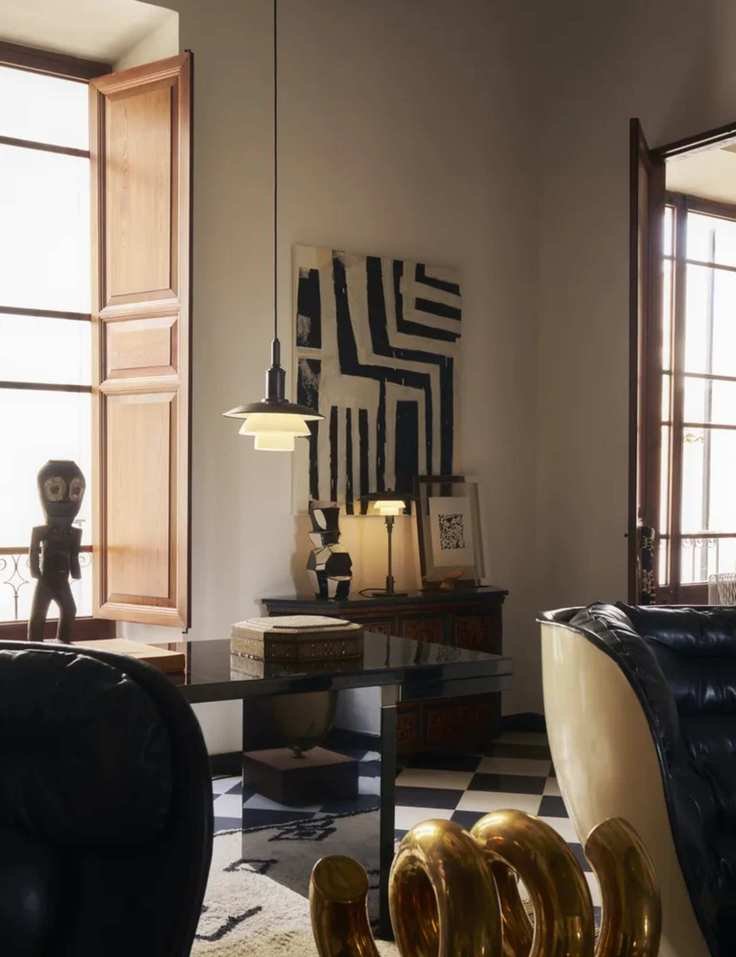
Lighting should be layered to add depth rather than just brightness. It’s about creating a dynamic atmosphere.
“Layering lighting is essential for a warm ambiance,” states Jess Weeth. “While ceiling fixtures are prominent, sconces, lamps, and targeted lighting are what truly elevate a space.”
5. Mixing Shapes and Sizes
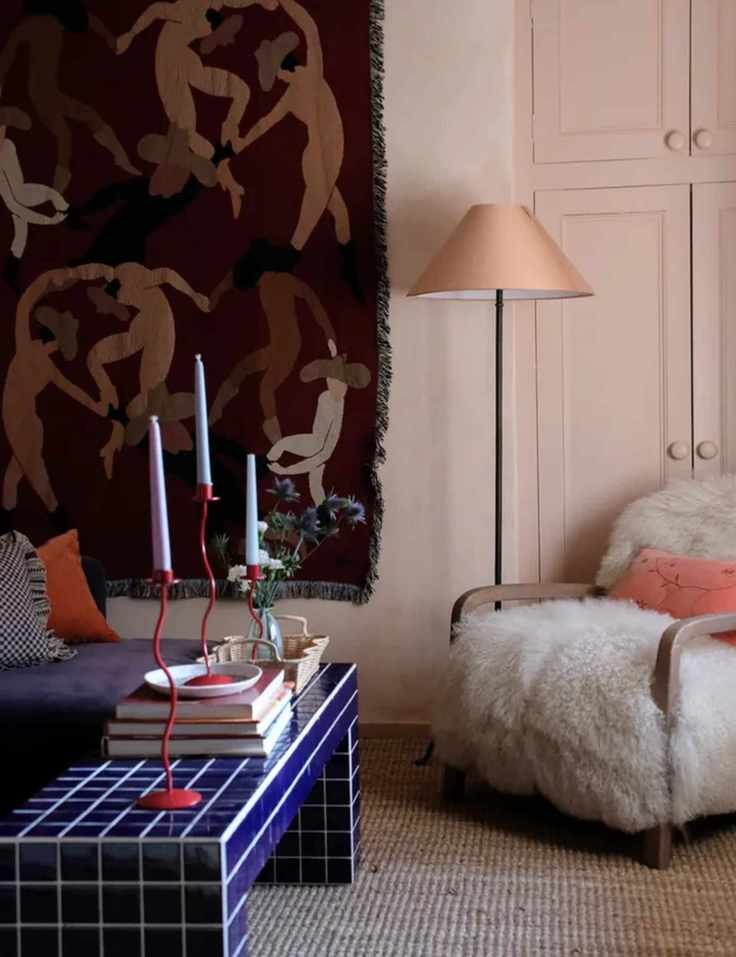
Layering doesn’t require a perfect fit; it thrives on contrast. The interplay of different shapes and sizes creates visual movement.
“Combine varied silhouettes,” advises Madelynn Hudson. “Contrast curvy forms with linear pieces. Mixing scales prevents a room from feeling overly symmetrical,” adds Cheryl Stauffer of Crimson Design Group.
6. Blending High and Low
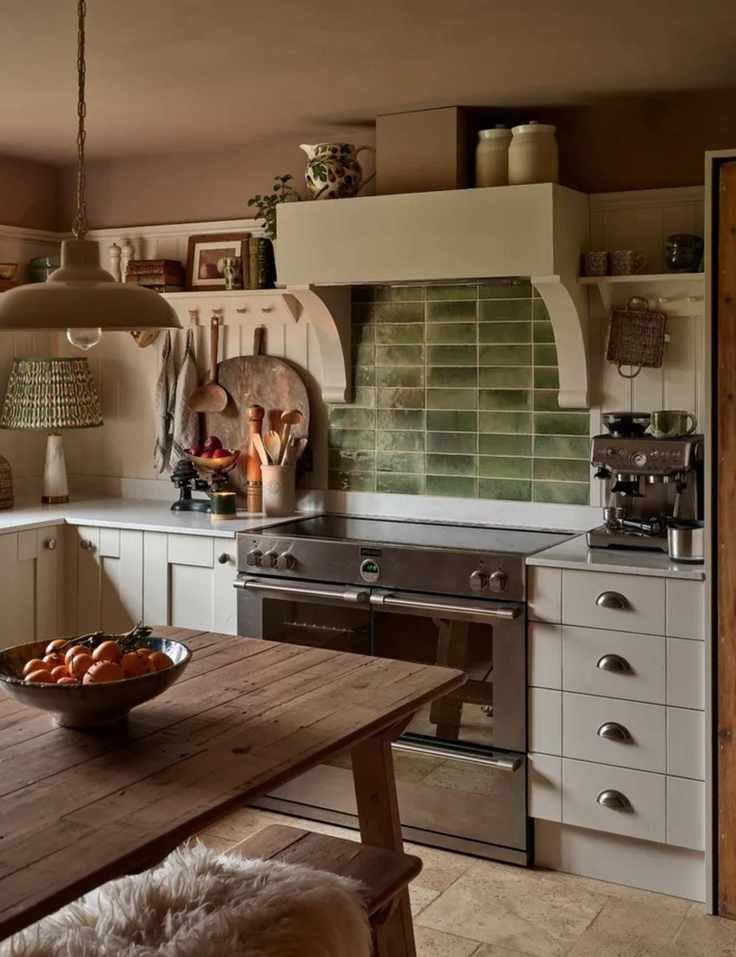
Mixing high-end and more affordable pieces can elevate a space. It’s about creating a cohesive look without focusing solely on price.
“A luxury table can sit alongside budget-friendly textiles,” notes Dan Mazzarini. “It’s the combination that makes a room truly interesting.”
7. Balancing Vintage with Modern
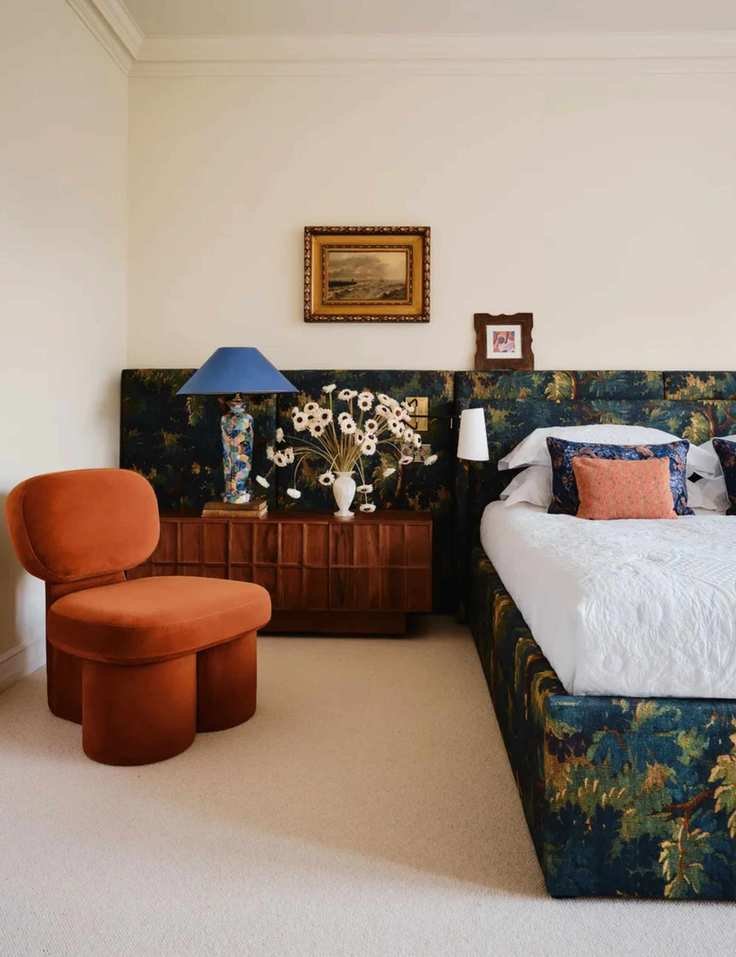
Combining vintage and contemporary pieces can enhance both styles, lending a sense of history and relevance to a room.
“Mixing eras creates depth,” says Lauren Carlucci. “Pairing contemporary furniture with vintage finds adds character and story to the space.”
8. Incorporating Literature
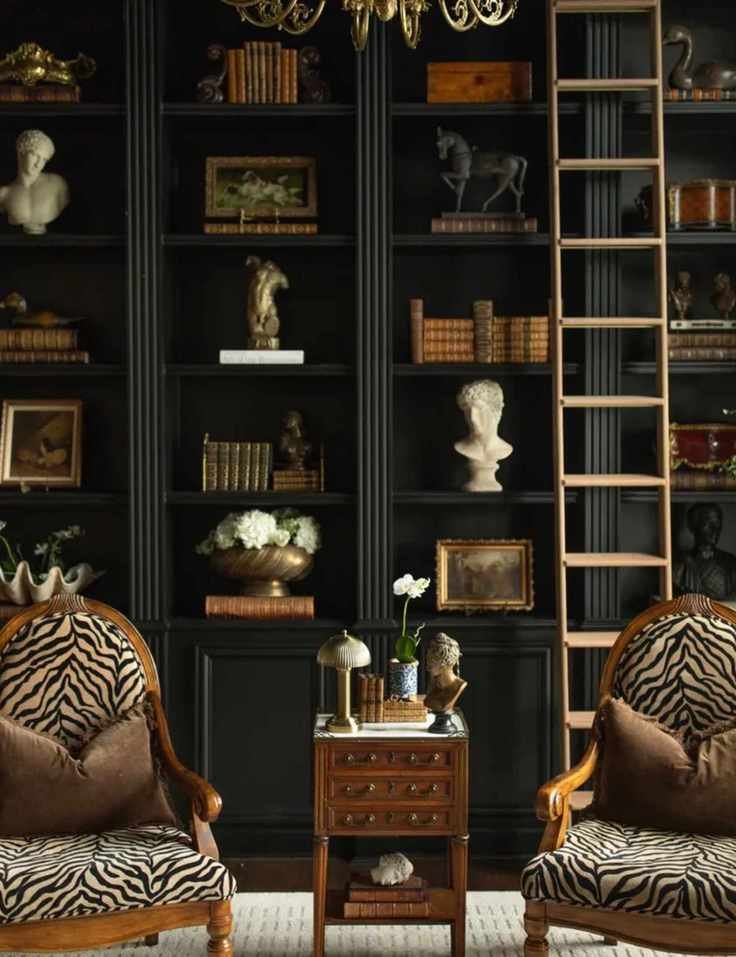
Books can serve as a unique layering element. They add character and personality to a room.
“I love using books in my designs,” shares Cheryl Stauffer. “Whether styling a bookcase or a table, they help build layers and visual interest.”
9. Adding Pleats and Skirts
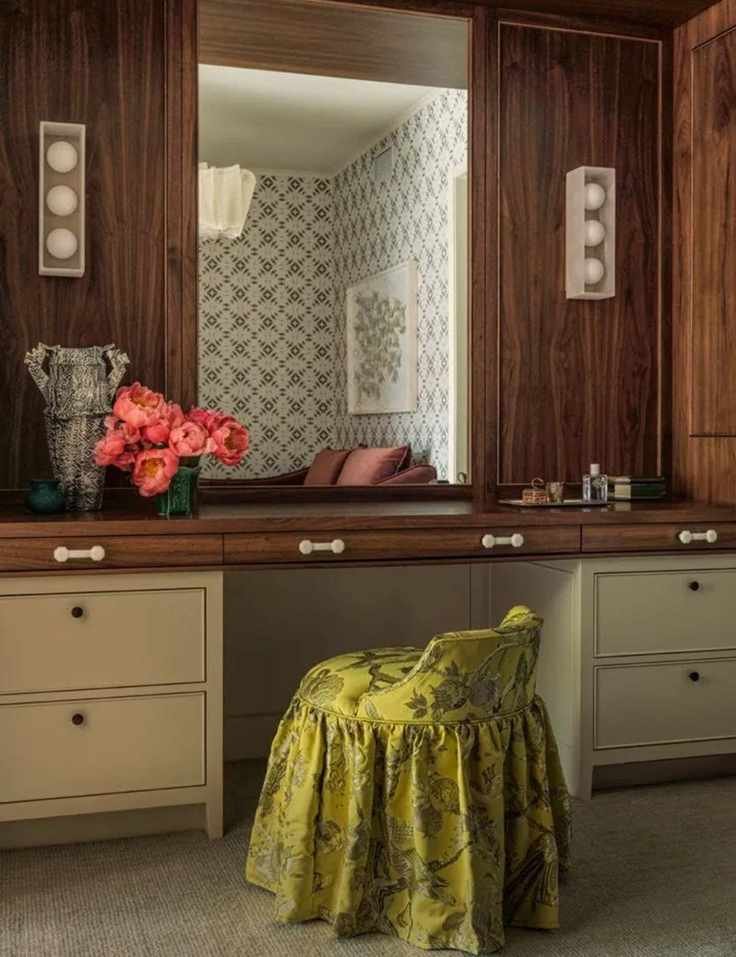
Skirted furniture can enhance a room's softness and volume. It’s a subtle yet effective layering approach.
“Pleats and skirts are back in style. They add texture and character,” explains Jess Weeth. “A simple update can refresh a piece without a complete overhaul.”
10. Infusing Personal Touches
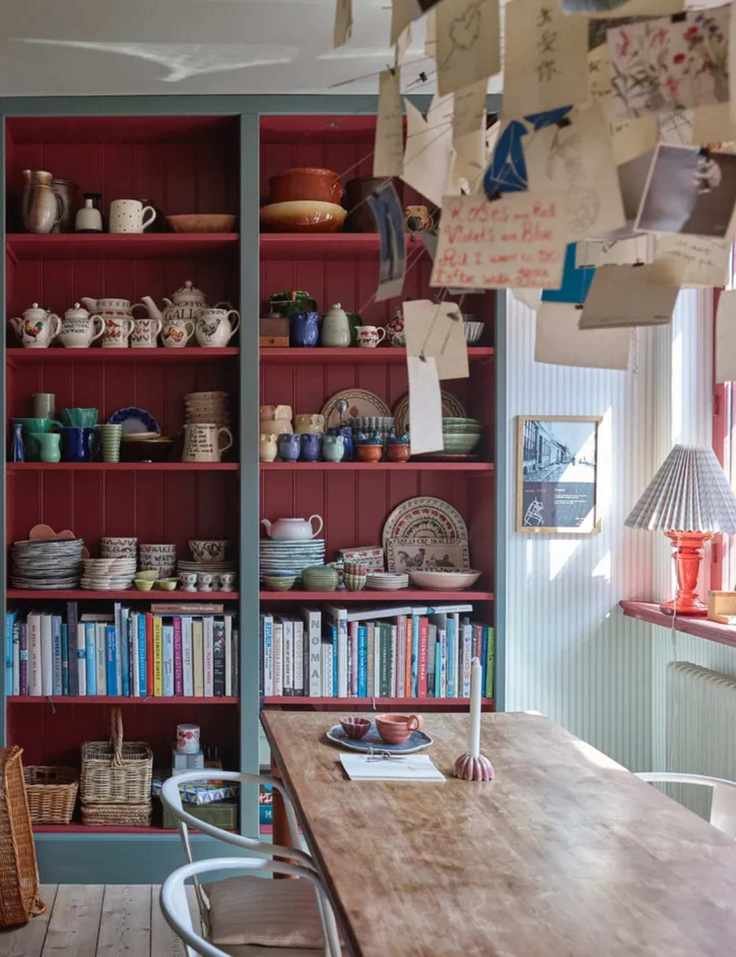
Finally, layering makes a space uniquely yours. It evolves over time with personal items collected through experiences and memories.
“Finish with personal details,” suggests Madelynn Hudson. “Art, ceramics, and souvenirs create a lived-in feel and express individuality.”
Layering is more than just a design tactic; it builds a meaningful and inviting atmosphere over time. It allows spaces to develop through thoughtful choices and contrasts, embracing a lifestyle of gradual transformation.



