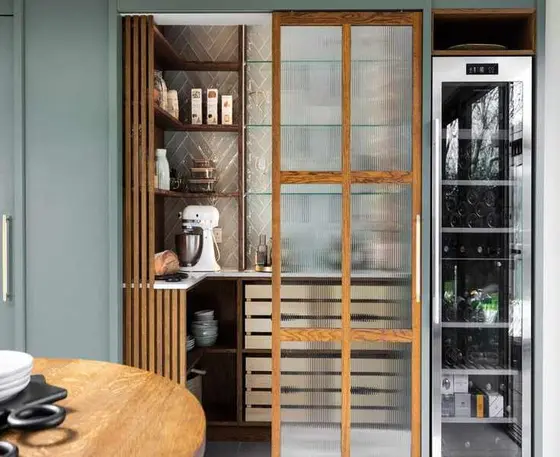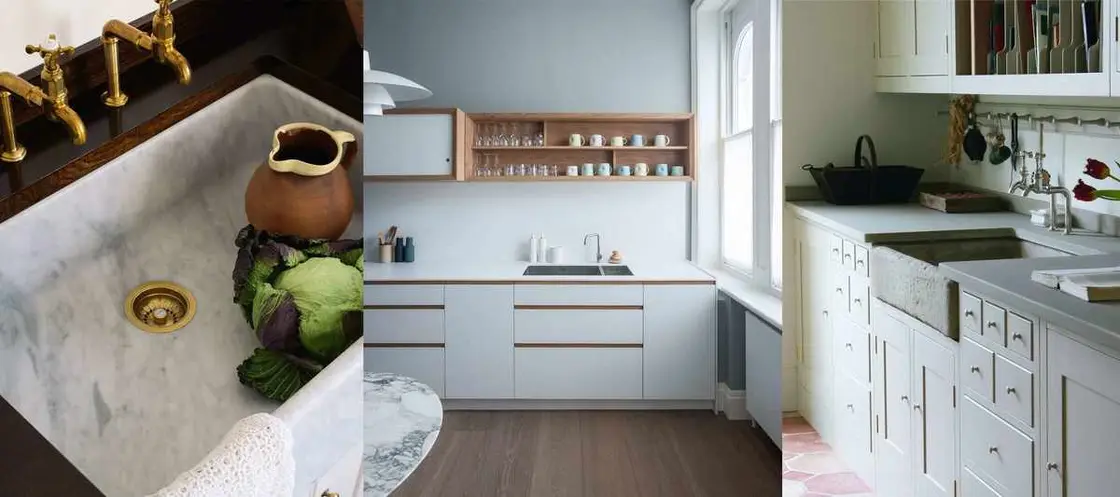
A kitchen sink area is essential for an efficient workspace, often overshadowed by flashier designs. However, its functionality plays a significant role in how your kitchen operates and looks. From durability to style, every choice matters.
Designing Your Kitchen Sink
In your kitchen planning, prioritize sink design ideas along with faucets and countertop selections. Here's how to craft a sink area that meets your needs, with insights from industry experts.
Ideal Sink Placement
Your kitchen's wet zone should promote cleanliness and convenience, ideally situated near the dishwasher and waste disposal, as well as close to food storage and cooking zones. 'Placing a sink under a window allows for natural light and a view while performing chores, or consider an island sink for a more social cooking experience,' suggests a design expert.
For additional tips, refer to our discussion on what to place above a kitchen sink window.
Popular Sink Styles
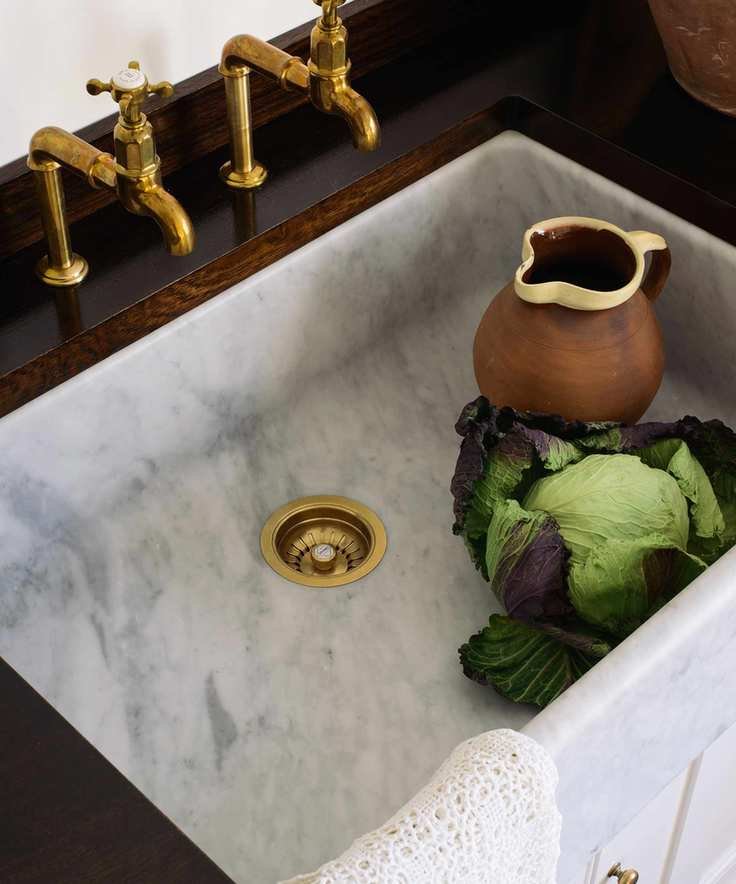
Sinks come in various styles, from charming farmhouse designs to sleek undermount options that provide a seamless look under countertops.
'Ceramic sinks offer a timeless appeal but can be challenging to maintain, while stone sinks are visually stunning yet costly. Stainless steel provides practicality but may not fit everyone's aesthetic, and copper is a versatile choice that suits both modern and traditional styles while being gentle on fragile items,' shares a design director.
It's advised to choose at least one spacious bowl to handle larger items like oven trays, with a second bowl recommended for rinsing or draining.

Selecting the Right Kitchen Tap
Consider various tap styles such as deck and wall-mounted options, single spouts for pre-drilled sinks, or bridge mixers requiring multiple holes. There are also taps available that dispense boiling, filtered, or sparkling water, either as integrated designs or separate units.
An expert highlights the extensive styles and finishes available to enhance your kitchen's look, while also noting the importance of installing a scale control system in areas with hard water to prevent limescale buildup.

Laying Out Countertops Around the Sink
Choose durable surfaces around the sink that can handle regular exposure to water. Engineered quartz is a popular option, as natural materials like granite and marble require more upkeep. Porcelain surfaces offer modern durability. You can incorporate drainer grooves or a recessed area beside the sink, and consider a full backsplash or upstand to protect the walls from splashes.
A design manager mentions that upstands typically match the worktop material and should be at least 40mm tall for effective protection.

Organizing Your Sink Area
Effective storage solutions beneath the sink help keep countertops tidy. 'Drawers optimize space in under-sink cabinetry,' advises a bespoke kitchen founder. 'Incorporate U-shaped notches in the drawers to fit around the sink bowl. If you plan to install a boiling water tap or waste disposal system, you may need additional space for those components.'