

Once you learn how to grow delphiniums from seed, you can enjoy these striking flowers enhancing your summer garden beds and borders.
Known as 'larkspur' since Tudor times, these colorful blooms are mostly hardy perennials that die back to a rootstock each winter. There are also annual and biennial options available.
When cultivating delphiniums, remember they can grow tall and may require staking. They thrive in herbaceous borders and cottage garden mixes, pairing well with roses, peonies, campanula, and lupins.
Delphiniums can be started from seed as part of your flower bed ideas, with some types blooming in their first year. These stunning plants demand commitment, but follow our tips on planting for success.

Benefits of Growing Delphiniums from Seed

Growing delphiniums from seed is a budget-friendly way to introduce these beautiful flowers into your cottage garden.
Delphiniums bloom early in the summer, often providing a second round of flowers in fall if pruned after the initial bloom. This ensures a continuous display when planting a flower bed.
According to a head gardener, modern cultivars are bred for uniformity and vibrant color. Delphiniums also attract bees, making them a great choice if you're looking to support pollinators. They add unique height and come in various hues like blues, whites, and pinks.
As bedding plants become pricier, interest in perennials has surged. Delphiniums are captivating in bloom, and many newer low-growing varieties require less staking.
Optimal Planting Times for Delphiniums

Spring or fall is the best time to sow delphinium seeds when soil is warm and moist.
Experts recommend September sowing for annual flowers, as long as the soil isn't too wet during winter; April sowing yields good results as well. You can plant alongside other summer flowers, such as marigolds.
Steps for Growing Delphiniums from Seed
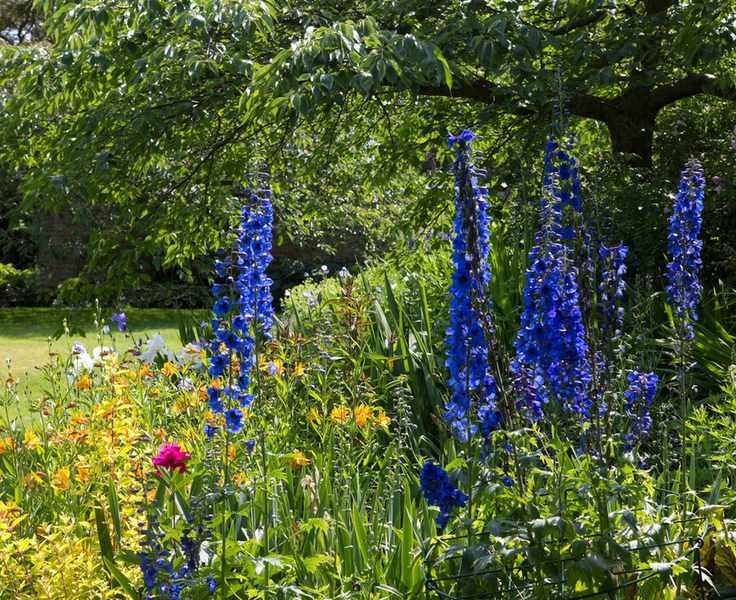
For optimal growth, sow delphiniums directly in their intended location, thinning as necessary. Module-raised plants are also effective.
Seeds have a short lifespan, so purchase them fresh and sow promptly. Support is essential; traditional methods include using pea sticks. While many delphiniums self-seed, their offspring may not resemble the parents.
Delphiniums thrive in moist, well-drained soil. Ensure the ground is well-prepared, favoring sandy soil for drainage. Heavy soil can hinder growth and lead to crown rot during dormancy. Amending the soil with well-rotted manure enhances drainage and nutrients.
If planting in heavy soil, incorporate grit for improved drainage. Mulching with sharp grit or crushed eggshells can help deter slugs and snails.
For visual impact, plant delphiniums in groups of three, ensuring adequate spacing of about 17 inches (45cm) around each plant. They prefer room to grow and will flourish with proper air circulation, so thin shoots as they emerge.
Where to Position Delphiniums

Delphiniums prefer full sun or dappled shade, ideally shielded from strong winds. They require six to eight hours of sunlight daily, but avoid scorching hot spots. Ideal locations are those that catch morning sun.
These flowers enhance herbaceous and cottage garden borders, harmonizing with classic choices like roses, peonies, campanula, and lupins.
Traditionally, delphiniums are positioned at the back of borders, often blooming twice in a season: once in early June and again later. Smart gardeners stake them as flower spikes appear or plant sturdy specimens beside them for support.
Compact varieties, like the Magic Fountain series, are perfect for shorter spaces.
Delphiniums can also be used in companion planting within vegetable gardens to attract beneficial insects while deterring pests, making them suitable for cut flower gardens.
CAUTION: All parts of delphiniums are toxic. Handle with care, especially if children or grazing animals are present.
Growing Delphiniums in Containers

While delphiniums thrive in the ground, they can also be successfully grown in pots, provided they are stable and heavy.
For container cultivation, ensure excellent drainage with holes at the base and add grit to the potting mix. Avoid overcrowding as delphiniums have delicate roots.
Position containers in sunny, sheltered areas to protect them from strong winds, which can damage the plants. Use large pots, ideally 23 inches (60cm) wide, filled with peat-free potting mix, and feed them weekly during summer with seaweed fertilizer.
Repot annually, dividing if necessary. Homemade potting mixes of garden soil and compost work well. Smaller cultivars are best suited for pots.
Both perennial and annual types can be adapted for container growth, with the Magic Fountain series being ideal perennials and Delphinium ajacis and grandiflora recommended for annuals.
Monitor watering closely; delphiniums prefer moisture but dislike being waterlogged. Elevate containers for better drainage and reduce watering in cooler months. Protect them from excess winter rain.
Delphinium Care Essentials

Caring for delphiniums requires vigilance, especially against slugs. Here are some key points:
- In spring, keep slugs at bay as shoots emerge. Preventing adult slugs in fall reduces egg-laying. Check delphinium crowns for clusters of eggs, which can damage seedlings.
- Stake delphiniums as they start to grow. Tall varieties need sturdy stakes, often requiring more than you expect.
- Water consistently during summer and apply a high potash fertilizer weekly.
- Use slow-release fertilizer at planting, followed by seaweed fertilizer during the growing season since delphiniums are hungry feeders.
- After flowering, cut back the spikes to ground level while leaving the foliage for a potential fall bloom.
- A post-flower trimming eliminates mildew at the same time.
- Apply mulch in fall using leaf mold or well-rotted manure.
Delphiniums are generally accommodating, but inadequate staking, water, space, or nutrition can lead to disappointment.
Varieties of Delphiniums

Delphiniums are primarily hardy perennials, returning each year, though annual and biennial varieties exist.
Experts favor perennials for their longevity and continued blooms. The most popular perennials belong to the Elatum Group, reaching heights of about 6 feet (2m) with impressive flower spikes. They provide enjoyment for many years.
Belladonna types are shorter with branching habits and single flowers, while Pacific hybrids are shorter-lived perennials resembling Elatum types.
For small spaces, the Magic Fountain series is a great choice.

Choosing between perennial delphiniums and the knight's-spur or larkspur (Consolida ajacis) depends on your goals. Annual delphiniums bloom the same year, lasting from June to October, filling the gap between perennial blooms. They're also excellent cut flowers.
Companion plants that pair well with delphiniums include:
- Crambe cordifolia
- Persicaria amplexicaulis
- dahlias
- Hollyhocks
- Aquilegia
Mixing medium-height perennials can help conceal staking, incorporating phlox and foxgloves for the first flush, and echinacea and rudbeckia for later blooms.
Belladonna delphiniums are considered superior cut flowers due to their robust stems, while annual varieties offer long-lasting blooms and can be dried.
Do Delphiniums Return Each Year?
Herbaceous perennial delphiniums die back each fall and regrow from their roots in spring. Trim them back after flowering and avoid over-blooming. Most are short-lived, lasting 2-5 years, with cooler summers extending their lifespan. Ensure they are planted in free-draining soil to avoid damage during dormancy.
Should You Cut Delphiniums After Blooming?
Hard pruning of delphiniums after summer blooming encourages fall flowers. While they may get powdery mildew, this can be managed with a post-flowering trim that removes the mildew too. Remember to wear gloves and prune perennial varieties twice: once after the first bloom and again after fall flowering for dormancy.



