

Understanding how to eliminate slugs is crucial for any gardener. If you turn your back for even a moment, these pests can wreak havoc on your beloved plants.
There are over 40,000 species of slugs globally, although not all are harmful to your garden. Some actually feed on decaying plant matter, which can be beneficial.
Along with removing aphids, it's wise to deter slugs to maintain the beauty of your garden. While you may never completely eliminate them, there are effective ways to control their population and protect your plants.
Effective Methods for Slug Control

To effectively control slugs, it's important to know which plants attract them. If you've tackled snails, you're likely aware that slugs have their favorite food sources.
Fresh seedlings and tender leaves are a buffet for slugs. They are particularly attracted to plants like hostas, marigolds, dahlias, sweet peas, delphiniums, and lupins. Vegetables including lettuce, cabbage, peas, potatoes, and beans also draw these hungry gastropods.
Plants Slugs Dislike
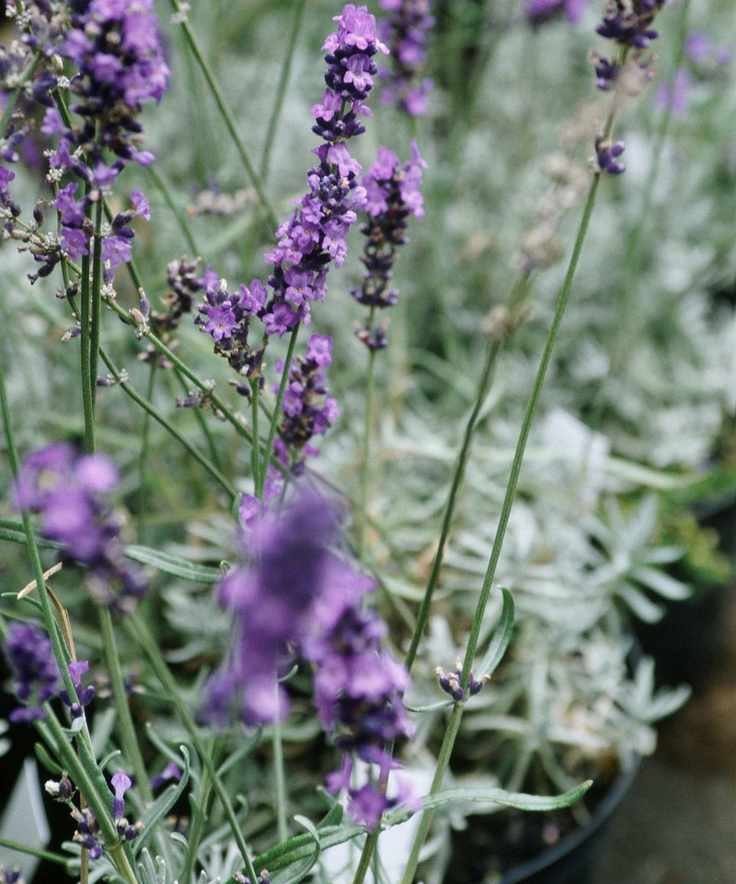
Prevent slug issues by choosing plants that they tend to avoid. Consider growing pelargoniums, lady's mantle, aquilegia, lavender, hellebores, and euphorbia. The RHS offers a comprehensive list of plants that are less appealing to slugs. Opting for more mature plants can also minimize slug impact.
Protecting Seedlings from Slugs

Growing seedlings in pots instead of sowing them directly into the ground keeps them safer until they mature enough to fend for themselves. Use a cold frame, greenhouse, or raised frame on a stand to protect young plants. Once transplanted, cover them with a cloche or a plastic bottle with the bottom cut off until they are well-established. After that, they can thrive on their own.
Natural Ways to Deter Slugs

There are several natural approaches to deter slugs, and employing a combination of methods will yield the best results in keeping your prized plants safe.
Create a Barrier. Surround your cherished plants with a circle of gravel or grit. You can also use crushed eggshells, spiny pine needles, sharp holly leaves, or other prickly materials. Slugs dislike the texture of wool pellets and dried granulated seaweed; both can be found at Sarah Raven.
Guard Your Pots. To keep slugs away from container-grown fruits and vegetables, wrap copper tape around the pots. Slugs will have an unpleasant reaction when crossing this barrier. Alternatively, you can apply a mixture of Vaseline and rock salt around the edges of the pots to act as a deterrent.
Utilize Beer Traps. The scent of beer is known to attract slugs. Bury a plastic cup in the soil, ensuring the rim is at least 2cm above ground to prevent beneficial beetles from entering. Fill it with beer, and slugs will be lured to their demise. You can also place scooped-out fruit, like a halved orange, cut-side down to trap them.
Use Coffee Grounds. Save your used coffee grounds and sprinkle them near your plants. They may help deter slugs.
Sprinkle Salt. This is a quick solution for slug control, but exercise caution as it can harm plants. Keep salt away from leaves and stems.
Plant a Sacrificial Crop. Plant lettuce or another appealing crop around your favorite plants to divert slugs from targeting them. Alternatively, scatter cabbage leaves around the plants.
Encourage Natural Predators. Foster a welcoming environment for helpful wildlife with wildlife garden ideas. Slugs are a food source for hedgehogs and birds, as well as frogs, toads, beetles, slow worms, and centipedes. Create habitats for these creatures by avoiding harmful chemical sprays.
Adopt a Biological Method. Combat slugs in an eco-friendly manner using nematodes, tiny organisms that introduce bacteria into slugs, killing them and then consuming their remains. These nematodes are safe for children, pets, birds, and other wildlife. However, they are perishable, so make sure to apply them several times during the growing season.
Manually Remove Slugs. Slugs typically hide during the day, but you can identify their paths by looking for their silvery trails. At dusk, when the air is damp, they venture out to find tender leaves. This is your opportunity to don a headlamp and search for them. If you're not keen on handling them, try using chopsticks to pick them off and place them in a container of salty water. You can also lay down pieces of weighted cardboard; slugs will hide underneath, making them easy to catch when you lift the cardboard.
When All Else Fails: Slug Killers
If you are struggling to control the slug population, consider using slug pellets. Ferrous phosphate pellets are considered safe around pets, plants, and wildlife, making them suitable for organic gardening. You can also try sprays that contain calcium chloride or yucca extract.
Addressing Slugs Inside Your Home
To eliminate slugs indoors, prevention is key, much like dealing with ants or fruit flies. Check for any gaps around pipes, baseboards, or holes in masonry that may allow slugs entry and seal them with silicone sealant or expanding foam. You can also apply ferrous phosphate slug pellets as a means to eliminate them.
While slugs and snails may be seen as pests, they play a valuable role in the ecosystem and biodiversity of our gardens. For more insights, check out our article on whether slugs and snails are beneficial for your backyard.


