A well-equipped kitchen thrives on a mix of essential and fun appliances. But how can you manage kitchen gadgets when space feels limited?
Start by decluttering. Determine which appliances are necessary, then find suitable storage spots for each. This can mean placing them in easily accessible areas or stowing them safely to avoid accidents.
Here are seven expert tips on organizing and decluttering kitchen appliances, ensuring your workspace remains efficient.
Organizing Kitchen Appliances
The first step in organizing is decluttering. Avoid purchasing flashy, single-use gadgets, advises a professional organizer.
'Kitchen appliances often gather dust as they are overbought yet underused. Before acquiring new items, consider if you'll use them frequently and if they fit into your cooking habits. If not, keep them out of your kitchen altogether!'
Now, let's explore the best practices for organizing.
1. Group Appliances by Function

Arrange appliances into zones, combining similar items for ease of use. For larger appliances, place ovens close to cooktops, fridges near freezers, and dishwashers by sinks.
Smaller appliances should also be grouped together. Keep your toaster, blender, and coffee maker near breakfast items.
'This method simplifies access and storage, saving you time and effort,' a home organizing expert notes.
2. Store Based on Usage Frequency
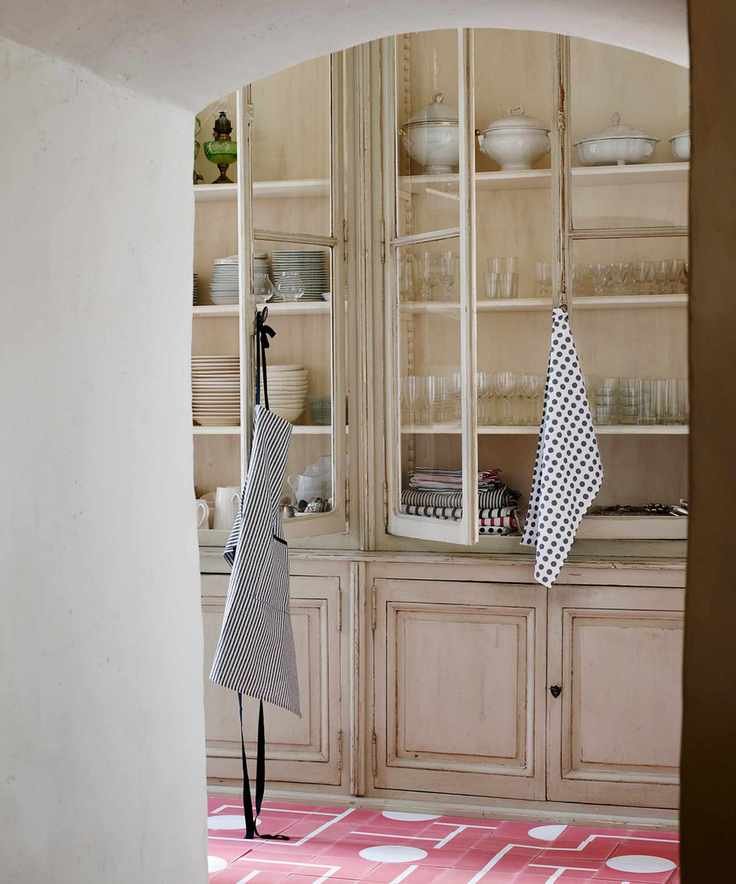
When organizing your kitchen, prioritize practicality over aesthetics. Store infrequently used appliances on higher shelves or in back corners, while regularly used items should be at hip height or in the front.
'Position appliances near your prep area to enhance convenience and reduce wasted storage space,' suggests a professional organizer.
3. Place Heavy Appliances on Lower Shelves
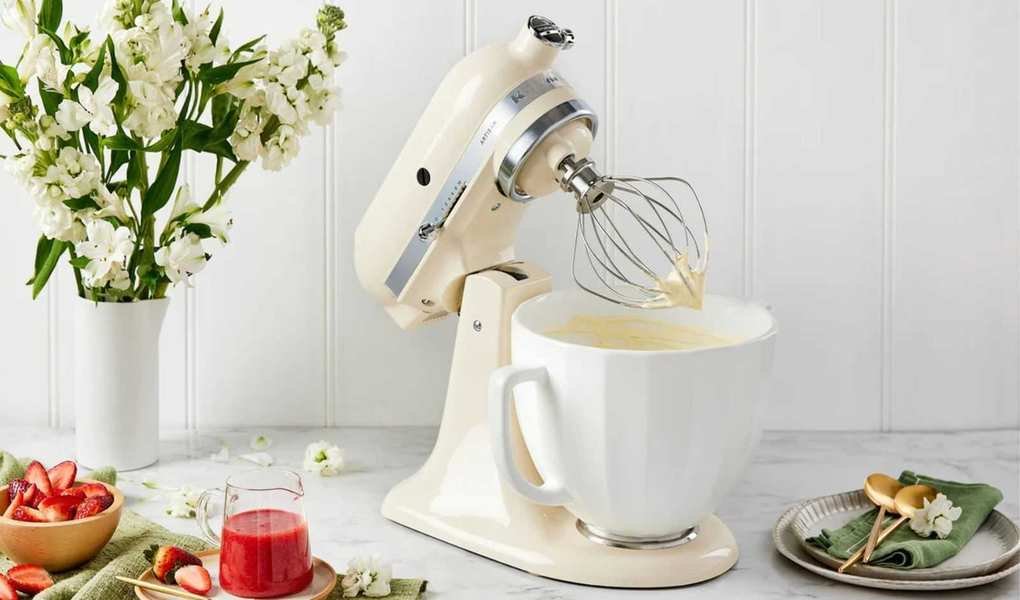
Some heavy appliances, like stand mixers, can be hazardous if stored high. Keep them on lower shelves to ensure safe lifting.
Consider creative storage solutions, such as drawers with additional support, for heavier items. If space is tight, think about replacing bulkier appliances with lighter alternatives suited for small kitchens.

A professional organizer emphasizes that decluttering and organizing is key to a simplified lifestyle, whether for your home or a client's space.
4. Limit Countertop Appliances
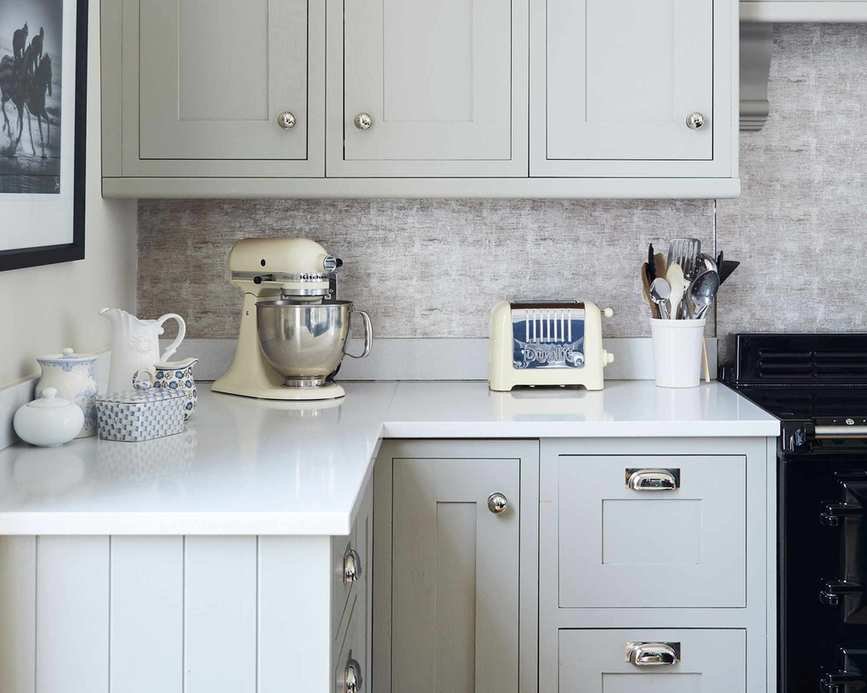
Minimize visible appliances on countertops to maintain functionality and cleanliness. Focus on keeping only essential items out, as this makes cleaning easier.
If cabinet space is limited, leave out the most frequently used appliances, ensuring they have designated areas. Floating shelves can be a stylish solution for easy access.
Think about which appliances you rely on daily, like a coffee maker or toaster, and decide where they should go based on usage.
5. Tidy Up Cords
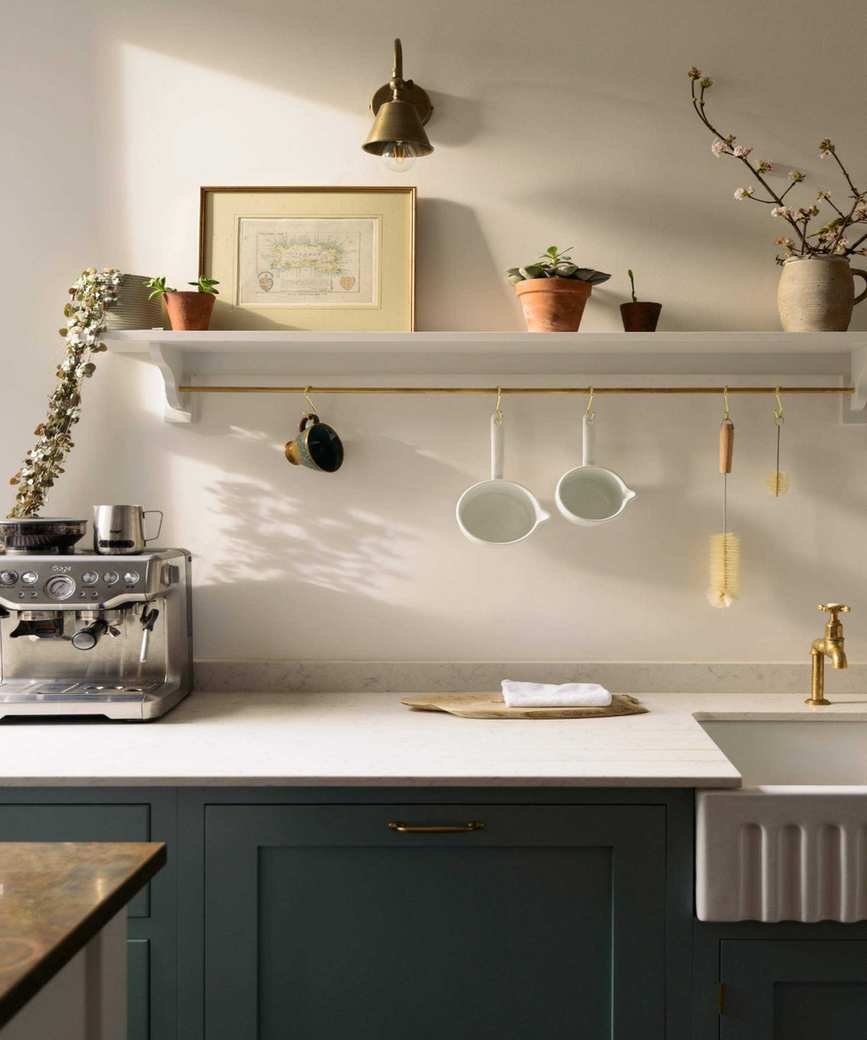
Cable clutter can be just as distracting as appliances. Unplug devices when not in use and wrap cords to prevent tangling.
For appliances left out, explore creative ways to conceal cords, such as using clips or attractive decor.
Stick-On Cable Tidy | $8.99 at Amazon
These cable tidies are versatile and effective in keeping your cords organized and protected.
6. Let Go of Unused Appliances
When downsizing or working with a compact kitchen, it's crucial to declutter appliances that aren't used.
'We often hang on to gadgets with the hope of using them someday, but that day rarely comes,' a professional declutterer remarks. Reflect on whether you'll genuinely use items like bread makers or ice cream machines before taking up precious space.
7. Dispose of Paper Manuals
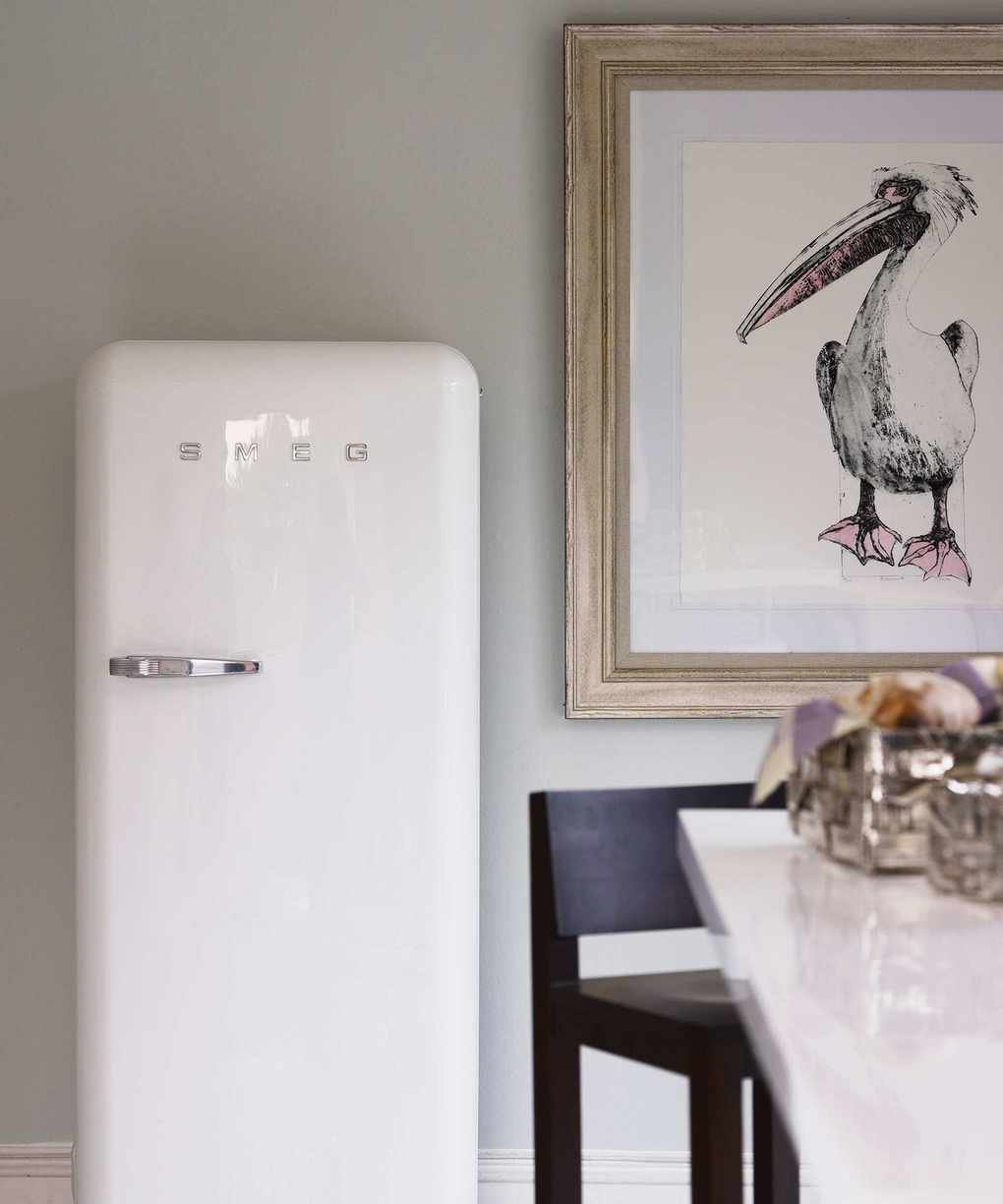
Don't forget about bulky manuals that often go unused. Many are available online, allowing you to toss the physical copies and clear up drawer space.
For easy access, consider using programmable NFC tags to link to digital versions of manuals, streamlining your process even further.
FAQs
How should kitchen counter appliances be arranged?
Arrange countertop appliances by grouping similar items together and placing them towards the back to maximize food prep space. Use trays to keep toasters, kettles, and blenders organized, allowing ease of access when needed.
Additionally, tidy cords between uses using clips to minimize clutter.
When organizing cabinets, it may be helpful to dedicate a cabinet solely to electrical appliances to keep them separate from food items.