
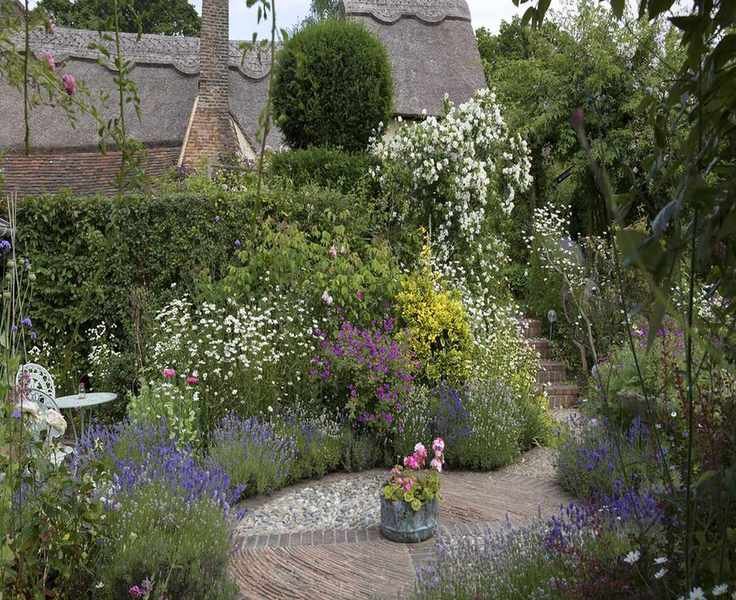
Creating a cottage garden is an art that brings a casual yet vibrant floral display to life. It captures the essence of a whimsical garden, blending various colors in a seemingly haphazard manner, but it’s simpler than it appears.
This beloved English garden style evokes images of thatched cottages and can be tailored to any property, whether in the countryside or urban settings. It's romantic, charming, and brimming with character.
This classic design melds old-fashioned favorites with modern flora, ensuring its lasting appeal.
See: Cottage garden inspiration - ideas for layouts and plant selections
Understanding Cottage Garden Design
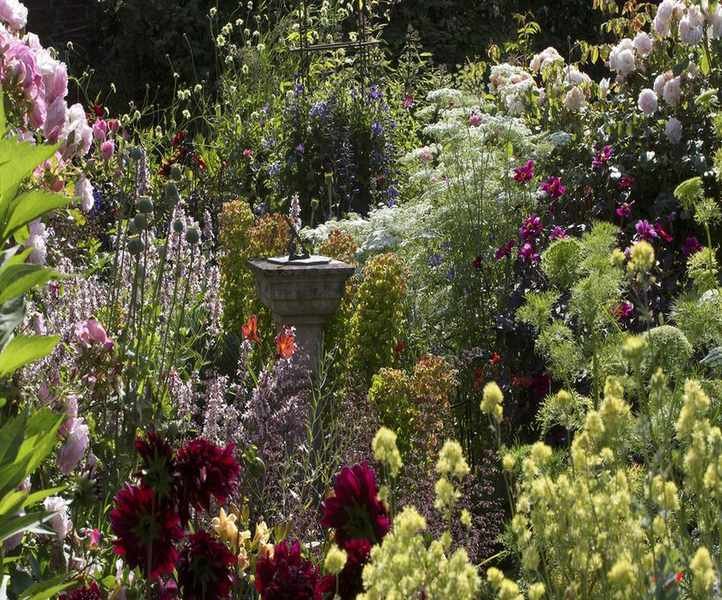
A cottage garden is perfect for plant enthusiasts, as it thrives on a lush, unstructured appearance where every inch is filled with greenery and blooms.
Forget rigid herbaceous borders; a cottage garden embraces a free-form style, featuring a delightful mix of flowers in a riot of colors.
Originally practical, providing sustenance and remedies for farm workers, this style has evolved into a globally recognized design that emphasizes both decorative and edible plants, promoting biodiversity.
As described by a local horticulturalist, a cottage garden is characterized by soft hues and a mix of fruits, vegetables, and herbs intermixed throughout the floral display.
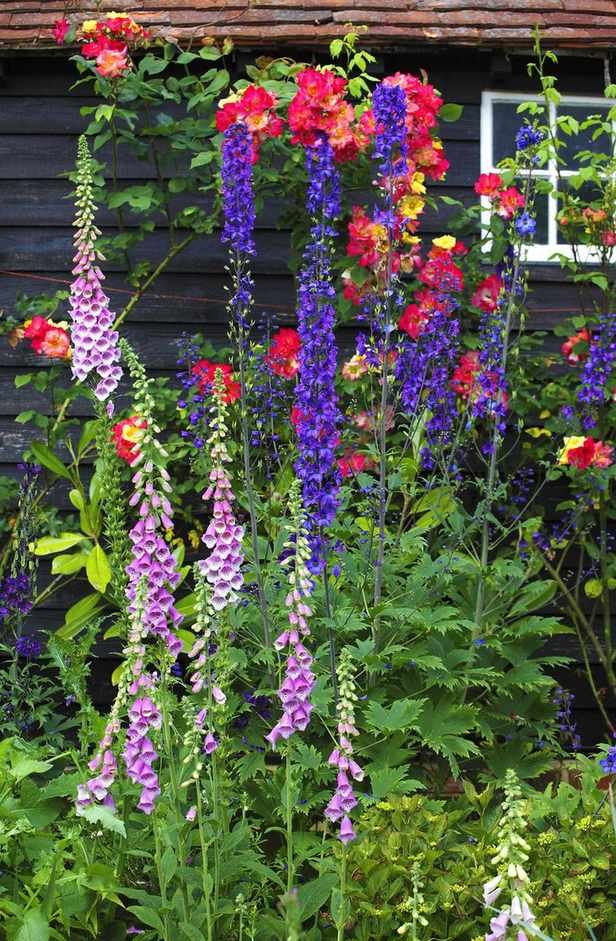
The essence of a cottage garden is laid-back and inviting, with no strict rules to follow. Embrace rustic materials, vintage touches, and a delightful chaos of colors and textures.
Despite its informal nature, careful planning is essential for both layout and planting in a cottage garden.
See: Cottage backyard inspiration – more ways to enhance your garden
Steps for Designing a Cottage Garden
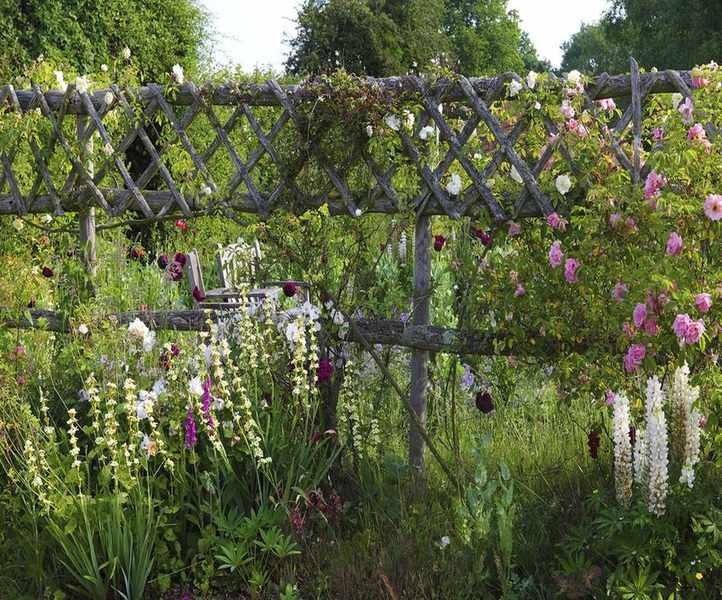
When planning your cottage garden, start with a straightforward layout since the infill will be dense and lively.
1. Begin with a Single Border
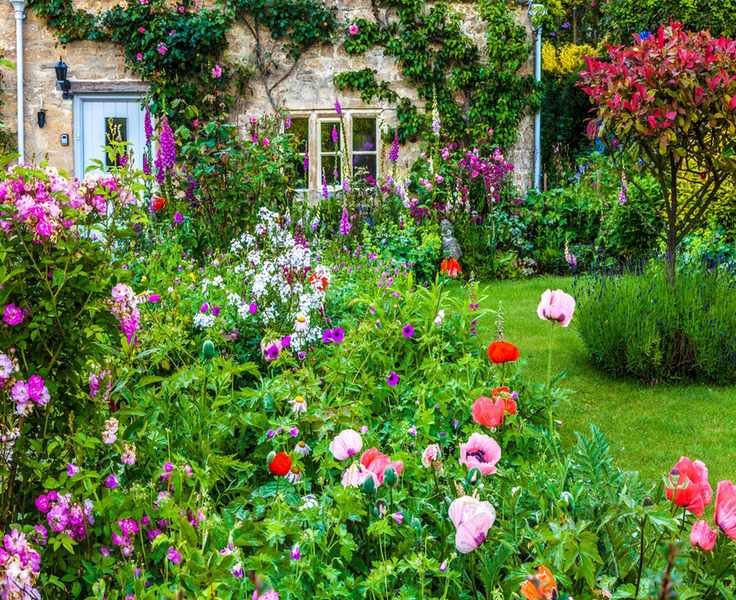
Cottage gardens require care and planning. To keep maintenance manageable, start small, perhaps with a single garden area, and expand as your confidence grows.
See: Planting a cottage border – a beginner's guide.
This design can be placed behind a charming fence, bordered by low hedges, or as a welcoming display to greet guests at your entrance.
2. Incorporate Paths and Walkways
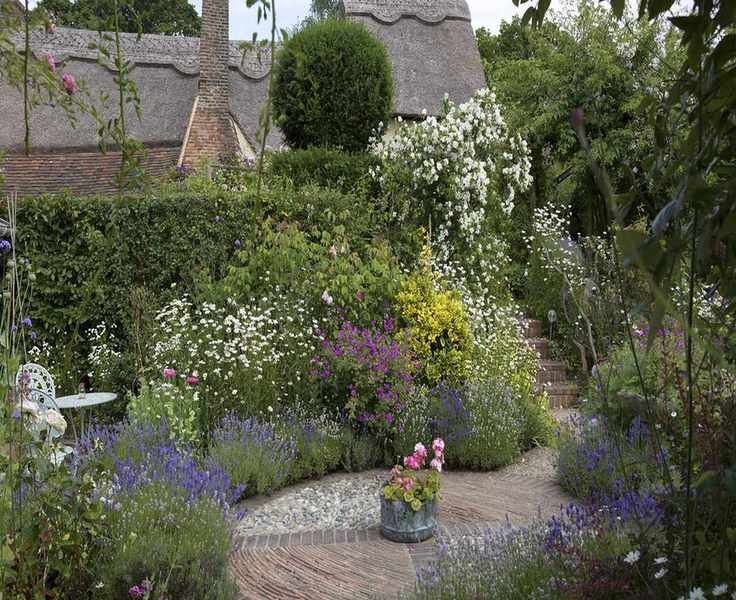
Curved garden paths made of stone, bricks, gravel, or grass contrast beautifully with the vibrancy of the planting in larger cottage gardens.
A cottage garden benefits from winding paths that weave through beds brimming with plants, leading the eye to focal points like your home or a garden bench.
Softly curving paths enhance the cottage garden's charm.
See: Front yard cottage garden ideas – for a wealth of inspiration
3. Use Charming Accessories to Attract Attention
Garden ornaments such as a rustic birdbath, sundial, or bench can add interest among the flowers, breaking up the planting's intensity.
Incorporate upcycled or vintage items like an old wheelbarrow overflowing with blooms, moss-covered statues, or stone finials nestled among plants. This is a chance to showcase your unique style—there are no hard and fast rules.
4. Introduce Vertical Elements for Height
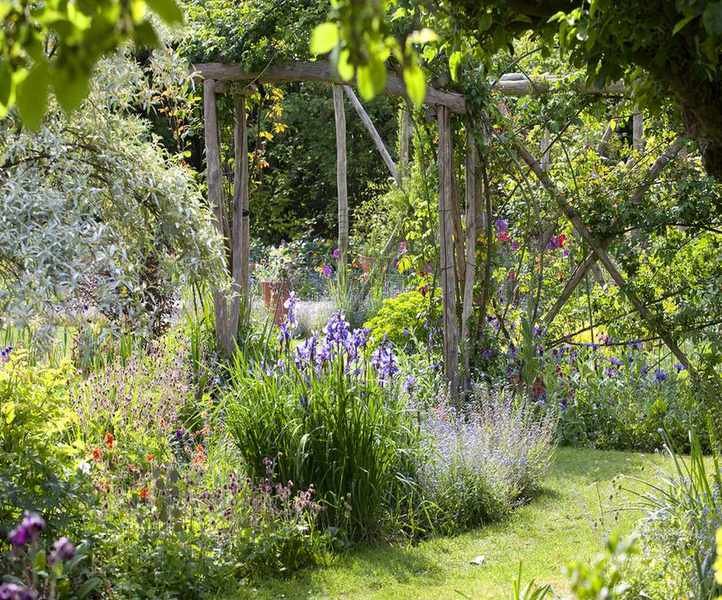
Adding height through arbors, arches, or obelisks draped with fragrant climbing plants like roses or jasmine can enhance the garden’s visual appeal. Use these features sparingly to avoid overwhelming the space.
5. Assess the Soil
Check your soil type to determine the best plants for your garden. Enrich it with organic matter like compost. Healthy, rich soil supports plants needing less watering and fertilizing, while mulching retains moisture and curbs weeds.
6. Opt for Natural Plantings
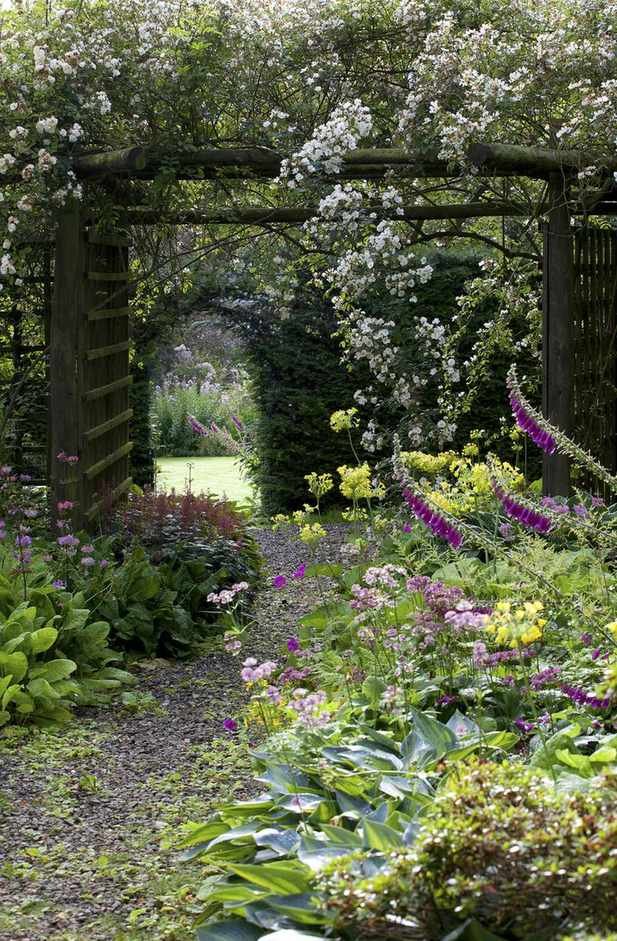
Select plants suited for various light conditions and soil types, although most cottage plants prefer sunny spots.
Start with larger permanent plants like trees and shrubs, then fill gaps with smaller flowering perennials and annuals for a cohesive look.
7. Maximize Ground Coverage
In a cottage garden, there’s no space for bare patches—it's all about densely planting a variety of flowers. Choose resilient, pollinator-friendly plants and plan for continuous blooms throughout the seasons.
8. Embrace Color with Confidence
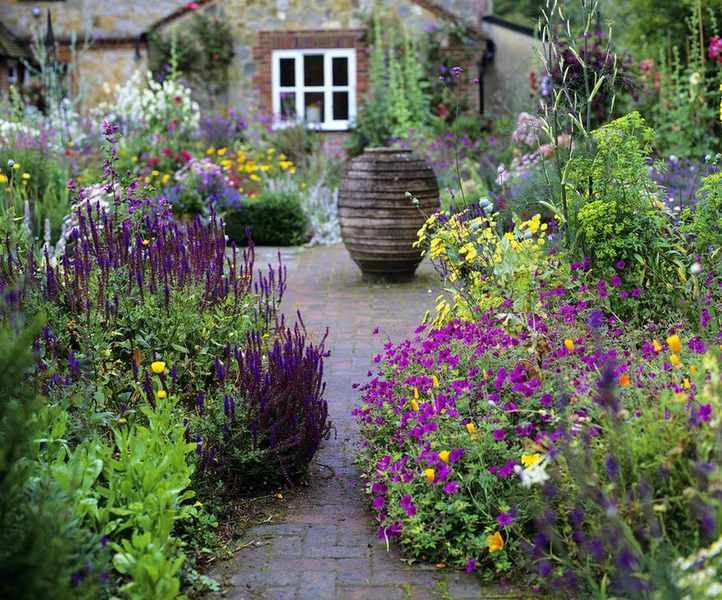
Choose a color scheme that resonates with you and complements your home’s architecture, from soft pastels to bold contrasts.
Planning Your Plant Selections
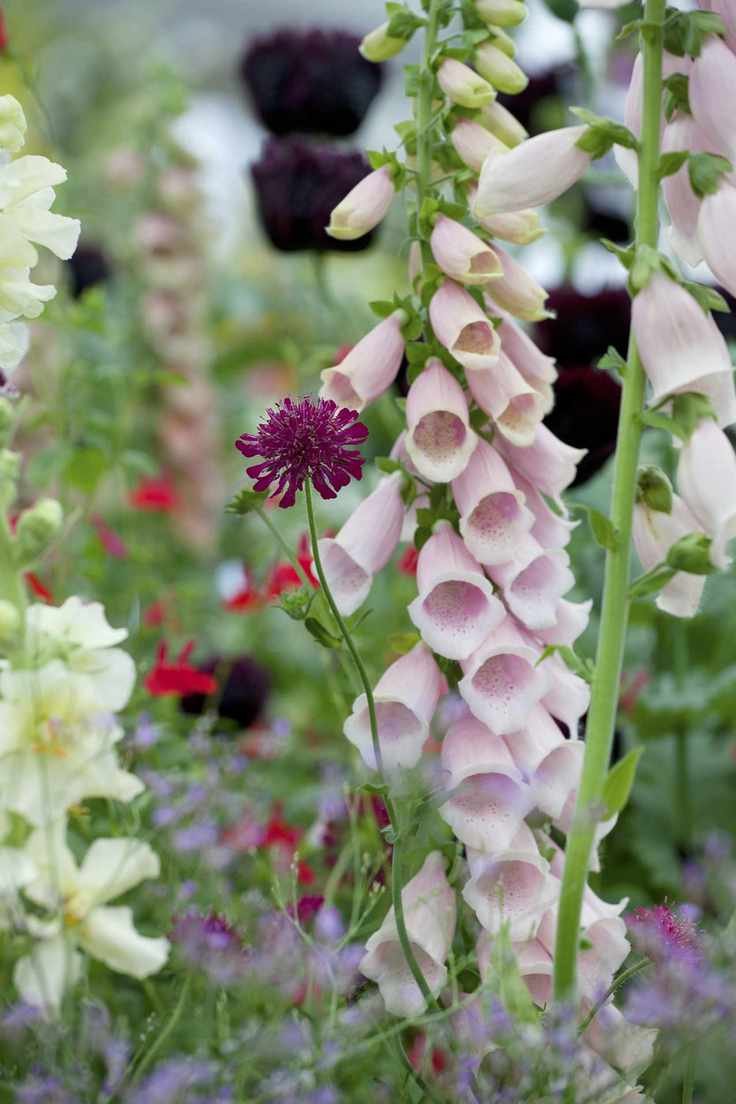
While designing your cottage garden, aim for a delightful mix of flowers and fragrances.
Classic cottage flowers like hollyhocks and roses create a charming tapestry of growth. Keep in mind the principle of right plant, right place to ensure healthy, vibrant plants with minimal effort.
Incorporate traditional cottage plants, encouraging self-seeding and planting closely to eliminate bare spots.
See: Cottage garden plants – the best flowers and shrubs to cultivate
Prioritize low-maintenance plants, mixing hardy perennials, structural shrubs, and some bulbs for added interest.
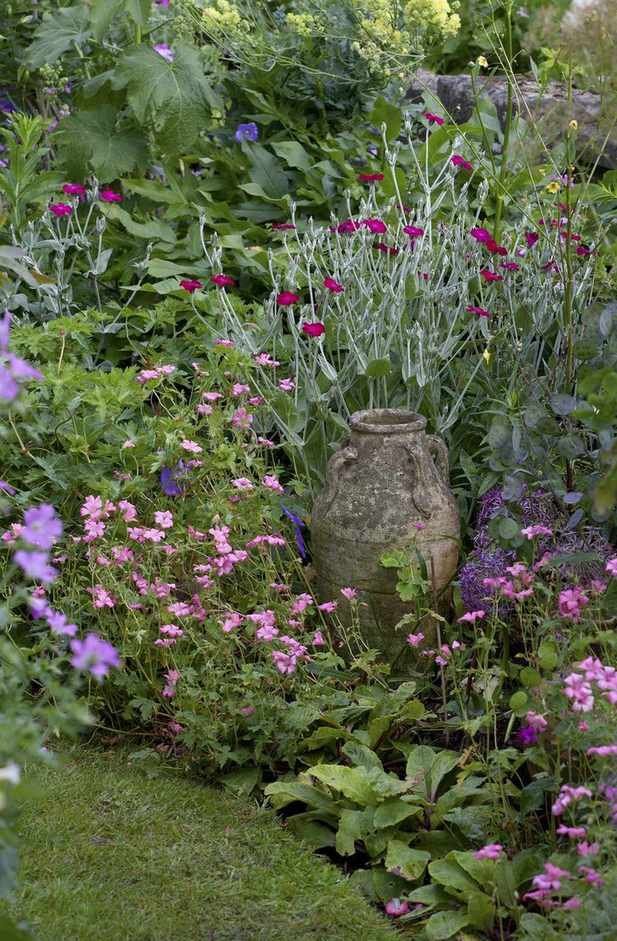
- The top five recommended plants for a cottage garden, known for their delightful self-seeding, are foxgloves, lavender, delphiniums, philadelphus, and roses.
- Include other quintessential cottage plants like nepeta, hollyhocks, phlox, geraniums, love-in-a-mist, stocks, dianthus, cosmos, peonies, sweet peas, aquilegia, daisies, and wildflowers.
- Choose disease-resistant shrub roses and ramblers for your design.
- Incorporate foliage from options like Stachys byzantina, Alchemilla mollis, and ornamental grasses.
- Integrate productive plants like a self-fertile dwarf fruit tree, vegetables, and herbs into the mix.
“Incorporate plants that flower multiple times to maximize space efficiency,” advises a horticulturalist.
Recommended plants for a cottage garden include:
- 'Geranium ‘Rozanne’, blooming from June to October;
- Nepeta grandiflora ‘Summer Magic’, ideal for edging or as a lavender substitute in unsuitable soils;
- 'Geum ‘Totally Tangerine’, known for its cheerful tangerine flowers;
- Anemone ‘Frilly Knickers’ – characterized by delicate, ruffled blooms.
Creating a Cottage Garden on a Budget
Cottage gardens are budget-friendly since many flowers can be grown from seed, including affordable annuals. Seed swapping with neighbors or taking cuttings is a great way to expand your garden without spending much.
Allow nature to take its course by letting self-seeders thrive. If plants emerge in unexpected spots, simply relocate them to areas where they fit better. This natural planting style allows for flexibility.
See: Cottage patio ideas – design a lovely space for relaxation
Utilize reclaimed materials for hardscaping, which keeps costs down while adding to the charm. Upcycling garden features is encouraged.
Regular maintenance ensures your floral display remains vibrant—prune new growth and deadhead flowers to promote continuous blooming.
There's a nostalgic yet liberating spirit in cottage garden design, making it simply irresistible. With no set rules, you can create a garden that reflects your individual taste.


