

As warmer months approach, many of us find ourselves refreshing our outdoor spaces. This is the perfect time to revive your backyard and all the furniture that endured a long winter outdoors. Wood, by its very nature, tends to age over time, and even the most durable outdoor furniture can show signs of wear. If your teak deck chairs or redwood bistro set have become pale or gray from sun exposure, you might be eager to restore their original charm.
Can you breathe new life into faded outdoor wood furniture? You certainly can! With the right techniques, your UV-damaged pieces can look vibrant again, ready to impress guests during your next barbecue. We've consulted with experts to provide you with practical tips to rejuvenate your patio this spring.
Step-by-Step Guide to Restoring Faded Outdoor Furniture
According to Todd Harmon, co-founder and CIO of a leading outdoor furniture company, wood furniture naturally fades due to UV exposure and environmental elements. While the restoration process may seem daunting, it's not as challenging as it appears, and the results can be quite rewarding. Additionally, restoring wood instead of replacing it is a sustainable choice that helps reduce waste.

Todd Harmon is a co-founder and CIO of a prominent outdoor furniture retailer specializing in a variety of wood collections, including teak and wicker. He brings valuable expertise in furniture design and restoration.
1. Clean and Prepare Your Outdoor Wood Furniture
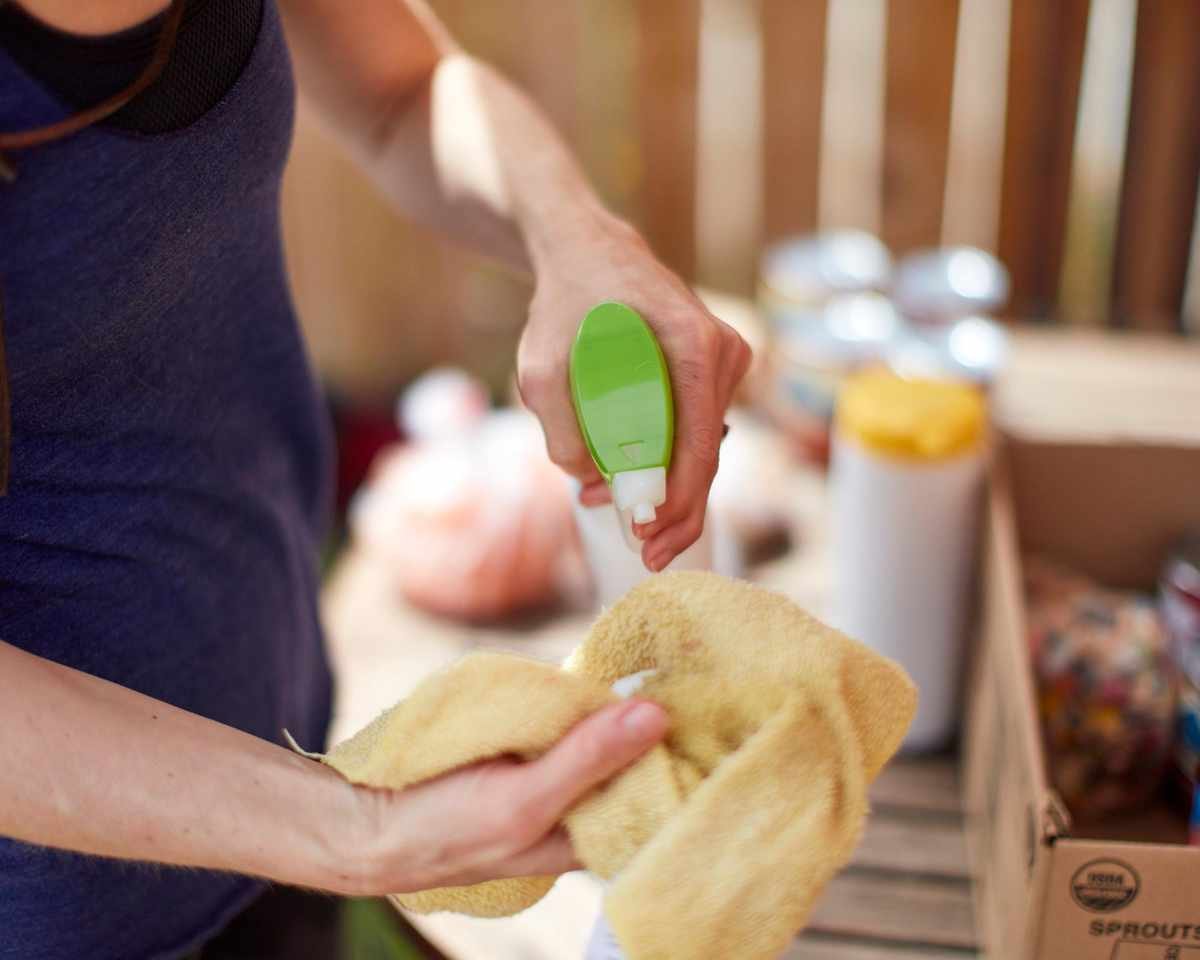
Start the restoration by thoroughly cleaning your outdoor furniture and clearing away any dried debris using a brush. Always work with the grain to avoid damaging the wood. Look for an eco-friendly cleaner appropriate for the wood type, or create a mild soap solution using warm water.
Joel Hirshberg, President of Green Building Supply, suggests starting with their Rubio Monocoat Wood Cleaner, which is suitable for both soft and hardwoods. This cleaner is non-toxic and highly effective.
For teak specifically, Emma Putrimas, VP of product and design at Teak Warehouse, recommends using a brush with medium to soft bristles along with a gentle cleaner like Simple Green, along with a dry cloth for finishing. You can purchase Simple Green at Home Depot.
Other recommended teak-cleaning products include the Furniture Clinic's cleaner on Amazon, which has excellent reviews.
2. Sand Down Affected Areas

If you're unsure how to sand outdoor furniture properly, we recommend checking out our comprehensive sanding guide. It's simpler than you might think and can quickly restore weathered, sun-bleached patio pieces.
One of the most effective DIY methods for restoring faded outdoor furniture is sanding the surface to remove the worn layer and expose fresh wood. Todd advises that for smaller areas, hand-sanding with fine grit sandpaper (around 180 grit) is typically sufficient. He adds, "Choose finer grit sandpaper to prevent excessive wood removal." An effective choice is the 180-grit pack from ScotchBlue Store on Amazon.
3. Revitalize Color with Stain

For a more uniform appearance, applying a stain can be an important step. Todd suggests, "Use an eco-friendly wood stain or sealant to protect the wood and enhance its look." Make sure to select products labeled as low-VOC or water-based to minimize environmental impact.
We discovered a water-based stain by Littlefair's on Amazon that is non-toxic and eco-friendly for outdoor use. Be sure to apply it on bare wood, which is why sanding is crucial. The Furniture Clinic store on Amazon also provides an eco-friendly option that has received positive reviews. Additionally, consider using teak oil (also available on Amazon) after staining to prevent further UV damage or warping.
For an even more eco-conscious method to restore faded outdoor wood to its original color, Todd suggests using common household items. Brew a strong batch of black tea or coffee, let it cool, and apply it to the faded wood with a brush or cloth. Allow it to soak in for a natural staining effect, and you may need multiple coats to achieve the desired color.
Once dry, seal the wood with an eco-friendly sealant to protect the stain and extend its life.
4. Choose the Right Sealer
Selecting a quality wood sealer is essential for any wooden outdoor furniture to withstand the elements. Apply the sealer when your furniture is clean and completely dry, regardless of the wood type. It's important to choose a product suited to the specific wood you are working with and always conduct a test on a small, hidden area before full application.
If you've successfully cleaned and sanded your furniture to remove gray and uneven tones, or if you've applied a stain, you might be tempted to use a clear sealer. However, Joel recommends opting for a pigmented formula for better durability and UV protection. "The sun is the main culprit for fading. Use pigmented finishes instead of clear finishes." Even semi-transparent stains can provide enhanced protection against the elements.
"All wood types will fade in sunlight unless they are treated with a sealer containing pigments that effectively protect against UV rays," Joel concludes.
When selecting products for DIY projects, always choose reputable brands and read reviews to understand any potential health hazards or other important details.
Frequently Asked Questions
How can I prevent outdoor wood furniture from turning gray?
Any wooden furniture left unsealed is prone to UV damage. Although teak is a popular choice for outdoor furniture, it can still turn gray if not properly maintained. Prevention is the best strategy; ensuring your outdoor wooden furniture is adequately treated and sealed is crucial for protecting it from UV degradation, water damage, and more. If your furniture will be exposed to rain or sun, consider using furniture covers for extra protection year-round.
During sunnier seasons, try to position your furniture in shaded areas, such as under a covered patio or with a patio umbrella. Awnings or a pergola can also limit direct UV exposure. Lastly, maintain your furniture by wiping it down every few weeks as part of your outdoor cleaning routine to prevent debris buildup.
Can you create your own outdoor wood stain polish?
If you can't find a suitable polish, consider making your own based on Todd's suggestion. "You can create an eco-friendly wood polish by melting beeswax and mixing it with a small amount of olive oil or jojoba oil," Todd explains. "Beeswax creates a moisture barrier and helps restore faded wood to its former beauty."
Incorporating this straightforward method into your spring home maintenance routine will ensure that sun-bleached outdoor furniture won't detract from your backyard design this summer. Here are some tools and materials that may come in handy for this and other outdoor projects:
 Hard or soft bristles
Wooden Hand Brushes
 180 Grit
Sanding Sheets
 Premium
Beeswax Furniture Polish
Don't neglect your favorite outdoor furniture. If you want tips specifically for maintaining teak sets, we also have advice on preventing teak furniture from bleaching in sunlight. After achieving beautiful results, consider lighter DIY projects, such as creating a bird bath...


