
If you're using your vacuum cleaner regularly, are you really getting the most out of it? Buying a good vacuum is just the start; knowing how to use it effectively is key.
Here, we provide expert advice on optimizing your vacuum's performance, covering cleaning, maintenance, and storage techniques.
Understanding Your Vacuum Cleaner
You've made a great investment, but do you know what all the attachments do?
- Crevice tool: This tool excels at cleaning tight spots like corners and edges. Use it for small messes in cars or under appliances.
- Dust brush: Ideal for gently removing dust from delicate surfaces like lampshades and TV screens.
- Upholstery tool: Designed for vacuuming furniture, this tool captures hair and lint, making upholstery look fresh.
- Extension wand: Perfect for reaching high areas, it allows you to clean ceiling fans and high shelves.
- Mattress tool: Broad and flat, this attachment is great for refreshing your mattress.
- Pet hair tool: Use this to groom pets and keep the hair from spreading onto carpets and furniture.
- Radiator brush: A slim tool that cleans between radiator fins with ease.
Keeping Your Vacuum Clean

Cleaning your vacuum is essential for optimal performance and longevity.
Regularly cleaning your vacuum prevents dirt redistribution and keeps it functioning well. Here are some general tips to follow:
1. Unplug the Vacuum
Safety first! Always unplug before cleaning. Disassemble the dustbin, filters, and brushes according to your user manual.
2. Empty the Canister or Change the Bag
For bagless vacuums, empty the canister after each use or when it's halfway full to maintain suction power. For bag models, replace bags every three months, checking for full bag indicators.
3. Sanitize the Dirt Compartment
Remove the dustbin, and wipe it with a dry microfiber cloth. Soak in warm, soapy water, rinse thoroughly, and ensure it's completely dry before reattaching.
4. Clean the Filters
Filters trap allergens and should be cleaned every two to four weeks. Follow manufacturer instructions for washing or replacing.
5. Clean the Vacuum Head
- Detach the head from the vacuum.
- Remove the brush roll and wash it with warm water.
- Cut away any hair or debris using scissors.
- Wipe the underside with a dry cloth.
- Reassemble when completely dry.
6. Clear the Hoses and Pipes
Regularly check for blockages in hoses and attachments. Use a flexible brush or a straightened coat hanger to remove debris.
7. Wipe the Exterior
Use a damp cloth to clean the vacuum's body, focusing on high-touch areas. Disinfect with a mild solution or wipes.
Why Does My Vacuum Smell?

Foul odors can arise from various issues with your vacuum.
Vacuum cleaners can develop unpleasant smells for several reasons:
1. Full Dustbin or Bag
Overfilled containers can release odors back into your home. Regular emptying is essential.
2. Lack of Cleaning
Neglecting regular maintenance can lead to odor buildup.
3. Clogged Filters
Dirty filters can trap odors. Keep them clean or replace them as needed.
4. Moisture Buildup
Moisture can lead to mold, causing bad smells. Avoid vacuuming damp materials unless using a wet-dry vacuum.
5. Pet Hair and Dander
Pet hair can retain odors if not cleaned regularly.
6. Electrical Issues
If smells persist, it may indicate motor failure, which often requires replacement.
Vacuuming Different Surfaces

Different surfaces require specific care and techniques.
Vacuuming Carpet
Regular vacuuming helps extend carpet life. Move slowly to allow the brush roll to lift debris effectively.
Vacuuming Furniture
Use an upholstery attachment for furniture, checking first for loose threads. Use low suction settings and test in hidden areas.
Storing Your Vacuum Cleaner

Proper storage keeps your vacuum in good condition.
Store your vacuum in a cool, dry place away from sunlight. Ensure the power cord is neatly wrapped to prevent tangles.
Vacuum Maintenance Essentials
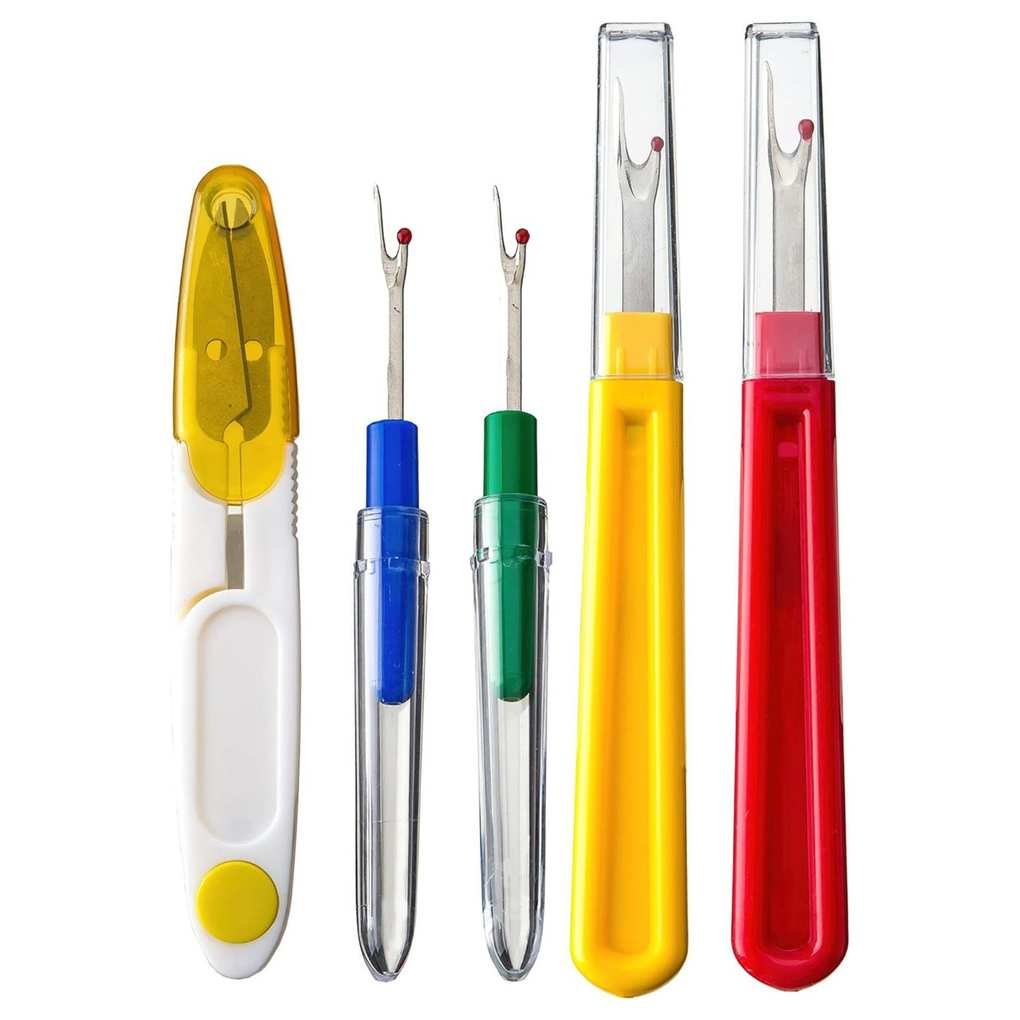 Remove wrapped hair
Thread rippers are great for removing tangled hair without damaging your vacuum's brushroll.
 Value pack
Disinfecting wipes are perfect for a quick refresh of your vacuum's exterior.
 Sturdy design
This vacuum stand holds your vacuum and accessories without any drilling.
 Micro Hook Technology
A drain snake can effectively clear clogs in your vacuum.
 Our top pick
This lightweight cordless vacuum has exceptional cleaning power.
 Wide Compatibility
This wall mount works with various cordless vacuum models.
FAQs
How often should you clean a vacuum?
Experts suggest cleaning every three to six months, or more frequently if you have pets or allergies.
Why is my vacuum losing suction power?
Common causes include:
- Full dust container: Always check this first.
- Clogged parts: Inspect hoses and clear any blockages.
- Filters: Ensure filters are clean and replace them as needed.
- Air leaks: Seal any leaks in hoses or cases.
- Worn parts: Inspect seals, belts, and brushes for damage.
Note that vacuums may naturally lose suction over time.
Meet Our Experts

Dan is our home tech editor and vacuum expert, testing various models in different settings.

Muffetta has over 15 years in cleaning operations management.

Scott has been in the carpet care business for over 20 years.

Scott is a cleaning expert at a leading home cleaning company.

Jenna is a lifestyle blogger focused on creating beautiful, healthy homes.

Andy is the founder of a family-owned appliance repair business.

Karina is a cleaning expert with extensive knowledge of vacuum care.
If you're considering a new vacuum, check out our guide on choosing the right model.