

As a houseplant enthusiast, I've learned a lot about plant care over the years. Recently, I found out that different types of water can significantly affect plant health.
My journey began when I noticed the tips of my rattlesnake calathea turning brown. Everything else in its environment seemed fine, which led me to investigate the water I was using. I soon discovered that tap water could be detrimental to houseplants, especially for those sensitive to changes, such as my calathea.
After switching to filtered water, I've seen a remarkable improvement in the vibrancy of my calathea's leaves. The reason tap water can harm certain plants is due to the chemicals present. In this article, I'll explore why this happens, which plants are most affected, and what water options you should consider instead.
Is Tap Water Harmful to Houseplants?

The potential harm from tap water to houseplants stems from the treatment process that water undergoes before it reaches our faucets.
According to water treatment expert Martin Chan, 'Municipal tap water often contains chlorine, chloramine, fluoride, and varying amounts of dissolved minerals, such as calcium and magnesium.'
'While the water is treated to be safe for drinking, these elements can build up in potting soil, leading to negative effects on plants over time.'
'Mineral accumulation can alter soil chemistry, hinder nutrient absorption, and stress the roots,' Martin adds.
If you're curious about whether your soil health and pH are being impacted by these chemicals, consider using a soil test kit from Amazon. This kit will also help you determine the type of soil you're using, allowing you to make necessary adjustments for optimal plant health.
Using tap water can inadvertently introduce harmful chemicals into your houseplant's soil. This can lead to symptoms like browning leaf tips, drooping leaves, or even wilting plants. Additionally, mineral and salt build-up can inhibit the roots' ability to absorb nutrients, hindering growth.

Martin Chan, founder of Aquazona, has dedicated over forty years to improving Arizona's water quality. Since starting Aquazona in 1987, he has earned a reputation as a trusted expert in water treatment solutions.
Which Houseplants Are Sensitive to Tap Water?

While not all houseplants are negatively affected by tap water, there are specific varieties that should ideally be watered with alternatives.
These include:
- Calathea varieties
- Indoor ferns
- Orchids
- Spider plants
- Peace lilies
These popular plants are particularly sensitive to the fluorides and chemicals present in tap water.
If you're noticing browning in your calathea or curling leaves, or if your asparagus fern is turning yellow, these are signs that the tap water might be affecting them. Likewise, orchids can develop root rot, and spider plants may exhibit 'tip burn' with brown leaf edges.
Moreover, plants like peace lilies might fail to bloom or their leaves may lose color due to the high chemical content in tap water.
What Should You Use Instead of Tap Water?

For houseplants that suffer from tap water, there are several alternatives to keep them hydrated. Not switching can lead to a common indoor plant mistake, particularly for struggling plants.
'Reverse osmosis water and distilled water are excellent choices for houseplants because they are pure and neutral, preventing build-up and supporting healthy roots,' says Martin Chan.
While a reverse osmosis system from Amazon can be a bit costly, purchasing bottled distilled water from Walmart may be a more budget-friendly option.
You can also consider using a water filter jug (from Amazon) to remove harmful chemicals, making your tap water more suitable for houseplants.
'Rainwater is another fantastic alternative if it's available,' Martin suggests.
You can explore various rainwater harvesting ideas, from a rain chain (from Amazon) to a rain barrel (from Amazon).
FAQs
Can Tap Water Kill My Houseplants?
It's unlikely that tap water will kill your houseplants outright. However, it can weaken those particularly sensitive to the chemicals present in treated water. Therefore, using filtered or purified water can be a better option for hydrating your plants.
In addition to being aware of the potential issues with tap water, it's crucial to adopt effective watering techniques for your indoor plants. For instance, I often find that bottom watering helps prevent problems like overwatering, underwatering, and mold growth.
Explore Houseplant Watering Accessories:

This charming sage green watering can is perfect for your houseplants. Its long, narrow spout allows you to easily reach the center of your plants.
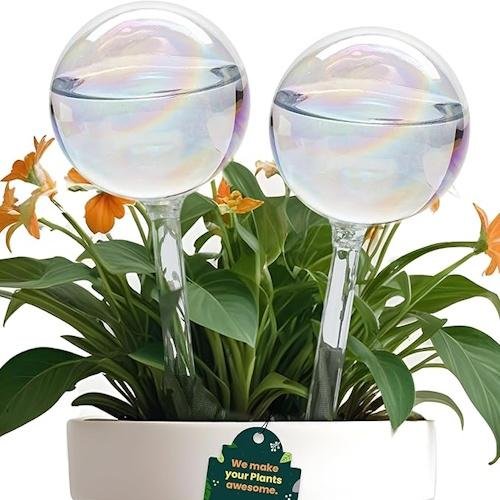
These self-watering globes are ideal for low-maintenance plant care, gradually releasing water into the soil to keep your houseplants consistently moist.

This soil moisture meter helps you check the moisture level of your houseplant's soil before watering, ensuring you never over or underwater your plants again.


