
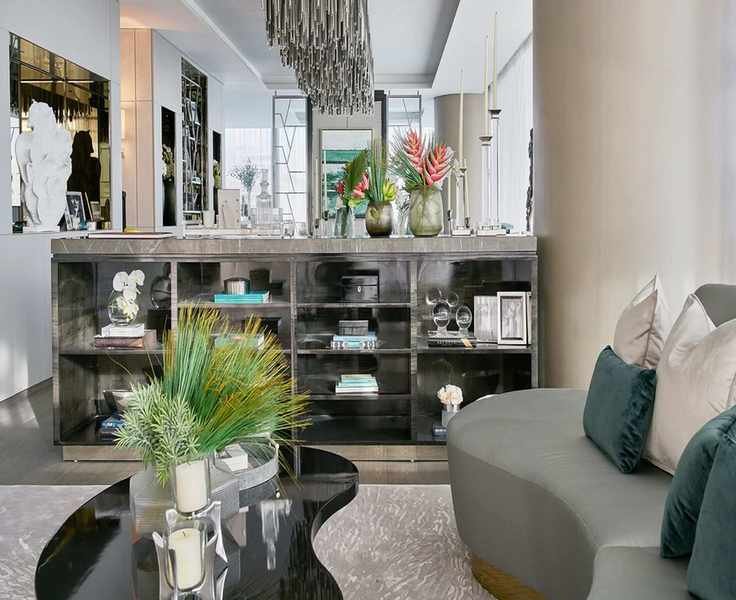
Incorporating curves in your home can significantly enhance flow and energy.
Lines play a crucial role in interior design, contributing to a room's balance and visual appeal. Here, we explore how to integrate curves and the impact they can create.
1. Balance Curves with Straight Lines
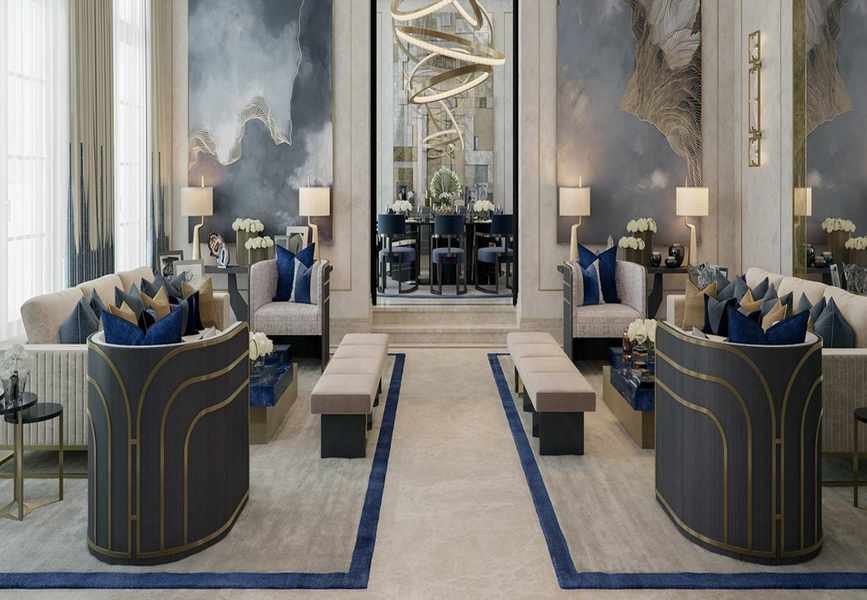
Curved elements can complement both traditional and modern designs. The best results often come from blending classic furniture with contemporary curved pieces. Combining rigid lines with soft curves creates an engaging contrast in a space.
2. Utilize Curves in Any Room Size
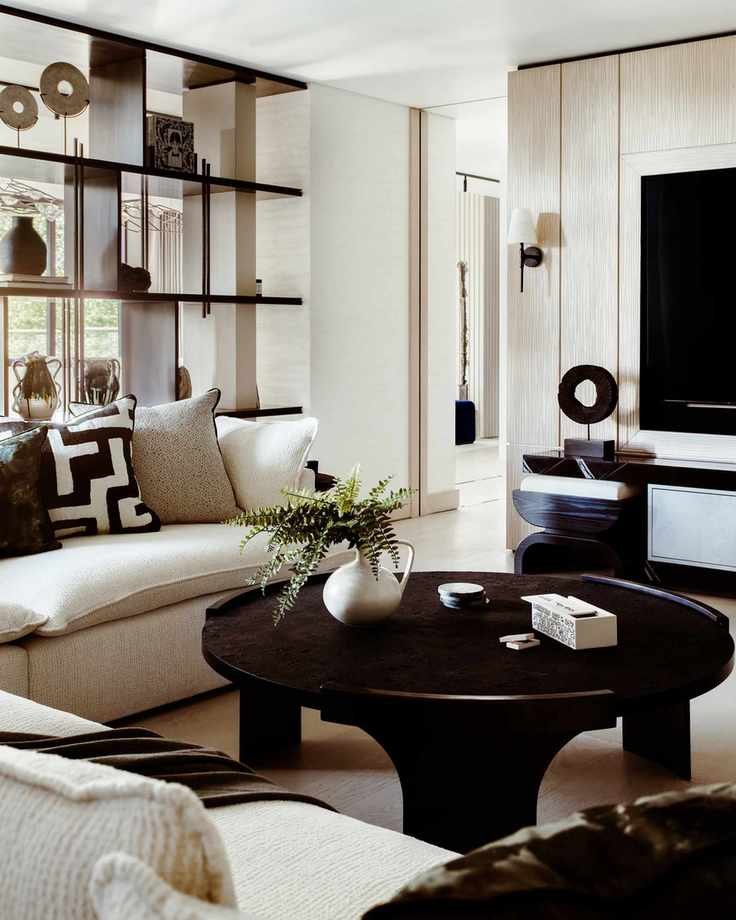
In smaller areas, curved furnishings help soften the environment and expand sightlines, while in larger rooms, sweeping curves foster cozy, inviting nooks.
3. Establish a Curved Focal Point
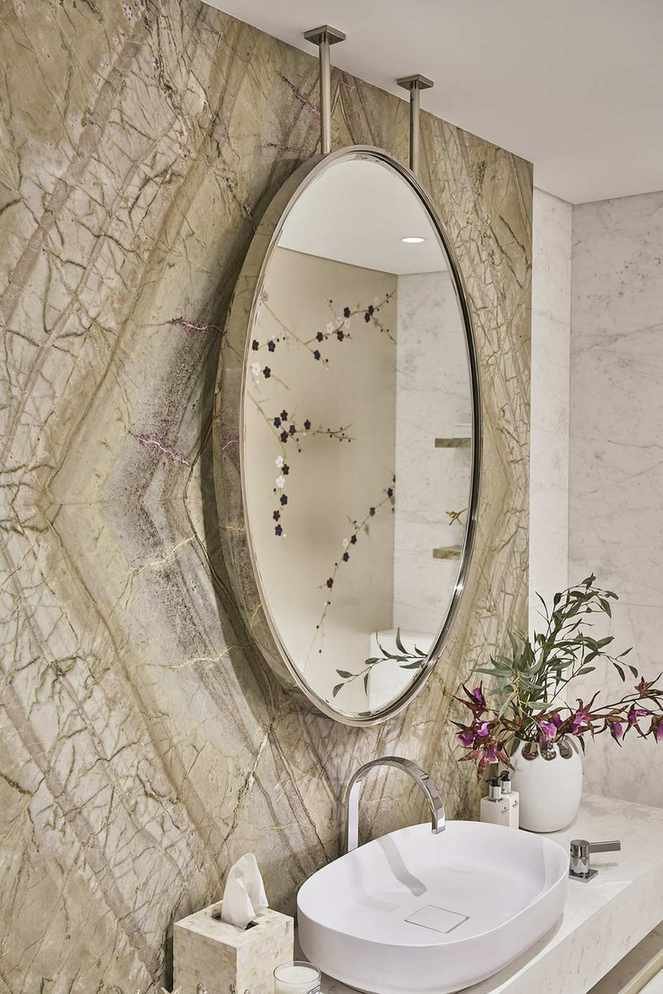
To subtly integrate curves, consider using mirrors or artwork with rounded frames. This adds visual interest without needing a complete redesign.
4. Emphasize Pattern and Edge
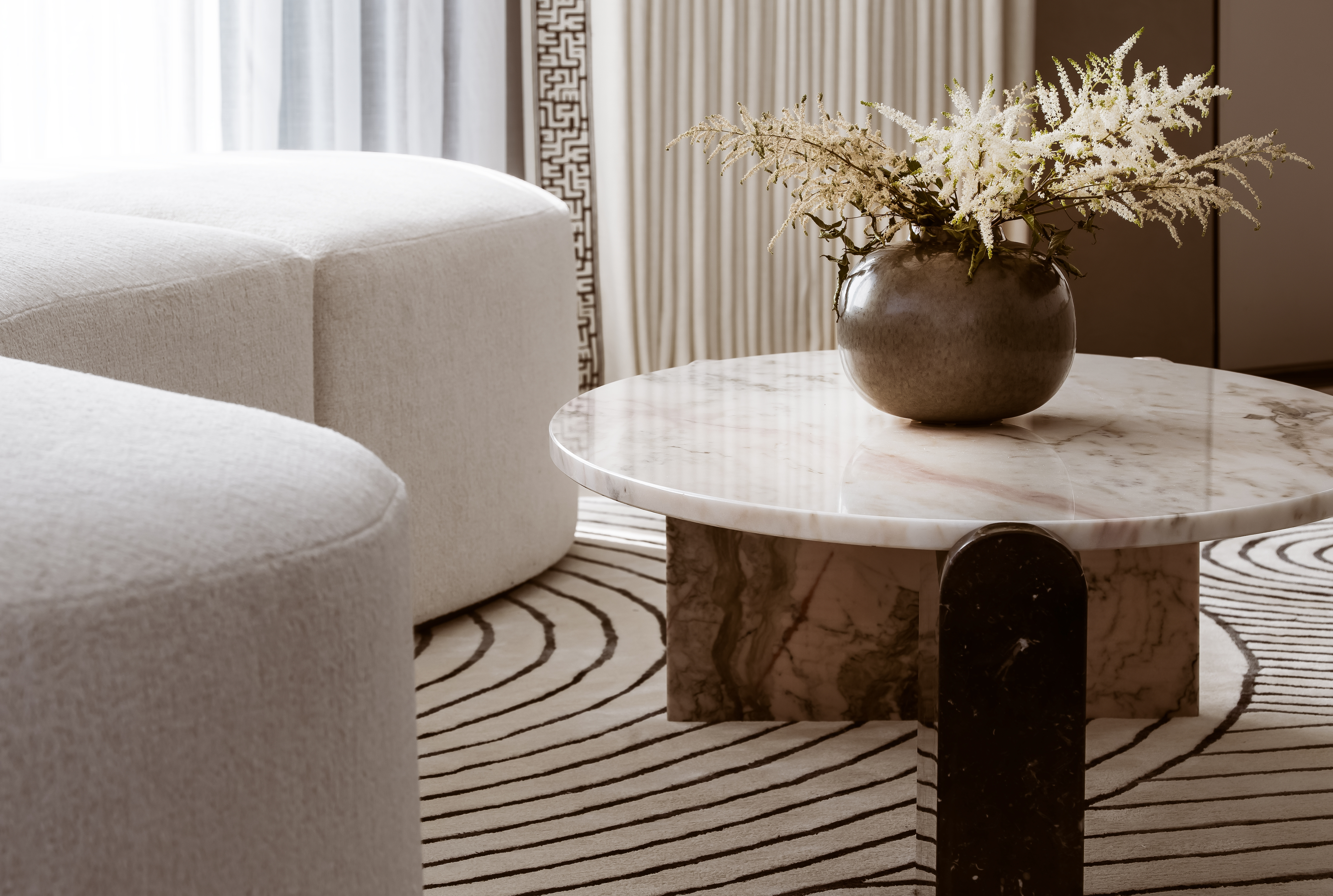
If introducing curved furniture feels daunting, experiment with accessories that feature rounded edges or patterns. Scalloped details on rugs and cushions can introduce gentle lines and allow for playful color or pattern combinations.
5. Pay Attention to Proportions
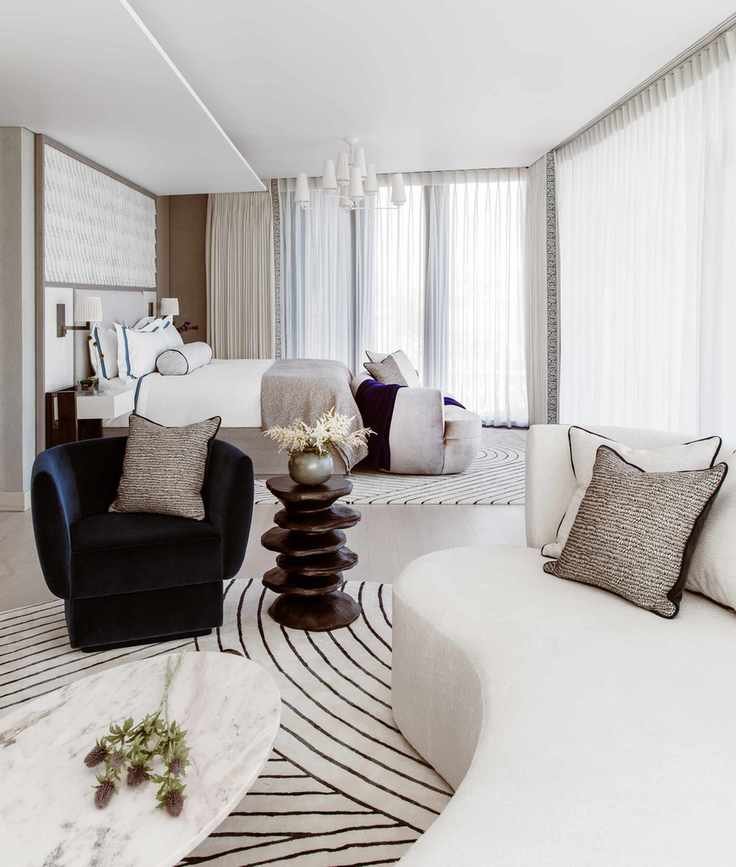
Getting proportions right with curved furniture is crucial. Avoid bulky and uncomfortable pieces by measuring carefully for optimal comfort. Prioritize substance alongside style!
When designing custom curved items, visualizing them in 3D before production can provide a clearer sense of their dimensions and overall look.
6. Choose the Right Fabrics for Curved Furniture
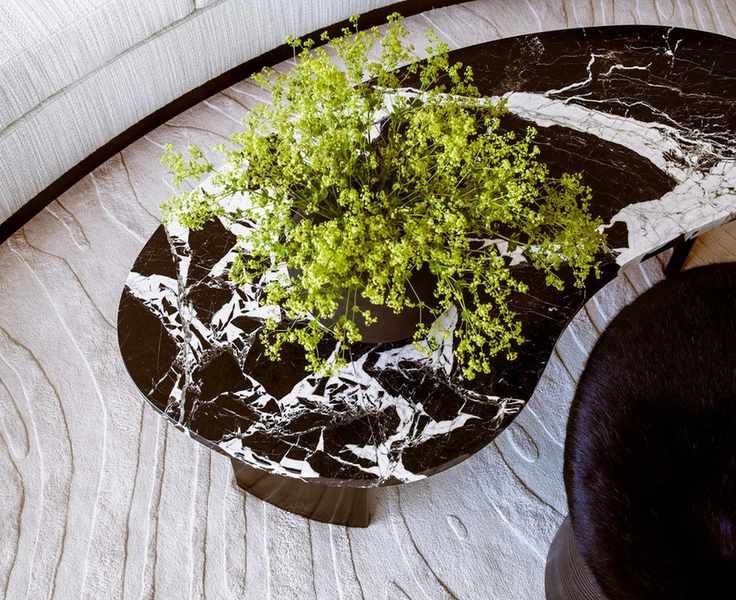
Textured woven fabrics and bouclé are my preferred choices for curved furniture. Ensuring proper padding is key to avoid any unsightly puckering. Consult with a furniture maker for the best fabric recommendations.
7. Opt for Textured Solids
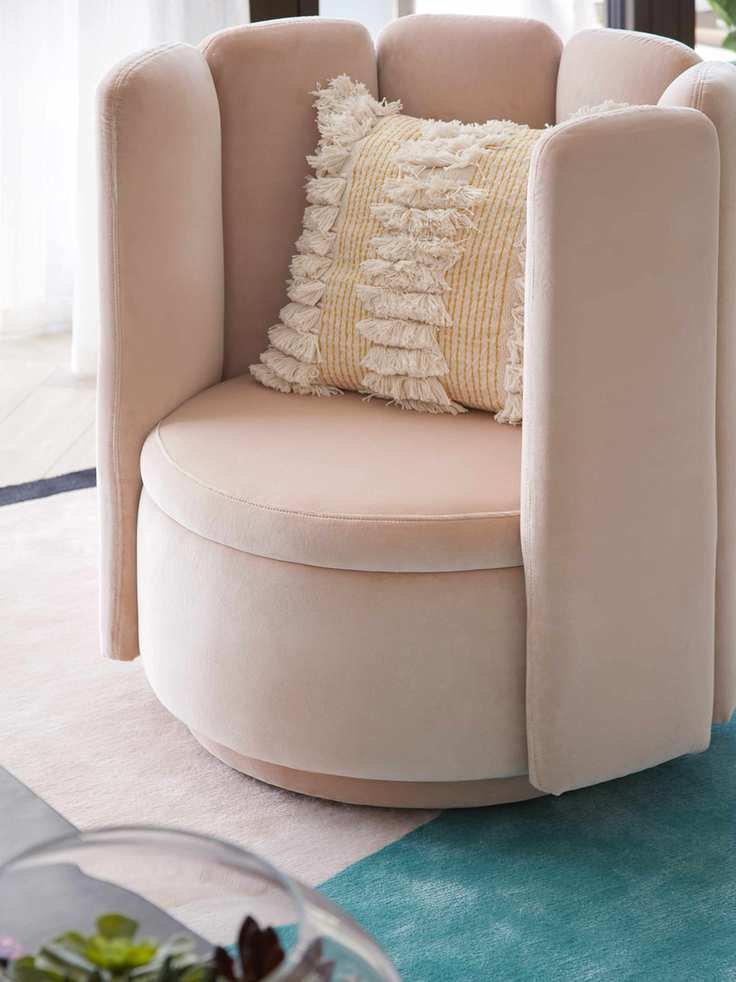
While patterns can be striking on curved furniture, they may complicate alignment along edges. Unless you have a specific design in mind, it's often better to stick with solid fabrics and enjoy the richness of texture.



