
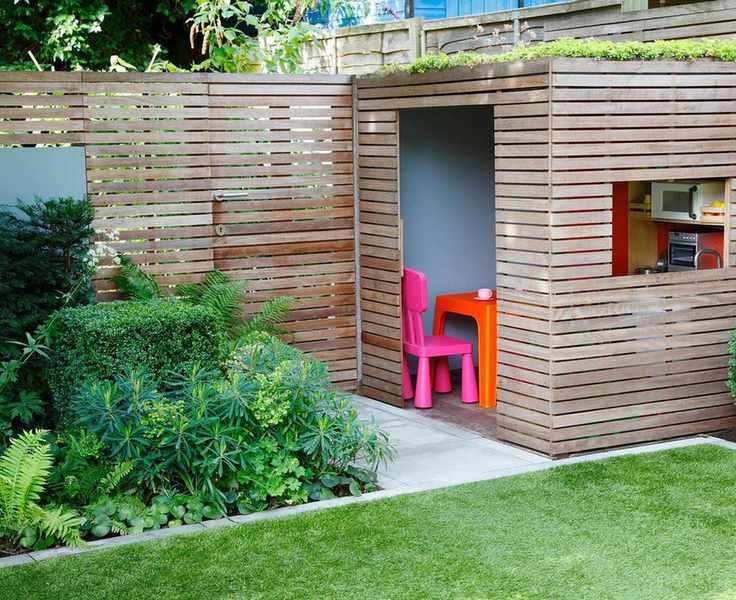
A backyard fence provides privacy and can serve as an attractive element in your outdoor space.
Explore garden fence ideas to boost your property's appeal while keeping noise and pets at bay.
Whether you prefer a low fence for neighborly chats or a taller one for complete seclusion, the process remains largely consistent. Begin by selecting your preferred material—options include wood, wrought iron, chain link, vinyl, bamboo, stone, or even living fences made from hedges and bushes.
Choosing the right materials can elevate your fence decorating options and provide a lovely backdrop for plants, while also shielding your garden from harsh winter elements.
This guide focuses on constructing a wooden post and panel fence, a favored choice due to the privacy it offers. With various panel heights available, you can easily control the level of seclusion. Wooden fences are also easily customizable with stains and paints to enhance your backyard's design.
Building a Fence for Your Backyard
A wooden post and panel fence can add charm to your yard. While it may be pricier than chain link options, it is generally cheaper than vinyl fences, allowing for personal expression. Consider constructing a matching gate as part of the project.
You Will Need
Tools:
- Breaker for removing existing posts
- Post hole shovel or spade
- Post hole digger
- Saw
- Paintbrush, wood stain, or paint for finishing the posts or panels
Materials:
- Fence panels
- Gravel boards
- Posts
- Post fixing compound
- String line
- Bitumen (for painting timber posts below ground)
1. Plan Ahead
Start by informing your neighbors about your fencing project. Providing advance notice is courteous. Gather your tools and materials, and wait for favorable weather. Posts for a typical wooden panel fence should be spaced 1.83m apart, with panels and gravel boards filling the gaps.
2. Clear the Area and Prepare
Begin by removing any existing fencing, including old posts, and properly disposing of the debris. Set a string line from the first post to the last to ensure a straight fence.
3. Dig Holes for the Posts
Next, dig holes for the posts. For a 6ft (1800mm) fence, a depth of 600mm is ideal. 'Install posts in a quick-setting post fixing compound at 1.83m intervals,' suggests a gardening expert. 'Then, place gravel boards between the posts, which should be 150mm in height to protect the fence panel from the ground.'
'You can pour concrete into the post bases once they're positioned and checked for level,' says a construction professional. 'Mix concrete on a clean surface, not directly on the soil, to avoid damage.'
4. Install the Panels
Insert the panels using brackets for wooden posts or slot them into grooves in concrete posts. For added durability, consider painting the wooden sections that will be below ground level with bitumen.
Can I Build a Fence Without Digging?
If digging isn't your preference, consider using metal spike anchors. These can be placed directly into the ground to secure your posts without the need for excavation.
Is a Wooden Fence Easy to Install?
Indeed, timber panels are typically among the easiest and fastest fences to construct in your backyard. Installation involves securing posts and panels, making it straightforward compared to other materials. Although wood may not be the cheapest option, it offers longevity and the flexibility to paint or stain to match your garden's aesthetic or feature vibrant colors.



