
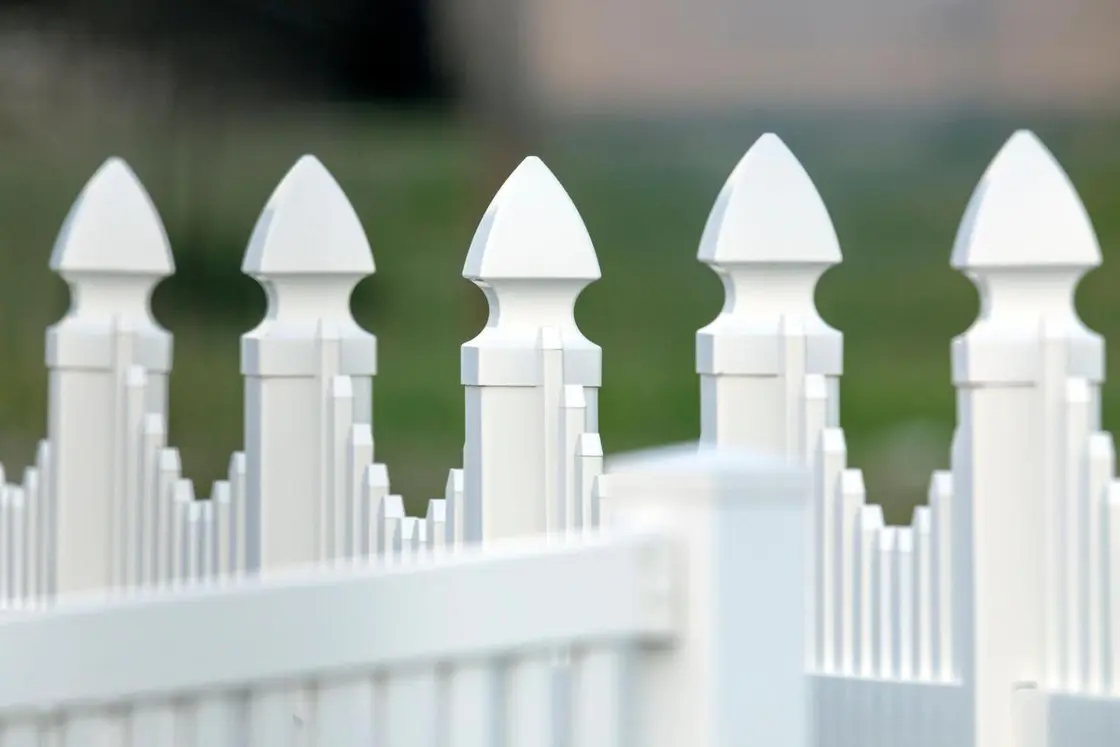
Constructed from synthetic plastic or PVC, a vinyl fence is a favored choice for those looking to enhance their outdoor space with privacy, color, and appealing design. It offers styles that mimic wood without the upkeep associated with traditional materials, along with options in both vibrant and neutral colors, decorative patterns, and tall panels for added seclusion and security.
When considering a fence for your outdoor area, the durability of vinyl is a significant advantage. 'Vinyl has gained popularity for fencing due to its resilience and minimal maintenance,' notes Jeremy Yamaguchi, a landscaping expert. It's true that a vinyl fence doesn't require staining, treatment, or painting to resist the elements, and it can be effortlessly cleaned with a pressure washer, saving both time and costs over the years.
Keep in mind that most vinyl fences can be set up in soil, while only certain types are suitable for installation in concrete or with specialized post inserts.
This guide will walk you through the process of installing a vinyl fence in just a few days.
Steps to Install a Vinyl Fence
'If you want your garden fence to last, a vinyl option is a smart choice,' states Rachel Crow, a landscaping professional. 'While you can select more vibrant colors for decorative purposes, we recommend a neutral shade that will complement any plants or exterior colors chosen now or by future owners. This fence should serve you well for many years.'
It's important to note that opting for vinyl may raise your fencing costs compared to wood, and especially when compared to chain link fences, but its longevity is a worthwhile investment.
Materials Needed:
- Hammer
- Drill
- Level
- Post hole digger
- Screwdriver
- Vinyl fence panels, posts, and brackets
- Vinyl adhesive
- String
1. Preliminary Checks
Before beginning, inform your neighbors of your plans, check for any underground utilities by calling 811, and review your property deed for any easements that might affect your boundary. Also, familiarize yourself with local zoning laws and obtain any necessary permits.
2. Mark the Fence Line
The success of your vinyl fence hinges on preparation. Use landscape stakes to outline the fence line, including corners and gates. Tightly tie string between the corner stakes to indicate where the line posts will be positioned. Measure the vinyl panels to determine where the posts should be placed.
3. Digging Post Holes
Now, dig holes for the posts that are deeper and wider than the posts themselves. A post hole digger works well for this, and you should aim for the holes to be about a third deeper than the post length. For main and gate posts, dig an additional 6 inches deeper for enhanced stability. Add 6 inches of gravel to the bottom of each hole to facilitate water drainage from the posts.
4. Setting the Posts
To secure the fence posts, fill each hole with quick-setting concrete and position the posts, starting with the corners and ends. Stretch string between the posts along the fence line to ensure all posts are level.
5. Attaching the Fence Panels
Once the concrete has cured and the posts are secure, attach rail brackets to the posts, ensuring you follow the manufacturer's instructions for the correct brackets and screws. Slide the panels into place and secure them with the provided screws and brackets. Finally, cap the posts with tops and secure them using vinyl adhesive.
Enhancing Vinyl Fence Strength
To boost the strength of your vinyl fence, tighten all the posts, rails, and pickets once everything is in place and aligned. For added durability and resistance to strong winds, reinforce the posts with concrete.
Permit Requirements
Typically, a permit isn't required for fences under 6 feet tall in backyards or 3.5 feet in front yards. However, it's advisable to verify local regulations, as densely populated areas might have different requirements. Consult your town's building inspector or check your local city hall's website for specific information.



