

Are you interested in cultivating squash but feel limited by space? Growing squash vertically could be the perfect solution, allowing you to make the most of your garden while enjoying a bountiful harvest.
You don't need a large area to grow squash, as these hardy plants can be trained to climb upwards. Many popular squash varieties thrive when grown vertically, creating an eye-catching feature in your garden while yielding plenty of delicious fruits.
This technique isn't just for those with small gardens; it's also an efficient approach to maximize existing garden beds. By training squash plants to grow on trellises or supports, you free up valuable space for other vegetables, herbs, or flowers in your kitchen garden.

Spaghetti squash are excellent choices for vertical growing
Can You Grow Squash Vertically?
Squash is particularly well-suited for vertical growth, making it a fantastic addition to your vegetable garden ideas. In this guide, we'll explore the benefits of growing squash this way and how to train various types to climb.
Benefits of Growing Squash Vertically

Vertical growth elevates squash fruits, keeping them away from pests
Creating a vertical garden by growing squash on a trellis system offers numerous advantages over allowing them to sprawl. This method not only applies to squash but also works well for pumpkins, and many gardeners also choose to grow cucumbers vertically.
The main benefit is space efficiency. This approach optimizes limited garden space and reduces the area required for sprawling crops. It makes vertical squash cultivation feasible even in small vegetable gardens or urban settings, allowing you to use the freed-up space for additional plants instead of just one that occupies a large footprint.
Moreover, vertically grown squash enjoy improved air circulation, which helps reduce the likelihood of fungal diseases that can yellow their leaves. Being elevated also keeps them away from pests that typically reside on the ground.
In addition to saving space and promoting healthier plants, growing squash vertically makes spotting and harvesting fruits easier. Plus, the sight of climbing vines adds visual interest to your kitchen garden.
Types of Squash Suitable for Vertical Growth

Many squash varieties thrive when grown vertically
There are various squash types you can cultivate in your vegetable garden. Squash comes in numerous shapes, sizes, and growth habits, and not all varieties are ideal for climbing.
Compact summer squash varieties, such as 'Zucchini' and 'Patty Pan', are particularly well-suited for vertical growth due to their bushy nature. Vining summer types, like 'Trombetta di Albenga' or 'Tromboncino', can easily climb trellises, and their long, slender fruits will look stunning hanging above the ground.
While winter squash varieties are generally larger and require sturdier supports, many can also flourish when grown vertically. Varieties such as 'Butternut Squash', 'Acorn', and 'Spaghetti Squash' are manageable for climbing.
Explore a wide selection of squash varieties available at Burpee.
How to Grow Squash Vertically
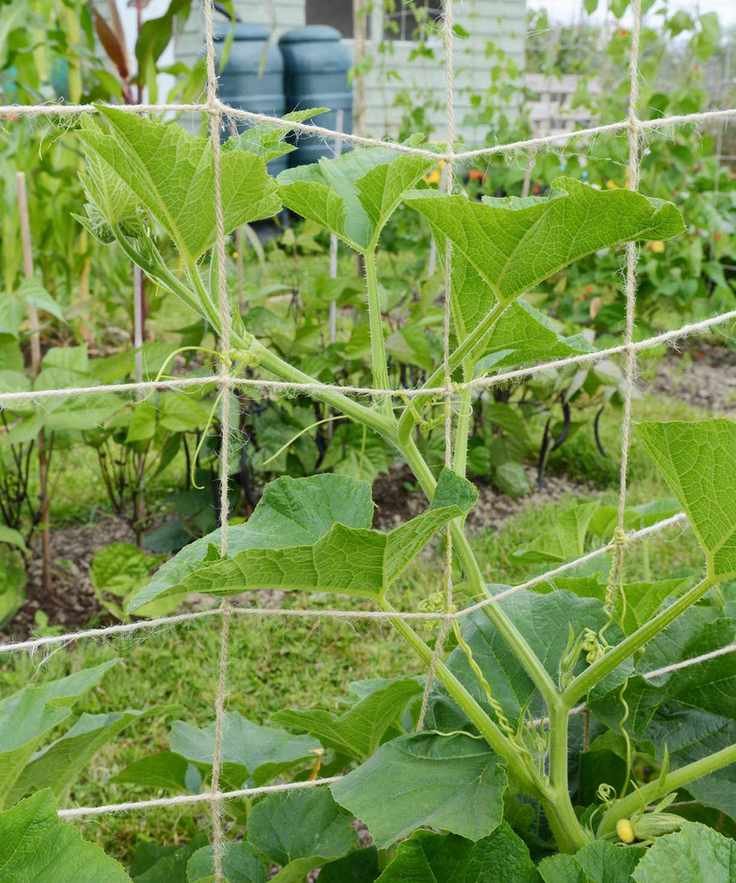
A sturdy trellis can effectively support vertical squash growth
Begin by selecting an ideal location in your garden. Squash plants thrive in sunny spots that receive at least six hours of sunlight daily, and they prefer fertile soil types. However, since climbing squash can shade other plants, ensure you choose a spot that won't hinder the growth of neighboring crops.
Next, decide on the support structure you'll use for growing squash plants vertically. There are numerous design options available, but it must be robust. Gardening expert Tony O'Neill suggests: 'Opt for a strong trellis, arbor, or sturdy netting that can withstand the weight of the squash vines and their fruits. Make sure the structure is securely anchored to handle the added weight.'
It's wise to set up the support structure early in the season, ideally when selecting your squash variety and ordering seeds in the spring.
Squash seeds can be sown indoors in early spring or transplanted outdoors at the base of the support. Alternatively, once the soil warms up, you can directly sow seeds outdoors. Ensure young plants or seeds are spaced according to their variety's recommendations. Attempting to set up the structure after planting can risk damaging young plants as they grow.
Keep the young plants well-watered and the soil consistently moist to encourage fast growth.
Gardening coach Robin Phelps advises: 'As the plants develop, gently guide the vines upward and secure them to the support with soft ties.' Regularly tie the vines as they grow, and Robin recommends pruning to 'remove excess foliage to enhance airflow and prevent overcrowding.'

With over 20 years of experience in the gardening industry, Robin Phelps is a Gardening and Preserving Coach at Sow Many Plants, specializing in growing fruits and vegetables and teaching preservation techniques.
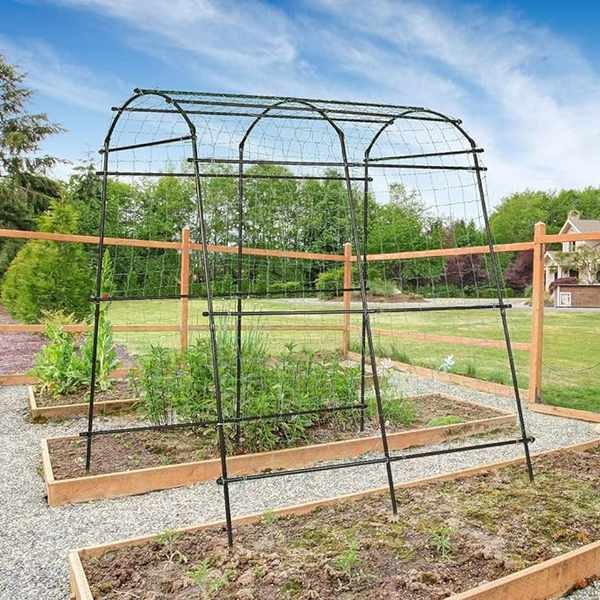
A large, strong, and adjustable arch trellis for climbing plants that is ideal for growing vegetables vertically. The trellis can hold weights up to 75 lbs.
Training Squash to Grow Vertically
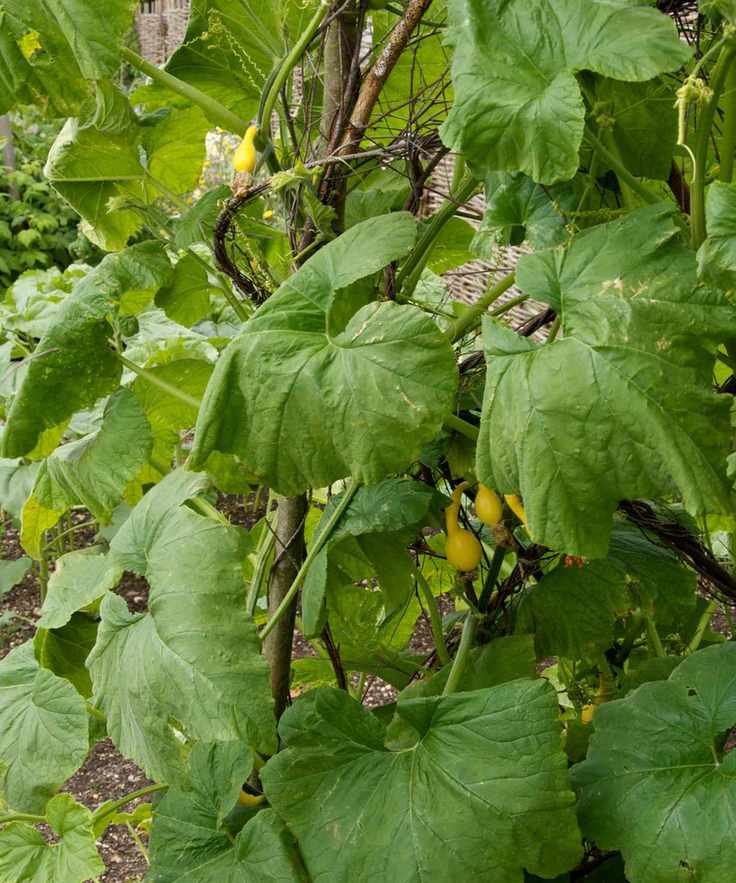
Secure the vines early to support their upward growth
Start training the vines to the support structure when the plants are young. At this stage, they are more pliable and can be encouraged to climb without the risk of breaking stems.
Always use soft ties to secure the plants to the structure, such as string, clips, flexible plastic ties, or cloth strips. Soft ties support the plant while allowing movement as it grows or sways in the wind. In contrast, hard or metal ties can damage the stems and increase the risk of breakage. Regularly check all ties for wear and adjust them to accommodate the growing vines.
Regularly attach the plant to the support, and encourage new growth to climb upwards. Vines can be tied or woven through the trellis to distribute weight evenly and keep the plant upright. As fruits develop, additional support may be necessary to manage the extra weight.
'For larger squash varieties, create slings from fabric or pantyhose to cradle the fruits and secure them to the structure,' recommends Tony O'Neill. 'This prevents the squash from detaching from the vine due to their weight.'
Pay close attention to the developing fruits as they grow on their supports. Larger squashes can be harvested early before they become too heavy for their supports.

Tony O'Neill is an accomplished gardening expert, author, and educator passionate about simplifying gardening practices. He has inspired many through his popular YouTube channel and website, SimplifyGardening.com.
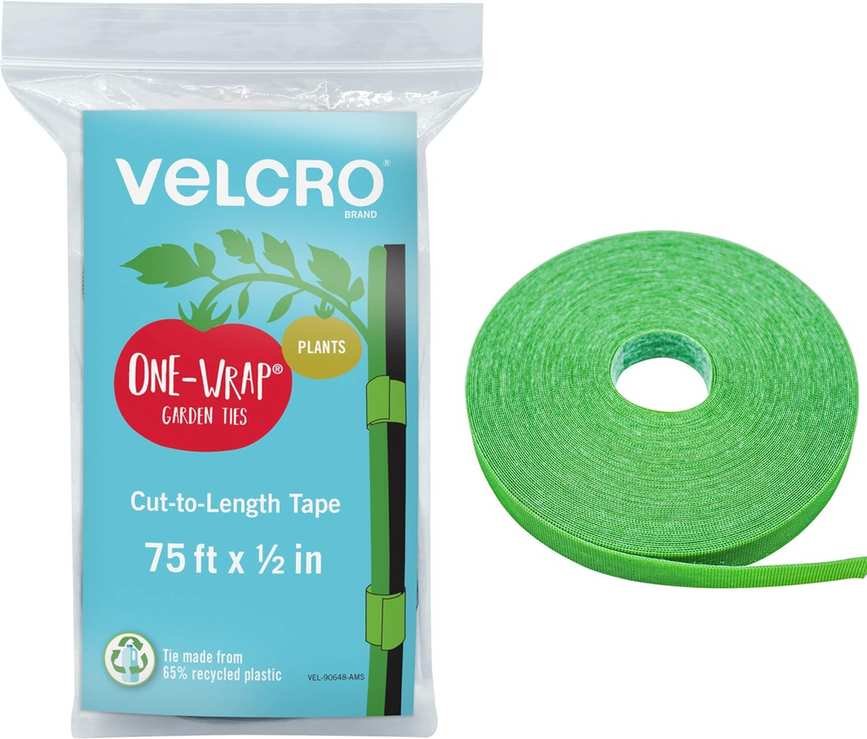
Durable one-wrap garden ties designed to securely support plants, adjustable and reusable.
Frequently Asked Questions
How Tall Can Squash Grow Vertically?
Squash vines can reach impressive heights, with sprawling varieties extending up to 20 feet. However, the longest vines usually come from the largest fruit varieties. Smaller squash types typically produce vines measuring 6 to 8 feet long. When growing squash vertically, you can trim vines back to maintain control and focus on ripening a select number of fruits.
Is Squash Better Grown on the Ground or a Trellis?
Squash can thrive equally well on the ground or a trellis. The decision depends on your available space and preferences. While growing squash vertically has its benefits, plants will reliably yield healthy fruits when sprawled across the garden floor.
A unique and intriguing crop to consider growing vertically is luffa. You can harvest luffa when it's young to eat or let it mature to create natural sponges. These fast-growing climbing plants need support such as a vegetable garden trellis, arch, or frame to thrive.



