

Planting seeds for flowers, vegetables, fruits, and herbs is one of the most gratifying aspects of gardening. You don't require a grand setup; sowing seeds outdoors is a simple and cost-effective way to cultivate your garden each season.
Mastering the art of outdoor seed germination opens up countless possibilities. Whether you're growing veggies for your dinner table, flowers for your home, or colorful annuals for your garden beds, sowing seeds outdoors can achieve all this and more.
As a seasoned gardener, I've planted numerous seeds each year. While many started indoors, certain crops were always directly sown in the kitchen gardens I managed. At home, I also sow seeds outdoors annually to grow a variety of edible plants. Here's a straightforward outline to help you succeed in sowing seeds outdoors.

Many plants thrive when seeds are sown directly in outdoor soil.
Which Plants Can Be Sown Outdoors?
You can sow a wide array of plants outdoors. Annuals and biennials for flower beds and cut flower gardens are excellent choices, alongside many vegetables and herbs.
Tender plants, like tomatoes and eggplants, prefer to be started indoors earlier in the season. While indoor sowing offers a controlled environment, those with limited indoor space can successfully start many ornamental plants and vegetables outside.
Timing for Sowing Seeds Outdoors

Planting depth varies with seed size.
The ideal time to sow seeds outdoors depends on your US hardiness zone and local climate. The right moment to start is when frost risk is gone, and the soil is workable. Pay attention to the specific warmth required for the seeds you wish to plant—check seed packets for temperature and timing recommendations for flowers, herbs, or vegetables.
Warmer spring and summer soil temperatures allow many fast-growing vegetables and flowers to germinate quickly when sown directly. You can warm the soil earlier by using cloches or horticultural fleece, creating a protective environment that encourages germination.
Seed Sowing Methods Outdoors
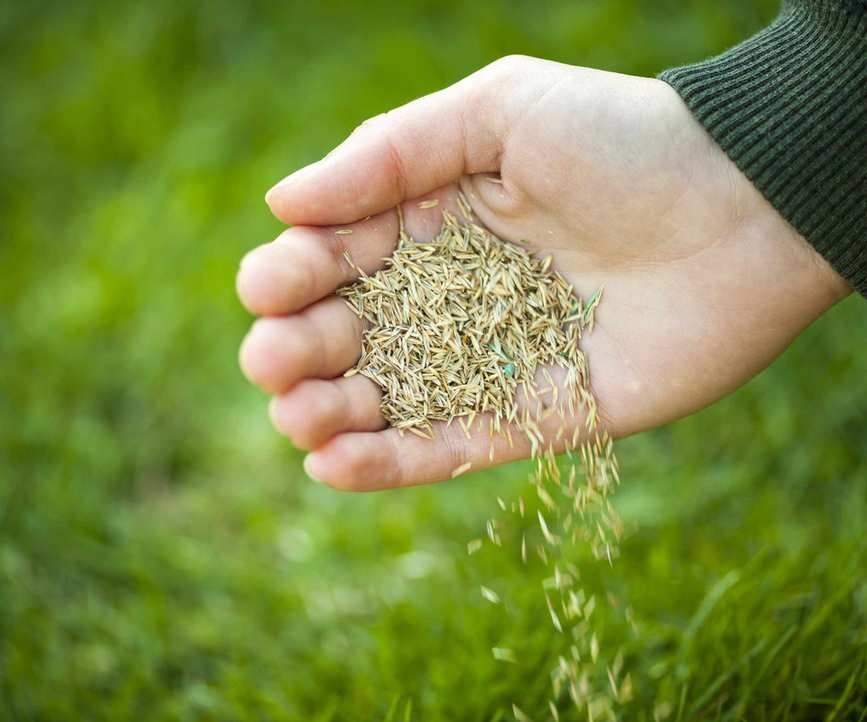
Grass seeds are typically scattered over a designated area.
When sowing seeds outdoors, you can opt for two methods: planting seeds in pre-made drills or holes and covering them, or broadcasting seeds across the soil's surface, often used for grass seed or wildflower meadows.
7 Simple Steps for Sowing Seeds Outdoors
Sowing seeds outdoors is an accessible and budget-friendly way to cultivate a variety of plants in your garden. No special tools are necessary—just some care and attention to your seeds will lead to growth.
However, external factors like weather and animals can challenge your efforts. Here's a straightforward guide to sowing seeds outdoors in seven steps:
1. Prepare the Soil

Creating a fine tilth is crucial for successful seed sowing.
Taking the time to prepare your soil is essential for promoting successful germination. Depending on your soil type, you may want to mix in organic matter like compost or well-rotted manure and add a slow-release fertilizer to boost nutrient levels.
Ensure the soil is weed-free and clear of large stones or debris. Break up any clumps and rake the surface to create a fine, level area for sowing. If you've recently dug the soil, tread it down to flatten it. However, if you practice no-dig gardening, leveling the soil is sufficient.
2. Create Sowing Drills

Refer to seed packets for recommended sowing depths.
Seed packets will provide guidance on the best sowing method. For most plants, sowing in drills or holes is preferred. Use string lines to ensure straight rows when planting vegetables or cutting flowers. Make drills with a cane, hoe, or the back of a rake at the recommended depth.
It's beneficial to run along the drill multiple times to ensure it's deep enough without soil falling back in. Lightly watering the drills before sowing can aid germination, but avoid flooding them with soil.
3. Sow the Seeds

Handle seeds carefully when sowing directly outdoors.
For sowing, you can either plant seeds individually according to spacing guidelines or lightly scatter smaller seeds along the drill and thin them after germination. Pinching and sprinkling seeds works well, or you can hold a small handful of seeds and gently tap them along the drill with your fingers. Aim for an even distribution to avoid clumping or gaps.
Mixing very fine seeds with sand can improve control during sowing. After sowing, lightly cover the drill with soil and gently tamp it down.
4. Water the Seeds

Regular, gentle watering is vital for seed germination.
Even if you moisten the drill beforehand, it's beneficial to gently water the soil afterward. Use a hose on a fine spray or a watering can with a fine rose, like this one on Amazon, to carefully moisten the soil without displacing the seeds.
Monitor soil moisture over the following days, ensuring it remains moist but not waterlogged, which could rot the seeds. Always water gently to avoid disturbing the soil.
5. Label Your Seeds

Labels help track your outdoor plantings.
After carefully preparing and sowing your seeds, it's wise to label them. Place a label at each row's end—double-checking with two labels if needed—to track what you planted and when.
Marking rows facilitates tracking germination and helps identify which seedlings are weeds that need removal. You can use various plant labels, whether plastic, wooden, metal, or slate, depending on your garden style and budget.
6. Protect the Seedlings

Cloches provide a sheltered environment for sown seeds.
One of the key threats when sowing seeds outdoors is slugs and snails that may munch on seedlings. Cold weather can also pose risks.
Using garden cloches or horticultural fleece helps protect seeds while maintaining warmer soil temperatures. Covering seedlings with mesh helps prevent slug and snail issues. Creating rough surface boundaries or setting beer traps can also deter these pests.
7. Thin Seedlings

Thin seedlings to promote healthy growth.
Unless you were extremely precise while sowing, thinning seedlings may be necessary as they sprout. Overcrowding can hinder healthy growth, so removing select seedlings allows the remaining ones to flourish.
Carefully remove seedlings when they are young to achieve the recommended spacing. Thinning small seedlings minimizes root tangling and prevents pulling out neighboring plants. You may need to thin multiple times until the desired spacing is achieved.
FAQs
Can You Start Seeds in Pots Outdoors?
If you have a container garden, it's entirely possible to sow seeds directly in outdoor pots. Ensure containers have drainage holes and are filled with quality potting mix.
Sow seeds at the recommended depth and lightly moisten the compost. Keep the soil consistently moist, thinning seedlings as they emerge. If you practice succession planting in a vegetable garden, you can start seeds in pots outdoors and later transplant them into the ground as space becomes available.
How Long for Seeds to Germinate Outdoors?
Germination times vary based on the plant, location, and weather. Typically, it can take between 1-4 weeks for seeds to sprout. Some seeds may take longer due to factors like low soil temperature or insufficient moisture.
Older seeds may also have reduced viability, leading to longer germination times, so consider ordering fresh packets when planning your seed purchases.
Creating a seed sowing schedule for the season is a fantastic idea. It helps organize all sowings, both indoors and outdoors, making planting vegetables and flowers less stressful.



