

If you're eager to plant a fresh lawn or address some bare spots, timing is crucial for sowing grass seed. Knowing when to plant can significantly affect seed germination and the effort required for their establishment.
Optimal sowing times coincide with favorable ground temperatures and ample moisture to help seedlings thrive.
Ideal timings vary based on your local climate and the specific grass species. Those in warmer regions can start sowing sooner than those in cooler areas.
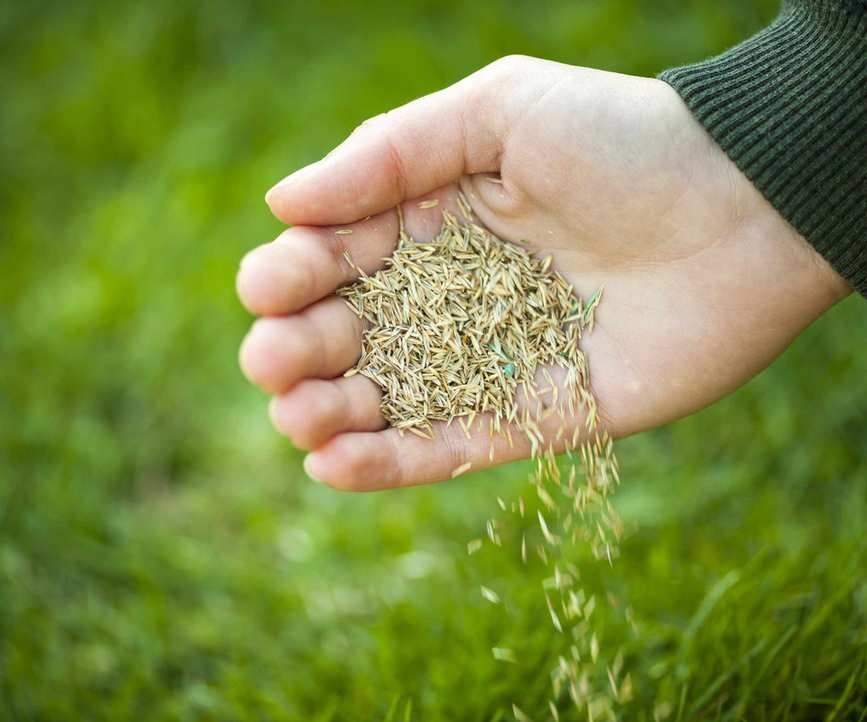
Grass seed can be spread manually or with a seed spreader
Best Times to Sow Grass Seed
Whether starting a new lawn or overseeding existing patches, certain times are more favorable. Spring and fall are generally the best seasons for sowing grass seed due to ideal temperatures and moist ground, promoting rapid germination.
Weather conditions will also play a role in determining the best sowing time. Although you can plant seeds in summer and winter, results typically won't match those achieved in spring or fall.
According to a lawn care expert, early fall is an excellent time to sow grass seed in northern climates. The soil remains warm from summer, aiding germination, while cooler air and increased rainfall support growth before winter.
She notes, "Soil temperatures are warm enough for germination, yet cooler air and more rainfall help new grass establish before dormancy."
In both northern and southern regions, spring months from March to May are also favorable for sowing. However, she cautions that spring sowing faces challenges from competitive annual weed seeds sprouting alongside the grass.
Using pre-emergent herbicides can help, but many may inhibit both grass and weed seed germination. Always choose products safe for new seeding projects. One recommended option is Scotts Turf Builder Triple Action Built For Seeding, available at Amazon.
Sowing grass seed in peak summer heat is generally not advisable. Late spring or early summer planting can work, but with increased competition from weeds and irrigation demands for successful germination. Even the fastest-growing grass seed requires regular watering in summer.
She suggests, "In fall, you'll experience less pressure from weeds, but be mindful of timing. I advise seeding at least six weeks before the first frost."
"Late September is perfect for my area, though some may start as early as late August or as late as October."
Don't delay sowing too late into fall. Grass can grow post-frost, but if seedlings lack a strong root system before frost, they may perish. Know your frost dates and plan to allow at least six weeks for germination and establishment.

Timing for Cool Season Grass Seed
The type of grass influences the best sowing times. For optimal results, it's essential to know the ideal timing for your chosen grass type.
Cool-season grasses, including Kentucky Bluegrass, Fescues, and Ryegrass, thrive when soil temperatures range from 50-65°F, making early fall or spring the best times for planting.

Grass seed germinates swiftly in moist soil
Timing for Warm Season Grass Seed
Warm-season grasses prefer slightly higher temperatures than their cool-season counterparts. If you're considering sowing Bermuda grass or other warm-season varieties like Zoysia and Centipede, they thrive in 65-70°F conditions. Thus, late spring or early summer is ideal, albeit with increased irrigation needs during this period.
Ground Preparation for Grass Seed
Proper ground preparation is vital, whether laying a new lawn or patching existing grass. Clear the area of weeds, stones, and debris, then firm and level the ground. Use your feet to shuffle and compact the soil, followed by leveling with a garden rake.
Moisture Before Sowing Grass Seed
Ensure the soil is moist prior to sowing grass seed to encourage quick germination. If the ground is dry, water it several days before planting, finishing with a thorough soak the day before seeding.
Best Time of Day to Seed a Lawn
You can sow grass seed at any time, but avoid peak midday heat, which can dry out seedlings quickly, or windy conditions.
A seed specialist suggests sowing in the morning or late afternoon when temperatures are cooler and soil moisture levels are higher.
Overseeding on Existing Grass
When overseeding to enhance growth or fill bare spots, scatter grass seed over existing grass. It's best to mow and aerate the lawn before overseeding, then rake the seed into the soil and water the area.
Birds can be a nuisance, often eating grass seed after sowing. To protect your seeds during ideal spring and fall sowing times, consider using lightweight horticultural fleece, available at Amazon. This creates a protective barrier and helps insulate the seeds to promote germination.



