

Springtime is perfect for overseeding your lawn, a fast and effective method to revive grass that has suffered from winter conditions, foot traffic, or disease. As temperatures rise in March and April, grass starts to grow again, making this the ideal time to address bare spots and enrich thin patches with fresh seeds.
Harsh cold and extended wet spells can damage grass, especially in yards that experience heavy use. Even with diligent care, many lawns emerge from the cold months with uneven growth and patches of dead turf.
If you're looking to achieve a vibrant lawn by summer, knowing how to properly overseed in March is essential. I regularly overseed my lawn in the spring to fix winter damage. By following the right overseeding technique, you can restore your lawn's lushness and health in no time. Here's a detailed breakdown of the six crucial steps for overseeding.

Hand overseeding a bare patch of lawn
Steps for Overseeding Your Lawn
Overseeding involves gently removing dead grass, weeds, and moss, and reseeding areas where grass growth is thin.
This process not only enhances your lawn's appearance but also encourages robust new grass growth, making it more difficult for weeds to establish themselves, especially if your lawn has brown spots while neighbors' lawns thrive.
Spring is the prime season for overseeding or patching your lawn. Avoid overseeding in summer when soil temperatures are high and dry; it will lead to wasted time watering and poor seed development.
Overseeding in winter is also unproductive, as cold temperatures hinder growth and birds may eat your seeds.
You'll need:
- A lawn mower; consider a robot mower to ease the task.
- A lawn rake, like this model from Amazon.
- A scarifying machine (ideal for larger lawns).
- A garden fork.
- Lawn fertilizer.
- Lawn seed.
- A watering can, hose with a spray nozzle, or a sprinkler system.
1. Mow Your Lawn

Begin by mowing your grass to about 1 inch. This makes your lawn look tidier and reveals areas that require overseeding.
Choose a dry day for mowing; avoid cutting grass when it's wet or frosty.
Spring mornings may still have frost, so check carefully—mowing frozen grass can harm both your lawn and mower.
If possible, use a mower with a grass-collecting bag to prevent clippings from blocking seed access to the soil. A Black + Decker trimmer/edger/mower combo from Amazon can help maintain neat edges with less raking.
2. Remove Dead Grass, Weeds, and Moss
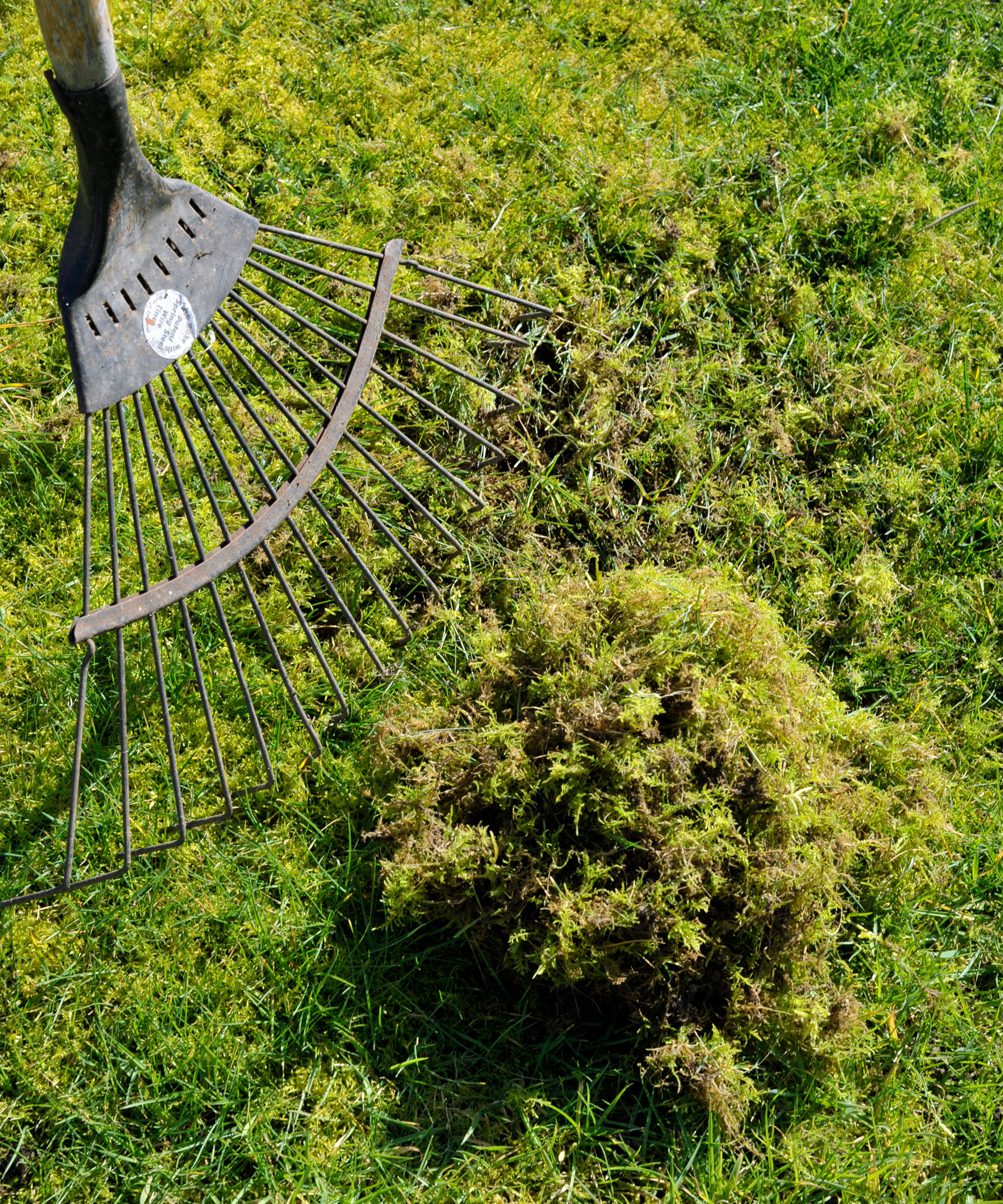
The following step is to scarify the lawn, which means raking up and discarding dead grass, moss, and weeds.
I typically use a lawn rake, like this one from Amazon. If you have a large area to handle, consider a scarifying machine.
For persistent perennial weeds, use a weed puller to remove the roots completely. This may leave bare soil, but you can cover it with grass seed, which will be concealed by new growth.
3. Aerate the Lawn

Aerating the lawn alleviates compacted soil, enhances drainage, and allows air, water, and nutrients to reach grass roots—especially important after a wet winter.
A garden fork works well for this: push the tines about 2 inches into the soil, twist gently, and repeat across the area, focusing on heavily used or waterlogged spots.
For faster results, consider a mechanical aerator, such as the Go Plus aerating machine from Amazon, or even spiked aerator shoes.
Overseeding Essentials
Consider using:
Scott's Turf Builder Starter Fertilizer—safe for all grass types, ideal for new and existing lawns.
Martha Stewart Weeding Tool—excellent for precise weed removal without harming surrounding grass. New customers can enjoy a $10 off $25+ or $30 off $60+ at QVC with code WELCOME.
Pennington Smart Grass Seed—perfect for areas with both sunny and shaded spots.
4. Fertilize the Lawn
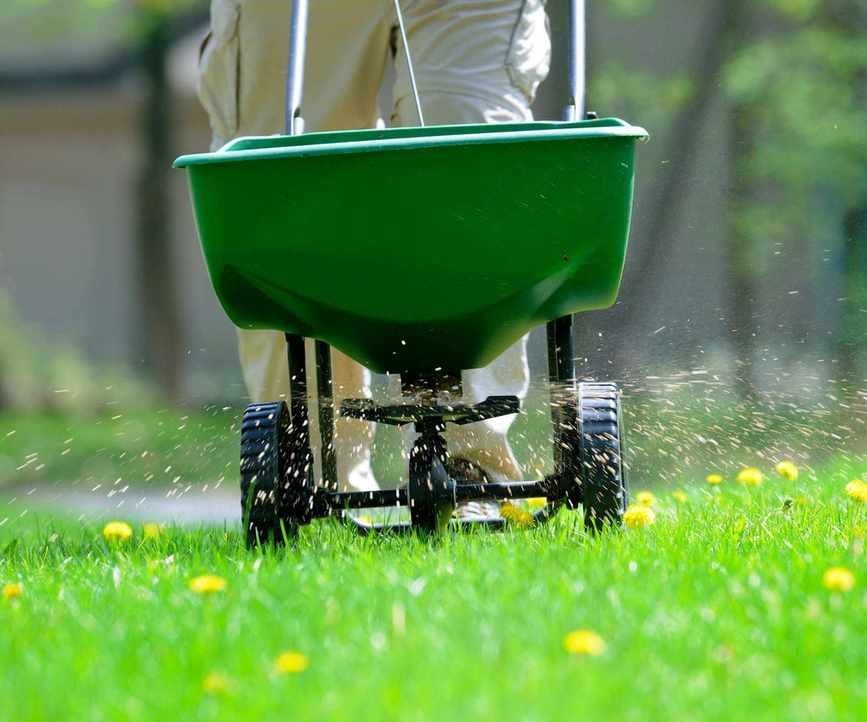
If your lawn hasn't been fertilized in months, now is a great time to give it a boost.
Choose a nitrogen-rich spring fertilizer to help your grass grow thick and green. After application and watering, you can proceed with overseeding in about four days.
If your lawn has significant moss or weeds, consider a combined fertilizer and weed killer, like Greenview Weed & Feed with Crabgrass Preventer from Amazon.
However, if you choose this option, you'll need to wait about a month before overseeding and may need to rake again to clear dead materials.
5. Sow the Grass Seed

Disperse your chosen grass seed according to the supplier's instructions—check the packet closely. Spread it evenly, either by hand or with a seeding machine.
For larger areas, wheel-driven spreaders are effective, while handheld devices work well for smaller patches.
For enhanced results, mix the seed with a bit of lawn topsoil to help with even distribution and provide nutrients for both the soil and seedlings.
Select your seed based on lawn usage:
- For a finely manicured lawn, a grass like Kentucky Bluegrass Mix from Walmart is ideal.
- For high-traffic areas, choose a tough option like Scotts Turf Builder from Amazon.
- For shaded regions, try Jonathan Green Dense Shade Grass Seed from Amazon, which thrives in low light.
6. Water and Protect Your Grass Seed

Newly sown grass seed must remain consistently moist to germinate and grow roots. Water immediately after sowing using a hose with a spray nozzle, a watering can with a rose, or a sprinkler for larger areas.
If rain isn't expected in the next few days, continue watering every 2–3 days, ensuring not to wash the seed away.
To encourage germination and protect seedlings, create a microclimate by covering the area with hessian, horticultural fleece from Amazon, or fine mesh netting. This will help retain moisture, protect seeds from birds, and support quick growth.
When using coverings:
Secure them firmly to avoid flapping, which could damage delicate seedlings.
Ensure any mesh is anchored well to prevent birds or small animals from getting trapped.
Once the grass is healthy and well-established, remove the covering to allow for normal growth and airflow.
FAQs
When can I walk on my lawn after overseeding?
A common mistake is walking on freshly sown grass, which can compact the soil and create bare spots. It's best to stay off for three to six weeks or longer if possible.
Is overseeding the same as starting a new lawn?
No, overseeding is simpler and quicker than starting a lawn from scratch. There's no need to prepare the ground first, as the goal is to enhance an existing lawn rather than create a new one.
While it may seem like a lot of steps, learning how to overseed correctly is worthwhile, and it's an important addition to your spring lawn care routine. Creating optimal conditions is crucial, or you may find that the grass seed fails to germinate.



