
If you're unfamiliar with Feng Shui, the concept of energy and its active corners can feel overwhelming. A key element of Feng Shui to grasp is the energy map, also known as the Bagua map, which serves as a crucial component in understanding spatial energy.
This map is essential for effective furniture placement and provides insight into the meaning of Feng Shui. Here, experts break down the energy map, its application at home, and its potential benefits.
What is the Feng Shui Energy Map?
The Feng Shui energy map is a guiding tool that helps analyze the flow and balance of energy in a space. It can direct energies toward specific life areas or simply assist in cultivating positive energy in your home.
Known as the Bagua map, it features nine sections arranged in a grid, each representing a different aspect of life, referred to as 'Guas,' as explained by Matthias Dettmann, a psychologist and Feng Shui educator.
According to Maureen Calamia, a Feng Shui expert and co-author of Creating Luminous Spaces, this map acts as a symbolic reflection of life's energy, enabling identification of areas in your home that may be unbalanced and connected to personal challenges.
For example, individuals struggling with finances often find themselves drawn to homes lacking in the wealth corner. This situation resonates with their energy, reflecting their financial struggles in a symbolic manner.

Maureen Calamia is an accomplished Feng Shui practitioner and public speaker. Her mission is to help individuals connect with nature through the five elements and Eastern philosophy.
Areas of the Feng Shui Energy Map
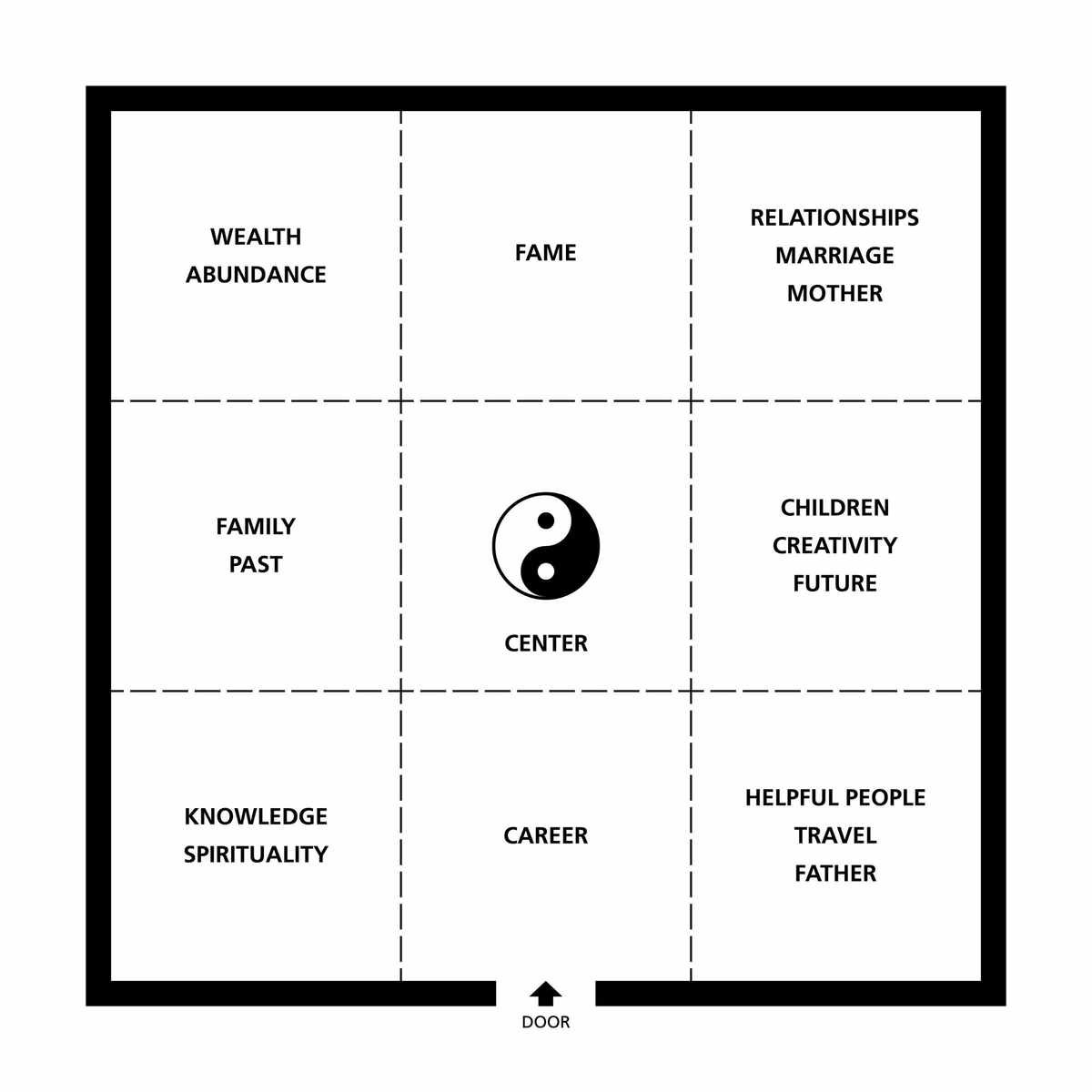
The energy map consists of eight areas, with a central ninth area where all energies converge, according to Maureen Calamia. The quadrants represent:
- Career - north
- Knowledge - northeast
- Family - east
- Wealth - southeast
- Fame - south
- Love - southwest
- New Beginnings - west
- Travel - northwest
- Health and Balance - center
Each section corresponds to specific colors, elements, shapes, and symbols that can energize or activate that area, as noted by Matthias Dettmann, Feng Shui instructor. This knowledge can influence your bedroom layout or even sofa placement for optimal Feng Shui.

Matthias Dettmann combines his psychology background with Feng Shui principles to help individuals achieve balance in their lives.
Significance of the Feng Shui Energy Map
Experts indicate that using the energy map can significantly enhance your home's atmosphere. It allows practitioners to pinpoint areas that affect the nine essential life aspects and recognize which need adjustments to foster better energy, as described by Suzanne Roynon, Feng Shui consultant.
As a practitioner, Roynon values the Bagua map for its ability to expose blockages in a space while deepening one's self-awareness. Kate Troyner, another Feng Shui expert, believes understanding your home's energy centers can highlight personal strengths and challenges, creating opportunities for growth and improvement.

Kate Troyner is passionate about how our home environments reflect our feelings and experiences. She empowers clients through Feng Shui and beautiful spaces.
Applying the Feng Shui Energy Map
Once you grasp the Feng Shui energy map, applying it to your home becomes easier. Experts Maureen Calamia and Suzanne Roynon outline two primary methods for usage.
The first method employs traditional teachings, using a compass to orient the grid so that the career area is in the northernmost section, with the other areas following naturally.
A second, modern approach focuses on room layout, aligning the map's bottom with the front door. The career area should be at the entrance, with other Guas positioned accordingly, applicable in every room from living rooms to offices. You can also utilize Feng Shui for seasonal energy boosts.
Printable and Digital Feng Shui Bagua Map | $6.27 at Etsy
This guide ensures you choose suitable artwork and decor for each Bagua area, enhancing energy flow.
After orienting the map, apply it to your space. Lay the map over your home's floor plan, as suggested by Suzanne Roynon. You can create a simple outline using a tape measure or by pacing out the dimensions on squared paper.
Create a grid resembling a hashtag, dividing the space into nine sections. Depending on your home's shape, these may be squares or rectangles.
Following either the traditional or modern Feng Shui method, place the grid starting with the career section at the door or in the northern area.
Walk through your home with the map, noting the decor, clutter, and your feelings in each area to identify where improvements are needed.
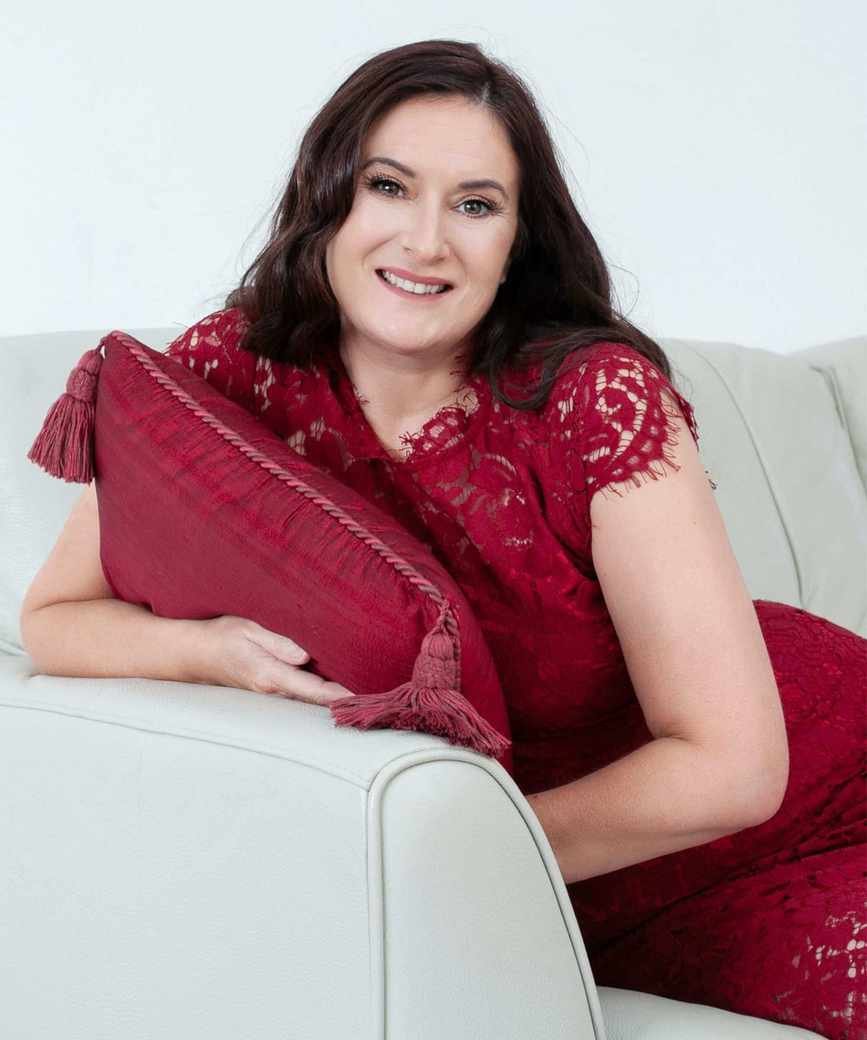
Suzanne Roynon specializes in Interior Therapy and has authored Welcome Home, How Stuff Makes or Breaks Your Relationship, available on Amazon. She utilizes her experience to help people understand their relationships with their homes.
Advantages of Using the Feng Shui Energy Map
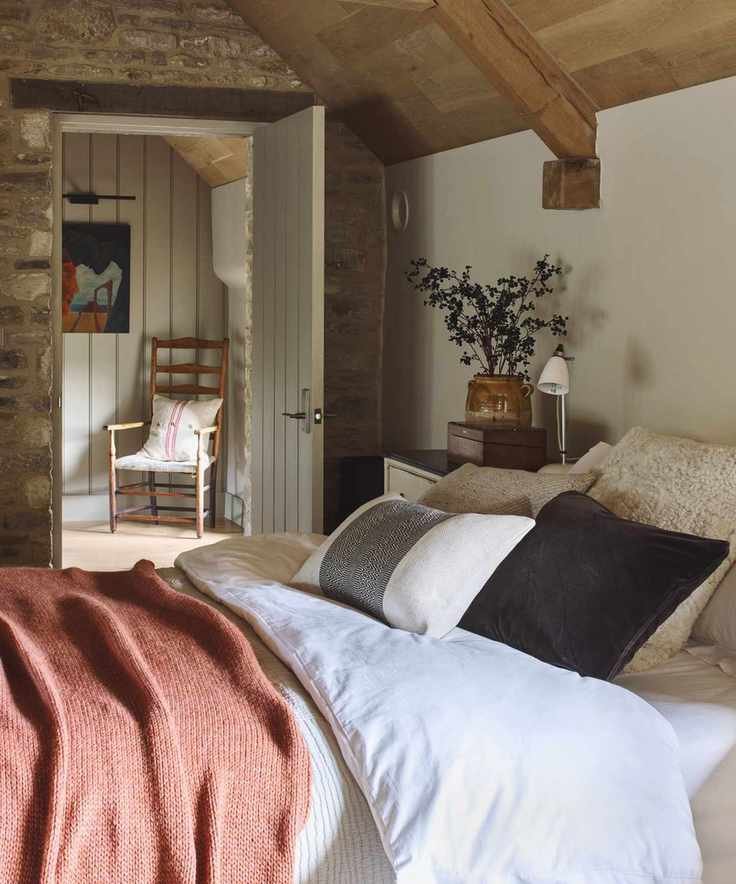
Implementing the Feng Shui energy map can unlock your home's full potential.
Kate Troyner notes that by using the Bagua map, you can identify sections of your home that may impede your personal growth and make necessary adjustments to promote positive energy flow. This tool can lead to numerous benefits, including healthier relationships and new opportunities. By understanding and enhancing the energy in your home, you can cultivate a harmonious environment and improve your life.
A Feng Shui expert shared, applying the Bagua map can create a more harmonious feel. For example, she keeps her travel essentials organized in the 'travel' Bagua area of her apartment, making packing effortless and creating a sense of readiness for travel opportunities.



