
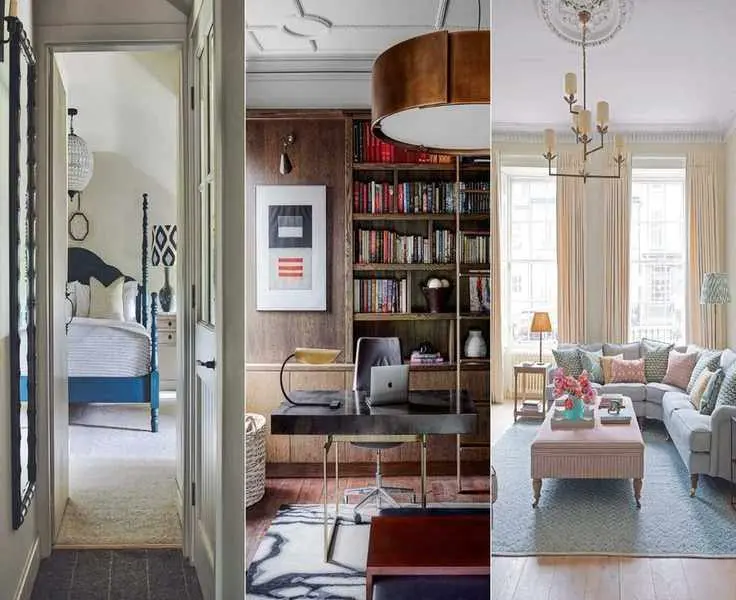
Effective Feng Shui furniture placement plays a crucial role in enhancing any living space, particularly in smaller or awkwardly shaped homes.
Feng Shui is often seen as an art, and understanding the nuances of furniture placement can transform your home into a more harmonious environment, regardless of its size or configuration.
Don't stress if your current layout feels off; adjustments can be made to improve the energy flow with your existing furnishings.
We've consulted experts to reveal common furniture arrangement missteps and tips for arranging your home according to Feng Shui principles.
Bed Placement in Feng Shui
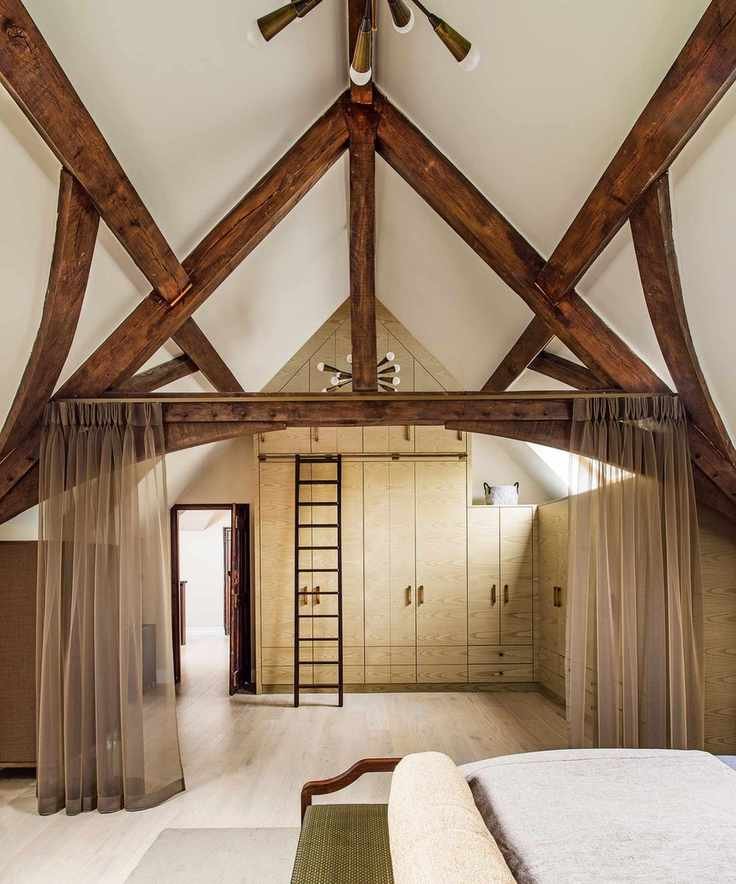
The bed is a pivotal piece of furniture in bedroom Feng Shui, symbolizing your overall well-being.
Your bedroom is a deeply personal space, so prioritizing Feng Shui bed placement is essential when designing this area. Consider the significance of a headboard and explore bedroom layout ideas that support Feng Shui principles. The bed's positioning should be a top priority since it significantly influences the room's atmosphere and functionality.
In an ideal Feng Shui bedroom, the bed should be placed in a commanding position, allowing you to see the door while not being directly aligned with it. This setup fosters a sense of calm and security. Avoid having any doors open directly towards the bed, as this is known as the 'coffin position,' which can create discomfort.
If your bedroom layout is constrained, consider using a mirror to create a visual sense of space. Position the mirror so you can see the door's reflection from your bed, which is thought to help deflect negative energy and promote peaceful sleep.
Sofa Placement in Feng Shui

Good living room Feng Shui can significantly enhance your home's atmosphere. Use its principles to arrange your sofa for improved comfort and energy flow.
To achieve optimal sofa placement, arrange it to ensure all family members feel comfortable. L-shaped sofas and sectionals can create an inviting atmosphere that encourages conversation.
Interior designer Nina Campbell advises considering the room's layout for social interactions. Group seating to facilitate conversation, balance different seating heights, and ensure no one has their back to others.
TV Placement in Feng Shui

For many families, a living room TV serves as a source of relaxation and entertainment. However, its appearance can disrupt the flow of Feng Shui since it primarily resembles a large black rectangle when off.
While TVs aren't inherently bad in Feng Shui, they can generate excessive stimulating energy. For this reason, it's advisable to keep a TV out of bedrooms to promote better sleep.
The most suitable location for a TV is in a dedicated family room. When positioning it, think creatively about concealing it. Built-in cabinets that allow for sliding doors or multifunctional furniture can help integrate the TV seamlessly into the design. Remember, the best TV placement ideas are those tailored to your lifestyle.
Desk Placement in Feng Shui
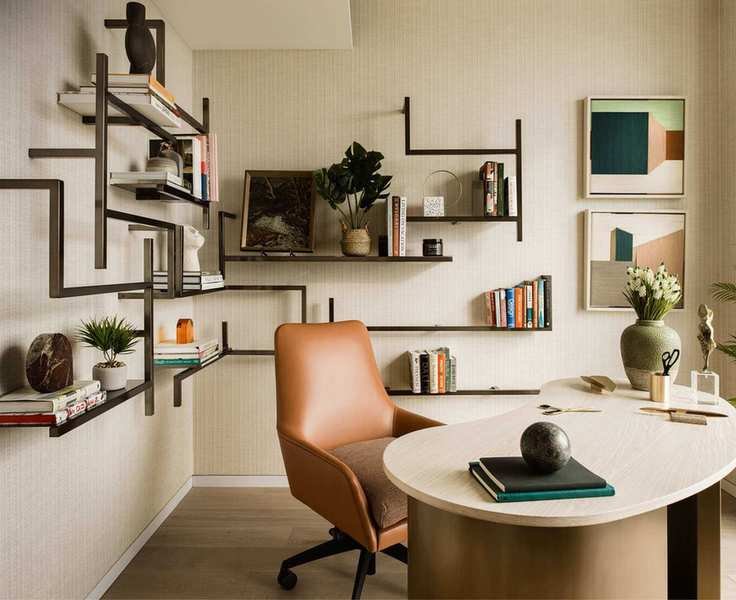
Effective desk Feng Shui is vital for creating a productive workspace. Your home office desk represents your career and financial well-being, so its placement deserves careful consideration.
Like your bed, the desk should also be positioned in a commanding spot, allowing you to see the door without being directly aligned with it.
A well-placed desk fosters a positive atmosphere that enhances productivity, while a poorly positioned one can lead to stagnant energy, according to Feng Shui expert Johanna Augusta.
If space constraints prevent ideal desk placement, consider using a mirror to reflect the entrance. Additionally, avoid placing your desk directly against a wall; if necessary, a mirror on the desk can help you stay aware of your surroundings.



