
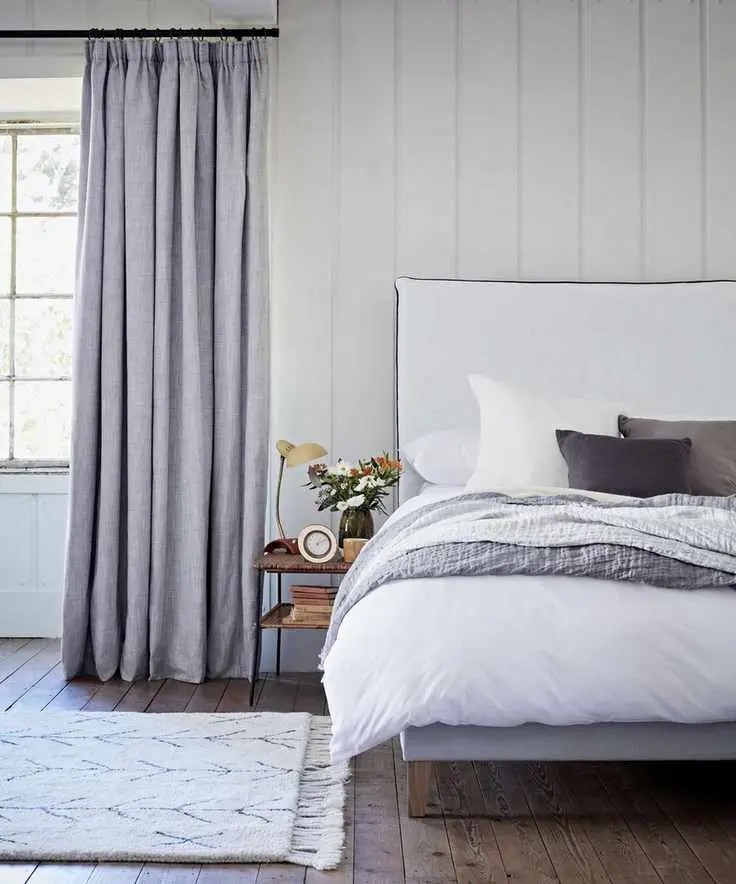
Are you ready to create your dream bedroom?
Every bedroom, whether it's the master suite, a child's room, or a guest space, should be a haven for restful sleep, which is essential for overall well-being.
Unlike communal areas of your home, bedrooms can reflect the unique tastes and preferences of the individuals who occupy them, allowing for a more personalized aesthetic.
Additionally, they can be designed for maximum comfort, enabling you to select more luxurious furnishings that won't face the heavy foot traffic typical in other parts of the house.
Whether collaborating with an interior designer or undertaking a DIY remodel, our expert insights will help inspire your creative process.
Designing Your Bedroom
When designing a bedroom, consider factors such as room dimensions, natural light, orientation, and distinctive architectural features. Each of these elements can enhance the space or present challenges that need to be addressed.
Evaluating the Bedroom Space
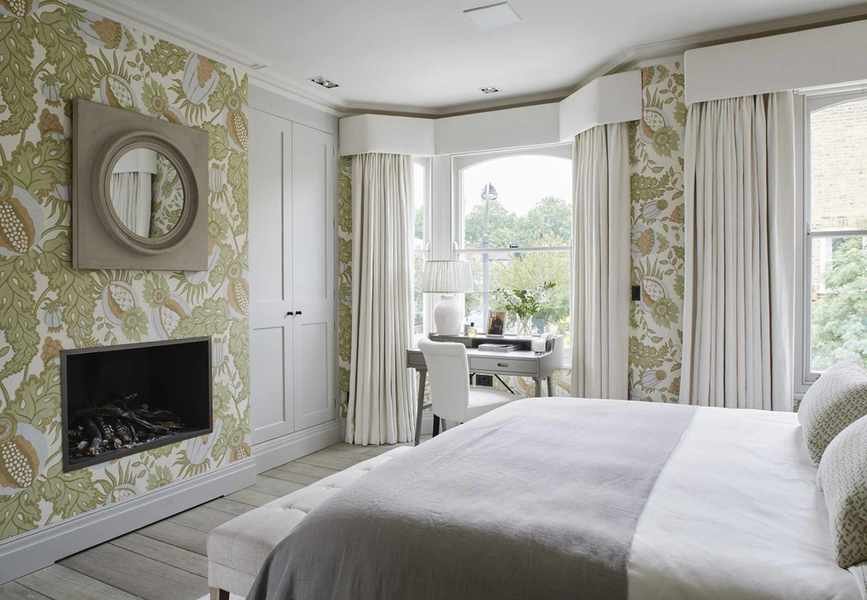
The layout is pivotal in your bedroom design, so start by assessing the room's proportions. This is particularly crucial when dealing with smaller rooms.
Consider not just the available floor space but also any potential obstacles posed by the room's shape and features like alcoves. Take note of sloping ceilings and overall height, as these will influence your design choices.
For smaller bedrooms, ensure there is enough room for movement while accommodating essential furniture. In contrast, larger bedrooms should feature furniture that complements the scale of the space.
Room dimensions can also affect your choices in decor, flooring, and window treatments, especially in smaller spaces.
Natural light and the room's orientation will influence your color selections for walls and flooring, as well as your choice of lighting and window coverings. For example, northern light can enhance cool colors, while east-facing rooms benefit from warm morning light that shifts cooler in the afternoon.
We'll explore how these various characteristics can guide your design choices in the sections that follow.
Planning the Bedroom Layout
Start with the bed's placement, as it is the largest and most significant piece of furniture in the room. The position may be limited by fixed elements like windows and doors, which should remain unobstructed.
If possible, position the bed opposite the door for a striking focal point upon entering, while also ensuring a good view if a window is available.
Thoughtfully chosen bed ideas can greatly influence the layout; factors like design, size, and height all play a role in the overall arrangement. Don't forget to select a mattress that supports your sleep preferences.
Ensure there's room for nightstands on either side of the bed and that access to the bed is clear from both sides and the foot. In smaller bedrooms, the bed may need to be tucked into a corner to allow for adequate circulation.
If a separate dressing area isn't available, you'll need to allocate space for clothing and shoe storage, as well as potential items like a dressing table, a bench at the foot of the bed, or an armchair.
A crucial step in your bedroom design process is to draw a scale plan on graph paper or utilize an online planner.
Consider furniture placement and movement flow to ensure there's enough space to navigate, as seen in the gray bedroom example below. This is also the stage where you might need to streamline your furniture choices in smaller spaces.

Selecting Bedroom Flooring

As you step onto your bedroom flooring each morning, comfort and warmth are essential qualities to consider. Carpet can provide a cozy feel throughout the space.
Since bedrooms don't experience the same foot traffic as other areas, it's acceptable to choose lighter-weight carpet options. Additionally, a deeper pile is often a preferred choice, as it won't flatten as easily as in high-traffic areas. Consider materials like Saxony, velvet, or plush for added softness, and opt for wool for a touch of luxury.
Hardwood floors introduce a natural aesthetic to your bedroom and serve as a stylish alternative to carpeting. Pairing hardwood with an area rug under the bed can enhance comfort when stepping out.
'In this stunning master bedroom, we opted for durable hardwood floors across the expanse, topped with a plush, neutral oushak rug underneath the bed,' says Maggie Griffin, founder and lead designer of Maggie Griffin Design. 'This timeless look elevates the space beautifully.'
Choosing Bedroom Furniture
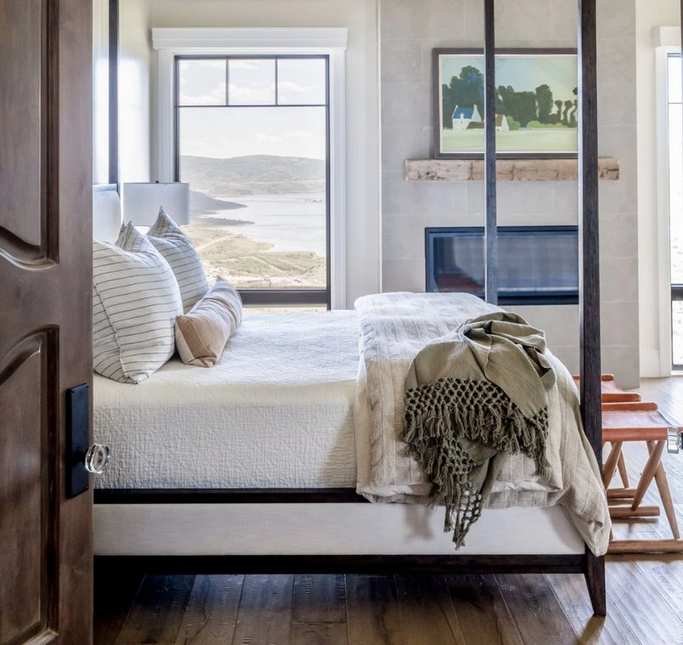
The bed is the centerpiece when planning your bedroom and should be appropriately sized for its occupants as well as the room itself.
Ideally, a bed should be 4 to 6 inches (10 to 15cm) longer than the height of the tallest occupant, allowing enough space for couples to lie comfortably without touching each other.
For traditional bedroom designs, metal or wooden frame beds complement the space well, while upholstered beds offer a modern touch with a soft feel. Canopy or four-poster beds can draw attention to rooms with good height. There are both classic and contemporary styles available.
In a compact space, opting for a modern bed design with clean lines can help maximize the room's potential while avoiding bulky frames that dominate visually and physically.
Nightstands should be proportionate to the room and can provide necessary storage. If their only function is to hold a lamp or bedside reading material, they can be more delicately designed, while those with drawers offer additional storage.
Choose between a standalone armoire or a built-in closet for clothing storage, with the latter being ideal for awkwardly shaped rooms or spaces with sloping ceilings, as they can be tailored to fit.
A chest of drawers or dresser is essential for folded clothing in rooms where such storage isn't part of the closet. In smaller spaces, opt for tall vertical drawer units to save floor area.
In most bedrooms, both traditional and modern dressing table ideas are a welcome addition.
Consider adding furniture such as a bench at the foot of the bed, which can also provide storage, and a TV console if a wall-mounted screen isn't an option.
In larger bedrooms, an armchair or seating area can create a peaceful retreat, and it can be defined with an area rug.
Establishing the Right Lighting
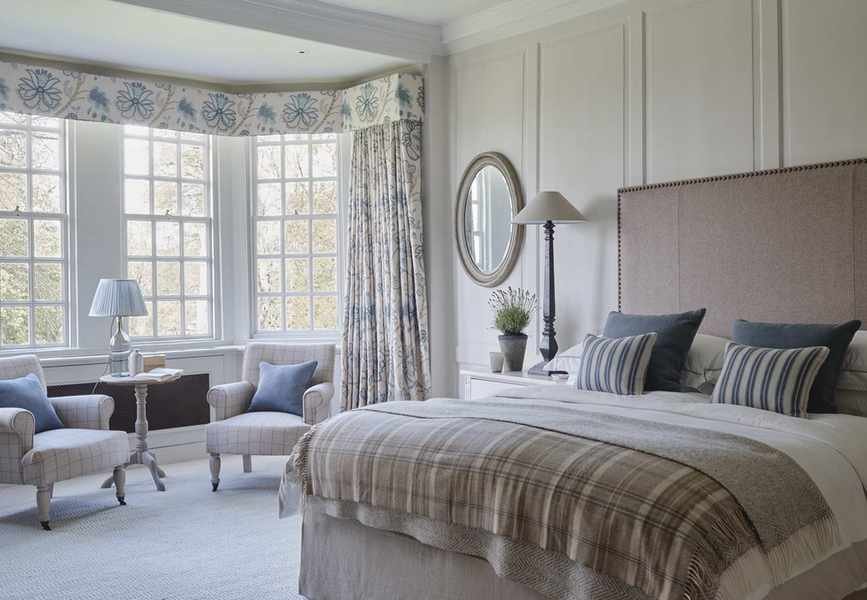
A well-thought-out lighting scheme is essential for a bedroom, accommodating various activities and providing adequate illumination when natural light is insufficient.
'We often suggest a layered approach to lighting in bedrooms,' says Emma Sims-Hilditch, creative director at a design firm in London and Gloucestershire.
'This includes a variety of overhead, floor, table, and wall lights, allowing our clients to adjust the room's ambiance as needed.
'While softer lighting can create a calming atmosphere in certain areas, we recommend task lighting by the bed for avid readers.'
Innovative bedroom lighting ideas, such as pendant lights or chandeliers, are perfect for rooms with higher ceilings, while flush fixtures are necessary for those with lower ceilings, providing the needed ambient light.
Table lamps beside the bed introduce task lighting for reading, but in smaller bedrooms, wall-mounted lighting or pendant fixtures may be better options when nightstand space is limited.
Task lighting should also be considered for the dressing table to facilitate getting ready. A stylish floor lamp can enhance a seating area, providing additional light where needed.
In rooms with exposed beams and vaulted ceilings, LED strips can beautifully highlight these features, and they can also be used as accent lighting above a fixed headboard. Incorporating lighting into shelving can create an atmospheric display of treasured items.
Choose light fixtures compatible with dimmer switches to adjust light levels according to the time of day. Additionally, consider the placement of light switches for convenience.
'Position switches near the door and beside the bed so you can turn them off without getting out of bed,' suggests Peter Bowles, founder and MD of a well-known lighting company.
Choosing Bedroom Decor
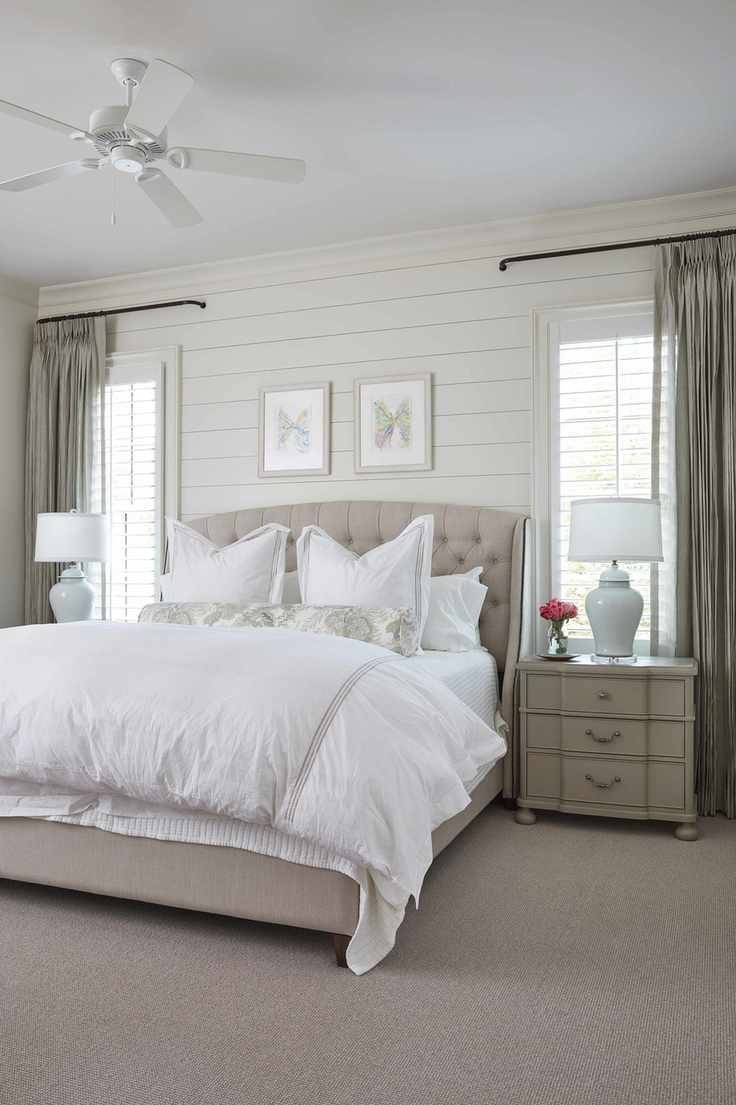
Your decor choices should reflect the bedroom's size and orientation while also considering personal style.
Creating a sense of calm and tranquility is key in a sleeping space. Soft whites, grays, and other gentle neutrals, as well as muted blues and greens, are excellent color choices.
For smaller rooms, opt for lighter colors that create the illusion of space, but keep the room's orientation in mind. In northern light, colors with a gray or green hue can appear cooler, whereas those with a yellow base can feel warmer and more welcoming.
If you prefer a cozy atmosphere, darker colors are ideal for bedrooms.
'Light greens work wonderfully in north-facing rooms due to their warm undertones, creating a calming effect that pairs beautifully with both dark and neutral tones,' state the co-founders of a popular paint brand.
South-facing rooms benefit from warm light, making color selection easier, but be mindful of the shifting light in east or west-facing spaces and avoid colors that may seem too cool in the evening in east-facing rooms or overwhelming in west-facing ones.
Test paint colors under various lighting conditions before making a final decision.
Consider a monochromatic color scheme for a soothing and harmonious effect, painting walls, moldings, and trim in similar tones.
Incorporating wallpaper on all four walls or as an accent behind the bed can add decorative flair, and don't forget about other wall decor options like artwork, wall hangings, and shelving to display decorative pieces.
Dressing the Windows
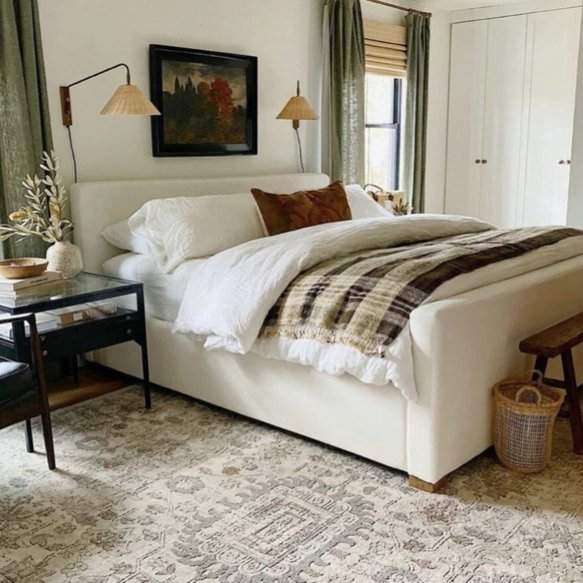
Window treatments in the bedroom must strike a balance between privacy and light control depending on your preferences. Consider how much light you want to let in and how much privacy you need.
From a variety of curtain ideas, choose options based on your style and requirements. If light blocking is essential, heavier fabrics or blackout lining in curtains or shades can be effective. Plantation shutters can also provide privacy while keeping the room dark as needed.
Ensure that drapes can be drawn clear of the window and shades can be raised above it to maximize natural light, particularly in areas with small windows or where light is limited.
Sheer curtains can offer privacy while still allowing light to filter in and can be used alone or layered with heavier curtains for versatility and elegance.
How to Design Your Own Bedroom
Unless you are moving, any bedroom renovation should start with evaluating what works and what doesn't in your current setup. Identify both the functional requirements and the aesthetic you wish to achieve.
Gather inspiration from various sources and consider how these ideas can be translated into your space. Creating a mood board with images of furniture, along with samples of flooring, wallpaper, paint colors, and fabrics, can help clarify your vision.
For layout planning, online tools can help visualize different configurations before making final decisions.
Best Practices for Laying Out a Bedroom
When planning your bedroom layout, consider its dimensions and whether it includes an en-suite bathroom.
'If space is limited, consider forgoing freestanding furniture like dressers and wardrobes in favor of built-in options,' suggests a designer with a notable firm.
'This could include recessed shelving, under-bed storage, or hidden drawers in bunk beds.
'Even in larger spaces, avoid overcrowding; select a few key pieces that harmonize with your chosen style and color scheme.
'If your bedroom has an en-suite, ensure that the layout allows for a seamless flow between the two areas.
'If incorporating a dressing table, reading nook, or desk, position it near a window for optimal natural light.'



