
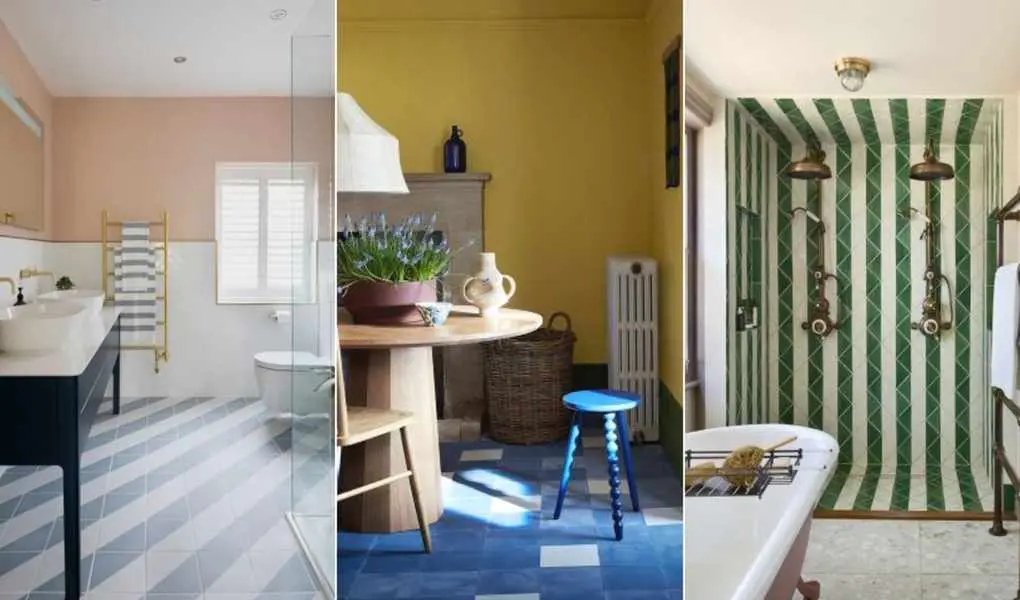
Tiles offer a fantastic canvas for your creativity. Not only are they durable, making them an excellent choice for both walls and floors, but they also provide a range of design possibilities—from understated elegance to bold statements.
With an array of colors, finishes, shapes, sizes, and budgets, tiles hold a powerful secret: they allow you to showcase your personal style while visually altering the proportions of any space through innovative layouts.
You can indulge in designing adventurous patterns with vibrant colors or opt for classic arrangements in muted tones for a touch of subtlety. Whether you choose to install and grout the tiles yourself or hire a professional, let these tile layout patterns inspire your next project.
Innovative Tile Layout Ideas
When selecting tiles for areas like bathrooms, kitchens, or entryways, it can be tempting to focus solely on trends, colors, or patterns. However, you can utilize kitchen floor tile ideas to create visually expansive effects or bathroom wall tile ideas to add texture and visual intrigue to otherwise plain spaces. Here's a selection of clever tile layout patterns to consider.
1. Use Patterns and Grout Lines to Visually Expand Space
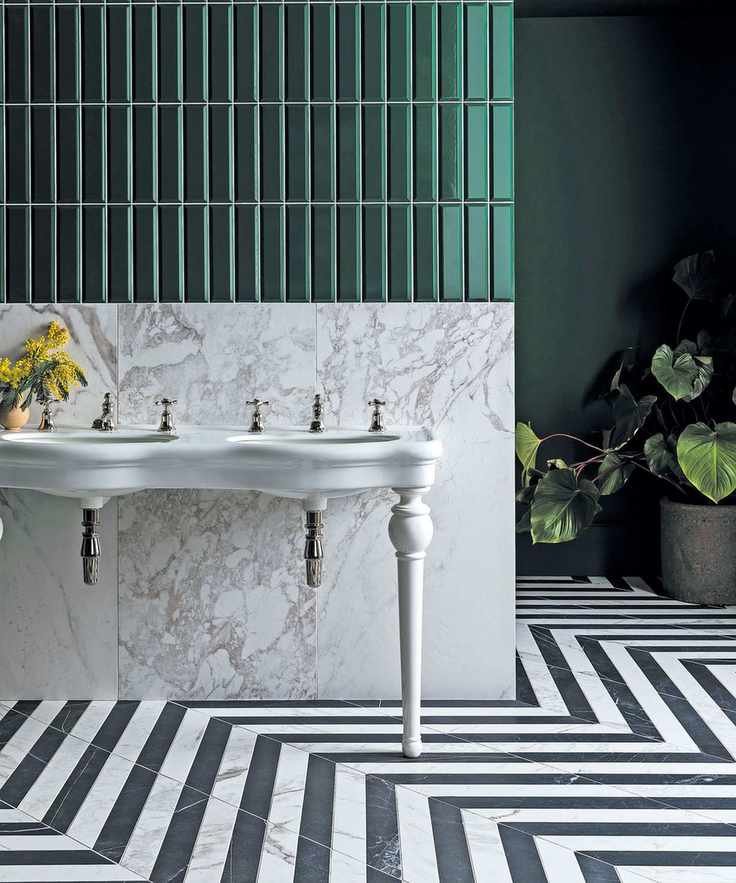
Any tile layout pattern that is arranged diagonally, like the bathroom floor tiles shown, draws the eye towards the corners of the room, creating an illusion of spaciousness, explains interior designer Lucy Searle. This technique also applies to grout lines; tall, narrow wall tiles can create a sense of height, which is especially beneficial in rooms with lower ceilings.
2. Use Color Gradients to Enhance Ceiling Height
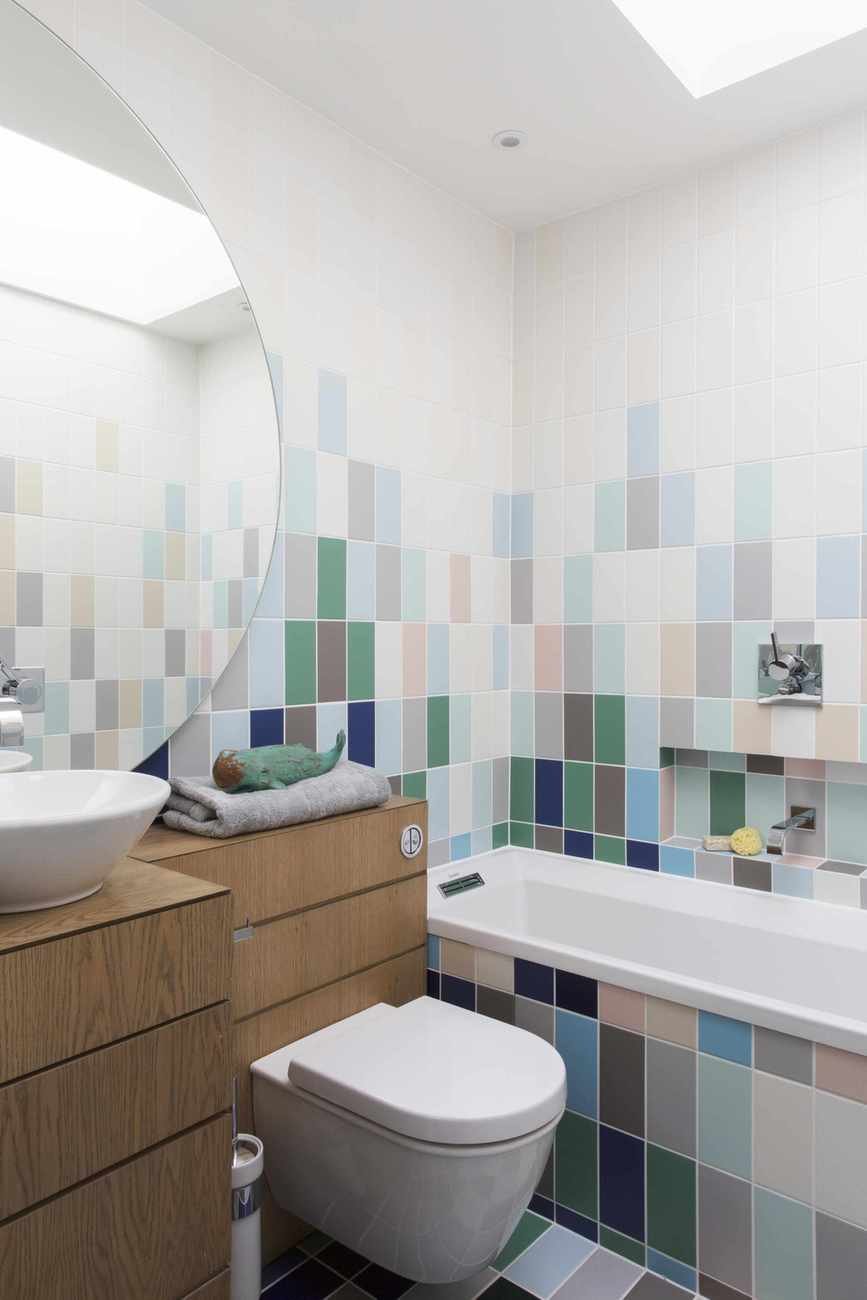
If you're seeking small bathroom tile ideas, consider a clever tile trick that works well in any space with height limitations. This bathroom example from Base Interior demonstrates how using darker tiles on the lower half and transitioning to lighter colors above creates an illusion of a taller room.
3. Create a Rainbow Effect for Added Interest
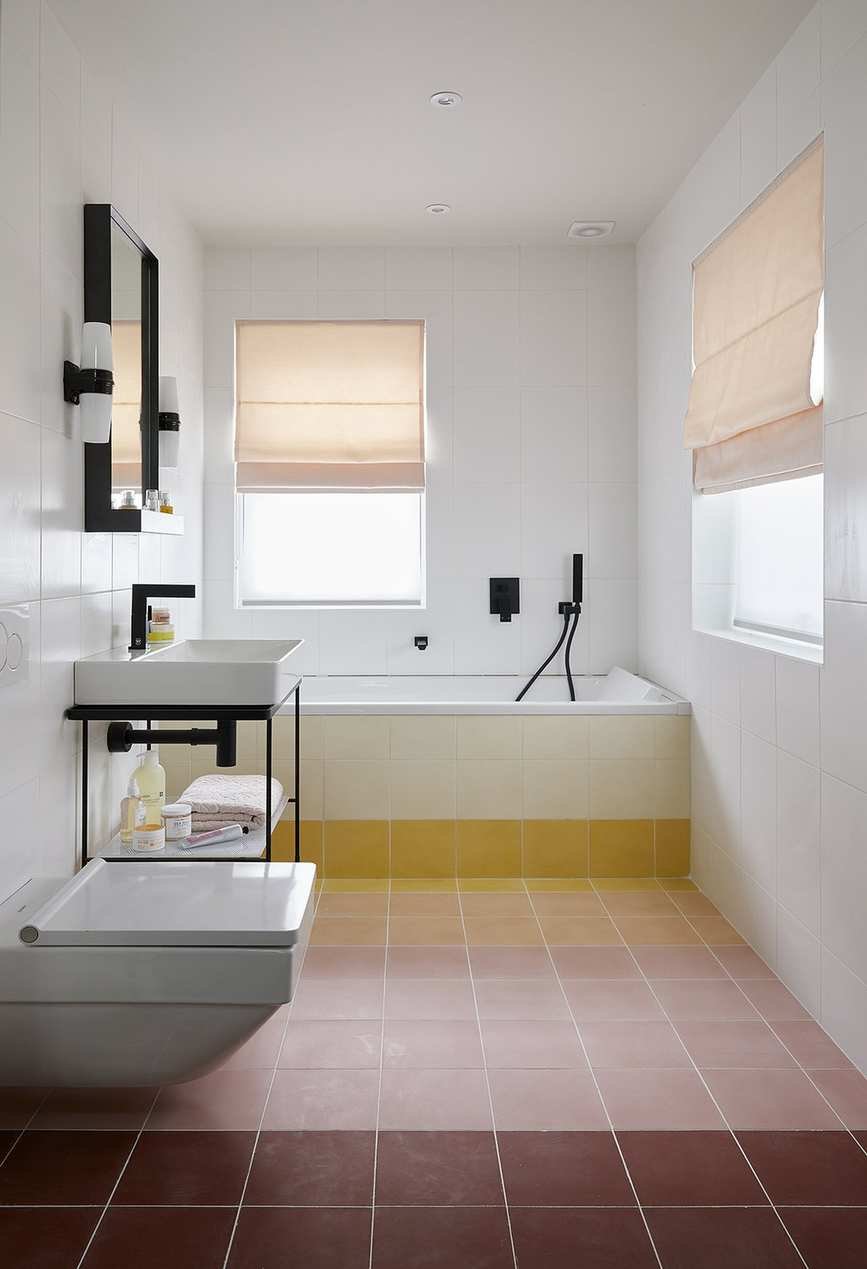
Just like using color gradients can enhance height, a rainbow stripe of tiles can make a small bathroom feel larger and more engaging. To achieve this look, stick to a limited color palette to maintain a subtle effect, positioning lighter colors further away to elongate the space.
4. Mix Tile Materials for a Unique Look
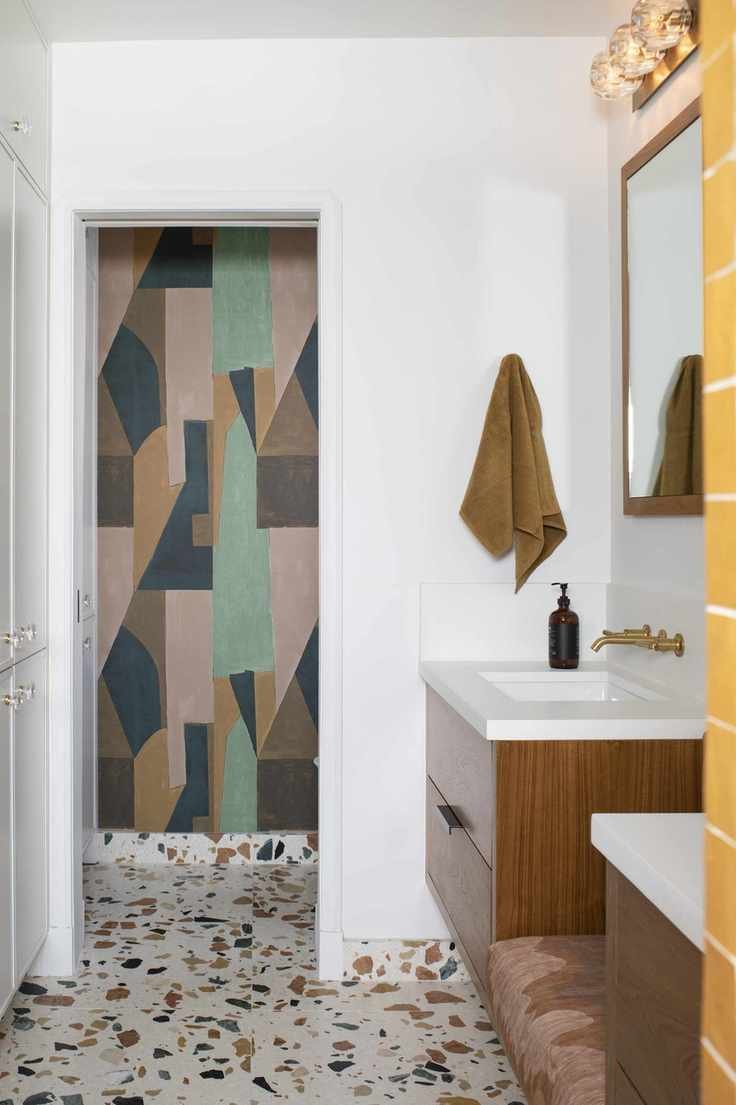
When working with a compact space, adding interest without overcrowding can be challenging. Different tile materials and layouts can create distinct zones within the room. Interior designer Karen Harautuneian used various materials to craft a vibrant guest bathroom, combining a teak vanity, terrazzo flooring, and bold wallpaper.
5. Use One Tile Design in Two Ways
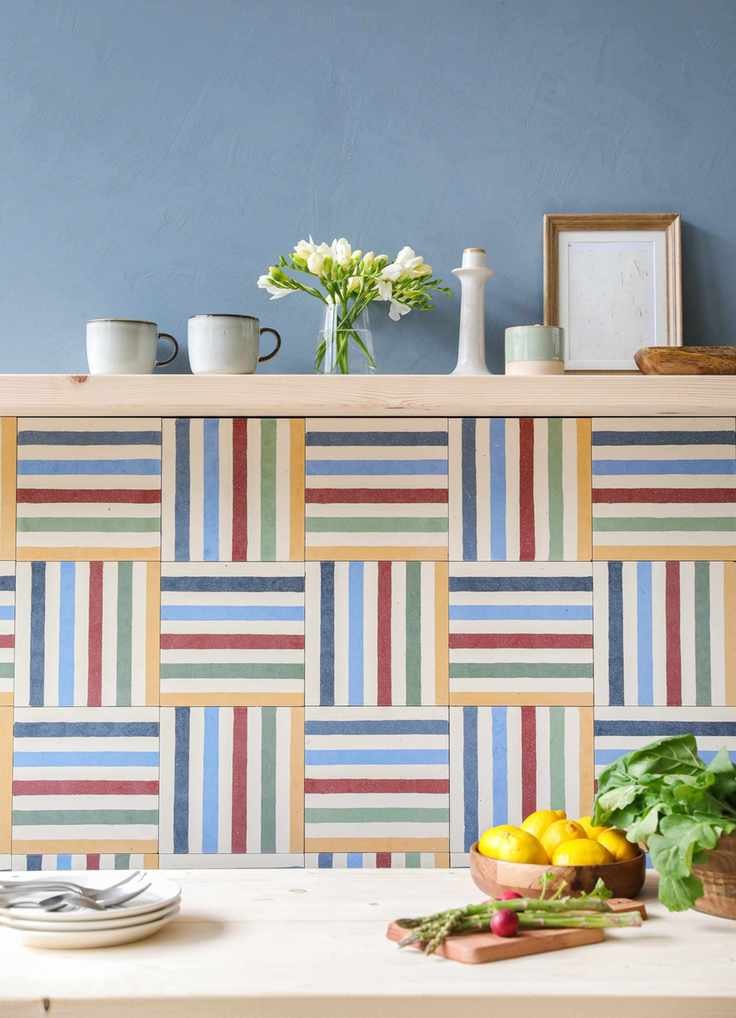
If you're looking to spice up a kitchen on a budget, consider implementing a single tile design in two orientations, as shown with these Rainbow Stripe tiles from Otto Tiles. Instead of a simple stacked grid, alternating horizontal and vertical alignments create a checkerboard effect with a dynamic step pattern.
6. Opt for a Random Pattern for a Relaxed Vibe
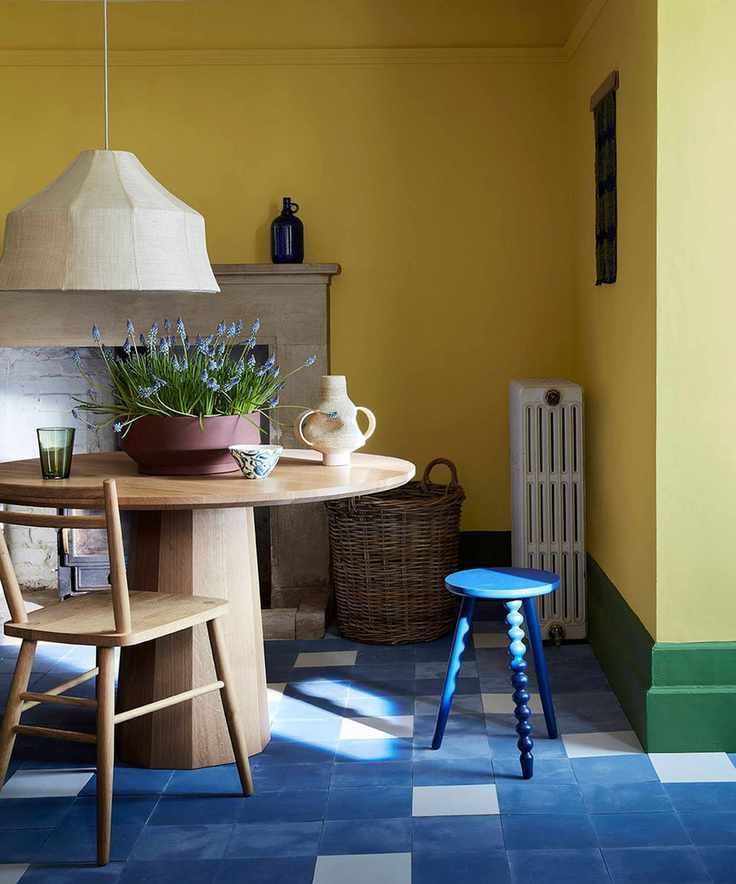
A deliberately random tile layout can offer a laid-back aesthetic perfect for rustic kitchens. However, randomness should still be meticulously planned; laying the tiles out before installation ensures the best results, whether for floor tiling or wall tiling.
7. Create Contrast with Defined Zones
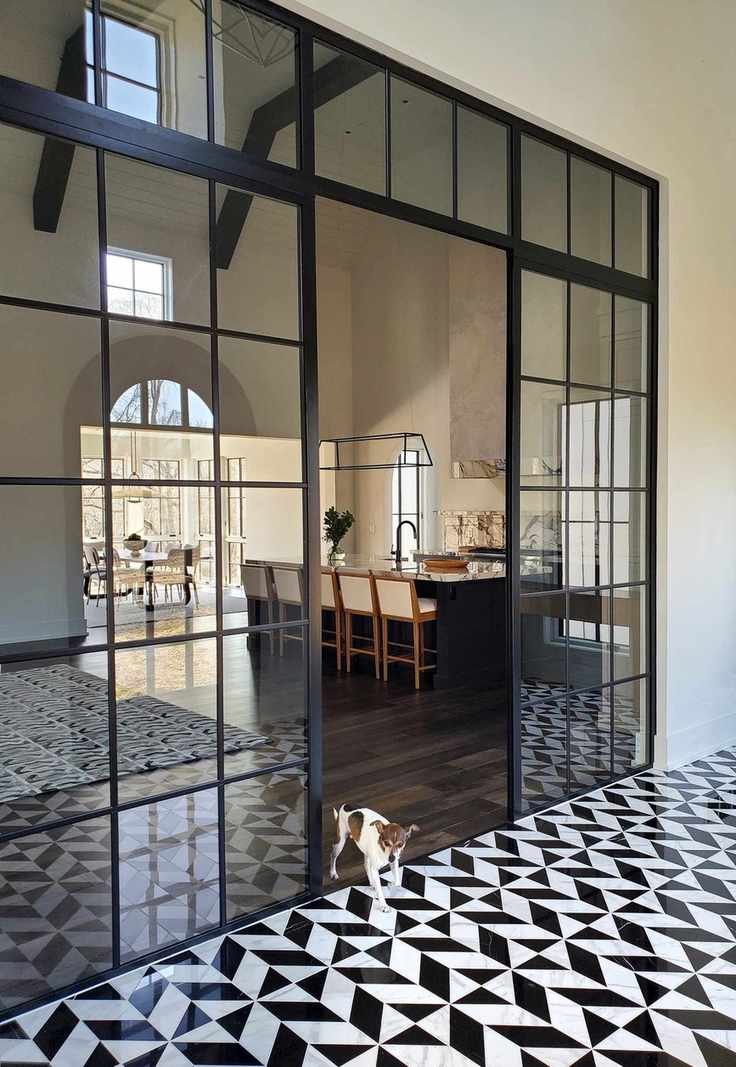
For open-plan layouts, distinct zones can be established by using patterned tiles in one section and plain flooring in another. This contrast adds surprise to otherwise simple spaces. A monochrome scheme can provide timeless elegance, enhanced by a bold chevron pattern, as Elizabeth Reich from Jenkins Baer suggests.
8. Design a Tile Mural
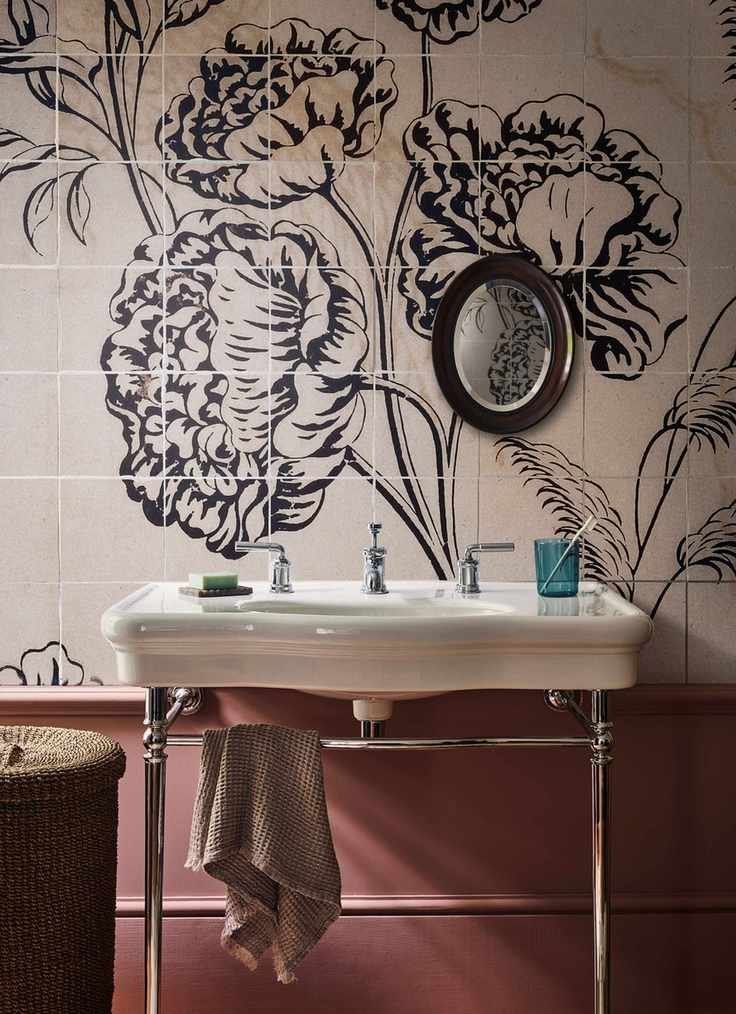
If you're in search of bathroom backsplash ideas that stand out, consider the trend of tile murals. According to Lucy Searle, oversized tile patterns are fantastic for bathrooms and can serve as striking powder room decor.
9. Play with a Single Motif
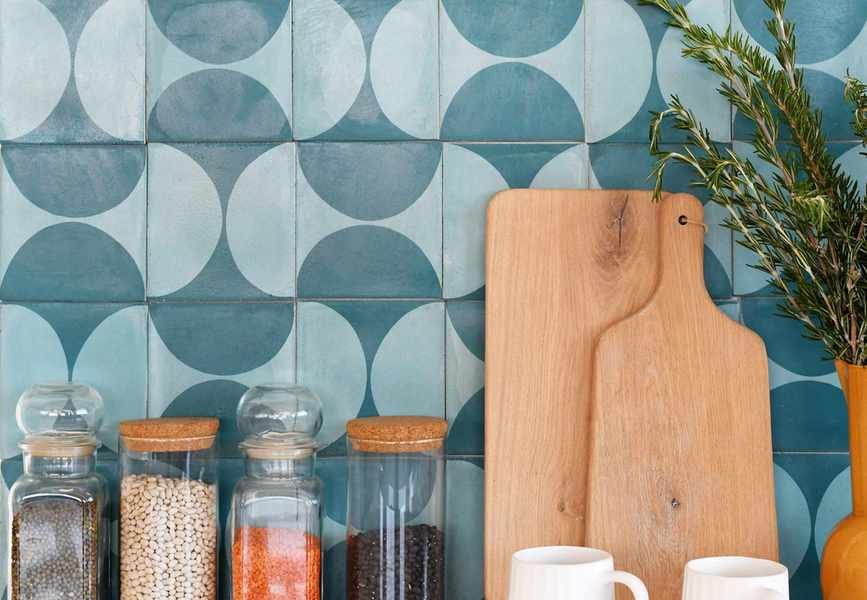
Heather Moore, founder and creative director of Skinny laMinx, draws inspiration from architectural patterns. Her new tile collection for Concrete Studio features designs that can be combined to create complex patterns using a single motif, showcasing endless possibilities.
10. Twist the Shape
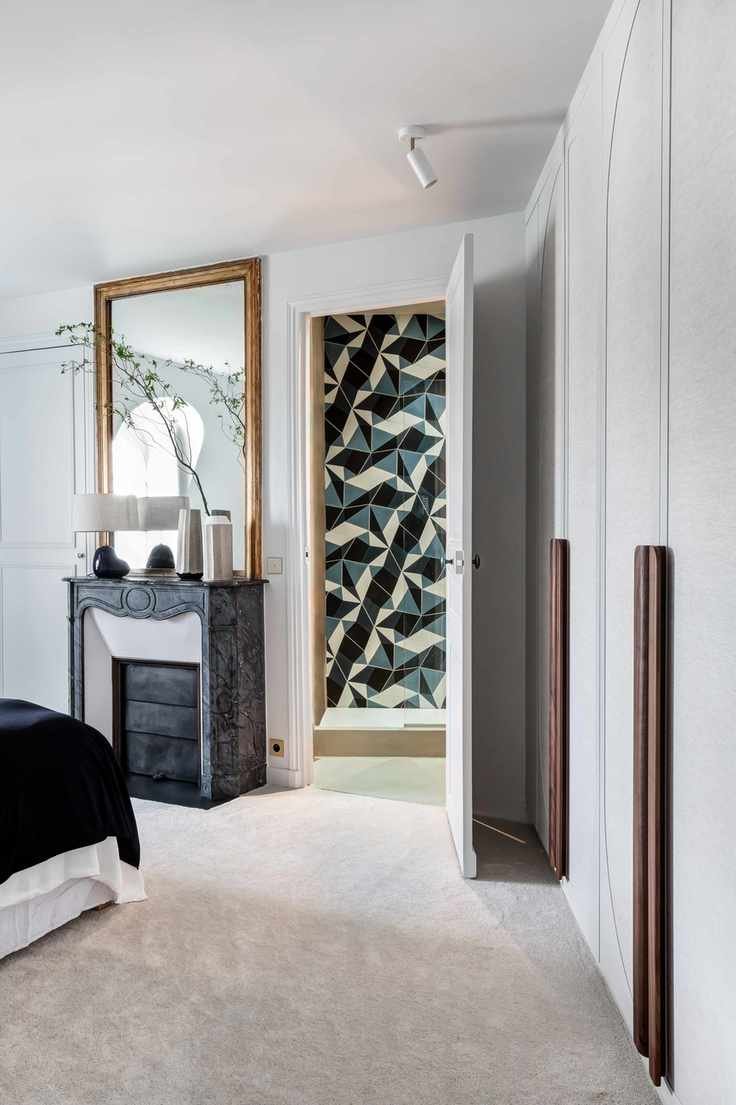
For shower tile ideas that break the mold, consider opting for uniquely shaped tiles. Interior designer Barbara Bachmann utilized pentagonal Splinter tiles from Popham Design to create a striking focal point in a Parisian ensuite shower.
11. Mix Tile Patterns for a Cohesive Look
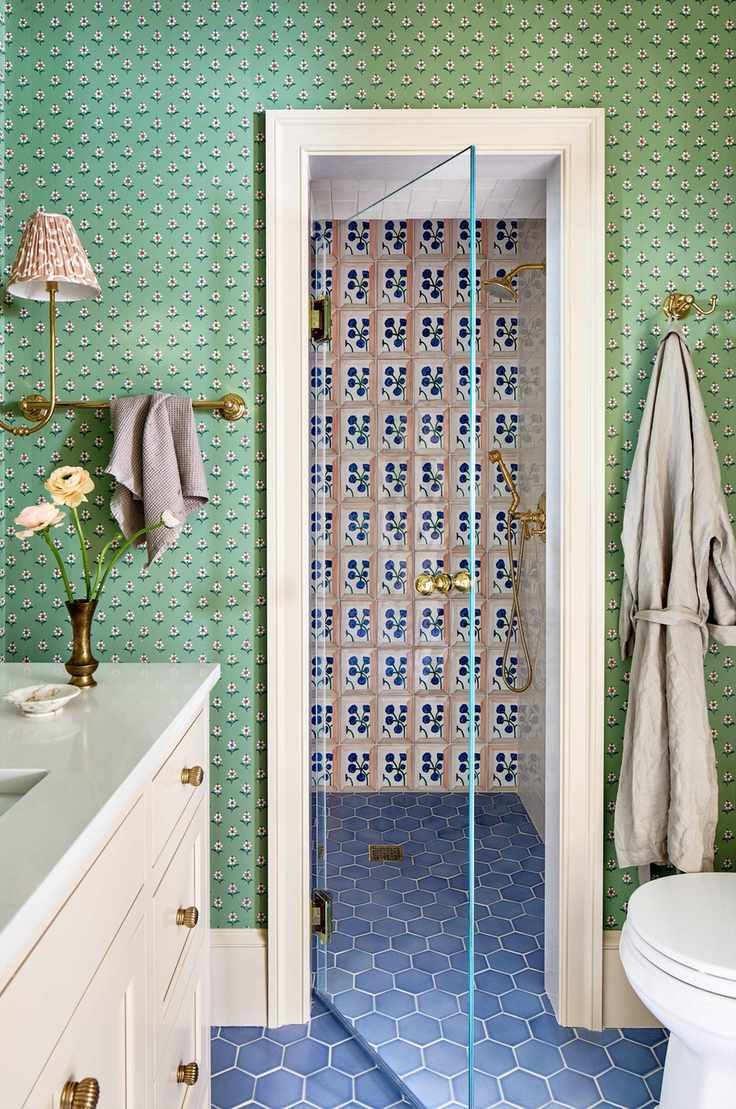
This inviting bathroom by designer Cameron Ruppert demonstrates how a blend of colors and patterns can create a harmonious space. By combining square wall tiles by artist Wayne Pate with hexagonal floor tiles and floral wallpaper, the design remains cohesive with existing furniture colors.
12. Achieve Height with Striped Patterns
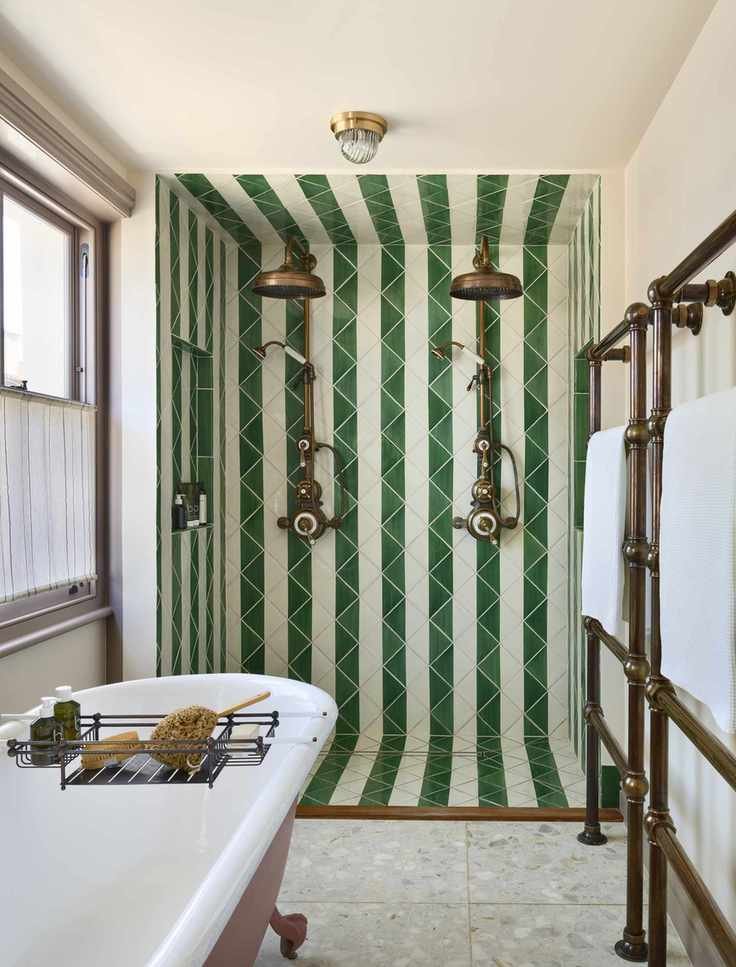
Simple square tiles arranged in a triangular format can generate various visual patterns. Interior designer Orla Read created playful stripes using tiles from Balineum, inspired by the dynamic diagonal stripes of The Hôtel Peter & Paul in New Orleans.
13. Embrace Subtle Interest
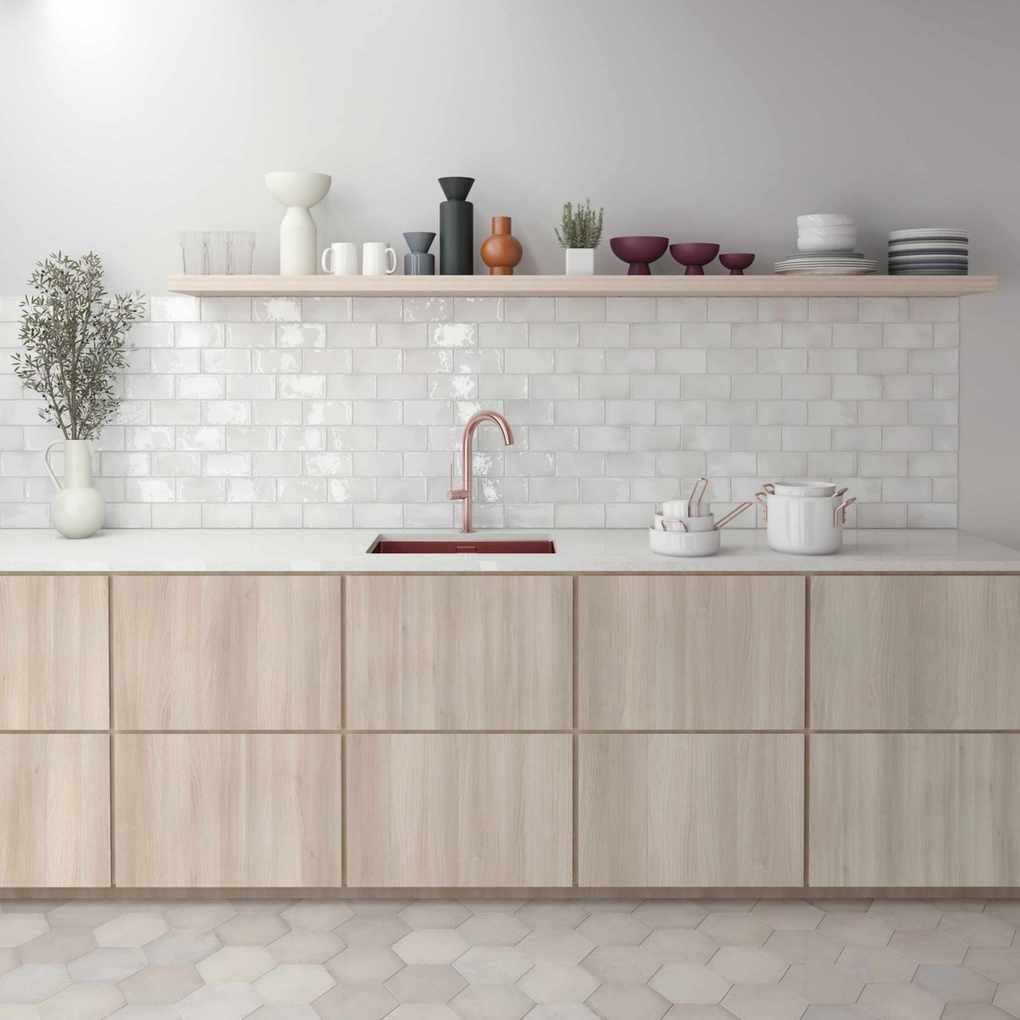
A simple subway tile layout offers numerous possibilities, from basic grids to intricate basketweave designs. A staggered brickwork design can add visual interest; starting each tile in the center of the one below creates a beautiful harmony, according to Diane Hyde from Craven Dunnill.
14. Opt for a Bold Herringbone Pattern
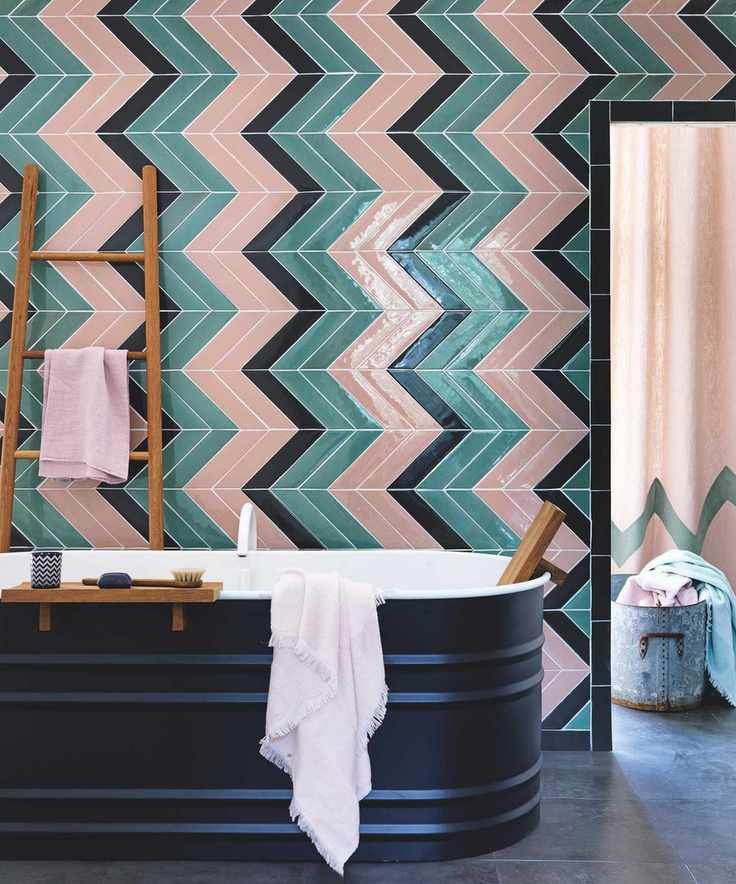
For added impact, consider arranging classic subway tiles in a herringbone pattern. Using bold colors can enhance the striking nature of this design, while mixing two colors can amplify the drama.
15. Introduce Texture with Varied Tile Types
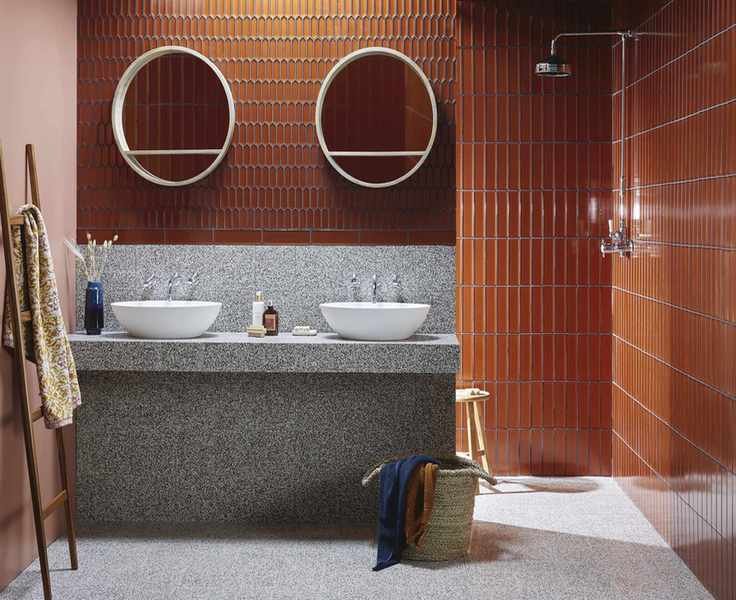
Colin Roby-Welford, creative director at Fired Earth, notes that tactile surfaces can elevate even the smallest bathroom, offering both visual intrigue and a touch of luxury. Combining three different tile shapes can create a layout brimming with character, balancing gleaming glass tiles and mosaics with more subdued base tiles.
16. Create a Diagonal Sweep
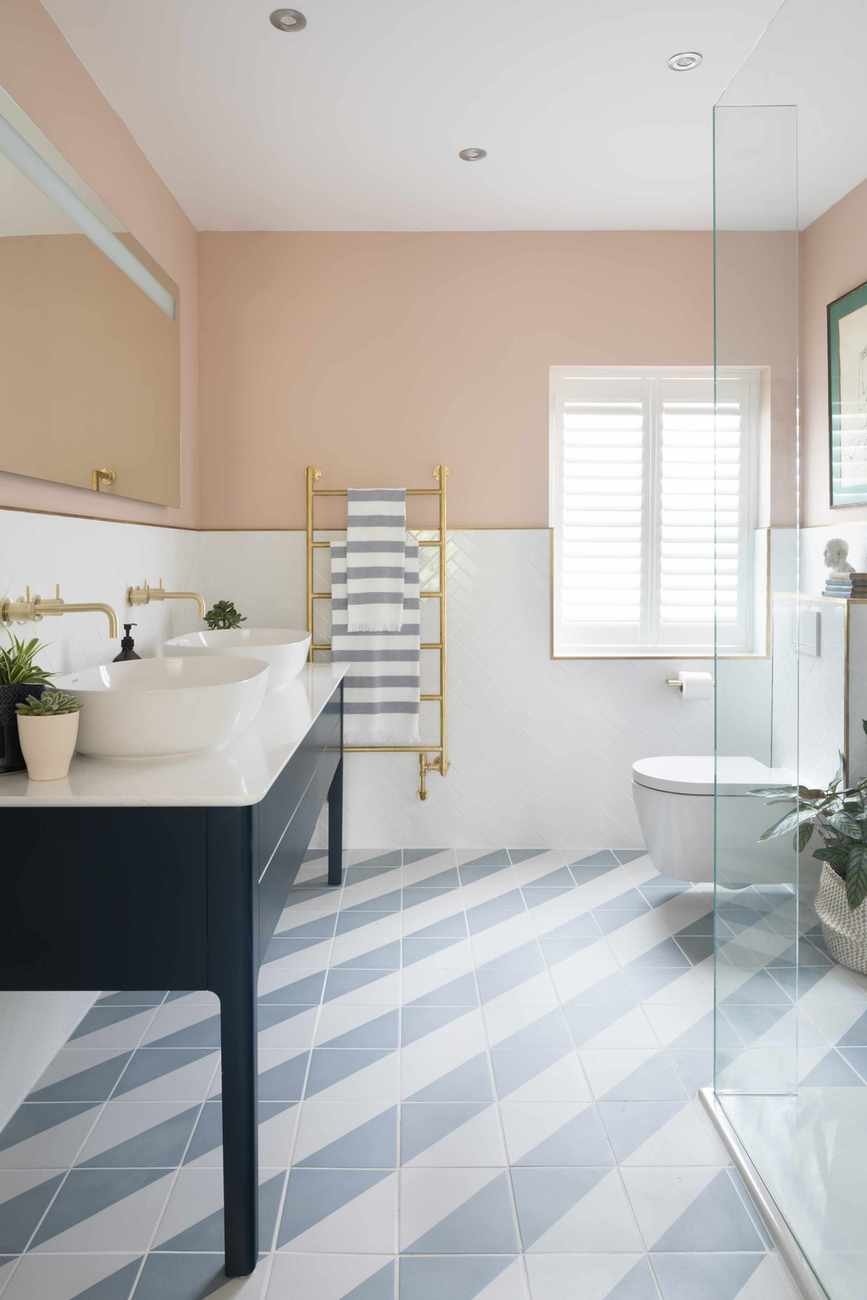
Laying tiles diagonally can enhance a room's spacious feel, as interior designer Emma Merry explains. This layout not only draws the eye across the room but also accentuates the design's impact.
How Can I Make My Room Feel Larger with Tile?
Using larger tiles minimizes the number of grout lines, resulting in a less cluttered appearance that can make a floor seem more expansive. Additionally, arranging floor tiles diagonally can visually stretch a space, while vertical wall tiles can create an impression of height. To amplify a room's spaciousness, consider using the same tile for both floor and walls.
What's the Best Way to Test My Tile Layout?
Before committing to your tile layout, it's wise to experiment with it to ensure you're satisfied with the outcome. You can use sample tiles and a sketchbook to explore combinations. For more intricate designs, many suppliers offer digital tile visualizers that allow you to experiment with different patterns, or you could consult a professional tile installer for detailed design assistance.



