
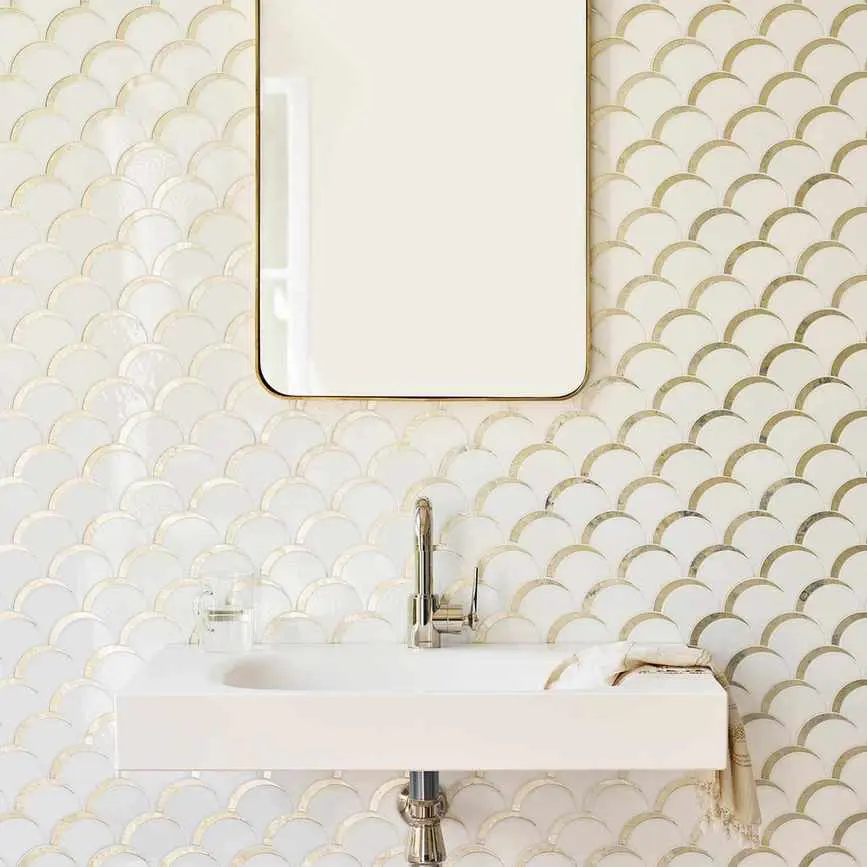
Transform your space by tiling a wall with vibrant colors and distinctive patterns. Tiling is not only practical, protecting walls from moisture and stains, but it also enhances hygiene.
Taking on a tiling project can be a rewarding DIY task, allowing you to achieve a beautiful finish with the right techniques and grouting skills.
Follow these steps to maximize your bathroom wall tile ideas and kitchen wall tile ideas. We've included expert tips for achieving that professional touch.
Tiling Process Overview
Before you begin, confirm your walls are sturdy, smooth, and waterproof enough to support your selected tiles.
'If your wall isn't level, consider using a tile backer board for an even surface,' suggests an expert. 'Ensure the surface can support the combined weight of tiles, adhesive, and grout.'
Gather these tools:
- Metal ruler
- Tile scourer
- Tile nipper
- Fine sandpaper
- Grout float
- Grout finishing tool
- Bucket
- Drill with mixing paddle
- Tile adhesive spreader
- Pencil
- Tape measure
- 5mm tile spacers
- Carpenter's level
- Sponge
- Timber batten
- Fixings
1. Wall Preparation
If you're updating a room, you might need to remove old tiles first. After that, ensure the surface is suitable for tiling. 'Remove any painted wallboard, as it's not ideal for tile adhesion,' an industry expert advises.
Avoid using wood-based panels like particleboard or OSB for tiling surfaces. Choose the appropriate backer board for your tile type and application, following the manufacturer's guidelines.
2. Mix Tiles to Prevent Color Variation
Plan your tile arrangement in advance. Lay out tiles on the floor to visualize patterns. To avoid color discrepancies, mix tiles from multiple boxes to achieve a consistent look.
3. Determine Your Starting Point
Identify your starting point just as you would when tiling a floor. Create a tile gauge using a wooden batten, placing it next to a tile row with spacers. Measure horizontally to find the wall's midpoint and align the gauge accordingly. Mark where the last tile will end and draw a vertical line up to the ceiling.
Repeat this vertically, then secure wooden battens along the lines—the intersection of these battens will be your starting point.
4. Install Full Tiles
Starting from your marked point, apply adhesive to a section of the wall using a notched spreader. Press each tile into place with a slight twist, ensuring spacers are used between them.
Check for straightness with your level. Once the adhesive sets, remove the battens.
5. Cut and Place Remaining Tiles
Measure the gap between the last full tile and the wall, accounting for the spacer. Mark your tile, score a line, and snap it. Continue this process for the remaining tiles.
From the bottom of your design, lay the cut tiles just like the full ones.
6. Grout the Tiles
Once the adhesive has dried, mix your grout and use a float to fill the gaps between tiles. For a polished finish, smooth over the joints with a grout finishing tool.

Planning Your Wall Tile Layout
Before starting, research various wall tile layouts. With numerous shapes, sizes, and finishes available, it's essential to consider your desired aesthetic.
Standard rectangular tiles allow for creative layouts, including straight joint, brick, or herringbone patterns. Each layout can enhance the visual appeal of your space.
Consider your room size as well. For smaller areas, opt for larger tiles to minimize grout lines and create a feeling of spaciousness.
Best Materials for Wall Tiles
Porcelain tiles are excellent choices for walls in kitchens and bathrooms due to their resistance to moisture. They are stylish, easy to clean, and available in various formats.
They offer design options not achievable with other materials. Natural stone and glazed ceramics can provide beautiful variations in color and texture as well.
Starting Your Tiling Project
Establish your starting point to maximize the use of full tiles. If the corner space is less than half a tile, shift the gauge to the right to allow for a larger cut tile, resulting in a cleaner finish.
Consider centering tiles on the back wall of a shower, or starting from the ceiling or floor based on your preferences and the tile size.
How High to Tile
Tile areas prone to splashes, like behind sinks and showers. The height can be a matter of personal choice, but kitchen backsplashes typically extend around 24 inches high.
In wet areas, tiling to the ceiling is recommended for both aesthetics and protection. For other spaces, half-height tiling offers a balanced look while safeguarding against moisture.



