

Choosing between induction and electric cooktops? While they might look alike, these appliances differ significantly in various aspects.
To find the ideal kitchen appliance—whether you're upgrading your kitchen or enhancing your culinary experience—it's crucial to understand the pros and cons of these popular cooktops.
In this detailed comparison, we'll break down the essential factors to guide you in selecting the cooktop that fits your culinary preferences, lifestyle, and kitchen layout.
Cooktop Comparison: Induction vs. Electric
"Induction cooktops heat quickly, are energy-efficient, and easy to clean, making them perfect for those who prioritize speed and eco-friendliness," states appliance expert Alexander Hill.
"Electric cooktops are appreciated for their simplicity, versatility, and lower initial costs, catering to a wide array of users."
Below, we've compared both options in ten categories to help you find the features that matter most.
Understanding the Differences
"Let's clarify the distinctions between the two types of cooktops," says Anastasia Lytvynova, appliance repair manager. "Electric cooktops rely on heating coils beneath the surface, which transfer heat to your pots and pans when activated.
"Induction cooktops utilize electromagnetic fields to heat cookware directly. When a compatible pan is placed on the induction surface, a magnetic field generates an electric current within the pan, heating it instantly."
1. Energy Efficiency

"Induction cooktops excel in energy efficiency," declares Alexander Hill. "They convert a higher percentage of electricity into heat, minimizing energy waste, which can lower your bills over time."
"Induction technology heats pots directly, leading to faster cooking and reduced energy use," explains Rena Awada. "Electric cooktops, in contrast, use traditional coils, resulting in slower heating and less efficiency."
Verdict: If you're looking for the most energy-efficient option, "induction cooktops typically consume 10-50% less energy than their electric counterparts," adds Rena Awada.
2. Cooking Performance

Monolith extractor unit; storage modules, Falmec
"Induction cooktops are renowned for their rapid temperature adjustments, similar to gas stoves, allowing for precise control over cooking," says Alexander Hill.
This quick response is particularly advantageous for dishes requiring careful temperature regulation.
"Electric cooktops tend to have slower temperature changes, which can hinder precision for delicate recipes."
Verdict: For optimal control and quick heating, induction stoves are superior.
3. Safety

"Induction cooktops use electromagnetic fields to heat cookware, keeping the cooktop surface cooler and reducing accident risks," explains Alexander Hill.
Conversely, electric cooktops can pose burn hazards, as their surfaces stay hot for a while after being turned off, increasing the risk of fire if flammable items are placed nearby.
Verdict: "Induction stoves are generally safer, as the surface doesn't reach high temperatures," concludes Lytvynova.
4. Cookware Compatibility

Induction hobs require magnetic cookware. "If your pots are non-magnetic, they won't work on an induction stove," advises Lytvynova. Experts recommend testing cookware with a magnet before making a commitment.
In contrast, electric cooktops are compatible with virtually any cookware.
Verdict: "If you have non-magnetic pots, electric cooktops are the more flexible option, accommodating a variety of cookware," states Alexander Hill.
5. Durability

"When investing in new appliances, durability is key," shares Alexander Hill.
"Induction cooktops tend to outlast electric ones due to their sturdy glass surface and absence of exposed heating elements, though they can be scratched if mishandled.
On the other hand, electric cooktops can withstand impacts well but may require element replacements over time."
Verdict: Generally, induction cooktops are more durable since they lack exposed elements, reducing damage risks.
6. Maintenance and Cleaning

"Induction cooktops are easier to maintain and clean," says Alexander Hill.
"Electric cooktops, especially those with coils, can be more challenging due to their design and heat distribution," he adds.
Cleaning an induction cooktop is simpler because its surface remains cooler, preventing food from sticking and burning on it.
Verdict: Induction cooktops win for easy cleaning.
7. Environmental Impact

Considering environmental impact is crucial. "Induction cooktops directly heat cookware, minimizing energy waste," states Matthew New, sustainable living advocate. "This efficiency is vital for lowering energy use and carbon footprint."
Verdict: "Induction cooktops are better for the environment due to their energy efficiency and quicker cooking times," adds Alexander Hill.
8. Aesthetics

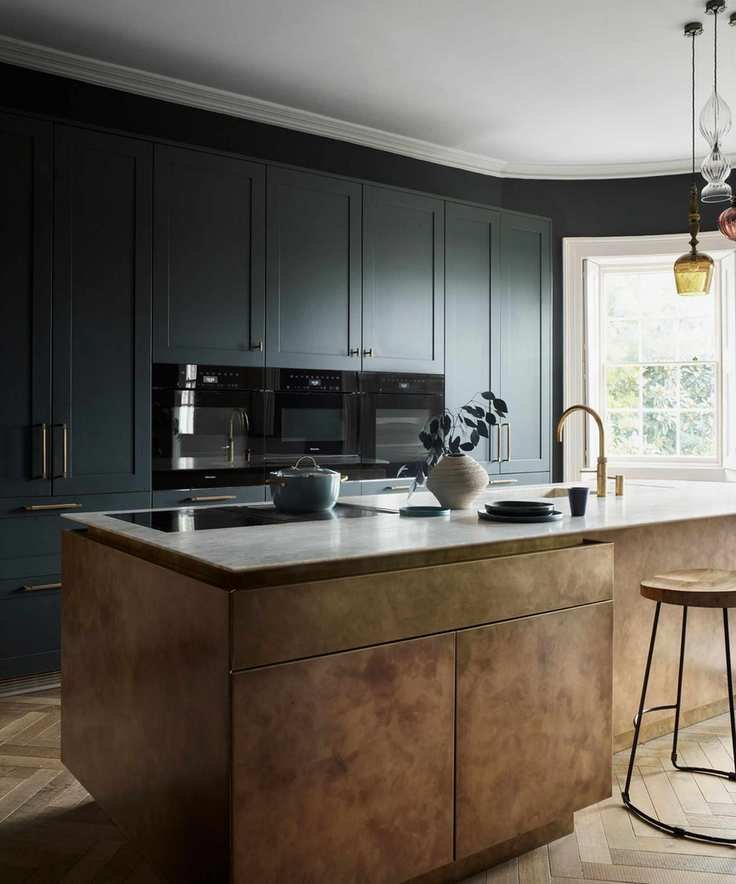
Choosing between these cooktops can impact your kitchen's visual appeal. Induction cooktops provide a sleek, modern look that integrates seamlessly into contemporary designs.
Electric cooktops, particularly those with raised coils, may not blend as well but can still suit traditional styles.
Verdict: Induction hobs often offer a more streamlined aesthetic, making them our preferred pick for modern kitchens.
9. Sound
"Induction cooktops may emit a low hum due to the electromagnetic field, particularly at high settings or with specific cookware," notes Alexander Hill. "This sound is usually not bothersome but can be a factor for some users."
Electric cooktops are generally quiet, producing minimal sound other than the switch click and the natural sounds of cooking.
Verdict: If silence is crucial for you, electric cooktops are the better choice.
10. Cost

"Electric cooktops are more budget-friendly, ranging from $360 to $1,800," states home expert Mallory Micetich. "Induction cooktops typically cost more, averaging around $3,000 per unit."
In summary, induction cooktops are superior in 7 out of 10 categories. However, your choice between induction and electric will ultimately depend on your priorities.
If you want a cooktop that heats swiftly, is energy-efficient, and safe, an induction model may be best for you.
On the other hand, if you prefer a lower upfront investment, have non-magnetic cookware, or don't mind slower heating, an electric cooktop might suit you better.
Your final decision should reflect your cooking habits, lifestyle, budget, and kitchen design preferences.



