
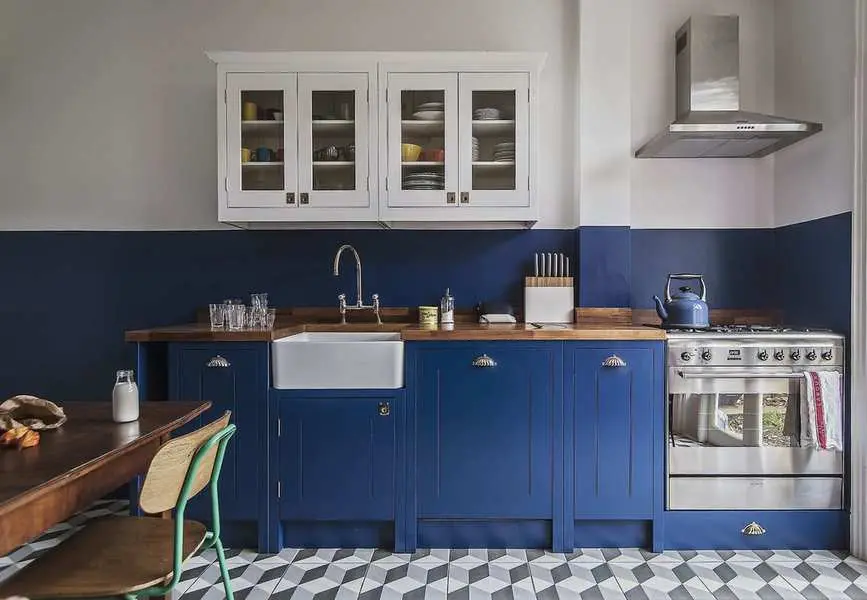
Installing kitchen cabinets is a rewarding project that can enhance your kitchen's appearance and functionality. By replacing outdated cabinets, you can completely transform the look and feel of the room.
Follow this detailed guide to successfully install both wall and base cabinets in your kitchen.
Installing Kitchen Cabinets
If your cabinets are in decent shape, painting them can provide a quick refresh. However, if they're in poor condition or outdated, opting for new cabinets is a smart choice. Here's a straightforward approach to cabinet installation.
Required Tools:
- Carpenter's level
- Tape measure
- Pencil
- Stud finder
- 2x4 lumber
- Screws
- Cabinet screws
- Electric screwdriver
- Shims
- Drill and bits
- Clamps
1. Prepare for Installation
Before starting, ensure you turn off any gas, electrical, and plumbing lines in the kitchen.
Identify the highest point on your floor since older kitchens often have uneven surfaces. Use a carpenter's level to pinpoint this location.
2. Mark Locations
Start marking the cabinet positions using the highest floor point as your reference.
Measure 34½ inches and 54 inches off the floor and make marks for both heights. Use a level to draw lines on the walls at these points where the top of the base cabinets and the bottom of the upper cabinets will be installed.
Locate the studs and mark their centers, which should typically be 16 inches apart. This will guide you during installation.
3. Dry Fit the Cabinets
Before finalizing the installation, arrange the base cabinets in place, starting with the corner unit. Measure and label each cabinet's position on the wall.
As you mark, remember that the cabinet face frames extend beyond the boxes, creating a gap at the back. Maintain this gap when marking.
Check for wall plumbness; adjust your measurements if the wall leans. For instance, if a wall tilts outward by ⅛ inch, measure 36⅛ inches from the wall for your cabinet placement.
4. Install Wall Cabinets First
Begin with wall cabinets to avoid obstruction from base cabinets during installation. Attach a 2x4 ledger board to the wall at the marked level line to support the upper cabinets during installation.
Install the cabinet boxes without doors at first. Mark the stud locations and align the cabinets with the ledger board, securing them to the studs at the top and bottom. Initially, only tighten the screws enough to hold them in place.
Ensure the cabinets are plumb, level, and square before fully tightening the screws and removing the ledger.
5. Install Base Cabinets
Start installing base cabinets from an inside corner or the sink base. Position these cabinets level with the edge locations as per your layout, securing them to the studs with 2½-inch screws. Use shims as needed to ensure they are level.
As you fit each cabinet next to another, use clamps to hold them together until they are perfectly aligned. Pre-drill and secure with screws as you go. Only tighten all screws at the end of the installation.
6. Attach Doors and Toe Kicks
With the cabinet boxes secured, install the shelves, drawers, and doors. Adjust hinges to ensure doors hang straight and are flush with the cabinet frame. Fit toe kicks at the bottom, trimming as necessary for uneven floors.
What's the Quickest Way to Install Cabinets?
To expedite your installation, consider these tips: pre-assemble upper cabinets on the ground before mounting them on the wall. Two people can typically lift and install three connected cabinets at once.
Additionally, locate wall studs and pre-drill screw holes in advance, which allows you to easily secure the cabinets once they're in position.
Utilizing an assembly line method can also boost efficiency. Complete similar tasks consecutively, such as pre-drilling all face frames before cabinet assembly.
Can I Install Kitchen Cabinets on My Own?
Yes, installing kitchen cabinets yourself is feasible. With the right tools and a clear plan, you can accomplish this task effectively. Just remember, starting at the right point and keeping everything level are crucial for success. You may need a helper or cabinet jack for lifting upper cabinets.



