In this interview, I have a conversation with travel nurse Peter Torreja, whom I met during my journey to Mongolia last year. Peter has spent the last three years living and working in the Middle East, sharing insights about his experiences and favorite travel spots!
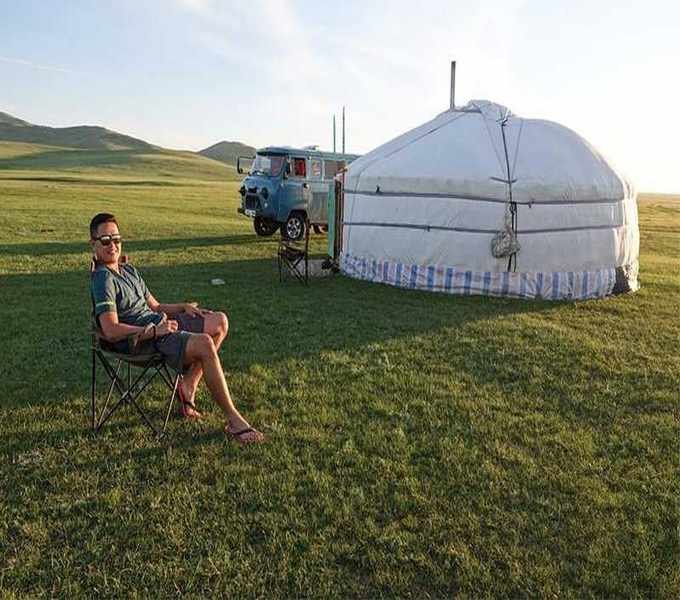
Name: Peter Torreja
Age: 32
Hometown: Vancouver, Canada
Country count: 74
Instagram: 7continentsbythirty
1. How did your travel journey begin?
I've always been an outdoor enthusiast since childhood, growing up in a small town in the Philippines surrounded by nature sparked my love for adventure.
2. What brought you to travel nursing in the Middle East, and why this region?
After completing my nursing degree in Canada and gaining enough experience, I felt the need to leave Canada. Although Vancouver is stunning, it had started to feel repetitive. I received job offers from Australia and Saudi Arabia, and I quickly chose Saudi. The job was appealing, and Saudi felt more exotic. Additionally, being based in the Middle East allows for more affordable travel to Africa, which I want to explore further. I enjoy the contrast between Western and Middle Eastern cultures and am excited to discover more of Africa.
3. What’s a common misconception about living or working in the Middle East?
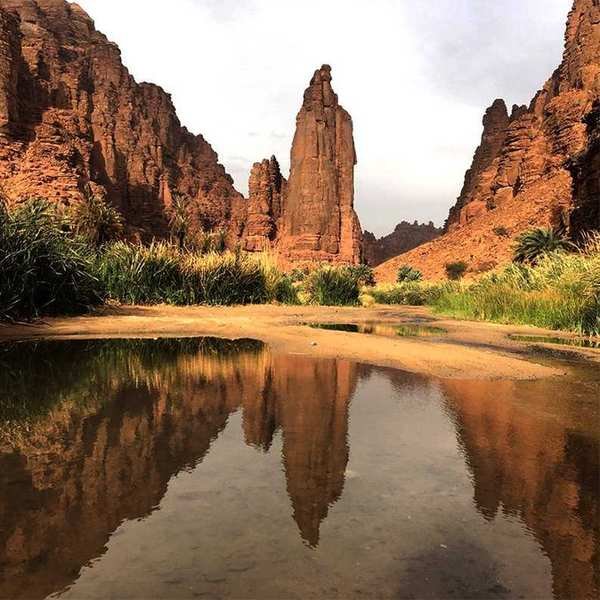
People often say, “Are you crazy? Living in Saudi Arabia will be dull! Just deserts and camels.” While it can be boring if you stay cooped up and only visit malls, I've been on a quest to discover the country. On weekends, I drive to nearby towns, exploring ancient villages, stunning caves, valleys, and beautiful beaches. Saudi Arabia is filled with breathtaking nature that many are unaware of.
4. Do many women work as travel nurses in the Middle East? Are there safety concerns?
Most of my colleagues in Saudi come from North America, Europe, New Zealand, South Africa, the Philippines, and Malaysia, with many being women. They've worked there for years and generally feel safe.
5. Can you share a memorable travel experience from the Middle East?
Saudi Arabia is incredibly beautiful. Many foreigners and even locals are unaware of this. When I visited Madain Saleh (Saudi Arabia’s equivalent of Petra) in 2017, I was astonished to find it nearly empty!
6. Recommend three must-visit places in the Middle East.
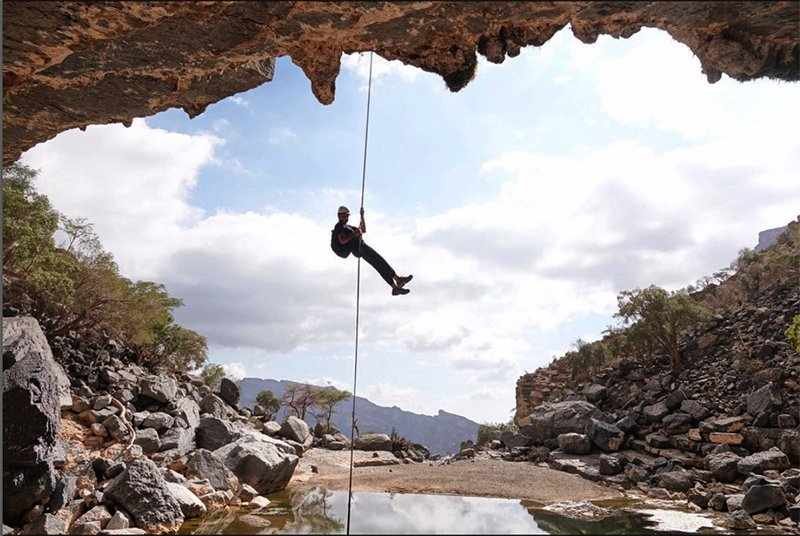
Here are my top three in Saudi Arabia: Al Disah, Al Ula, and Farasan Island, along with the Georgios shipwreck near Haql. Oman is my favorite destination in the Gulf, offering activities like scuba diving, hiking, and abseiling. My favorite spots there include Jebel Shams, Wadi Shab, Nizwa, Bimah Sinkhole, and Salalah, especially during the Khareef season from late July to early September, when the area transforms into a lush paradise.
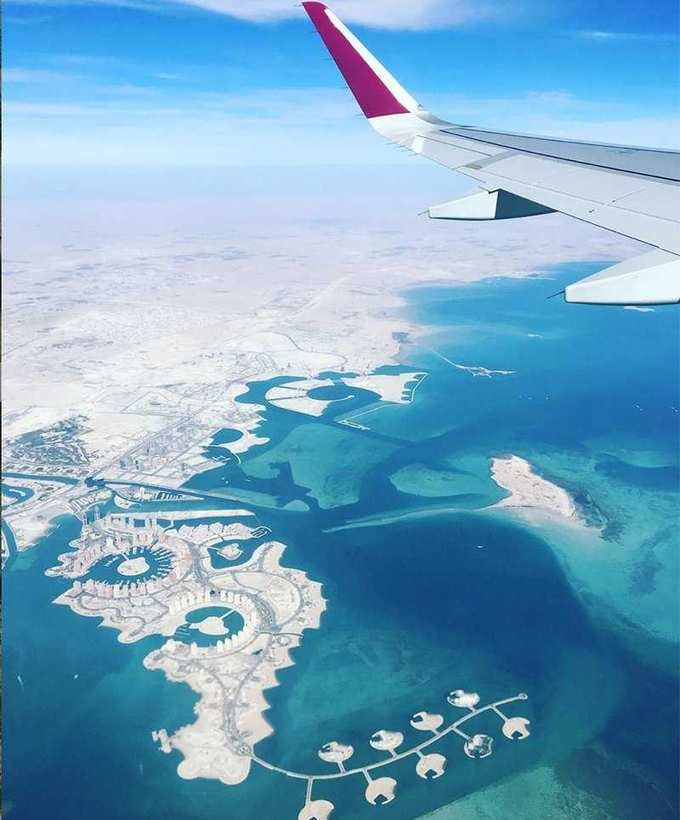
7. What’s the cost of living like in Doha compared to the Middle East?
Living in Saudi Arabia is generally cheaper than in Qatar. For example, a meal at a local restaurant in Saudi costs about 10-15 Saudi riyals, or around $3-4 USD, while in Qatar, it ranges from 20-30 Qatari riyals, or $6-8 USD. Accommodation in Qatar is quite pricey; a studio in the Pearl could be around 9,000 Qatari riyals, or $2,500 USD monthly. In Riyadh, you can find a 2-3 bedroom villa for about 4,000 Saudi riyals, or $1,000 USD. Overall, Qatar can be two to three times more expensive than Saudi Arabia, though salaries in Qatar tend to be higher to offset the cost of living.
8. What advice do you have for aspiring travel nurses or tips on job hunting?
Moving to the Middle East solely for financial gain isn’t enough. It's essential to embrace the local culture and traditions too. Notable nursing agencies include: hzeigler and ihrcanada. I personally recommend ihrcanada, they’re fantastic.
9. What are three essentials you always take on your travels?
A travel adapter, cell phone, and earplugs.
10. What’s your next adventure?
Antarctica.
Interested in Travel Nursing?
If you're a medical professional, you can explore opportunities across the U.S. and internationally in various short-term roles lasting from weeks to years, depending on the location. Remote positions typically offer higher pay (especially specialty units, like ICUs). For example, nursing roles in the Middle East can provide salaries two or three times higher than normal rates, often tax-free.
For positions based in the U.S., significant income can come from housing and food allowances, which are also tax-exempt if you're a certain distance from your primary residence. Nurses I've met recommend securing your own housing to maximize these benefits instead of using agency accommodations. Planning ahead is crucial in travel nursing, as paperwork can take time. For further details, check out nursing blogs or connect with experienced colleagues.
For more insights on working abroad, explore my Guide to Working Abroad and 8 Ways to Earn Money While You Travel!