
When a stock gains traction on social media, is it still wise to invest, or is the opportunity lost?
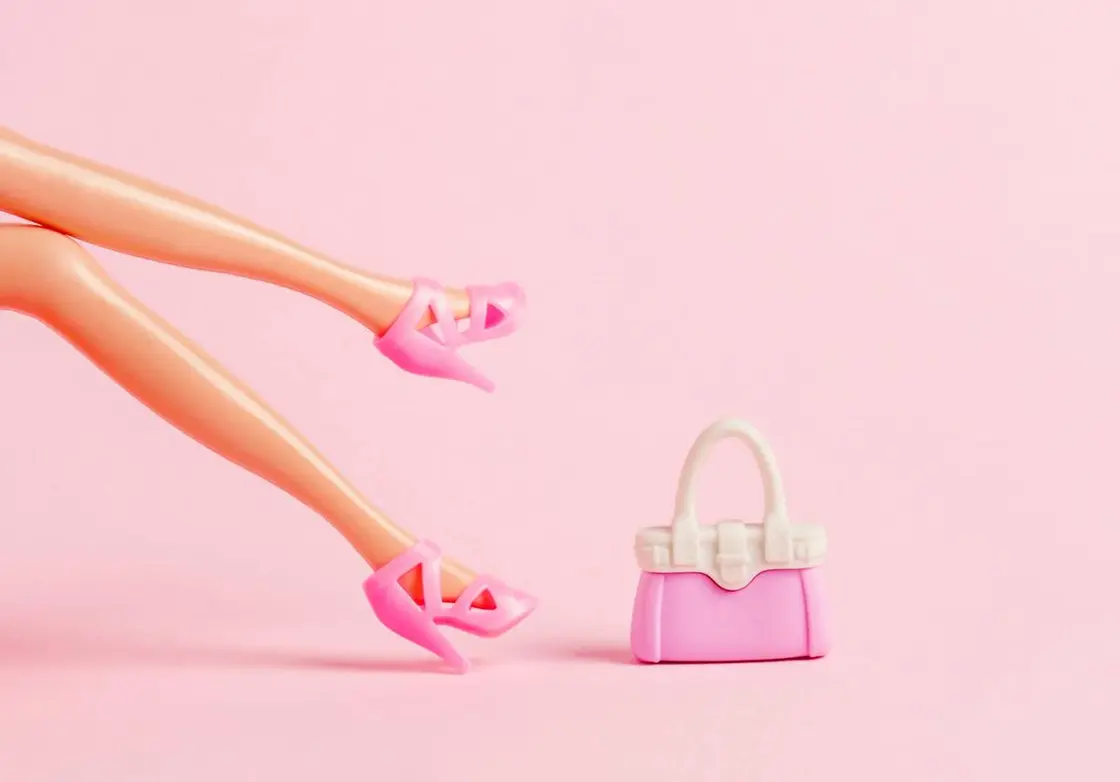
Recently, Barbie has generated a buzz as it hits theaters with a live-action film featuring Margot Robbie and Ryan Gosling. Directed by Greta Gerwig, known for her unique storytelling style, this film is expected to attract attention beyond typical studio releases. The excitement surrounding the movie has led to increased interest in Mattel (symbol: MAT), the company behind Barbie dolls. While TikTok videos are fun to watch, they raise an important question: once a stock goes viral, is it too late to invest?
Investing in a Viral Stock
Traditionally, Wall Street suggests that when the public becomes aware of a stock, it may be too late to profit. This is because the general public often learns about stocks after insiders have acted. However, social media has altered this landscape, allowing information to spread quickly. While this can provide valuable insights, it can also lead to the spread of unverified information.
If you feel compelled to make a trade based on TikTok trends, proceed with caution. Only invest what you can afford to lose, as this kind of trading is high-risk and is often favored by momentum and day traders who can react swiftly. Without thorough research, buying a viral stock is akin to betting on a horse solely based on its colors—sometimes it works, but it’s not a reliable strategy.
Nonetheless, there can be potential in investing in a viral stock—if the company has solid fundamentals and potential for growth. If the viral trend you noticed lacks these qualities, or if you’ve missed the initial wave of interest, it may be too late to capitalize.
One financial advisor noted that purchasing after a stock goes viral can have advantages. “People will continue to engage with it for various reasons. The volatility can be high, so investors must recognize they’re speculating and be ready for significant price fluctuations,” they explained.
Can We Capitalize on Barbie’s Popularity?
Yes and no. Take Paris Hilton, once the face of viral fame in 2008. Despite her popularity, her film “The Hottie and the Nottie” failed miserably. History shows that unexpected flops will always exist alongside surprise successes. Whether it’s movies, toys, or stocks, trends can rise and fall for countless reasons, and trying to get in early is like attempting to time the market—consistently profitable timing is nearly impossible.
As the Barbie film release approaches, Mattel's stock has risen by 18% in the last month, although it peaked earlier this year before a decline. With a market cap nearing $7 billion, the film’s success will likely benefit Warner Bros. more than Mattel.
Licensing and Sales: Mattel's Focus
While Warner Bros. stands to gain from box office profits, Mattel aims to thrive through Barbie licensing. The company has secured partnerships with over 100 brands, allowing fans to enjoy a Barbie-themed golf cart pool float (yes, it’s real) or stay in a life-sized version of Barbie’s Malibu DreamHouse (Ken not included). Mattel hopes this Barbie frenzy boosts brand recognition and elevates the doll’s appeal. Even if the film flops, sales of collectible dolls priced between $25-$50 or Barbie’s pink Corvette for $75 could still yield significant profits. Ideally, Mattel wants the film to succeed enough to encourage studios to invest in more adaptations of its toy lines, with a Hot Wheels movie already in the works.
Is MAT Ready for the Hype?
To gain insights into Mattel's viability, we consulted Jaime Katz, an analyst at Morningstar.
Morningstar estimates Mattel’s fair value at $25 per share, indicating that even with its recent increase to around $22, there’s potential for a $3 rise, as noted by some Wall Street analysts.
Katz mentioned, “The movie presents a solid way to elevate the Barbie brand and generate excitement, which creates demand for products.” With partnerships likely enhancing this effect, consumer interest may not be as fleeting as seen with films like ‘Top Gun.’
She also believes targeting adults with the film is a smart choice. “Parents are the primary buyers of toys,” Katz explained. “Reminding them of positive childhood memories could encourage them to buy similar products for their children. This could boost doll sales during the holiday season, benefiting Mattel’s stock if products sell without excessive marketing costs.”
Regarding whether Mattel will pursue major film production like Marvel, Katz is skeptical. “Producing films internally would depend heavily on the investment required for each film, and the anticipated box office returns are factors we don’t expect Mattel to pursue substantially in the near future,” she stated.
A takeover bid for Mattel also appears unlikely. “Hasbro has a history of valuable IP like Transformers, and no studio has tried to acquire Hasbro,” Katz noted. “Considering toys aren’t the main focus of film production companies, partnerships may be more likely than acquisitions.”
- 10 Investing Questions Simplified
- The Only Mutual Fund You Might Need
- 5 Strategies for Investing in Stocks for Kids



