
On this week's podcast, we explore a popular topic — investing. Tune in as we discuss strategies for both short-term and long-term goals beyond retirement savings. While boosting retirement contributions is essential, many aspirations can't wait until retirement. Whether it's buying a house, a car, or funding education, once your emergency fund is secure, it's time to consider these immediate goals and how to maximize your money to achieve them all.
According to the 2021 Women and Investing Study by Fidelity, there's been a 50% rise in women investing outside retirement in the past three years. An additional 49% reported increased interest in investing since the pandemic began, and 42% now have more disposable income. However, many women still feel uneasy about investing; just 14% feel knowledgeable, and only 33% express confidence in making investment choices. Only a third identify as investors.
Yet, if you have any retirement account, you are an investor. Your 401(k) and IRA classify you as such, and you don't need to hand-pick stocks to claim that title. Notably, women tend to outperform men in investing, with a recent Fidelity analysis showing that women have an average return 40 basis points higher than men over the last decade. So, why do so many women still find investing intimidating?
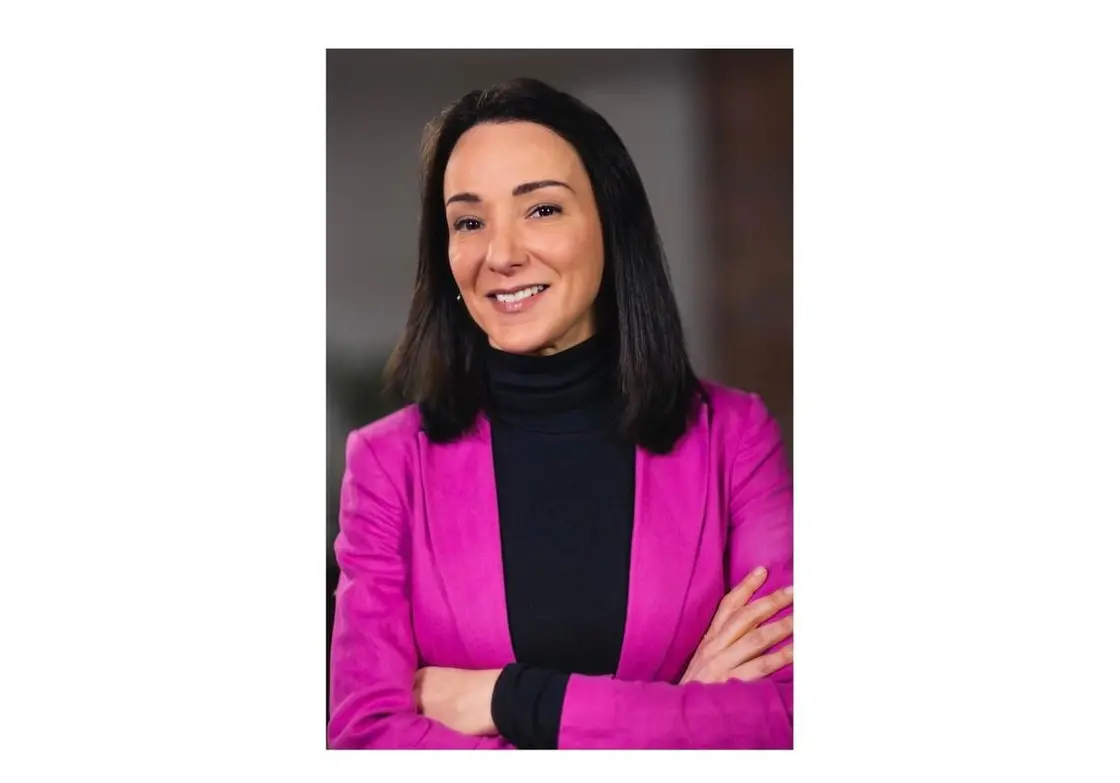
To help answer that, we welcome Lorna Kapusta, Head of Women Investors and Customer Engagement at Fidelity Investments. Lorna leads initiatives to empower women financially, assisting thousands in taking control of their financial futures.
Listen as we discuss common questions from women investors and resources available for support. We also examine why more women are investing outside retirement now, especially during this bull market, and tackle the persistent confidence gap and how to overcome it.
“Women often believe they lack sufficient funds to invest or qualify for professional guidance. That’s simply untrue,” Lorna explains. “We must start these conversations early since consistency is key to maximizing investment growth.”
Jean and Lorna address the crucial question many have: “Where should I place my money?” They discuss how much to keep in savings versus the market and highlight that investment strategies vary by individual circumstances.
Women generally exhibit more risk aversion, yet the cost of not investing is significant. In a recent Fidelity survey, when asked if they knew what to do with $25,000, only 47% of women said yes. Furthermore, 70% believe stock-picking is a prerequisite for investing, which is a misconception we aim to clarify. We share the successful habits of confident women investors and explore what they have in common.
In the Mailbag segment, Jean offers advice to a listener selling her home who’s uncertain about her next steps for retirement accounts. Another caller, who received a promotion and raise, wonders if she should have asked for more during negotiations. In Thrive, we discuss phrases to avoid during job interviews and provide alternatives.
Transcript
Lorna Kapusta: (00:02)
If you invest $20,000 in a savings account over ten years at 0.06% interest, you’ll earn about $120. However, in a conservative portfolio, that same amount could potentially grow to $12,795.
Jean Chatzky: (00:28)
Today’s episode is sponsored by Fidelity Investments, which can help you invest wisely. Join their special Women Talk Money investing event starting Wednesday, October 13th. Visit fidelity.com/HerMoney for details.
Jean Chatzky: (01:25)
Today, we’ll discuss investing for short-term and long-term goals, which are essential beyond retirement. We all have aspirations that don’t align with waiting until age 65.
Jean Chatzky: (02:29)
With a 50% increase in women investing outside retirement, many want to know how to make their money work for them now. While the trend is promising, many still lack comfort and confidence in investing.
Jean Chatzky: (02:29)
Women often feel intimidated by investing due to societal norms and lack of education. We need to change this narrative.
Jean Chatzky: (02:29)
Women need to realize that retirement accounts classify them as investors; you don’t have to actively manage stocks to be one.
Jean Chatzky: (02:29)
Women’s superior performance in investing is well-documented, yet many still feel unqualified.
Jean Chatzky: (02:29)
Let’s explore strategies for confidence and understanding.



