

If you're questioning whether outdoor furniture is weatherproof or if patio furniture can withstand the elements, you're not alone.
Finding the ideal outdoor furniture can transform your backyard or porch from a rarely used area into a lively outdoor living space. Along with landscaping, patio furniture plays a vital role in crafting a serene garden retreat, creating zones for socializing and enjoying sunny spots by the pool.
When selecting patio furniture, consider factors like whether it can remain outside year-round and which materials offer the best durability for longevity.
The type of material you choose—be it wood, metal, HDPE, wicker, or rattan—significantly impacts not only the lifespan of your outdoor furniture but also whether you'll need to store it during bad weather. While beautiful backyard designs can inspire you, it's crucial to understand the unique advantages and disadvantages of each material before making your investment.
To clarify these points, we consulted several outdoor furniture experts who understand the challenges of creating products that endure various weather conditions.
Is Outdoor Furniture Weatherproof?
First, let's define what we mean by 'weather.' Depending on your region, the environmental factors your outdoor furniture faces can vary significantly.
Water is a primary concern. Whether you're near the coast, in a prairie, or situated in the mountains, your outdoor furniture will likely encounter water at some point—be it rain, snow, humidity, or dew. Therefore, this is a crucial consideration when seeking durable patio furniture.
With a decade of experience designing award-winning outdoor furniture for public spaces in the UK, Jennifer Newman, founder of her brand, knows which materials handle high moisture best. She states:
'Outdoor furniture doesn't need to be waterproof like a roof, but it must prevent water from being absorbed into its surfaces. The durability of furniture relies on a base material that withstands elements or on surface protection for more vulnerable materials.'
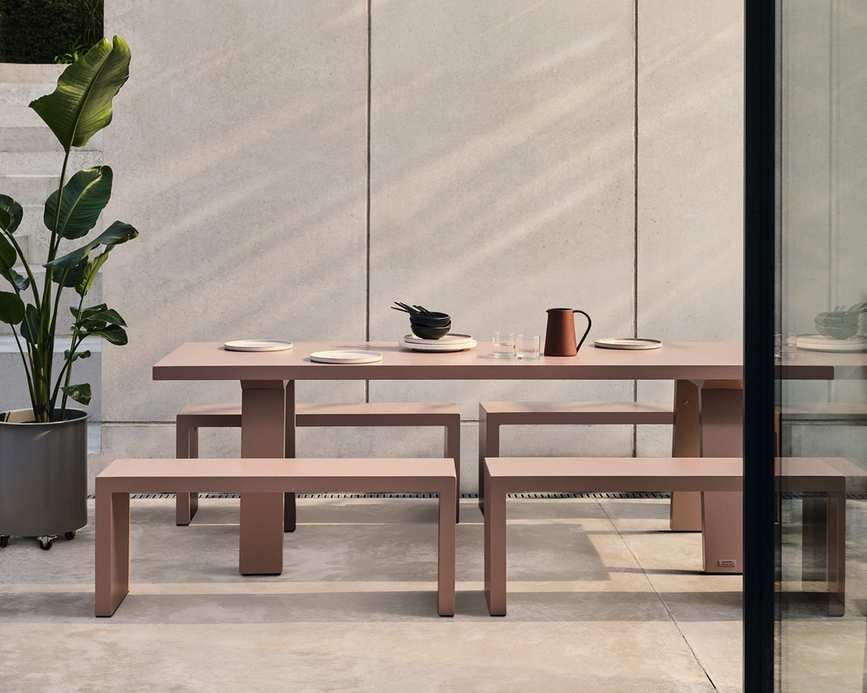
All materials have varying levels of natural waterproofing, which can be enhanced through finishes like paint or heat treatments. Without these, materials that absorb water risk deterioration, whether through rust, rotting, or mold growth.
Coastal properties encounter additional salt-related challenges, which can accelerate deterioration for materials susceptible to water damage.
In colder regions, water absorption can cause cracking and splintering. If moisture enters the material or joints and freezes, it expands, potentially damaging the furniture.
Finally, sun and heat exposure can impact outdoor furniture. For instance, if you live in a hot climate, look for materials with low thermal conductivity that won't become excessively hot or cold.
Is Wood Weatherproof?
Wood possesses natural weather-resistant qualities and offers numerous benefits, making it an excellent choice for patio furniture.
This organic material complements outdoor aesthetics, can be sustainably sourced, and has low thermal conductivity, preventing it from becoming too hot in summer or too cold in winter.
However, not all wood types are equally suitable for outdoor use. As Hannah Armstrong, an outdoor furniture buyer from a well-known British brand, explains:
'When shopping for outdoor furniture, opt for hardwoods with high oil content, as these are resistant to water and rot and are incredibly strong.'
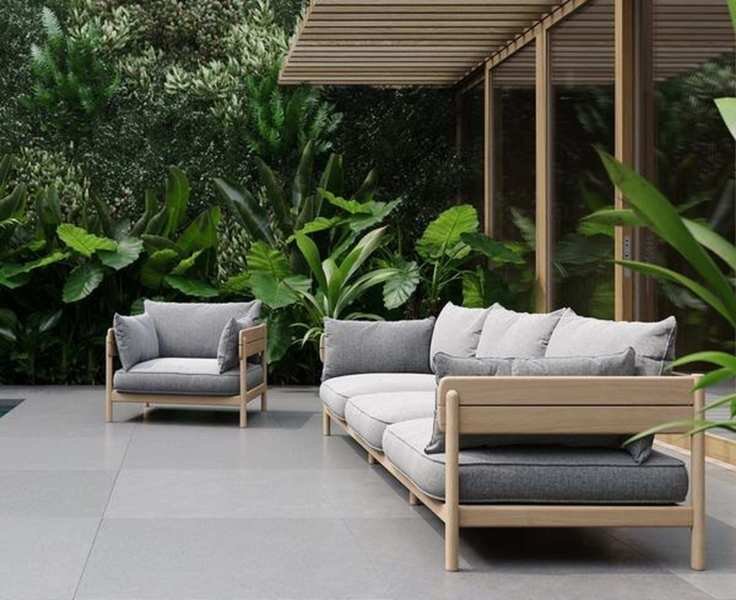
Hardwoods, unlike fast-growing softwoods, come from slower-growing trees, resulting in denser wood that is less permeable to moisture, decreasing weather damage risk.
Teak wood is the gold standard for outdoor furniture.
Renowned for its strength and durability, teak wood comes from a slow-growing tree, making it incredibly dense. The tight wood grain prevents moisture penetration, allowing teak furniture to resist rot and withstand cold temperatures.
Additionally, teak's natural oils repel moisture while protecting against sun damage, reducing the risk of splitting or cracking from drying winds and salty air.
No material is indestructible, yet teak weathers beautifully over time, often becoming a family heirloom. As it ages, its golden hue transforms into a striking silver-grey tone. To maintain its appearance and longevity, applying teak oil or preservative can be beneficial.

However, due to its slow growth, teak furniture can be pricier than alternatives and may be sourced unsustainably.
Reclaimed teak is a cost-effective and eco-friendly option. Look for FSC certification that ensures responsible sourcing from well-managed US or European forests.
Alternatively, the faster-growing hardwoods like acacia and eucalyptus are rising in popularity for outdoor furniture.
While they might be slightly less dense, their strength, oil content, and appealing colors make them viable teak alternatives.
These woods are more affordable due to their rapid growth, but ensure they are also FSC certified for sustainable sourcing.
Summary: For durable outdoor chairs and benches, hardwoods such as teak, acacia, and eucalyptus are the best choices. Avoid softwoods or products without specified wood types, as they are likely softwoods.
Is Metal Weatherproof?
Common metals used for outdoor furniture include steel, wrought iron, and aluminum.
These metals are robust and can be shaped into various designs, making them popular for outdoor furniture manufacturers.
However, metal has high thermal conductivity, meaning it can become extremely hot in the sun or very cold in winter. Thus, adding cushions is advisable for comfort and practicality.
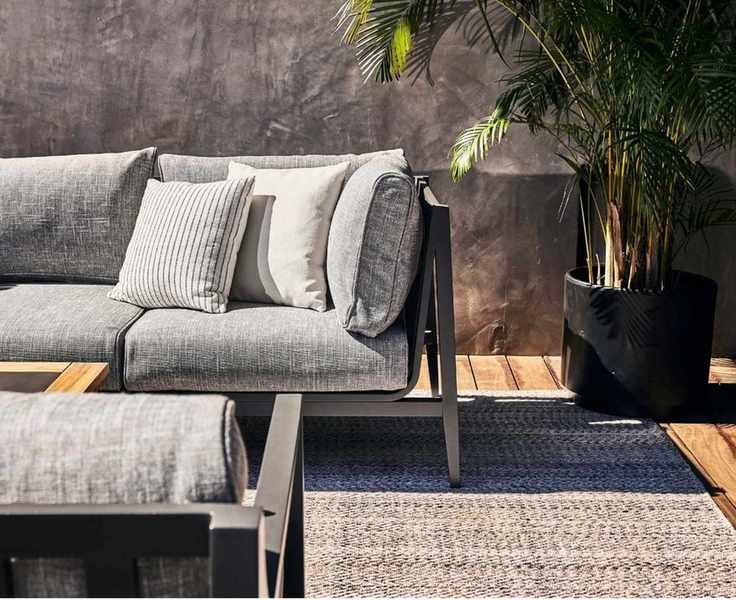
Despite their robustness and water resistance, most metals will oxidize in moisture, leading to rust. For this reason, outdoor metal furniture should have a weatherproof finish applied.
Steel and iron typically require a tough paint layer to act as a moisture barrier. Most metal garden furniture is powder-coated through an electrostatic process, cured with heat for a durable finish.
If the coating chips, promptly repainting the affected areas is crucial to prevent moisture infiltration. Signs of oxidation include bubbling paint and orange streaks.
Aluminum, however, is one of the most weather-resistant metals for outdoor furniture.
As noted in Jennifer Newman's designs, aluminum develops a thin layer of oxidation that serves as a moisture barrier. This metal is favored for its strength and lightweight nature, making it easy to reposition in your garden.
Jennifer emphasizes the importance of construction quality, noting that joints and fittings can become weak points exposed to the elements:
'Investing in an all-welded design reduces the number of screws and fittings, significantly enhancing furniture longevity.'
While aluminum pieces might have a higher initial cost than steel or iron, they offer better long-term value due to their durability in outdoor conditions.
Summary: Steel or iron outdoor furniture requires a powder-coated finish to resist moisture and prevent rust, which can chip and oxidize at joints. Aluminum is lightweight and rust-resistant, making it a worthwhile investment for durability and ease of use.
Is Rattan or Wicker Weatherproof?
Rattan furniture provides a relaxed aesthetic for patios, featuring natural tones and textured weaves that suit various outdoor styles. But how durable is rattan furniture, and can it stay outside year-round?
Natural rattan is woven from fast-growing tropical plants, making it a generally sustainable choice.
However, natural rattan can dry out quickly in wind and sunlight, leading to brittleness, while moisture exposure risks mildew and rot. Although it can be treated for added durability, it's advisable to store it indoors during inclement weather. Natural rattan is best suited for covered porches.
All-weather, PE or Polyrattan
What many refer to as 'rattan' outdoor furniture is actually synthetic plastic known as PE-rattan or polyrattan. This man-made material mimics natural rattan.
Polyrattan is fully moisture-resistant, making it far more durable outdoors than natural rattan. It doesn't conduct heat and is generally more affordable than hardwood options. Maintenance is minimal, requiring no preservatives or paint.
Aesthetically, higher-end polyrattan furniture closely resembles natural rattan, with careful efforts to mimic tonal variations and woven textures, while cheaper versions may appear less convincing.
Choosing a colored finish can be advantageous, as polyrattan is dyed throughout rather than coated, eliminating the need for repainting.

Despite polyrattan's durability, manufacturers often provide varying advice on leaving their rattan furniture outdoors year-round. These discrepancies usually stem from the metal frames supporting the polyrattan.
A cheap uncoated steel frame will rust quickly, while a powder-coated steel frame offers added protection. Rust-resistant aluminum frames weather exceptionally well outdoors, are lighter for easy movement, and may cost more upfront.
Summary: Polyrattan is a synthetic material designed to replicate natural rattan and is moisture-resistant. However, the durability of outdoor furniture depends on the metal frame it's built on. Always check the material specifications before purchasing.
Is HDPE Weatherproof?
HDPE, or high-density polyethylene, also known as polylumber or POLYWOOD®, is a manmade material similar to plastic. However, if sourced wisely, HDPE can be environmentally friendly.
Loll is a brand that's changing the game with HDPE, creating attractive outdoor furniture from recycled plastic, primarily milk jugs, keeping over 100 million jugs out of landfills since its inception.
Featuring in our guide to the best Adirondack chairs, Loll's minimalist outdoor seating has achieved eco-friendly Cradle to Cradle certification for its sustainable design, with materials that can be recycled indefinitely.
Nate Heydt, VP of Business Development for Loll, highlights HDPE's durability for outdoor furniture:
'The main benefit is low, or no maintenance. HDPE doesn't rot, chip, or peel, so it doesn't require painting or staining. It's solid/nonporous and colorized during production. At Loll, we prioritize a waste-free process, using every bit of material, including shavings. The color and UV inhibitors are integrated, preventing breakdown and keeping colors vibrant in outdoor conditions.'
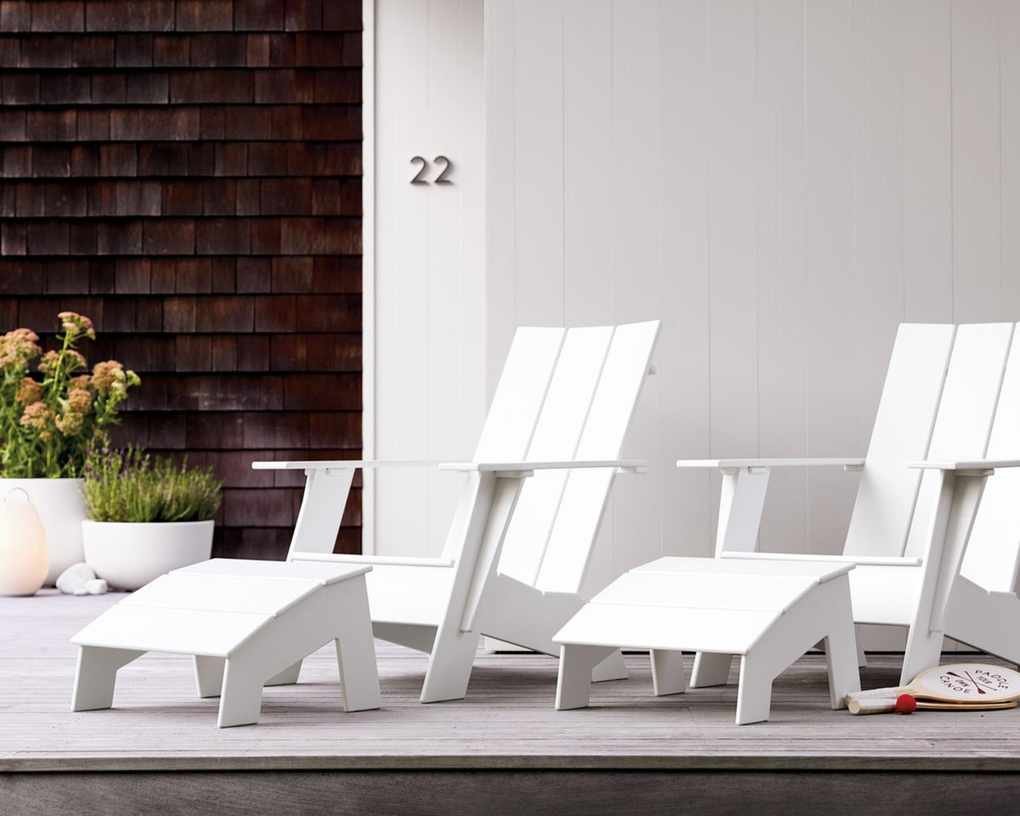
For the best results, embrace HDPE's unique qualities without trying to mimic natural wood. Opt for bright, contemporary designs that highlight the material's vibrant colors and modern shapes.
Summary: HDPE offers low-maintenance, lightweight, and weather-resistant outdoor furniture. Aim for contemporary designs that showcase the material's unique properties and look for options made from recycled plastics.
What is the Best Outdoor Furniture Material?
Ultimately, the most weatherproof outdoor furniture will depend on various environmental factors, but hardwoods like teak, acacia, or eucalyptus, rust-resistant aluminum, all-weather rattan with aluminum frames, or sustainably produced HDPE are likely your best bets.
Investing more often pays off in terms of durability. As noted by Hannah Armstrong:
'Just like indoor furniture, you should expect wear and tear over time, especially with outdoor pieces facing unpredictable weather. However, by choosing high-quality materials and properly maintaining them, you'll enjoy them for years to come.'
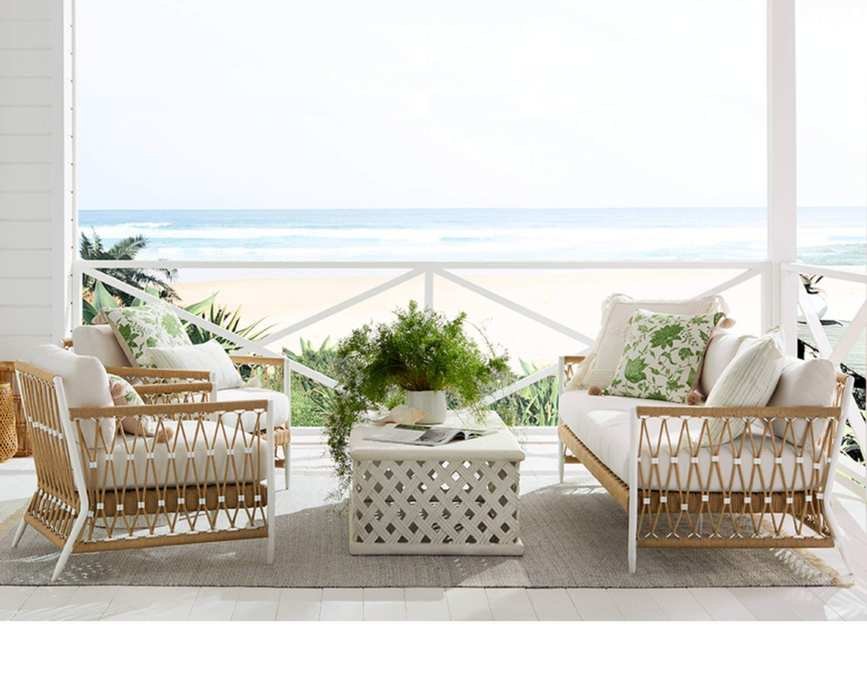
For ultimate longevity, keeping your outdoor furniture sheltered during severe weather is ideal. Look for stackable or foldable options to save space, or consider investing in protective covers for your furniture when not in use.
If you have a porch or veranda, it's a perfect place to enjoy the benefits of outdoor living while being sheltered. For inspiration, check our front porch ideas.



